Insecticide Spray Can
CN → US| HS Code | Tariff Rate | Origin | Destination | Doc |
|---|---|---|---|---|
| 3808912501 | 41.5% | CN | US | Official Doc |
| 2933696021 | 21.0% | CN | US | Official Doc |
| 3801105090 | 35.0% | CN | US | Official Doc |
| 3808915001 | 40.0% | CN | US | Official Doc |
| 2933991701 | 16.5% | CN | US | Official Doc |
Product Images
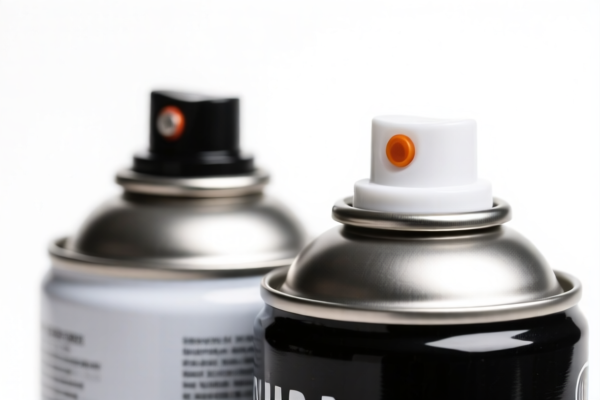
AI Analysis
🐛 Insecticide Spray Can (Homestic Pest Control)
🌐 HS Code Reference & Customs Clearance Guide | 2026 Latest Tariff Analysis | Professional Strategy for High-Tax Goods
📌 Part 1: Product Definition & Classification: Is It Just "Spray"?
Insecticide spray cans, specifically those designed for household use, are complex chemical products. In international trade, they are not classified as a single uniform item. Their Harmonized System (HS) Code depends heavily on: 1. Chemical Composition: Are they organic compounds? Chemical mixtures? 2. State/Formulation: Is it a solution, suspension, or aerosol? 3. Regulatory Status: Is it legally classified as a "Pesticide" or a "Chemical Preparation"?
⚠️ Critical Distinction:
- If the product is a mixture/preparation of insecticides → Likely 3808.xx (Pesticides/Insecticides).
- If the product is a pure chemical compound (e.g., a specific organic molecule) → Likely 2933.xx (Organic Chemicals).
- Mistake Alert: You cannot simply label it "Spray." The chemical nature dictates the code, which drastically changes the tax burden.
📦 Part 2: HS Code Classification Matrix (2026 Latest Data)
Based on the provided data, here are the 5 possible HS Codes for Household Insecticide Spray Cans. The tax rates vary significantly due to different chemical classifications and trade policy applications.
| HS Code | Product Description | Classification Logic | Key Components |
|---|---|---|---|
3808.91.25.01 |
Household Insecticide Spray | Classified as a preparation (mixture) for insect control. | Insecticidal ingredients + solvents/aerosol propellants. |
2933.69.60.21 |
Agricultural/Chemical Insecticide | Classified as a Pesticide under chemical organic compounds. | Specific organic insecticide compound (nitrogen-based heterocycles). |
3801.10.50.90 |
Chemical Preparation (Insecticidal) | Classified as a Chemical Mixture containing insecticidal agents. | Broad chemical preparation, not strictly defined as pure pesticide in 3808. |
3808.91.50.01 |
Household Spray Formulation | Classified as a Spray Formulation under pesticide preparations. | Similar to 3808.91.25 but different sub-formulation code. |
2933.99.17.01 |
Nitrogen-Containing Organic Compound | Classified as a Pure Chemical (not a mixture). | Heteroatoms are only Nitrogen; no other heteroatoms. |
🔍 Key Insight:
- Codes starting with 3808 are for Pesticides/Insecticides (mixtures/preparations).
- Codes starting with 2933 are for Organic Chemicals (pure substances or specific intermediates).
- Why 5 codes? Different manufacturers may use different active ingredients or formulations, leading to different customs classifications.
💰 Part 3: 2026 Latest Tariff Rate Breakdown (Including Surcharges)
✅ Applicable Country: United States (US)
✅ Origin: China (CN)
✅ Effective Time: 2025+ (Subject to current trade policies)
🎯 1. 3808.91.25.01 – Household Insecticide Spray (Preparation)
| Item | Content |
|---|---|
| Base Tariff | 6.5% |
| Section 301 Surcharge | 25.0% |
| Section 122 Surcharge | 10.0% |
| Total Rate | 41.5% |
| Tax Calculation | CIF Value × 41.5% |
| De Minimis Exemption | ❌ NO (High tax rate disqualifies from low-value exemption) |
📌 Explanation:
- This is a high-tax category. The 25% Section 301 tariff is significant.
- Risk: High probability of customs scrutiny for chemical composition verification.
🎯 2. 2933.69.60.21 – Pesticide Chemical (Organic Compound)
| Item | Content |
|---|---|
| Base Tariff | 3.5% |
| Section 301 Surcharge | 7.5% |
| Section 122 Surcharge | 10.0% |
| Total Rate | 21.0% |
| Tax Calculation | CIF Value × 21.0% |
| De Minimis Exemption | ❌ NO |
📌 Explanation:
- Lower tax rate than preparation codes because it’s classified as a chemical, not a finished pesticide product.
- Warning: Customs may reclassify this as 3808 if it’s clearly a ready-to-use spray, leading to back taxes + penalties.
🎯 3. 3801.10.50.90 – Chemical Preparation (Insecticidal)
| Item | Content |
|---|---|
| Base Tariff | 0.0% |
| Section 301 Surcharge | 25.0% |
| Section 122 Surcharge | 10.0% |
| Total Rate | 35.0% |
| Tax Calculation | CIF Value × 35.0% |
| De Minimis Exemption | ❌ NO |
📌 Explanation:
- Base tariff is 0%, but surcharges apply.
- Risk: This code is often used for "other chemical preparations." If it’s clearly an insecticide, customs may force a change to 3808.xx, increasing the tax.
🎯 4. 3808.91.50.01 – Household Spray Formulation
| Item | Content |
|---|---|
| Base Tariff | 5.0% |
| Section 301 Surcharge | 25.0% |
| Section 122 Surcharge | 10.0% |
| Total Rate | 40.0% |
| Tax Calculation | CIF Value × 40.0% |
| De Minimis Exemption | ❌ NO |
📌 Explanation:
- Very similar to 3808.91.25.01. The 1% difference in base tariff is minor.
- Consistency is key: Use the same code as your supplier’s previous shipments to avoid scrutiny.
🎯 5. 2933.99.17.01 – Nitrogen-Containing Organic Compound
| Item | Content |
|---|---|
| Base Tariff | 6.5% |
| Section 301 Surcharge | 0.0% |
| Section 122 Surcharge | 10.0% |
| Total Rate | 16.5% |
| Tax Calculation | CIF Value × 16.5% |
| De Minimis Exemption | ❌ NO |
📌 Explanation:
- Lowest Total Tax Rate (16.5%).
- Why? No Section 301 Surcharge (7.5% savings vs. 3808 codes).
- CRITICAL WARNING: This code is for pure chemicals. If you import a ready-to-use spray, customs will likely reject this code and reclassify it to 3808 (41.5% tax). Only use if you are importing the active chemical ingredient, not the finished spray.
🛠️ Part 4: Customs Clearance Practical Advice (Avoid Pitfalls)
✅ 1. Documentation Checklist (Must-Have)
| Document | Required? | Notes |
|---|---|---|
| ✅ Product Specification Sheet | ✔️ | Must list Active Ingredients, percentage, and chemical structure. |
| ✅ Safety Data Sheet (SDS) | ✔️ | Required for chemical classification. |
| ✅ EPA Registration (if US) | ✔️ | Mandatory for insecticides in the US. Without EPA Reg. No., goods will be seized. |
| ✅ Certificate of Analysis (COA) | ✔️ | Proves chemical purity/constitution (critical for 2933 codes). |
| ✅ Commercial Invoice | ✔️ | Clearly state "Insecticide Spray for Household Use." |
| ✅ Packing List | ✔️ | Show net/gross weight, volume, and container type (aerosol). |
⚠️ EPA Note: The US Environmental Protection Agency (EPA) strictly regulates insecticides. No EPA registration = No clearance.
✅ 2. Classification Strategy (How to Choose)
| Scenario | Recommended HS Code | Reason |
|---|---|---|
| Ready-to-Use Spray (Aerosol Can) | 3808.91.25.01 or 3808.91.50.01 |
Legally classified as a pesticide preparation. |
| Active Ingredient Only (Liquid/Gas) | 2933.69.60.21 or 2933.99.17.01 |
Classified as organic chemical. Lower tax, but NOT for finished goods. |
| Unclear Formulation | 3801.10.50.90 |
Fallback for chemical mixtures, but risky. |
🔥 Golden Rule:
“Finished Product → 3808. Pure Chemical → 2933.”
Do not try to downplay a spray as a "chemical" to save tax. Customs tests will reveal the truth.
✅ 3. Special Handling Tips
| Situation | Advice |
|---|---|
| Aerosol Cans | Classified as "Dangerous Goods" for shipping. Ensure proper UN packaging and labeling. |
| Low-Value Shipments | ❌ No De Minimis Exemption. Even $100 shipments are subject to full tax. |
| EPA Compliance | Apply for EPA registration before shipping. Processing takes 3-6 months. |
| Customs Audit | Be prepared for chemical testing. Provide SDS and COA proactively. |
🌍 Part 5: Global Market Comparison (2026)
| Country | HS Code | Base Tax | Surcharge | Total Tax | Notes |
|---|---|---|---|---|---|
| 🇺🇸 USA | 3808.91.25.01 | 6.5% | 35% (301+122) | 41.5% | High tax, EPA mandatory. |
| 🇺🇸 USA | 2933.99.17.01 | 6.5% | 10% (122 only) | 16.5% | Lowest tax, but only for pure chemicals. |
| 🇨🇳 China | 3808.91.25.01 | 5.0% | 0% | 5.0% | Low tax, no surcharge. |
| 🇪🇺 EU | 3808.91 | 0% | 0% | 0% | VAT applies (19-25%), but no import duty. |
| 🇯🇵 Japan | 3808.91 | 0% | 0% | 0% | Tax-exempt, but strict safety standards. |
📌 Conclusion:
- USA: High tax (16.5%-41.5%) + EPA compliance.
- EU/Japan: Low/no import duty, but high regulatory/safety standards.
- China: Lowest tax, but consider domestic market rules.
📌 Part 6: Common Mistakes & Pitfalls (Blood-Taught Lessons)
❌ Mistake 1: Importing finished spray under 2933 code to save tax.
👉 Consequence: Customs reclassifies to 3808, charges 41.5% + penalties + seizure risk.
❌ Mistake 2: Ignoring EPA Registration.
👉 Consequence: Goods seized and destroyed by US Customs + EPA.
❌ Mistake 3: Treating aerosols as non-hazardous.
👉 Consequence: Shipping rejection, fines, or safety hazards.
❌ Mistake 4: Assuming De Minimis applies.
👉 Consequence: Tax evasion accusation. All shipments >$800 are taxed; < $800 still taxed due to high rate.
✅ Correct Approach:
"Insecticide Spray, Household Use, EPA Reg. No. [XXX], Active Ingredient: [XXX], Aerosol Formulation, UN1950."
🎯 Part 7: Conclusion: Smart Classification, Save Money, Stay Compliant
🎯 Remember the Key Takeaways:
🔹 Finished Spray → 3808.41.5% (High Tax)
🔹 Pure Chemical → 2933.16.5% (Low Tax, but NOT for sprays)
🔹 EPA Registration → MANDATORY in US
🔹 No De Minimis Exemption for these goods.
📌 Pro Tip:
If you are importing pure active ingredients (not sprays), use 2933.99.17.01 for the lowest tax (16.5%).
If you are importing finished sprays, expect 41.5% tax and ensure EPA compliance.
📣 Immediate Action:
📞 Consult a Customs Broker for pre-classification.
📄 Get EPA Registration before shipping.
📦 Label Clearly as "Insecticide" with chemical details.
✨ Professional Clearance Starts with Accurate Classification!
💼 Every Percent of Tax Saved is Pure Profit!
Customer Reviews
About HS Code Classification
The Harmonized System (HS) is an internationally standardized nomenclature developed by the World Customs Organization (WCO) to classify traded products. Over 200 countries use the HS system as the basis for customs tariffs, trade statistics, and import/export regulations.
Each HS code follows a hierarchical structure:
- Chapter (2 digits) — Broad category of goods (e.g., Chapter 84: Machinery and Mechanical Appliances)
- Heading (4 digits) — More specific grouping within the chapter
- Subheading (6 digits) — Internationally standardized breakdown, used by all WCO member countries
- National subdivisions (8-10 digits) — Country-specific extensions for further classification, such as US HTSUS 10-digit codes
Correct HS code classification is essential for smooth customs clearance, accurate duty payment, and compliance with trade regulations. Misclassification can lead to customs delays, overpayment of duties, or penalties.
When importing from CN to US, the applicable tariff rates may include:
- Most-Favored-Nation (MFN) rate — The standard duty rate applied to WTO members
- General rate — Applied to countries without trade agreements
- Trade remedy duties — Additional tariffs such as Section 301 (anti-dumping), Section 232 (national security), or countervailing duties
The information provided on this page is for reference purposes only. For official classification, please consult with your local customs authority or a licensed customs broker.