Insulated Beverage Pocket Bag
CN → US| HS编码 | 关税税率 | 原产国 | 目的国 | 文档 |
|---|---|---|---|---|
| 3923900080 | 38.0% | CN | US | 官方文档 |
| 3923290000 | 38.0% | CN | US | 官方文档 |
| 4202920807 | 42.0% | CN | US | 官方文档 |
| 4202920809 | 42.0% | CN | US | 官方文档 |
| 6305330080 | 25.9% | CN | US | 官方文档 |
商品图片
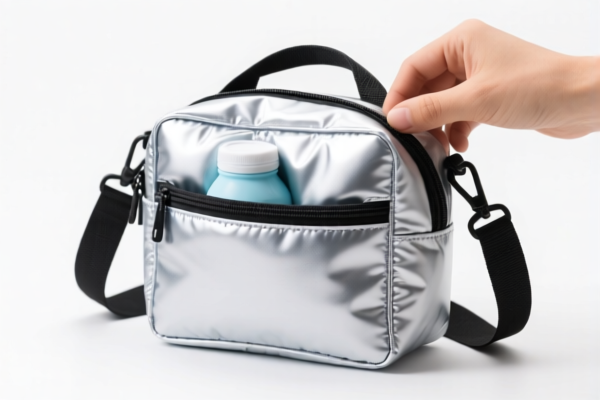
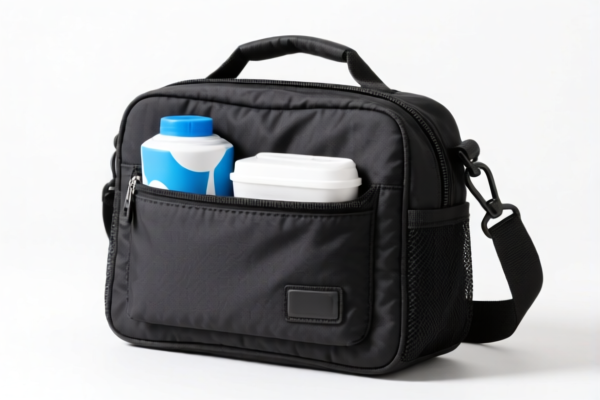
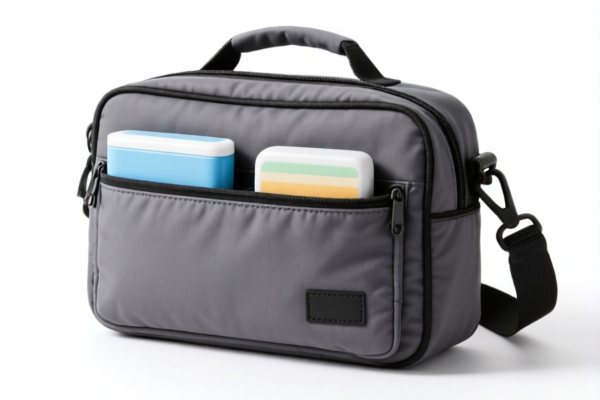
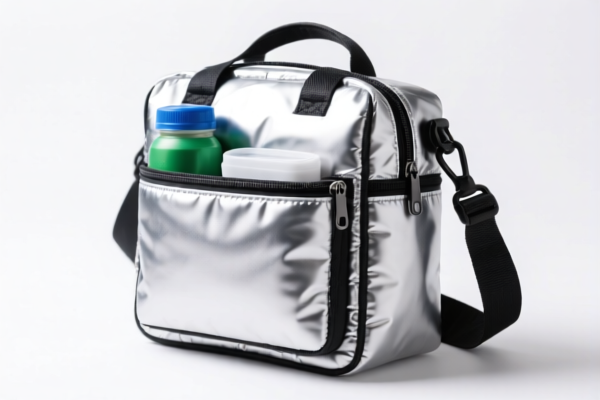
AI分析
🥤 Insulated Beverage Pocket Bag (Drink Insulator)
🌐 HS Code Reference & Customs Clearance Guide | 2026 Latest Tariff Analysis | Professional Strategy for US Imports
📌 I. Product Definition & Classification: What Exactly Is an "Insulated Beverage Pocket Bag"?
An Insulated Beverage Pocket Bag (commonly known as a drink insulator, can cooler, or koozie) is a soft-sided container designed to maintain the temperature of bottled or canned beverages. In international trade, classification depends entirely on the material composition and structure of the outer layer:
- Plastic/Composite Material: If the outer shell is made of plastic film, PVC, PE, or laminated plastic composites, it is classified under Chapter 39.
- Textile/Fabric Material: If the outer shell is made of woven fabric, knitted fabric, or non-woven textile (even if lined with foam/insulation), it is classified under Chapter 42.
- Sack/Bag Type (Textile): If it is specifically constructed as a "sack or bag" for carrying goods, using synthetic fibers, it may fall under Chapter 63.
⚠️ Key Classification Point:
- If it looks like a plastic sleeve or has a shiny plastic exterior → Chapter 39
- If it looks like a fabric pouch with insulation inside → Chapter 42 or Chapter 63
- Do not mix materials in one HS Code unless the primary characteristic is clearly defined by customs rules.
📦 II. HS Code Classification Details (2026 Latest Tariff Authority)
| HS Code | Product Description | Application Scenario | Primary Material |
|---|---|---|---|
3923.90.00.80 |
Plastic articles for the conveyance or packing of goods; Other plastic articles | Insulated bags made of plastic film or composite plastic materials used for packaging | 🧪 Plastic Film/Composite |
3923.29.00.00 |
Plastic sacks and bags (including cones), Other | Insulated drink sleeves classified as "other plastic packaging articles" | 🧪 Plastic |
4202.92.08.07 |
Articles of apparel and clothing accessories, Not elsewhere specified; Outer surface of textile materials | Insulated beverage carriers with a fabric/technical textile exterior surface | 🧵 Textile/Fabric |
4202.92.08.09 |
Articles of apparel and clothing accessories; Outer surface of other materials | Similar to above, but differing in specific textile subtype or trim | 🧵 Textile/Fabric |
6305.33.00.80 |
Sacks and bags, for packaging, Of synthetic fibers | Insulated bags classified specifically as "sacks/bags for packaging" using synthetic textiles | 🧵 Synthetic Textile |
🔍 Important Reminder:
- Plastic-based coolers (e.g., PVC koozies) go to 3923.xx.
- Fabric-based coolers (e.g., neoprene, polyester, nylon) go to 4202.xx.
- Textile Sacks go to 6305.xx.
- Never declare a fabric bag as plastic just because it has a plastic lining; the outer surface determines the chapter.
💰 III. 2026 Latest Tariff Rate Breakdown (Including Additional Duties & Policy Surcharges)
✅ Applicable Country: United States (US)
✅ Country of Origin: China (CN)
✅ Effective Date: 2025/2026 (Based on current trade policies)
🎯 1. 3923.90.00.80 & 3923.29.00.00 —— Plastic Insulated Bags
| Item | Content |
|---|---|
| Basic Tariff | 3.0% (ad valorem) |
| Section 301 Additional Tariff | +25.0% |
| Section 122 Tariff | +10.0% |
| Total Tax Rate | 38.0% |
| Tax Calculation | CIF Value × 38.0% |
| De Minimis Eligibility | ❌ NO (Not eligible for $800 exemption) |
| Legal Basis Path | USITC:3923.90.00.80 → Section 301 Footnote → Section 122 |
📌 Explanation:
- These plastic items are considered "packaging articles."
- The 25% Section 301 tariff applies to most plastic articles from China.
- The 10% Section 122 tariff may apply depending on specific trade enforcement actions.
- Total Effective Rate: 38%. This is a high-cost category.
🎯 2. 4202.92.08.07 & 4202.92.08.09 —— Textile Exterior Insulated Bags
| Item | Content |
|---|---|
| Basic Tariff | 7.0% (ad valorem) |
| Section 301 Additional Tariff | +25.0% |
| Section 122 Tariff | +10.0% |
| Total Tax Rate | 42.0% |
| Tax Calculation | CIF Value × 42.0% |
| De Minimis Eligibility | ❌ NO |
| Legal Basis Path | USITC:4202.92.08.07 → Section 301 Footnote → Section 122 |
📌 Explanation:
- These are classified as "other articles of apparel/accessories" made of textile.
- The basic duty is higher (7%) than plastic (3%).
- Total Effective Rate: 42.0%. This is the highest cost category among the options.
🎯 3. 6305.33.00.80 —— Synthetic Fiber Sacks/Bags for Packaging
| Item | Content |
|---|---|
| Basic Tariff | 8.4% (ad valorem) |
| Section 301 Additional Tariff | +7.5% |
| Section 122 Tariff | +10.0% |
| Total Tax Rate | 25.9% |
| Tax Calculation | CIF Value × 25.9% |
| De Minimis Eligibility | ❌ NO |
| Legal Basis Path | USITC:6305.33.00.80 → Section 301 Footnote (Lower Rate) → Section 122 |
📌 Explanation:
- Crucial Distinction: If customs classifies the bag as a "sack for packaging" (Chapter 63) rather than a "personal accessory" (Chapter 42), the Section 301 rate drops significantly from 25% to 7.5%.
- Total Effective Rate: 25.9%. This is the MOST COST-EFFICIENT option if the product qualifies.
- Risk: Must prove it is used for "packaging/conveyance" rather than personal reuse. If declared as a reusable "insulated cup holder," customs may shift it to Chapter 42 (42% tax).
🛠️ IV. Customs Clearance Practical Advice (Real-World Pitfall Guide)
✅ 1. Required Documentation Checklist (None Can Be Omitted)
| Document | Mandatory? | Description |
|---|---|---|
| ✅ Product Specifications | ✔️ | Must clearly state: Outer material (Plastic vs. Fabric), Inner insulation type (Foam vs. Alu-fleece). |
| ✅ Product Photos | ✔️ | Show the outer surface texture clearly. Is it plastic-like or fabric-like? |
| ✅ Commercial Invoice | ✔️ | Description must match HS Code logic (e.g., "Plastic Insulated Sleeve" vs. "Fabric Insulated Pouch"). |
| ✅ Packing List | ✔️ | Indicate dimensions and weight. |
| ✅ Material Declaration | ✔️ | Specify if the outer layer is 100% Polyester, PVC, PE, etc. |
✅ 2. Declaration Tips (Key Mnemonics)
🔥 "Look Outside, Declare Inside, Packaging vs. Accessory, Tax Changes Fast!"
| Scenario | Correct Declaration Strategy | Wrong Way |
|---|---|---|
| Plastic Sleeve (Shiny, rigid) | Use 3923.xx. Describe as "Plastic Insulated Sleeve." | Don't call it a "Bag" if it's a sleeve. |
| Fabric Koozie (Soft, cloth-like) | Use 4202.xx if for personal use/reuse. Describe as "Insulated Drink Holder." | Don't use 6305 if it's clearly a personal accessory. |
| Bulk Packaged Bag | Use 6305.xx if intended for single-use or retail packaging. Describe as "Insulated Packaging Sack." | Calling it a "reusable cooler" when it's flimsy plastic → Risk of higher tax. |
✅ 3. Special Situations & Risk Management
| Situation | Handling Advice |
|---|---|
| Mixed Material (e.g., Fabric outer, Plastic inner) | Chapter 42 applies if fabric is the outer surface. Expect 42% tax. |
| Single-Use vs. Reusable | If it's thin plastic meant for one use at a bar → 6305.xx (25.9% tax) is safer. If thick and durable → 4202.xx (42% tax). |
| Customs Audit Risk | If you declare 6305 (cheaper) but customs sees it's high-quality reusable fabric, they will reclassify to 4202 and charge back taxes + penalties. |
| Origin Labeling | Ensure products are marked "Made in China." This triggers the Section 301 and 122 tariffs. |
🌍 V. Global Market Comparison (2026 Update)
| Country/Region | Recommended HS Code | Estimated Total Tax (China Origin) | Certification/Remarks |
|---|---|---|---|
| 🇺🇸 USA | 6305.33.00.80 |
25.9% (Best Case) | High scrutiny on "Packaging" definition. |
| 🇺🇸 USA | 4202.92.08.xx |
42.0% (Common Case) | Standard for reusable fabric coolers. |
| 🇨🇳 China | 6305.33.00.80 |
~8.4% | No Section 301/122. |
| 🇪🇺 EU | 6305.33.00.00 |
0-4% | Low tariffs, no massive surcharges. |
| 🇨🇦 Canada | 6305.33.00.00 |
~5-10% | Moderate tariffs, no Section 301. |
📌 Conclusion:
- The US is the most expensive market due to Section 301 and Section 122 tariffs.
- Strategy: If possible, design the product as a packaging sack (Chapter 63) rather than a personal accessory (Chapter 42) to save 16.1% in taxes.
- Caution: This only works if the product is genuinely used for packaging/conveyance (e.g., carrying multiple drinks, single-use style).
📌 VI. Common Errors & Pitfalls (Blood & Tears Lessons)
❌ Error 1: Declaring a fabric insulated bag as Plastic (3923) to avoid high duties.
👉 Consequence: Customs inspects and finds fabric → Reclassifies to 4202 → Tax jumps to 42% + Penalties.
❌ Error 2: Declaring a reusable high-end cooler as Packaging Sack (6305).
👉 Consequence: Customs rejects "Packaging" claim because it's durable → Reclassifies to 4202 → Tax jumps to 42%.
❌ Error 3: Ignoring Section 122 Tariff.
👉 Consequence: Even with correct HS Code, forgetting the 10% Section 122 surcharge leads to underpayment and holds.
✅ Correct Practice:
- For Plastic: "Insulated Plastic Beverage Sleeve, PVC Material, For Packaging" → 3923.90.00.80
- For Fabric (Personal): "Insulated Fabric Drink Koozie, Polyester, Reusable" → 4202.92.08.07
- For Fabric (Packaging): "Insulated Synthetic Fiber Sack for Beverage Packaging, Single-Use Style" → 6305.33.00.80
🎯 VII. Conclusion: Professional Declaration, Save Costs!
🎯 Remember This Rule:
🔹 "Outer Material Decides Chapter, Usage Decides Tax Rate."
🔹 "Plastic = 38%, Fabric Accessory = 42%, Packaging Sack = 25.9%."
🔹 "If it's reusable, expect 42%. If it's packaging, fight for 25.9%."
📌 Pro Tip:
If your product can be designed as a single-use or low-durability packaging sack (e.g., thin non-woven fabric), argue for 6305.33.00.80 to save 16.1% in taxes. If it's a thick, durable fabric cooler, accept 4202.92.08.07 (42% tax) to avoid fraud risks.
📣 Immediate Action:
📞 Consult a licensed customs broker with product photos before shipping.
📝 Request an Advance Ruling from US CBP if the product is borderline between Chapter 42 and 63.
🚀 Smart Classification = Maximized Profit!
✨ Professional Customs Clearance Starts with Precise Classification!
💼 Every Percent of Tax Saved is Pure Profit!
用户评价
关于 HS 编码归类
协调制度(HS)是由世界海关组织(WCO)制定的国际贸易商品分类标准。全球 200 多个国家采用 HS 系统作为海关关税、贸易统计和进出口监管的基础。
每个 HS 编码遵循以下层级结构:
- 章(2 位)——商品大类(例如:第 84 章:机器和机械设备)
- 品目(4 位)——章内的更具体分类
- 子目(6 位)——国际通用细分,所有 WCO 成员国统一使用
- 本国细分(8-10 位)——各国自行扩展的细分编码,如美国 HTSUS 10 位编码
正确的 HS 编码归类对于顺利通关、准确缴纳关税和遵守贸易法规至关重要。错误归类可能导致海关延误、多缴关税或罚款。
从CN进口到US时,适用的关税税率可能包括:
- 最惠国(MFN)税率——适用于 WTO 成员国的标准关税税率
- 普通税率——适用于无贸易协定国家
- 贸易救济关税——附加关税,如 301 条款(反倾销)、232 条款(国家安全)或反补贴税
本页内容仅供参考。如需正式归类,请咨询当地海关或持牌报关代理。