Insulated Beverage Pocket Bag
CN → US| HS Code | Tariff Rate | Origin | Destination | Doc |
|---|---|---|---|---|
| 3923900080 | 38.0% | CN | US | Official Doc |
| 3923290000 | 38.0% | CN | US | Official Doc |
| 4202920807 | 42.0% | CN | US | Official Doc |
| 4202920809 | 42.0% | CN | US | Official Doc |
| 6305330080 | 25.9% | CN | US | Official Doc |
Product Images
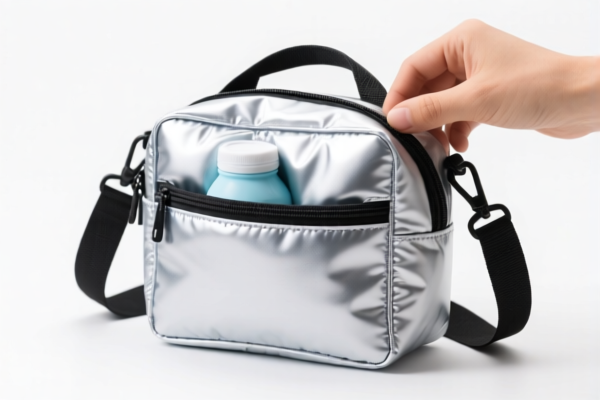
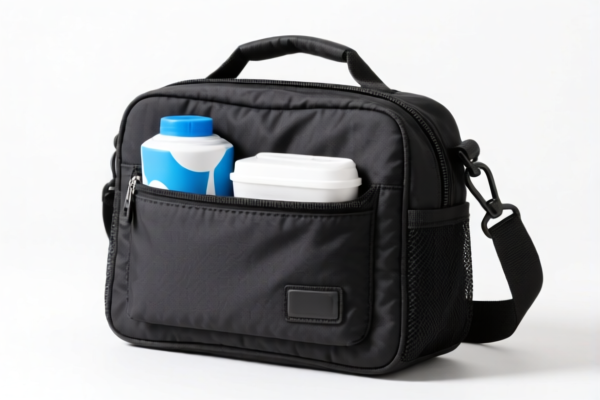
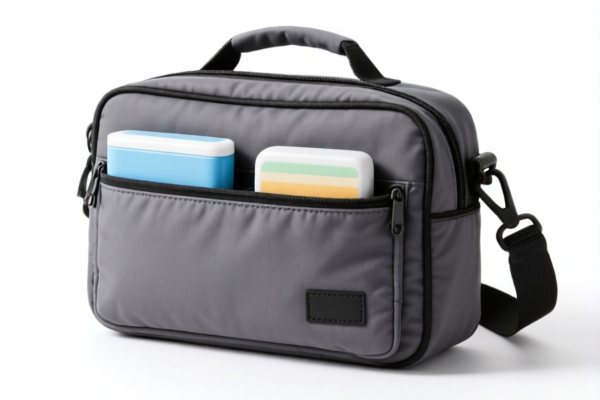
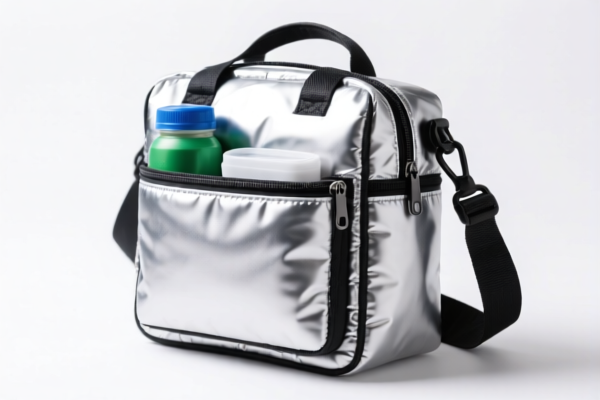
AI Analysis
🥤 Insulated Beverage Pocket Bag (Drink Insulator)
🌐 HS Code Reference & Customs Clearance Guide | 2026 Latest Tariff Analysis | Professional Strategy for US Imports
📌 I. Product Definition & Classification: What Exactly Is an "Insulated Beverage Pocket Bag"?
An Insulated Beverage Pocket Bag (commonly known as a drink insulator, can cooler, or koozie) is a soft-sided container designed to maintain the temperature of bottled or canned beverages. In international trade, classification depends entirely on the material composition and structure of the outer layer:
- Plastic/Composite Material: If the outer shell is made of plastic film, PVC, PE, or laminated plastic composites, it is classified under Chapter 39.
- Textile/Fabric Material: If the outer shell is made of woven fabric, knitted fabric, or non-woven textile (even if lined with foam/insulation), it is classified under Chapter 42.
- Sack/Bag Type (Textile): If it is specifically constructed as a "sack or bag" for carrying goods, using synthetic fibers, it may fall under Chapter 63.
⚠️ Key Classification Point:
- If it looks like a plastic sleeve or has a shiny plastic exterior → Chapter 39
- If it looks like a fabric pouch with insulation inside → Chapter 42 or Chapter 63
- Do not mix materials in one HS Code unless the primary characteristic is clearly defined by customs rules.
📦 II. HS Code Classification Details (2026 Latest Tariff Authority)
| HS Code | Product Description | Application Scenario | Primary Material |
|---|---|---|---|
3923.90.00.80 |
Plastic articles for the conveyance or packing of goods; Other plastic articles | Insulated bags made of plastic film or composite plastic materials used for packaging | 🧪 Plastic Film/Composite |
3923.29.00.00 |
Plastic sacks and bags (including cones), Other | Insulated drink sleeves classified as "other plastic packaging articles" | 🧪 Plastic |
4202.92.08.07 |
Articles of apparel and clothing accessories, Not elsewhere specified; Outer surface of textile materials | Insulated beverage carriers with a fabric/technical textile exterior surface | 🧵 Textile/Fabric |
4202.92.08.09 |
Articles of apparel and clothing accessories; Outer surface of other materials | Similar to above, but differing in specific textile subtype or trim | 🧵 Textile/Fabric |
6305.33.00.80 |
Sacks and bags, for packaging, Of synthetic fibers | Insulated bags classified specifically as "sacks/bags for packaging" using synthetic textiles | 🧵 Synthetic Textile |
🔍 Important Reminder:
- Plastic-based coolers (e.g., PVC koozies) go to 3923.xx.
- Fabric-based coolers (e.g., neoprene, polyester, nylon) go to 4202.xx.
- Textile Sacks go to 6305.xx.
- Never declare a fabric bag as plastic just because it has a plastic lining; the outer surface determines the chapter.
💰 III. 2026 Latest Tariff Rate Breakdown (Including Additional Duties & Policy Surcharges)
✅ Applicable Country: United States (US)
✅ Country of Origin: China (CN)
✅ Effective Date: 2025/2026 (Based on current trade policies)
🎯 1. 3923.90.00.80 & 3923.29.00.00 —— Plastic Insulated Bags
| Item | Content |
|---|---|
| Basic Tariff | 3.0% (ad valorem) |
| Section 301 Additional Tariff | +25.0% |
| Section 122 Tariff | +10.0% |
| Total Tax Rate | 38.0% |
| Tax Calculation | CIF Value × 38.0% |
| De Minimis Eligibility | ❌ NO (Not eligible for $800 exemption) |
| Legal Basis Path | USITC:3923.90.00.80 → Section 301 Footnote → Section 122 |
📌 Explanation:
- These plastic items are considered "packaging articles."
- The 25% Section 301 tariff applies to most plastic articles from China.
- The 10% Section 122 tariff may apply depending on specific trade enforcement actions.
- Total Effective Rate: 38%. This is a high-cost category.
🎯 2. 4202.92.08.07 & 4202.92.08.09 —— Textile Exterior Insulated Bags
| Item | Content |
|---|---|
| Basic Tariff | 7.0% (ad valorem) |
| Section 301 Additional Tariff | +25.0% |
| Section 122 Tariff | +10.0% |
| Total Tax Rate | 42.0% |
| Tax Calculation | CIF Value × 42.0% |
| De Minimis Eligibility | ❌ NO |
| Legal Basis Path | USITC:4202.92.08.07 → Section 301 Footnote → Section 122 |
📌 Explanation:
- These are classified as "other articles of apparel/accessories" made of textile.
- The basic duty is higher (7%) than plastic (3%).
- Total Effective Rate: 42.0%. This is the highest cost category among the options.
🎯 3. 6305.33.00.80 —— Synthetic Fiber Sacks/Bags for Packaging
| Item | Content |
|---|---|
| Basic Tariff | 8.4% (ad valorem) |
| Section 301 Additional Tariff | +7.5% |
| Section 122 Tariff | +10.0% |
| Total Tax Rate | 25.9% |
| Tax Calculation | CIF Value × 25.9% |
| De Minimis Eligibility | ❌ NO |
| Legal Basis Path | USITC:6305.33.00.80 → Section 301 Footnote (Lower Rate) → Section 122 |
📌 Explanation:
- Crucial Distinction: If customs classifies the bag as a "sack for packaging" (Chapter 63) rather than a "personal accessory" (Chapter 42), the Section 301 rate drops significantly from 25% to 7.5%.
- Total Effective Rate: 25.9%. This is the MOST COST-EFFICIENT option if the product qualifies.
- Risk: Must prove it is used for "packaging/conveyance" rather than personal reuse. If declared as a reusable "insulated cup holder," customs may shift it to Chapter 42 (42% tax).
🛠️ IV. Customs Clearance Practical Advice (Real-World Pitfall Guide)
✅ 1. Required Documentation Checklist (None Can Be Omitted)
| Document | Mandatory? | Description |
|---|---|---|
| ✅ Product Specifications | ✔️ | Must clearly state: Outer material (Plastic vs. Fabric), Inner insulation type (Foam vs. Alu-fleece). |
| ✅ Product Photos | ✔️ | Show the outer surface texture clearly. Is it plastic-like or fabric-like? |
| ✅ Commercial Invoice | ✔️ | Description must match HS Code logic (e.g., "Plastic Insulated Sleeve" vs. "Fabric Insulated Pouch"). |
| ✅ Packing List | ✔️ | Indicate dimensions and weight. |
| ✅ Material Declaration | ✔️ | Specify if the outer layer is 100% Polyester, PVC, PE, etc. |
✅ 2. Declaration Tips (Key Mnemonics)
🔥 "Look Outside, Declare Inside, Packaging vs. Accessory, Tax Changes Fast!"
| Scenario | Correct Declaration Strategy | Wrong Way |
|---|---|---|
| Plastic Sleeve (Shiny, rigid) | Use 3923.xx. Describe as "Plastic Insulated Sleeve." | Don't call it a "Bag" if it's a sleeve. |
| Fabric Koozie (Soft, cloth-like) | Use 4202.xx if for personal use/reuse. Describe as "Insulated Drink Holder." | Don't use 6305 if it's clearly a personal accessory. |
| Bulk Packaged Bag | Use 6305.xx if intended for single-use or retail packaging. Describe as "Insulated Packaging Sack." | Calling it a "reusable cooler" when it's flimsy plastic → Risk of higher tax. |
✅ 3. Special Situations & Risk Management
| Situation | Handling Advice |
|---|---|
| Mixed Material (e.g., Fabric outer, Plastic inner) | Chapter 42 applies if fabric is the outer surface. Expect 42% tax. |
| Single-Use vs. Reusable | If it's thin plastic meant for one use at a bar → 6305.xx (25.9% tax) is safer. If thick and durable → 4202.xx (42% tax). |
| Customs Audit Risk | If you declare 6305 (cheaper) but customs sees it's high-quality reusable fabric, they will reclassify to 4202 and charge back taxes + penalties. |
| Origin Labeling | Ensure products are marked "Made in China." This triggers the Section 301 and 122 tariffs. |
🌍 V. Global Market Comparison (2026 Update)
| Country/Region | Recommended HS Code | Estimated Total Tax (China Origin) | Certification/Remarks |
|---|---|---|---|
| 🇺🇸 USA | 6305.33.00.80 |
25.9% (Best Case) | High scrutiny on "Packaging" definition. |
| 🇺🇸 USA | 4202.92.08.xx |
42.0% (Common Case) | Standard for reusable fabric coolers. |
| 🇨🇳 China | 6305.33.00.80 |
~8.4% | No Section 301/122. |
| 🇪🇺 EU | 6305.33.00.00 |
0-4% | Low tariffs, no massive surcharges. |
| 🇨🇦 Canada | 6305.33.00.00 |
~5-10% | Moderate tariffs, no Section 301. |
📌 Conclusion:
- The US is the most expensive market due to Section 301 and Section 122 tariffs.
- Strategy: If possible, design the product as a packaging sack (Chapter 63) rather than a personal accessory (Chapter 42) to save 16.1% in taxes.
- Caution: This only works if the product is genuinely used for packaging/conveyance (e.g., carrying multiple drinks, single-use style).
📌 VI. Common Errors & Pitfalls (Blood & Tears Lessons)
❌ Error 1: Declaring a fabric insulated bag as Plastic (3923) to avoid high duties.
👉 Consequence: Customs inspects and finds fabric → Reclassifies to 4202 → Tax jumps to 42% + Penalties.
❌ Error 2: Declaring a reusable high-end cooler as Packaging Sack (6305).
👉 Consequence: Customs rejects "Packaging" claim because it's durable → Reclassifies to 4202 → Tax jumps to 42%.
❌ Error 3: Ignoring Section 122 Tariff.
👉 Consequence: Even with correct HS Code, forgetting the 10% Section 122 surcharge leads to underpayment and holds.
✅ Correct Practice:
- For Plastic: "Insulated Plastic Beverage Sleeve, PVC Material, For Packaging" → 3923.90.00.80
- For Fabric (Personal): "Insulated Fabric Drink Koozie, Polyester, Reusable" → 4202.92.08.07
- For Fabric (Packaging): "Insulated Synthetic Fiber Sack for Beverage Packaging, Single-Use Style" → 6305.33.00.80
🎯 VII. Conclusion: Professional Declaration, Save Costs!
🎯 Remember This Rule:
🔹 "Outer Material Decides Chapter, Usage Decides Tax Rate."
🔹 "Plastic = 38%, Fabric Accessory = 42%, Packaging Sack = 25.9%."
🔹 "If it's reusable, expect 42%. If it's packaging, fight for 25.9%."
📌 Pro Tip:
If your product can be designed as a single-use or low-durability packaging sack (e.g., thin non-woven fabric), argue for 6305.33.00.80 to save 16.1% in taxes. If it's a thick, durable fabric cooler, accept 4202.92.08.07 (42% tax) to avoid fraud risks.
📣 Immediate Action:
📞 Consult a licensed customs broker with product photos before shipping.
📝 Request an Advance Ruling from US CBP if the product is borderline between Chapter 42 and 63.
🚀 Smart Classification = Maximized Profit!
✨ Professional Customs Clearance Starts with Precise Classification!
💼 Every Percent of Tax Saved is Pure Profit!
Customer Reviews
About HS Code Classification
The Harmonized System (HS) is an internationally standardized nomenclature developed by the World Customs Organization (WCO) to classify traded products. Over 200 countries use the HS system as the basis for customs tariffs, trade statistics, and import/export regulations.
Each HS code follows a hierarchical structure:
- Chapter (2 digits) — Broad category of goods (e.g., Chapter 84: Machinery and Mechanical Appliances)
- Heading (4 digits) — More specific grouping within the chapter
- Subheading (6 digits) — Internationally standardized breakdown, used by all WCO member countries
- National subdivisions (8-10 digits) — Country-specific extensions for further classification, such as US HTSUS 10-digit codes
Correct HS code classification is essential for smooth customs clearance, accurate duty payment, and compliance with trade regulations. Misclassification can lead to customs delays, overpayment of duties, or penalties.
When importing from CN to US, the applicable tariff rates may include:
- Most-Favored-Nation (MFN) rate — The standard duty rate applied to WTO members
- General rate — Applied to countries without trade agreements
- Trade remedy duties — Additional tariffs such as Section 301 (anti-dumping), Section 232 (national security), or countervailing duties
The information provided on this page is for reference purposes only. For official classification, please consult with your local customs authority or a licensed customs broker.