Insulated Electrical Components
CN → US| HS编码 | 关税税率 | 原产国 | 目的国 | 文档 |
|---|---|---|---|---|
| 8547900010 | 89.6% | CN | US | 官方文档 |
| 8546200090 | 38.0% | CN | US | 官方文档 |
| 8547200000 | 35.0% | CN | US | 官方文档 |
| 8546900000 | 35.0% | CN | US | 官方文档 |
| 3926909987 | 22.8% | CN | US | 官方文档 |
商品图片
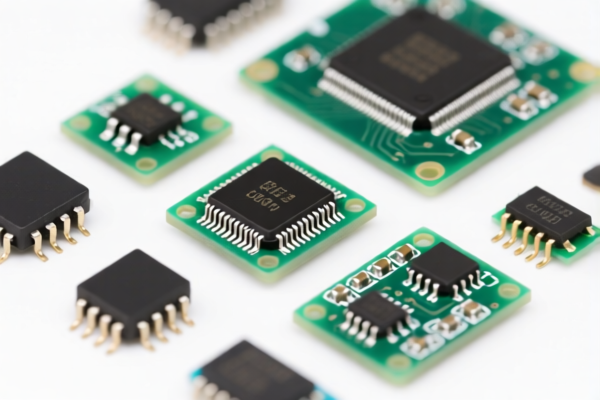
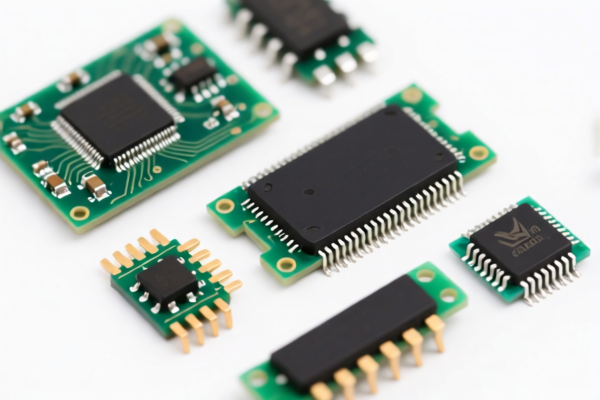
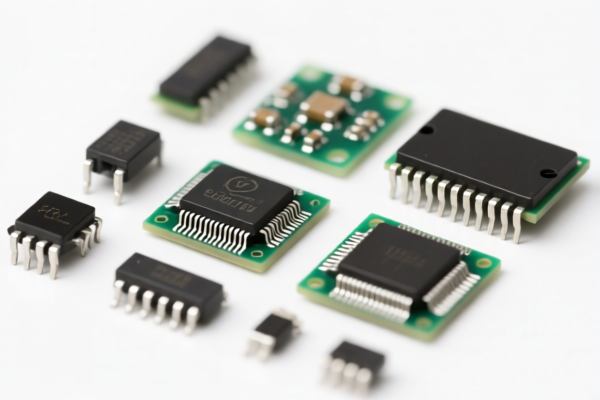
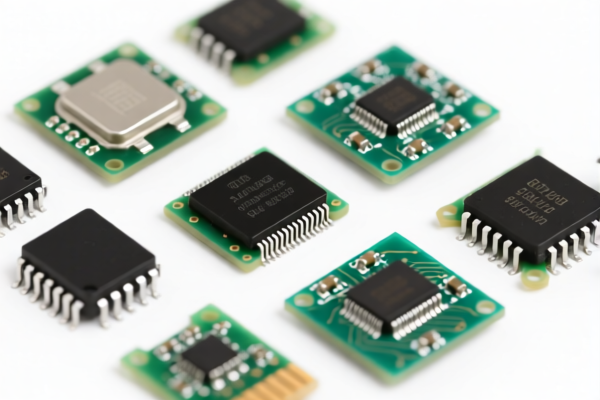
AI分析
⚡ Insulated Electrical Components: HS Code Classification & Duty Breakdown (2026 Update)
🌐 HS Code Reference & Customs Clearance Guide | The Ultimate Tariff Analysis for Insulators
📌 I. Product Definition: What Exactly Are "Insulated Electrical Components"?
Insulated electrical components are critical parts used to prevent the flow of electric current to unintended paths, ensuring safety and functionality in electrical systems. In international trade, these are not a single product but a category of materials and parts differentiated primarily by material composition (Ceramic, Plastic, Other Insulating Materials) and specific application (Insulators vs. General Insulating Parts).
The key to correct classification lies in identifying the primary material: * Ceramic Insulators: Typically used for high-voltage support or line insulators. * Plastic/Polymer Insulators: Used for lower voltage applications, bushings, or general insulation. * Other Insulating Parts: Includes mica, glass, or composite materials not specifically classified elsewhere.
⚠️ Critical Distinction Point:
- If the part is specifically designed as a line insulator (often ceramic or glass) → Look at Chapter 8546.
- If the part is a general insulating component (bushings, washers, sleeves) made of plastic or other materials → Look at Chapter 8547 or Chapter 3926.
- Do not confuse with finished electrical appliances; these are parts/components only.
📦 II. Detailed HS Code Classification Matrix (Based on Provided Data)
| HS Code | Product Description | Primary Material | Key Characteristics | Total Duty Rate |
|---|---|---|---|---|
| 8547.90.00.10 | Other Insulating Fittings for Electrical Machines/Equipments | Unknown/Other Insulating Material | General purpose electrical insulation parts | 89.6% |
| 8546.20.00.90 | Other Ceramic Insulators | Ceramic | Ceramic electrical insulators (e.g., bushings, supports) | 38.0% |
| 8547.20.00.00 | Insulating Fittings Made of Plastics | Plastic | Plastic insulating fittings, bushings, sleeves | 35.0% |
| 8546.90.00.00 | Other Electrical Insulators | Other Material | Insulators made of materials other than ceramic or glass (e.g., composite) | 35.0% |
| 3926.90.99.87 | Other Articles of Plastics | Plastic | Plastic electrical parts not specifically classified in 8547/8546 (general plastic goods) | 22.8% |
🔍 Classification Logic:
- 8546 is primarily for Insulators (specifically ceramic, glass, or other specific insulating materials used in electrical lines/equipment).
- 8547 is for Insulating Fittings/Parts (bushings, cleats, supports, etc.) made of insulating materials other than the specific insulators in 8546.
- 3926 is a "catch-all" for plastic articles if they don't fit the specific electrical insulation definitions of 8546/8547, but electrical insulation usually takes precedence in Chapter 85. Note: The data shows 3926 has a lower duty, suggesting a specific niche or misclassification risk if not careful.
💰 III. 2026 Tariff Rate Breakdown (Detailed Analysis)
✅ Applicable Region: United States (US)
✅ Origin: China (CN) (Implied by "Section 301" and "122 Tariff" references in data)
✅ Effective Date: Current as of 2026
🎯 1. 8547.90.00.10 – Insulating Parts (Other)
- Base Duty: 4.6%
- Section 301 Duty: +25.0%
- Section 122 Duty: +50.0% (Steel, Aluminum, Copper products - Note: This high rate suggests this HS code might include metal components or be misclassified for pure insulation)
- Total Duty: 89.6%
- ⚠️ Warning: This is the highest duty rate. It likely applies to composite parts or those with metallic components that trigger Section 122.
🎯 2. 8546.20.00.90 – Ceramic Insulators
- Base Duty: 3.0%
- Section 301 Duty: +25.0%
- Section 122 Duty: +10.0% (Ceramics may fall under specific 122 provisions or are exempt from the 50% steel/aluminum rate but still face a 10% surcharge)
- Total Duty: 38.0%
- Analysis: Standard ceramic insulators face moderate-to-high duties.
🎯 3. 8547.20.00.00 – Plastic Insulating Fittings
- Base Duty: 0.0%
- Section 301 Duty: +25.0%
- Section 122 Duty: +10.0%
- Total Duty: 35.0%
- Analysis: Base duty is 0%, but Section 301 makes it expensive. Plastic insulators are common in low-voltage applications.
🎯 4. 8546.90.00.00 – Other Insulators
- Base Duty: 0.0%
- Section 301 Duty: +25.0%
- Section 122 Duty: +10.0%
- Total Duty: 35.0%
- Analysis: Applies to insulators not made of ceramic (e.g., composite polymer insulators).
🎯 5. 3926.90.99.87 – Other Plastic Articles (Electrical Use?)
- Base Duty: 5.3%
- Section 301 Duty: +7.5% (Note: Lower Section 301 rate? Or different classification path)
- Section 122 Duty: +10.0%
- Total Duty: 22.8%
- ⚠️ Strategy Alert: This is the lowest duty rate. However, it is under Chapter 39 (Plastics). Risk: If CBP determines these are specifically electrical insulating fittings, they should be in 8547 (35% duty). Using 3926 might be considered misclassification unless the product is a general plastic part with incidental electrical use.
🛠️ IV. Customs Clearance Practical Advice
✅ 1. Documentation Requirements
| Document | Required? | Purpose |
|---|---|---|
| Product Specification Sheet | ✔️ Mandatory | To prove material (Ceramic vs. Plastic) and function (Insulator vs. General Part). |
| Certificate of Origin (CO) | ✔️ Mandatory | For Section 301 and 122 duty applicability. |
| Commercial Invoice | ✔️ Mandatory | Must clearly state "Insulating Fitting" or "Ceramic Insulator". |
| Material Safety Data Sheet (MSDS) | If applicable | For chemical composition verification. |
| Photos of Product | ✔️ Recommended | To visually confirm shape, material, and absence of complex electronic components. |
✅ 2. Declaration Strategy
🔥 "Material Defines Code, Function Defines Chapter!"
| Scenario | Recommended HS Code | Reason |
|---|---|---|
| Ceramic Insulator (e.g., for power lines) | 8546.20.00.90 |
Specific heading for ceramic insulators. |
| Plastic Bushing/Sleeve (for electrical equipment) | 8547.20.00.00 |
Specific heading for plastic insulating fittings. |
| Composite Insulator (non-ceramic) | 8546.90.00.00 |
Falls under "Other insulators". |
| General Plastic Part (not primarily electrical insulation) | 3926.90.99.87 |
Only if NOT primarily an electrical insulating part. |
| Part with Metal Core/Components | 8547.90.00.10 |
Triggers higher Section 122 duties. |
✅ 3. Risk Mitigation
- Section 122 (Steel/Aluminum/Copper) Trap: If your insulating part has a metal threaded rod or mounting bracket, CBP may classify it under 8547.90.00.10, triggering the 50% Section 122 duty.
- Solution: Ensure the metal component is minor and not the primary characteristic, or structure the product to minimize metal content.
- Misclassification Risk (8547 vs. 3926): Using
3926.90.99.87for electrical insulators saves 12.2% in duty but risks penalties if CBP deems it an electrical part.- Solution: Only use 3926 for general plastic electrical accessories (e.g., cable ties, non-insulating clips). For insulation, stick to 8546/8547.
🌍 V. Global Market Comparison (Brief)
| Market | Typical HS Code | Base Duty | Section 301 Equivalent | Total Est. Duty |
|---|---|---|---|---|
| 🇺🇸 USA | 8546/8547/3926 | 0-5.3% | +25% to +50% | 22.8% - 89.6% |
| 🇨🇳 China (Export) | 8546/8547 | 0-5% | N/A | Low |
| 🇪🇺 EU | 8546/8547 | 0-4% | N/A | Low |
📌 Conclusion: The US market is the most challenging due to叠加 Section 301 and Section 122 duties. Cost optimization must focus on accurate classification to avoid the 50% Section 122 rate.
📌 VI. Common Mistakes & Pitfalls
❌ Mistake 1: Classifying Ceramic Insulators as "Plastic Articles" (3926)
👉 Result: CBP rejects classification, applies 8546 duties (38%) + penalties.
❌ Mistake 2: Ignoring Section 122 on parts with metal components
👉 Result: Unexpected 50% duty spike on 8547.90.00.10.
❌ Mistake 3: Using vague descriptions like "Electrical Part"
👉 Result: Customs hold for classification review, delaying shipment.
👉 Fix: Use specific terms: "Ceramic Line Insulator", "Plastic Insulating Bushing".
✅ Best Practice:
"Specify Material + Function + Application"
Example: "Ceramic Electrical Insulator for High Voltage Lines, Model XYZ"
🎯 VII. Final Recommendation
- Audit Your Product: Is it Ceramic, Plastic, or Other? Does it have metal parts?
- Select HS Code Wisely:
- Ceramic Insulator →
8546.20.00.90(38%) - Plastic Insulating Fitting →
8547.20.00.00(35%) - Composite Insulator →
8546.90.00.00(35%) - General Plastic Part (Non-insulating) →
3926.90.99.87(22.8%)
- Ceramic Insulator →
- Avoid 8547.90.00.10 unless necessary, due to the 50% Section 122 duty.
- Document Everything: Keep specs and photos ready for CBP verification.
✨ Stay Compliant, Stay Competitive!
💼 Accurate HS Code = Lower Duties = Higher Profit!
用户评价
关于 HS 编码归类
协调制度(HS)是由世界海关组织(WCO)制定的国际贸易商品分类标准。全球 200 多个国家采用 HS 系统作为海关关税、贸易统计和进出口监管的基础。
每个 HS 编码遵循以下层级结构:
- 章(2 位)——商品大类(例如:第 84 章:机器和机械设备)
- 品目(4 位)——章内的更具体分类
- 子目(6 位)——国际通用细分,所有 WCO 成员国统一使用
- 本国细分(8-10 位)——各国自行扩展的细分编码,如美国 HTSUS 10 位编码
正确的 HS 编码归类对于顺利通关、准确缴纳关税和遵守贸易法规至关重要。错误归类可能导致海关延误、多缴关税或罚款。
从CN进口到US时,适用的关税税率可能包括:
- 最惠国(MFN)税率——适用于 WTO 成员国的标准关税税率
- 普通税率——适用于无贸易协定国家
- 贸易救济关税——附加关税,如 301 条款(反倾销)、232 条款(国家安全)或反补贴税
本页内容仅供参考。如需正式归类,请咨询当地海关或持牌报关代理。