Insulated Electrical Components
CN → US| HS Code | Tariff Rate | Origin | Destination | Doc |
|---|---|---|---|---|
| 8547900010 | 89.6% | CN | US | Official Doc |
| 8546200090 | 38.0% | CN | US | Official Doc |
| 8547200000 | 35.0% | CN | US | Official Doc |
| 8546900000 | 35.0% | CN | US | Official Doc |
| 3926909987 | 22.8% | CN | US | Official Doc |
Product Images
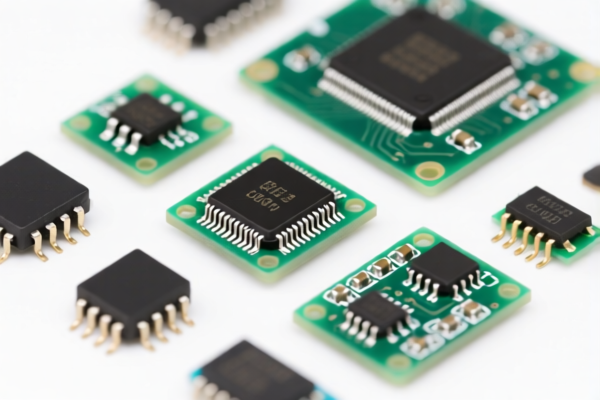
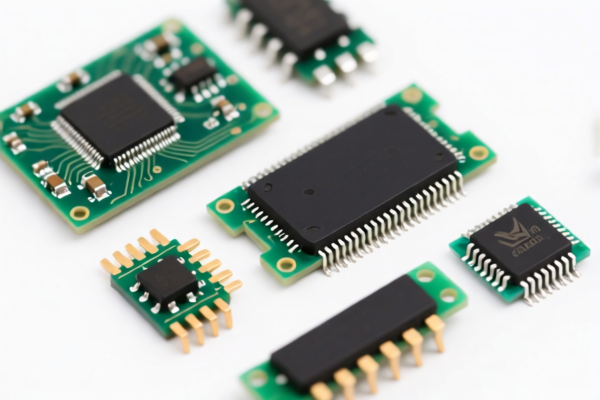
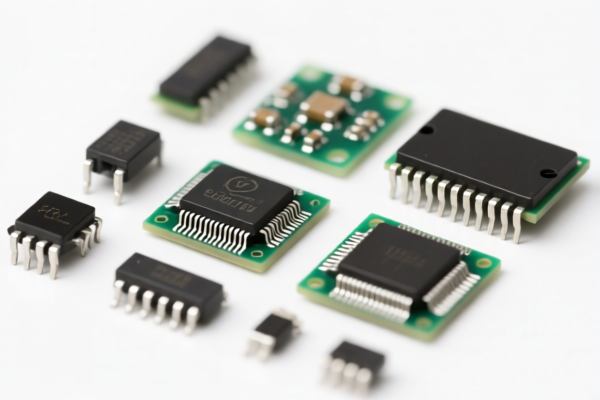
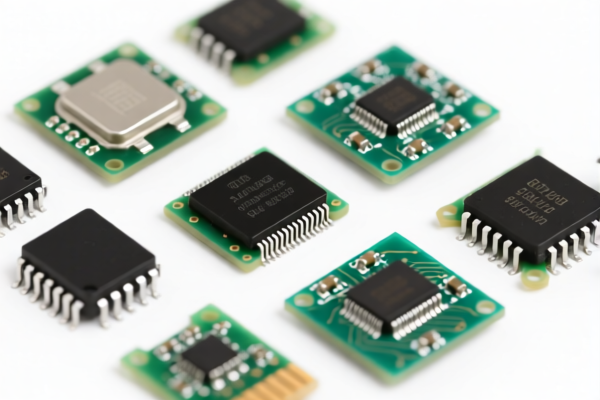
AI Analysis
⚡ Insulated Electrical Components: HS Code Classification & Duty Breakdown (2026 Update)
🌐 HS Code Reference & Customs Clearance Guide | The Ultimate Tariff Analysis for Insulators
📌 I. Product Definition: What Exactly Are "Insulated Electrical Components"?
Insulated electrical components are critical parts used to prevent the flow of electric current to unintended paths, ensuring safety and functionality in electrical systems. In international trade, these are not a single product but a category of materials and parts differentiated primarily by material composition (Ceramic, Plastic, Other Insulating Materials) and specific application (Insulators vs. General Insulating Parts).
The key to correct classification lies in identifying the primary material: * Ceramic Insulators: Typically used for high-voltage support or line insulators. * Plastic/Polymer Insulators: Used for lower voltage applications, bushings, or general insulation. * Other Insulating Parts: Includes mica, glass, or composite materials not specifically classified elsewhere.
⚠️ Critical Distinction Point:
- If the part is specifically designed as a line insulator (often ceramic or glass) → Look at Chapter 8546.
- If the part is a general insulating component (bushings, washers, sleeves) made of plastic or other materials → Look at Chapter 8547 or Chapter 3926.
- Do not confuse with finished electrical appliances; these are parts/components only.
📦 II. Detailed HS Code Classification Matrix (Based on Provided Data)
| HS Code | Product Description | Primary Material | Key Characteristics | Total Duty Rate |
|---|---|---|---|---|
| 8547.90.00.10 | Other Insulating Fittings for Electrical Machines/Equipments | Unknown/Other Insulating Material | General purpose electrical insulation parts | 89.6% |
| 8546.20.00.90 | Other Ceramic Insulators | Ceramic | Ceramic electrical insulators (e.g., bushings, supports) | 38.0% |
| 8547.20.00.00 | Insulating Fittings Made of Plastics | Plastic | Plastic insulating fittings, bushings, sleeves | 35.0% |
| 8546.90.00.00 | Other Electrical Insulators | Other Material | Insulators made of materials other than ceramic or glass (e.g., composite) | 35.0% |
| 3926.90.99.87 | Other Articles of Plastics | Plastic | Plastic electrical parts not specifically classified in 8547/8546 (general plastic goods) | 22.8% |
🔍 Classification Logic:
- 8546 is primarily for Insulators (specifically ceramic, glass, or other specific insulating materials used in electrical lines/equipment).
- 8547 is for Insulating Fittings/Parts (bushings, cleats, supports, etc.) made of insulating materials other than the specific insulators in 8546.
- 3926 is a "catch-all" for plastic articles if they don't fit the specific electrical insulation definitions of 8546/8547, but electrical insulation usually takes precedence in Chapter 85. Note: The data shows 3926 has a lower duty, suggesting a specific niche or misclassification risk if not careful.
💰 III. 2026 Tariff Rate Breakdown (Detailed Analysis)
✅ Applicable Region: United States (US)
✅ Origin: China (CN) (Implied by "Section 301" and "122 Tariff" references in data)
✅ Effective Date: Current as of 2026
🎯 1. 8547.90.00.10 – Insulating Parts (Other)
- Base Duty: 4.6%
- Section 301 Duty: +25.0%
- Section 122 Duty: +50.0% (Steel, Aluminum, Copper products - Note: This high rate suggests this HS code might include metal components or be misclassified for pure insulation)
- Total Duty: 89.6%
- ⚠️ Warning: This is the highest duty rate. It likely applies to composite parts or those with metallic components that trigger Section 122.
🎯 2. 8546.20.00.90 – Ceramic Insulators
- Base Duty: 3.0%
- Section 301 Duty: +25.0%
- Section 122 Duty: +10.0% (Ceramics may fall under specific 122 provisions or are exempt from the 50% steel/aluminum rate but still face a 10% surcharge)
- Total Duty: 38.0%
- Analysis: Standard ceramic insulators face moderate-to-high duties.
🎯 3. 8547.20.00.00 – Plastic Insulating Fittings
- Base Duty: 0.0%
- Section 301 Duty: +25.0%
- Section 122 Duty: +10.0%
- Total Duty: 35.0%
- Analysis: Base duty is 0%, but Section 301 makes it expensive. Plastic insulators are common in low-voltage applications.
🎯 4. 8546.90.00.00 – Other Insulators
- Base Duty: 0.0%
- Section 301 Duty: +25.0%
- Section 122 Duty: +10.0%
- Total Duty: 35.0%
- Analysis: Applies to insulators not made of ceramic (e.g., composite polymer insulators).
🎯 5. 3926.90.99.87 – Other Plastic Articles (Electrical Use?)
- Base Duty: 5.3%
- Section 301 Duty: +7.5% (Note: Lower Section 301 rate? Or different classification path)
- Section 122 Duty: +10.0%
- Total Duty: 22.8%
- ⚠️ Strategy Alert: This is the lowest duty rate. However, it is under Chapter 39 (Plastics). Risk: If CBP determines these are specifically electrical insulating fittings, they should be in 8547 (35% duty). Using 3926 might be considered misclassification unless the product is a general plastic part with incidental electrical use.
🛠️ IV. Customs Clearance Practical Advice
✅ 1. Documentation Requirements
| Document | Required? | Purpose |
|---|---|---|
| Product Specification Sheet | ✔️ Mandatory | To prove material (Ceramic vs. Plastic) and function (Insulator vs. General Part). |
| Certificate of Origin (CO) | ✔️ Mandatory | For Section 301 and 122 duty applicability. |
| Commercial Invoice | ✔️ Mandatory | Must clearly state "Insulating Fitting" or "Ceramic Insulator". |
| Material Safety Data Sheet (MSDS) | If applicable | For chemical composition verification. |
| Photos of Product | ✔️ Recommended | To visually confirm shape, material, and absence of complex electronic components. |
✅ 2. Declaration Strategy
🔥 "Material Defines Code, Function Defines Chapter!"
| Scenario | Recommended HS Code | Reason |
|---|---|---|
| Ceramic Insulator (e.g., for power lines) | 8546.20.00.90 |
Specific heading for ceramic insulators. |
| Plastic Bushing/Sleeve (for electrical equipment) | 8547.20.00.00 |
Specific heading for plastic insulating fittings. |
| Composite Insulator (non-ceramic) | 8546.90.00.00 |
Falls under "Other insulators". |
| General Plastic Part (not primarily electrical insulation) | 3926.90.99.87 |
Only if NOT primarily an electrical insulating part. |
| Part with Metal Core/Components | 8547.90.00.10 |
Triggers higher Section 122 duties. |
✅ 3. Risk Mitigation
- Section 122 (Steel/Aluminum/Copper) Trap: If your insulating part has a metal threaded rod or mounting bracket, CBP may classify it under 8547.90.00.10, triggering the 50% Section 122 duty.
- Solution: Ensure the metal component is minor and not the primary characteristic, or structure the product to minimize metal content.
- Misclassification Risk (8547 vs. 3926): Using
3926.90.99.87for electrical insulators saves 12.2% in duty but risks penalties if CBP deems it an electrical part.- Solution: Only use 3926 for general plastic electrical accessories (e.g., cable ties, non-insulating clips). For insulation, stick to 8546/8547.
🌍 V. Global Market Comparison (Brief)
| Market | Typical HS Code | Base Duty | Section 301 Equivalent | Total Est. Duty |
|---|---|---|---|---|
| 🇺🇸 USA | 8546/8547/3926 | 0-5.3% | +25% to +50% | 22.8% - 89.6% |
| 🇨🇳 China (Export) | 8546/8547 | 0-5% | N/A | Low |
| 🇪🇺 EU | 8546/8547 | 0-4% | N/A | Low |
📌 Conclusion: The US market is the most challenging due to叠加 Section 301 and Section 122 duties. Cost optimization must focus on accurate classification to avoid the 50% Section 122 rate.
📌 VI. Common Mistakes & Pitfalls
❌ Mistake 1: Classifying Ceramic Insulators as "Plastic Articles" (3926)
👉 Result: CBP rejects classification, applies 8546 duties (38%) + penalties.
❌ Mistake 2: Ignoring Section 122 on parts with metal components
👉 Result: Unexpected 50% duty spike on 8547.90.00.10.
❌ Mistake 3: Using vague descriptions like "Electrical Part"
👉 Result: Customs hold for classification review, delaying shipment.
👉 Fix: Use specific terms: "Ceramic Line Insulator", "Plastic Insulating Bushing".
✅ Best Practice:
"Specify Material + Function + Application"
Example: "Ceramic Electrical Insulator for High Voltage Lines, Model XYZ"
🎯 VII. Final Recommendation
- Audit Your Product: Is it Ceramic, Plastic, or Other? Does it have metal parts?
- Select HS Code Wisely:
- Ceramic Insulator →
8546.20.00.90(38%) - Plastic Insulating Fitting →
8547.20.00.00(35%) - Composite Insulator →
8546.90.00.00(35%) - General Plastic Part (Non-insulating) →
3926.90.99.87(22.8%)
- Ceramic Insulator →
- Avoid 8547.90.00.10 unless necessary, due to the 50% Section 122 duty.
- Document Everything: Keep specs and photos ready for CBP verification.
✨ Stay Compliant, Stay Competitive!
💼 Accurate HS Code = Lower Duties = Higher Profit!
Customer Reviews
About HS Code Classification
The Harmonized System (HS) is an internationally standardized nomenclature developed by the World Customs Organization (WCO) to classify traded products. Over 200 countries use the HS system as the basis for customs tariffs, trade statistics, and import/export regulations.
Each HS code follows a hierarchical structure:
- Chapter (2 digits) — Broad category of goods (e.g., Chapter 84: Machinery and Mechanical Appliances)
- Heading (4 digits) — More specific grouping within the chapter
- Subheading (6 digits) — Internationally standardized breakdown, used by all WCO member countries
- National subdivisions (8-10 digits) — Country-specific extensions for further classification, such as US HTSUS 10-digit codes
Correct HS code classification is essential for smooth customs clearance, accurate duty payment, and compliance with trade regulations. Misclassification can lead to customs delays, overpayment of duties, or penalties.
When importing from CN to US, the applicable tariff rates may include:
- Most-Favored-Nation (MFN) rate — The standard duty rate applied to WTO members
- General rate — Applied to countries without trade agreements
- Trade remedy duties — Additional tariffs such as Section 301 (anti-dumping), Section 232 (national security), or countervailing duties
The information provided on this page is for reference purposes only. For official classification, please consult with your local customs authority or a licensed customs broker.