Insulation Tape
CN → US| HS编码 | 关税税率 | 原产国 | 目的国 | 文档 |
|---|---|---|---|---|
| 3926909989 | 22.8% | CN | US | 官方文档 |
| 3919905030 | 40.8% | CN | US | 官方文档 |
| 3919102020 | 40.8% | CN | US | 官方文档 |
| 3926904590 | 38.5% | CN | US | 官方文档 |
| 8547900010 | 89.6% | CN | US | 官方文档 |
商品图片
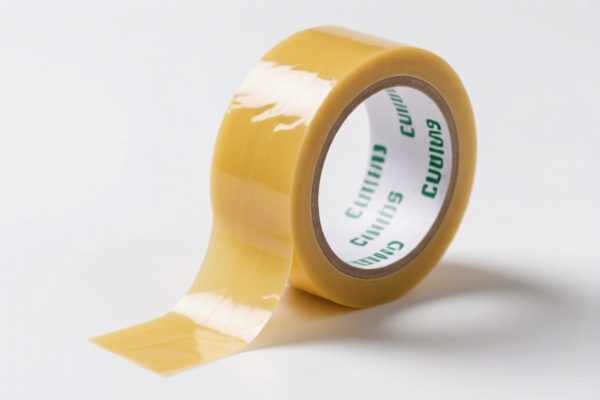
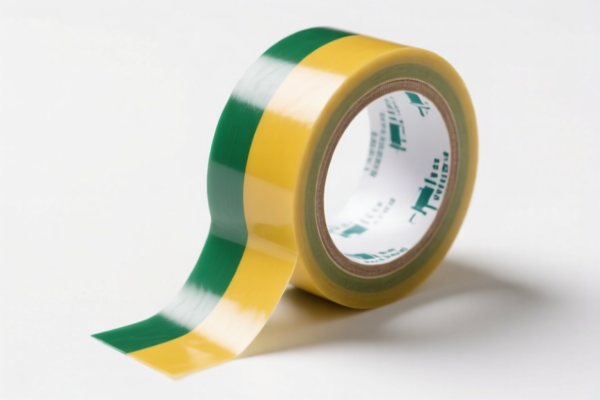
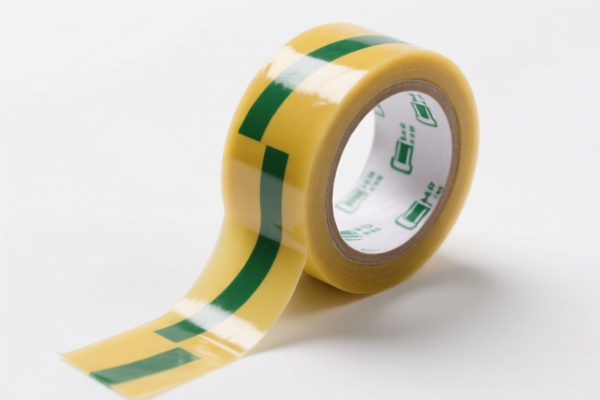
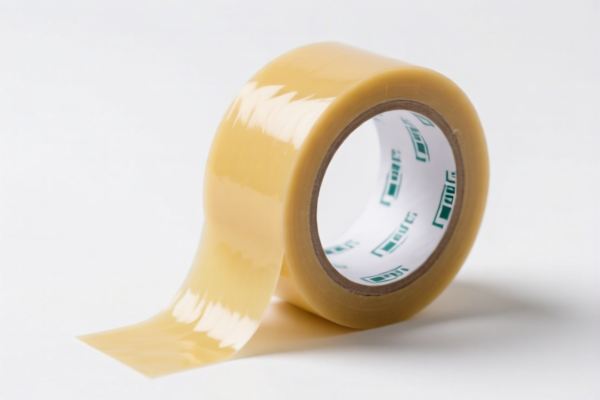
AI分析
🎗️ Insulation Tape (Electrical Insulation Tape)
🌐 HS Code Reference & Customs Clearance Guide | 2026 Latest Tariff Analysis | Professional Clearance Strategy
📌 1. Product Definition & Classification: What Exactly is "Insulation Tape"?
Insulation tape is a flexible dielectric material used to protect electrical wires and cables from short circuits, moisture, and physical damage. In international trade, its classification is critical because material composition and end-use drastically alter the HS Code and tax liability.
⚠️ Key Distinction Points:
- Raw/General Plastic Sheets/Films: If not self-adhesive or not specifically for electrical use, it may fall under general plastic articles (3926).
- Self-Adhesive Rolls: If it has an adhesive backing and is rolled, it likely falls under 3919 (Plastic sheets, film, etc., with adhesive).
- Electrical Accessories: If part of a larger assembly or specifically designated as an "accessory" for automotive/electrical systems, it may be classified under 8547.
📦 2. HS Code Classification Details (Based on Provided Data)
| HS Code | Product Description | Applicable Scenario | Total Tax Rate |
|---|---|---|---|
3926.90.99.89 |
Plastic articles, other (Matches insulating tape material characteristics) | General plastic insulating tape, non-self-adhesive or non-specific roll form | 22.8% |
3919.90.50.30 |
Plastic self-adhesive tape, matches electrical insulation use | Self-adhesive electrical tape, specific sub-category for insulation | 40.8% |
3919.10.20.20 |
Plastic self-adhesive tape, matches electrical tape definition | Standard PVC electrical insulation tape, self-adhesive roll | 40.8% |
3926.90.45.90 |
Other plastic products, matches insulating tape form | Plastic insulation tape not classified as self-adhesive roll | 38.5% |
8547.90.00.10 |
Insulating accessories, matches automotive insulating tape use | Tape specifically for automotive electrical systems or as an accessory component | 89.6% |
🔍 Critical Reminder:
- Self-Adhesive vs. Non-Adhesive: If the tape has an adhesive backing, it is more likely to fall under 3919. If it is a raw plastic film or sheet used for insulation, it may fall under 3926.
- End-Use Matters: If the tape is specifically marketed and used as an "accessory" for automotive electrical systems, customs may classify it under 8547, which carries a significantly higher tax burden.
- Material Matters: All these codes specify "Plastic" (Plastics). If the tape is made of rubber, textile, or other materials, different HS codes apply (not covered in this data).
💰 3. 2026 Latest Tariff Rate Breakdown (Including Additional Taxes)
✅ Applicable Country: United States (US)
✅ Origin: China (CN)
✅ Effective Date: From November 10, 2025 (including subsequent imports)
🎯 1. 3926.90.99.89 —— Plastic Articles, Other (Matches Insulating Tape Material)
| Item | Content |
|---|---|
| Base Tariff | 5.3% (Ad Valorem) |
| Section 301 Surcharge | +7.5% |
| Section 122 Surcharge | +10% |
| Total Rate | 22.8% |
| Tax Calculation | CIF Value × 22.8% |
| De Minimis Exemption | ❌ Not Eligible (Deny De Minimis) |
| Legal Basis | Base: 5.3% + Section 301: 7.5% + Section 122: 10% |
📌 Explanation:
- This code has the lowest tax burden among the options provided.
- It applies when the tape is viewed primarily as a general plastic article rather than a specific self-adhesive roll or electrical accessory.
- The 7.5% surcharge is specific to certain 3926 sub-headings under current trade policies.
🎯 2. 3919.90.50.30 & 3919.10.20.20 —— Plastic Self-Adhesive Tape (Electrical Insulation)
| Item | Content |
|---|---|
| Base Tariff | 5.8% (Ad Valorem) |
| Section 301 Surcharge | +25.0% |
| Section 122 Surcharge | +10% |
| Total Rate | 40.8% |
| Tax Calculation | CIF Value × 40.8% |
| De Minimis Exemption | ❌ Not Eligible (Deny De Minimis) |
| Legal Basis | Base: 5.8% + Section 301: 25.0% + Section 122: 10% |
📌 Explanation:
- High Tax Liability: This is the most common classification for standard PVC electrical tape.
- The 25% Section 301 surcharge is the standard high rate for many plastic products from China.
- Both3919.90.50.30and3919.10.20.20result in the same total tax rate, so the choice between them depends on precise product specifications (e.g., width, core type, specific adhesive formulation).
🎯 3. 3926.90.45.90 —— Other Plastic Products (Matches Insulating Tape Form)
| Item | Content |
|---|---|
| Base Tariff | 3.5% (Ad Valorem) |
| Section 301 Surcharge | +25.0% |
| Section 122 Surcharge | +10% |
| Total Rate | 38.5% |
| Tax Calculation | CIF Value × 38.5% |
| De Minimis Exemption | ❌ Not Eligible (Deny De Minimis) |
| Legal Basis | Base: 3.5% + Section 301: 25.0% + Section 122: 10% |
📌 Explanation:
- Slightly lower than the self-adhesive tape codes due to a lower base tariff (3.5% vs. 5.8%).
- Useful if the product can be argued as a "general plastic item" rather than a "self-adhesive roll."
🎯 4. 8547.90.00.10 —— Insulating Accessories (Automotive Use)
| Item | Content |
|---|---|
| Base Tariff | 4.6% (Ad Valorem) |
| Section 301 Surcharge | +25.0% |
| Section 122 Surcharge | +10% |
| Steel/Aluminum/Copper Surcharge | +50% (Note: Only applies if the product contains significant steel/aluminum/copper components, which is rare for tape. However, the data notes this surcharge. For pure tape, the 25% Section 301 likely applies. The 89.6% total suggests the 50% steel/aluminum/copper surcharge was applied in the source data, which is unusual for standard tape. Please verify product composition.) |
| Total Rate | 89.6% |
| Tax Calculation | CIF Value × 89.6% |
| De Minimis Exemption | ❌ Not Eligible (Deny De Minimis) |
| Legal Basis | Base: 4.6% + Section 301: 25.0% + Section 122: 10% + Steel/Aluminum/Copper: 50% |
📌 Warning:
- Extremely High Tax: This is the most expensive classification.
- Risk: Only use this if the tape is specifically designed as an accessory for automotive electrical systems AND contains metallic components that trigger the 50% surcharge. For standard PVC tape, this classification is likely incorrect and overly punitive.
🛠️ 4. Customs Clearance Practical Advice (Avoiding Pitfalls)
✅ 1. Documentation Checklist (Essential)
| Document | Must Provide | Notes |
|---|---|---|
| ✅ Product Spec Sheet | ✔️ | Detail material (PVC, rubber, etc.), thickness, width, adhesive type, voltage rating. |
| ✅ Product Photos | ✔️ | Clear images of the tape, core, label, and packaging. |
| ✅ Commercial Invoice | ✔️ | Describe as "Plastic Insulating Tape" or "Electrical Insulation Tape." Avoid vague terms like "Adhesive Tape." |
| ✅ HS Code Justification | ✔️ | Provide reasoning for chosen HS code (e.g., "Self-adhesive PVC roll for electrical insulation"). |
| ✅ Certificate of Origin | ✔️ | Required for duty calculations. |
| ✅ Packaging List | ✔️ | Show net/gross weight, number of rolls. |
✅ 2. Declaration Tips (Key Mnemonic)
🔥 "Material Defines Code, Use Defines Rate. Self-Adhesive = 3919, General Plastic = 3926, Accessory = 8547."
| Scenario | Correct Declaration | Incorrect Declaration |
|---|---|---|
| Standard PVC Electrical Tape (Self-Adhesive Roll) | 3919.10.20.20 or 3919.90.50.30 |
3926.90.99.89 (Too low tax, high audit risk) |
| Raw Plastic Insulation Film (No Adhesive) | 3926.90.99.89 |
3919... (Incorrect, not self-adhesive) |
| Tape as Part of Automotive Wiring Harness | 8547.90.00.10 |
3919... (If misclassified, may face higher tax or penalties if deemed accessory) |
| Non-Electrical Adhesive Tape (e.g., Packaging) | Different HS Code (Not in this list) | 3919... (Do not use electrical tape codes for packaging tape) |
✅ 3. Special Considerations
| Situation | Advice |
|---|---|
| OEM Custom Tape | Provide design specs to prove it meets "electrical insulation" standards. |
| Multiple Rolls in One Package | Declare as a single unit if packed together for sale. |
| Mixed Shipments | Do not mix electrical tape with non-electrical adhesive tape in one declaration unless clearly separated. |
| Section 122 Impact | Remember the 10% Section 122 surcharge applies to all these codes. Factor this into cost calculations. |
🌍 5. Global Market Comparison (2026)
| Country/Region | Recommended HS Code (for Electrical Tape) | Estimated Total Tax (China Origin) | Notes |
|---|---|---|---|
| 🇺🇸 USA | 3919.10.20.20 / 3919.90.50.30 |
40.8% | High due to Section 301 + 122. 3926 options offer 22.8%-38.5%. |
| 🇨🇳 China | 3919.10.20.20 |
~5-7% | Standard MFN rate + minimal surcharges. |
| 🇪🇺 EU | 3919.10.00 |
4.7% | Standard EU duty + VAT. No Section 301/122. |
| 🇬🇧 UK | 3919.10.00 |
4.7% | Post-Brexit tariffs. |
| 🇨🇦 Canada | 3919.10.00 |
5.25% | Low tariffs for many plastic products. |
📌 Conclusion:
- The US market is the most challenging due to high cumulative tariffs.
- Cost Optimization: If possible, and if product specs allow, classify under 3926.90.99.89 (22.8%) instead of 3919 (40.8%) to save significant duty costs. However, this must be defensible based on product characteristics (e.g., lack of self-adhesive properties or different form factor).
📌 6. Common Mistakes & Pitfalls (Lessons Learned)
❌ Mistake 1: Classifying all adhesive tape as 3919
👉 Consequence: If the tape is not self-adhesive, this is a misclassification, leading to penalties or audits.
👉 Solution: Verify adhesive presence. If none, consider 3926.
❌ Mistake 2: Using 8547 for standard electrical tape
👉 Consequence: Paying 89.6% tax instead of ~22-40%.
👉 Solution: Reserve 8547 for specific "accessories" with metallic components or specific automotive integration.
❌ Mistake 3: Ignoring Section 122
👉 Consequence: Underestimating landed cost.
👉 Solution: Always add 10% for Section 122 to the calculated duty.
❌ Mistake 4: Vague Description "Tape"
👉 Consequence: Customs detention for further inspection.
👉 Solution: Use specific descriptions: "PVC Self-Adhesive Electrical Insulation Tape, Black, 19mm x 20m."
✅ Best Practice:
"Be Specific: Material, Form, Use. Self-Adhesive Roll? Think 3919. General Plastic Article? Think 3926. Accessory? Think 8547."
🎯 7. Conclusion: Smart Classification, Lower Costs, Faster Clearance!
🎯 Remember the Mnemonic:
🔹 "Adhesive = 3919 (40.8%), General Plastic = 3926 (22.8%-38.5%), Accessory = 8547 (89.6%)."
🔹 "Check Adhesive, Check Use, Check Metal Content. Get it Right, Save 20%+."
📌 Pro Tip:
If you are importing large volumes, consider Applying for an Advance Ruling from US Customs to confirm the correct HS Code (
3919vs.3926) and avoid post-clearance audits.
Evaluate if product modifications (e.g., changing adhesive type or form factor) allow for classification under the lower-tax3926.90.99.89code.
📣 Action Required:
📞 Consult with a licensed customs broker.
📄 Provide product samples and detailed specifications.
🚀 Optimize your HS Code selection to minimize duty costs while ensuring compliance.
✨ Precision in Classification is Key to Profitability!
💼 Every Percent of Duty Saved is Pure Profit!
用户评价
关于 HS 编码归类
协调制度(HS)是由世界海关组织(WCO)制定的国际贸易商品分类标准。全球 200 多个国家采用 HS 系统作为海关关税、贸易统计和进出口监管的基础。
每个 HS 编码遵循以下层级结构:
- 章(2 位)——商品大类(例如:第 84 章:机器和机械设备)
- 品目(4 位)——章内的更具体分类
- 子目(6 位)——国际通用细分,所有 WCO 成员国统一使用
- 本国细分(8-10 位)——各国自行扩展的细分编码,如美国 HTSUS 10 位编码
正确的 HS 编码归类对于顺利通关、准确缴纳关税和遵守贸易法规至关重要。错误归类可能导致海关延误、多缴关税或罚款。
从CN进口到US时,适用的关税税率可能包括:
- 最惠国(MFN)税率——适用于 WTO 成员国的标准关税税率
- 普通税率——适用于无贸易协定国家
- 贸易救济关税——附加关税,如 301 条款(反倾销)、232 条款(国家安全)或反补贴税
本页内容仅供参考。如需正式归类,请咨询当地海关或持牌报关代理。