Insulation Tape
CN → US| HS Code | Tariff Rate | Origin | Destination | Doc |
|---|---|---|---|---|
| 3926909989 | 22.8% | CN | US | Official Doc |
| 3919905030 | 40.8% | CN | US | Official Doc |
| 3919102020 | 40.8% | CN | US | Official Doc |
| 3926904590 | 38.5% | CN | US | Official Doc |
| 8547900010 | 89.6% | CN | US | Official Doc |
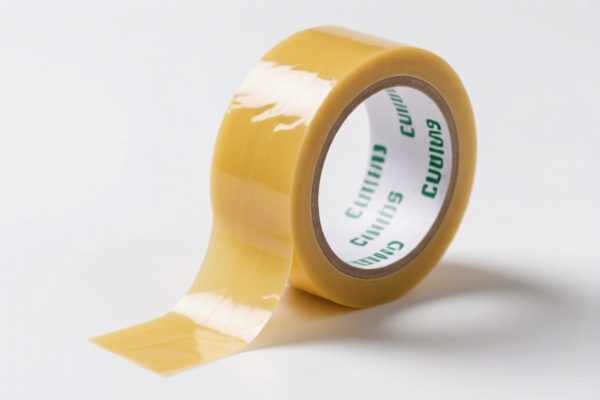
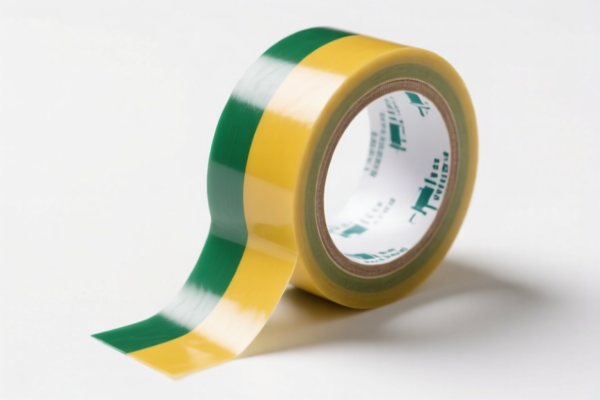
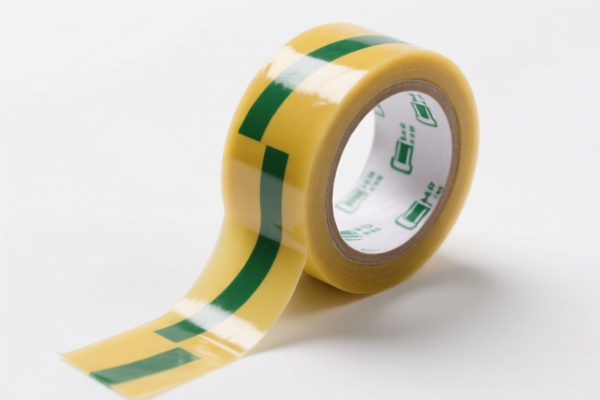
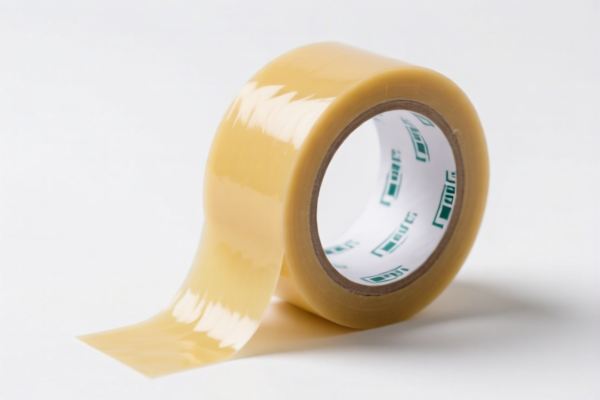
Product Images
AI Analysis
🎗️ Insulation Tape (Electrical Insulation Tape)
🌐 HS Code Reference & Customs Clearance Guide | 2026 Latest Tariff Analysis | Professional Clearance Strategy
📌 1. Product Definition & Classification: What Exactly is "Insulation Tape"?
Insulation tape is a flexible dielectric material used to protect electrical wires and cables from short circuits, moisture, and physical damage. In international trade, its classification is critical because material composition and end-use drastically alter the HS Code and tax liability.
⚠️ Key Distinction Points:
- Raw/General Plastic Sheets/Films: If not self-adhesive or not specifically for electrical use, it may fall under general plastic articles (3926).
- Self-Adhesive Rolls: If it has an adhesive backing and is rolled, it likely falls under 3919 (Plastic sheets, film, etc., with adhesive).
- Electrical Accessories: If part of a larger assembly or specifically designated as an "accessory" for automotive/electrical systems, it may be classified under 8547.
📦 2. HS Code Classification Details (Based on Provided Data)
| HS Code | Product Description | Applicable Scenario | Total Tax Rate |
|---|---|---|---|
3926.90.99.89 |
Plastic articles, other (Matches insulating tape material characteristics) | General plastic insulating tape, non-self-adhesive or non-specific roll form | 22.8% |
3919.90.50.30 |
Plastic self-adhesive tape, matches electrical insulation use | Self-adhesive electrical tape, specific sub-category for insulation | 40.8% |
3919.10.20.20 |
Plastic self-adhesive tape, matches electrical tape definition | Standard PVC electrical insulation tape, self-adhesive roll | 40.8% |
3926.90.45.90 |
Other plastic products, matches insulating tape form | Plastic insulation tape not classified as self-adhesive roll | 38.5% |
8547.90.00.10 |
Insulating accessories, matches automotive insulating tape use | Tape specifically for automotive electrical systems or as an accessory component | 89.6% |
🔍 Critical Reminder:
- Self-Adhesive vs. Non-Adhesive: If the tape has an adhesive backing, it is more likely to fall under 3919. If it is a raw plastic film or sheet used for insulation, it may fall under 3926.
- End-Use Matters: If the tape is specifically marketed and used as an "accessory" for automotive electrical systems, customs may classify it under 8547, which carries a significantly higher tax burden.
- Material Matters: All these codes specify "Plastic" (Plastics). If the tape is made of rubber, textile, or other materials, different HS codes apply (not covered in this data).
💰 3. 2026 Latest Tariff Rate Breakdown (Including Additional Taxes)
✅ Applicable Country: United States (US)
✅ Origin: China (CN)
✅ Effective Date: From November 10, 2025 (including subsequent imports)
🎯 1. 3926.90.99.89 —— Plastic Articles, Other (Matches Insulating Tape Material)
| Item | Content |
|---|---|
| Base Tariff | 5.3% (Ad Valorem) |
| Section 301 Surcharge | +7.5% |
| Section 122 Surcharge | +10% |
| Total Rate | 22.8% |
| Tax Calculation | CIF Value × 22.8% |
| De Minimis Exemption | ❌ Not Eligible (Deny De Minimis) |
| Legal Basis | Base: 5.3% + Section 301: 7.5% + Section 122: 10% |
📌 Explanation:
- This code has the lowest tax burden among the options provided.
- It applies when the tape is viewed primarily as a general plastic article rather than a specific self-adhesive roll or electrical accessory.
- The 7.5% surcharge is specific to certain 3926 sub-headings under current trade policies.
🎯 2. 3919.90.50.30 & 3919.10.20.20 —— Plastic Self-Adhesive Tape (Electrical Insulation)
| Item | Content |
|---|---|
| Base Tariff | 5.8% (Ad Valorem) |
| Section 301 Surcharge | +25.0% |
| Section 122 Surcharge | +10% |
| Total Rate | 40.8% |
| Tax Calculation | CIF Value × 40.8% |
| De Minimis Exemption | ❌ Not Eligible (Deny De Minimis) |
| Legal Basis | Base: 5.8% + Section 301: 25.0% + Section 122: 10% |
📌 Explanation:
- High Tax Liability: This is the most common classification for standard PVC electrical tape.
- The 25% Section 301 surcharge is the standard high rate for many plastic products from China.
- Both3919.90.50.30and3919.10.20.20result in the same total tax rate, so the choice between them depends on precise product specifications (e.g., width, core type, specific adhesive formulation).
🎯 3. 3926.90.45.90 —— Other Plastic Products (Matches Insulating Tape Form)
| Item | Content |
|---|---|
| Base Tariff | 3.5% (Ad Valorem) |
| Section 301 Surcharge | +25.0% |
| Section 122 Surcharge | +10% |
| Total Rate | 38.5% |
| Tax Calculation | CIF Value × 38.5% |
| De Minimis Exemption | ❌ Not Eligible (Deny De Minimis) |
| Legal Basis | Base: 3.5% + Section 301: 25.0% + Section 122: 10% |
📌 Explanation:
- Slightly lower than the self-adhesive tape codes due to a lower base tariff (3.5% vs. 5.8%).
- Useful if the product can be argued as a "general plastic item" rather than a "self-adhesive roll."
🎯 4. 8547.90.00.10 —— Insulating Accessories (Automotive Use)
| Item | Content |
|---|---|
| Base Tariff | 4.6% (Ad Valorem) |
| Section 301 Surcharge | +25.0% |
| Section 122 Surcharge | +10% |
| Steel/Aluminum/Copper Surcharge | +50% (Note: Only applies if the product contains significant steel/aluminum/copper components, which is rare for tape. However, the data notes this surcharge. For pure tape, the 25% Section 301 likely applies. The 89.6% total suggests the 50% steel/aluminum/copper surcharge was applied in the source data, which is unusual for standard tape. Please verify product composition.) |
| Total Rate | 89.6% |
| Tax Calculation | CIF Value × 89.6% |
| De Minimis Exemption | ❌ Not Eligible (Deny De Minimis) |
| Legal Basis | Base: 4.6% + Section 301: 25.0% + Section 122: 10% + Steel/Aluminum/Copper: 50% |
📌 Warning:
- Extremely High Tax: This is the most expensive classification.
- Risk: Only use this if the tape is specifically designed as an accessory for automotive electrical systems AND contains metallic components that trigger the 50% surcharge. For standard PVC tape, this classification is likely incorrect and overly punitive.
🛠️ 4. Customs Clearance Practical Advice (Avoiding Pitfalls)
✅ 1. Documentation Checklist (Essential)
| Document | Must Provide | Notes |
|---|---|---|
| ✅ Product Spec Sheet | ✔️ | Detail material (PVC, rubber, etc.), thickness, width, adhesive type, voltage rating. |
| ✅ Product Photos | ✔️ | Clear images of the tape, core, label, and packaging. |
| ✅ Commercial Invoice | ✔️ | Describe as "Plastic Insulating Tape" or "Electrical Insulation Tape." Avoid vague terms like "Adhesive Tape." |
| ✅ HS Code Justification | ✔️ | Provide reasoning for chosen HS code (e.g., "Self-adhesive PVC roll for electrical insulation"). |
| ✅ Certificate of Origin | ✔️ | Required for duty calculations. |
| ✅ Packaging List | ✔️ | Show net/gross weight, number of rolls. |
✅ 2. Declaration Tips (Key Mnemonic)
🔥 "Material Defines Code, Use Defines Rate. Self-Adhesive = 3919, General Plastic = 3926, Accessory = 8547."
| Scenario | Correct Declaration | Incorrect Declaration |
|---|---|---|
| Standard PVC Electrical Tape (Self-Adhesive Roll) | 3919.10.20.20 or 3919.90.50.30 |
3926.90.99.89 (Too low tax, high audit risk) |
| Raw Plastic Insulation Film (No Adhesive) | 3926.90.99.89 |
3919... (Incorrect, not self-adhesive) |
| Tape as Part of Automotive Wiring Harness | 8547.90.00.10 |
3919... (If misclassified, may face higher tax or penalties if deemed accessory) |
| Non-Electrical Adhesive Tape (e.g., Packaging) | Different HS Code (Not in this list) | 3919... (Do not use electrical tape codes for packaging tape) |
✅ 3. Special Considerations
| Situation | Advice |
|---|---|
| OEM Custom Tape | Provide design specs to prove it meets "electrical insulation" standards. |
| Multiple Rolls in One Package | Declare as a single unit if packed together for sale. |
| Mixed Shipments | Do not mix electrical tape with non-electrical adhesive tape in one declaration unless clearly separated. |
| Section 122 Impact | Remember the 10% Section 122 surcharge applies to all these codes. Factor this into cost calculations. |
🌍 5. Global Market Comparison (2026)
| Country/Region | Recommended HS Code (for Electrical Tape) | Estimated Total Tax (China Origin) | Notes |
|---|---|---|---|
| 🇺🇸 USA | 3919.10.20.20 / 3919.90.50.30 |
40.8% | High due to Section 301 + 122. 3926 options offer 22.8%-38.5%. |
| 🇨🇳 China | 3919.10.20.20 |
~5-7% | Standard MFN rate + minimal surcharges. |
| 🇪🇺 EU | 3919.10.00 |
4.7% | Standard EU duty + VAT. No Section 301/122. |
| 🇬🇧 UK | 3919.10.00 |
4.7% | Post-Brexit tariffs. |
| 🇨🇦 Canada | 3919.10.00 |
5.25% | Low tariffs for many plastic products. |
📌 Conclusion:
- The US market is the most challenging due to high cumulative tariffs.
- Cost Optimization: If possible, and if product specs allow, classify under 3926.90.99.89 (22.8%) instead of 3919 (40.8%) to save significant duty costs. However, this must be defensible based on product characteristics (e.g., lack of self-adhesive properties or different form factor).
📌 6. Common Mistakes & Pitfalls (Lessons Learned)
❌ Mistake 1: Classifying all adhesive tape as 3919
👉 Consequence: If the tape is not self-adhesive, this is a misclassification, leading to penalties or audits.
👉 Solution: Verify adhesive presence. If none, consider 3926.
❌ Mistake 2: Using 8547 for standard electrical tape
👉 Consequence: Paying 89.6% tax instead of ~22-40%.
👉 Solution: Reserve 8547 for specific "accessories" with metallic components or specific automotive integration.
❌ Mistake 3: Ignoring Section 122
👉 Consequence: Underestimating landed cost.
👉 Solution: Always add 10% for Section 122 to the calculated duty.
❌ Mistake 4: Vague Description "Tape"
👉 Consequence: Customs detention for further inspection.
👉 Solution: Use specific descriptions: "PVC Self-Adhesive Electrical Insulation Tape, Black, 19mm x 20m."
✅ Best Practice:
"Be Specific: Material, Form, Use. Self-Adhesive Roll? Think 3919. General Plastic Article? Think 3926. Accessory? Think 8547."
🎯 7. Conclusion: Smart Classification, Lower Costs, Faster Clearance!
🎯 Remember the Mnemonic:
🔹 "Adhesive = 3919 (40.8%), General Plastic = 3926 (22.8%-38.5%), Accessory = 8547 (89.6%)."
🔹 "Check Adhesive, Check Use, Check Metal Content. Get it Right, Save 20%+."
📌 Pro Tip:
If you are importing large volumes, consider Applying for an Advance Ruling from US Customs to confirm the correct HS Code (
3919vs.3926) and avoid post-clearance audits.
Evaluate if product modifications (e.g., changing adhesive type or form factor) allow for classification under the lower-tax3926.90.99.89code.
📣 Action Required:
📞 Consult with a licensed customs broker.
📄 Provide product samples and detailed specifications.
🚀 Optimize your HS Code selection to minimize duty costs while ensuring compliance.
✨ Precision in Classification is Key to Profitability!
💼 Every Percent of Duty Saved is Pure Profit!
Customer Reviews
About HS Code Classification
The Harmonized System (HS) is an internationally standardized nomenclature developed by the World Customs Organization (WCO) to classify traded products. Over 200 countries use the HS system as the basis for customs tariffs, trade statistics, and import/export regulations.
Each HS code follows a hierarchical structure:
- Chapter (2 digits) — Broad category of goods (e.g., Chapter 84: Machinery and Mechanical Appliances)
- Heading (4 digits) — More specific grouping within the chapter
- Subheading (6 digits) — Internationally standardized breakdown, used by all WCO member countries
- National subdivisions (8-10 digits) — Country-specific extensions for further classification, such as US HTSUS 10-digit codes
Correct HS code classification is essential for smooth customs clearance, accurate duty payment, and compliance with trade regulations. Misclassification can lead to customs delays, overpayment of duties, or penalties.
When importing from CN to US, the applicable tariff rates may include:
- Most-Favored-Nation (MFN) rate — The standard duty rate applied to WTO members
- General rate — Applied to countries without trade agreements
- Trade remedy duties — Additional tariffs such as Section 301 (anti-dumping), Section 232 (national security), or countervailing duties
The information provided on this page is for reference purposes only. For official classification, please consult with your local customs authority or a licensed customs broker.