Insulation Tape Wear resistant
CN → US| HS编码 | 关税税率 | 原产国 | 目的国 | 文档 |
|---|---|---|---|---|
| 3926909989 | 22.8% | CN | US | 官方文档 |
| 3919905030 | 40.8% | CN | US | 官方文档 |
| 3919102020 | 40.8% | CN | US | 官方文档 |
| 3926904590 | 38.5% | CN | US | 官方文档 |
| 8547900010 | 89.6% | CN | US | 官方文档 |
商品图片
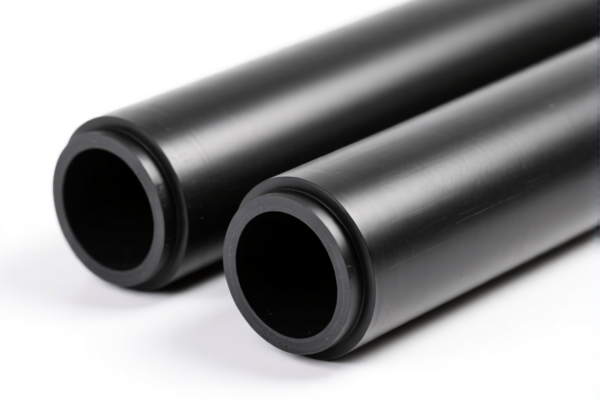
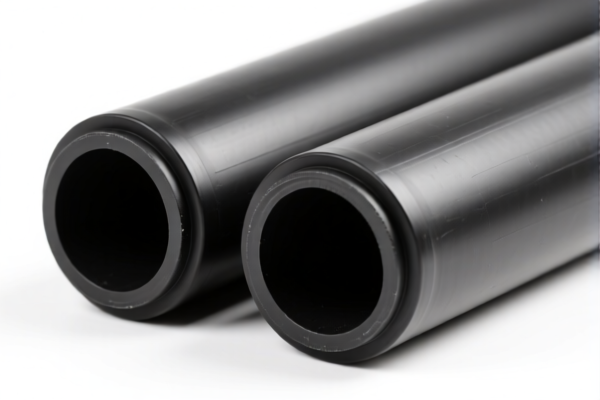
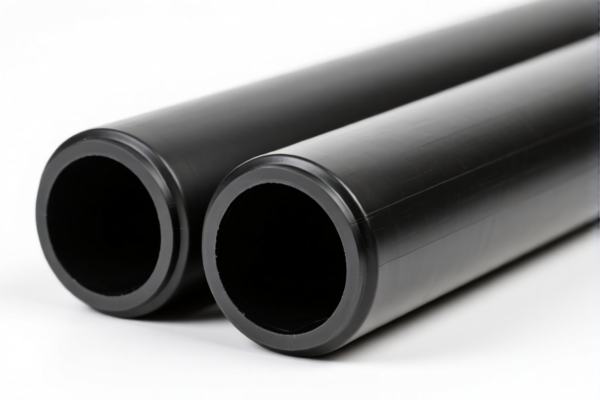
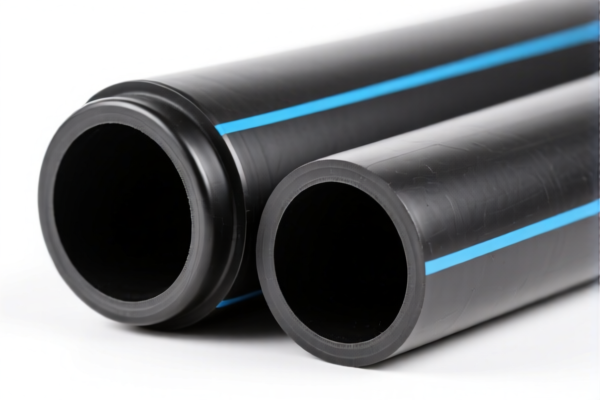
AI分析
🛡️ Insulation Tape (Wear-Resistant)
🌐 HS Code Reference & Customs Clearance Guide | 2026 Latest Tariff Analysis | Professional Clearance Strategy
📌 I. Product Definition & Classification: What Exactly Is "Insulation Tape"?
Insulation tape, particularly wear-resistant varieties, is primarily used for electrical insulation, cable bundling, and protecting wires from abrasion, moisture, and chemicals. In international trade, its classification depends heavily on material composition, form (self-adhesive vs. non-adhesive), and specific application.
Key Distinctions: * Plastic/PVC Self-Adhesive Tape: The most common form (e.g., black electrical tape). Regarded as "plastic articles" or "self-adhesive tapes." * Fabric/Textile-Based Tape: If the base material is cloth or paper with an adhesive backing, it may fall under different chapters (though PVC is dominant). * Non-Adhesive Insulating Material: If it’s not self-adhesive, it may be classified under general "other articles of plastics."
⚠️ Critical Classification Point:
- If the tape is self-adhesive and made of plastics (PVC, PE, etc.) → Likely Chapter 39 (Plastics and articles thereof).
- If the tape serves a specific insulating function and is made of insulating materials (like PVC, but potentially other compounds) → May fall under Chapter 85 (Electrical machinery/equipment parts).
- Wear Resistance is a performance feature, not a primary classifier. It doesn’t change the HS code but may affect customs scrutiny regarding material composition.
📦 II. HS Code Classification Details (2026 Latest Tariff Authority Comparison)
Based on the provided data, here are the 5 possible HS codes for Insulation Tape, with detailed tax breakdowns for imports into the USA (assuming US context due to "Section 122" and "301" references in tax details).
| HS Code | Product Description | Applicable Scenario | Tax Rate (Total) | Key Reason for Classification |
|---|---|---|---|---|
3926.90.99.89 |
Other articles of plastics, n.e.c. | Non-self-adhesive insulation tape; general plastic insulation products | 22.8% | General "other plastics" category; lower scrutiny if not self-adhesive. |
3919.90.50.30 |
Other plates, sheets, film, foil, tape, strip, of plastics | Self-adhesive insulation tape; PVC electrical tape | 40.8% | Specifically for self-adhesive plastic tapes. High tariff due to Section 301. |
3919.10.20.20 |
Self-adhesive plates, sheets, film, foil, tape, strip, of plastics | Self-adhesive plastic tapes, including electrical/insulation types | 40.8% | Same as above; standard self-adhesive plastic tape classification. |
3926.90.45.90 |
Other articles of plastics; other | Plastic/polymer-based insulation items not elsewhere specified | 38.5% | Fallback category for plastic insulation products not clearly self-adhesive or panel-like. |
8547.90.00.10 |
Insulating fittings for electrical machines, appliances, etc. | Insulation tape specifically designed for electrical insulation (PVC, cloth-based) | 89.6% | Highest Risk! Classified as an "electrical insulator part." Subject to all duties + 50% steel/aluminum if any metal component? (Note: Data mentions "Steel, Aluminum, Copper products +50%" – likely irrelevant for pure tape, but the 89.6% total is due to high base + 301 + 122). |
🔍 Key Insight:
- Self-adhesive tapes (3919.xx.xx.xx) attract 40.8% total tax.
- Non-adhesive or general plastic insulation (3926.xx.xx.xx) attracts 22.8%–38.5%.
- Electrical Insulation Fittings (8547.90.00.10) attract 89.6% – AVOID THIS IF POSSIBLE unless you are sure it’s classified as an "insulator part" rather than "tape."
💰 III. 2026 Latest Tariff Rate Breakdown (Including Surcharges & Policy Surcharges)
✅ Applicable Country: United States (US)
✅ Origin: China (CN)
✅ Effective Time: 2025/2026 (Current Trade Rules)
🎯 1. 3926.90.99.89 – Other Articles of Plastics (Non-Self-Adhesive)
| Item | Content |
|---|---|
| Base Duty | 5.3% |
| Section 301 Surcharge | 7.5% |
| Section 122 Surcharge | 10% |
| Total Rate | 22.8% |
| Tax Calculation | CIF Value × 22.8% |
| De Minimis Exemption | ❌ Not Eligible (For Chinese origin) |
| Legal Basis | USITC:3926.90.99.89 → Footnote 9903.88.01 (Section 301) → IEEPA:9903.01.25 (Section 122) |
📌 Explanation:
- This is the most favorable classification if the tape is not self-adhesive or is a general plastic insulation product.
- Still subject to Section 301 (7.5%) and Section 122 (10%) surcharges.
🎯 2. 3919.90.50.30 & 3919.10.20.20 – Self-Adhesive Plastic Tapes
| Item | Content |
|---|---|
| Base Duty | 5.8% |
| Section 301 Surcharge | 25.0% |
| Section 122 Surcharge | 10% |
| Total Rate | 40.8% |
| Tax Calculation | CIF Value × 40.8% |
| De Minimis Exemption | ❌ Not Eligible |
| Legal Basis | USITC:3919.90.50.30 → Footnote 9903.88.01 (Section 301) → IEEPA:9903.01.25 (Section 122) |
📌 Explanation:
- If your tape is self-adhesive (like standard black electrical tape), it falls under Chapter 3919.
- 25% Section 301 duty is the main driver of the high cost.
- Both3919.90.50.30and3919.10.20.20have the same 40.8% total rate.
🎯 3. 3926.90.45.90 – Other Plastic Insulation Products
| Item | Content |
|---|---|
| Base Duty | 3.5% |
| Section 301 Surcharge | 25.0% |
| Section 122 Surcharge | 10% |
| Total Rate | 38.5% |
| Tax Calculation | CIF Value × 38.5% |
| De Minimis Exemption | ❌ Not Eligible |
📌 Explanation:
- A middle-ground option if the tape is plastic-based but doesn’t fit the strict "self-adhesive tape" definition of Chapter 3919.
- Still subject to 25% Section 301.
🎯 4. 8547.90.00.10 – Electrical Insulating Fittings (High-Risk Classification)
| Item | Content |
|---|---|
| Base Duty | 4.6% |
| Section 301 Surcharge | 25.0% |
| Section 122 Surcharge | 10% |
| Additional Metal Duty? | 50% (if steel/aluminum/copper components) – Not applicable for pure tape |
| Total Rate | 89.6% |
| Tax Calculation | CIF Value × 89.6% |
| De Minimis Exemption | ❌ Not Eligible |
| Legal Basis | USITC:8547.90.00.10 → Footnote 9903.88.01 → IEEPA:9903.01.25 |
📌 Explanation:
- EXTREMELY HIGH TARIF.
- This code classifies the tape as an "insulating fitting" rather than a material/product.
- Avoid this classification unless the product is explicitly marketed and used as an "insulating part" for machinery/equipment, not just as a roll of tape.
🛠️ IV. Customs Clearance Practical Advice (Real-World Pitfall Guide)
✅ 1. Preparation Checklist (Essential Documents)
| Document | Mandatory? | Notes |
|---|---|---|
| ✅ Product Specification Sheet | ✔️ | Must specify: Material (PVC, PE, Cloth), Thickness, Adhesive Type, Voltage Rating |
| ✅ Product Photos | ✔️ | Clear images of the tape roll, labeling, and any wear-resistant features |
| ✅ Commercial Invoice | ✔️ | Description must be precise: e.g., "PVC Self-Adhesive Electrical Insulation Tape, Black" |
| ✅ Certificate of Origin (CO) | ✔️ | To prove Chinese origin (triggers 301/122 duties) |
| ✅ Packaging List | ✔️ | Show quantity, weight, and packaging details |
| ✅ Test Reports (if available) | ✔️ | UL, CE, or RoHS certificates can support "electrical insulation" claims but may trigger 8547 if overemphasized |
✅ 2. Declaration Tips (Crucial Keywords)
🔥 “Self-Adhesive = 3919 (40.8%); Non-Adhesive = 3926 (22.8%-38.5%); Avoid ‘Insulator Part’ (89.6%)”
| Scenario | Correct Declaration | Incorrect Declaration | Consequence |
|---|---|---|---|
| Standard Black Electrical Tape | "PVC Self-Adhesive Insulation Tape" |
"Insulating Part for Motors" |
Avoid 89.6% rate! |
| Wear-Resistant Cloth Tape | "Fabric-Based Self-Adhesive Tape" |
"Electrical Insulator" |
Risk of 89.6% or misclassification |
| Non-Adhesive Plastic Sleeve | "Plastic Insulation Sleeve" |
"Self-Adhesive Tape" |
Incorrect duty calculation |
| Bulk Tape Rolls | "Rolls of PVC Tape, 10m x 20mm" |
"Insulation Fittings" |
High tax + audit risk |
✅ 3. Special Case Handling
| Scenario | Advice |
|---|---|
| OEM/Custom Branding | Provide OEM contract; declare as "Insulation Tape" not "Part" |
| Wear-Resistant Features | Highlight material (e.g., "Abrasion-Resistant PVC") but do not classify as "machinery part" |
| Mixed Packaging (Tape + Tools) | Declare tape separately; tools under their own HS code |
| Small Quantity (De Minimis) | ❌ No exemption for China-origin goods under $800 |
🌍 V. Global Market Comparison (2026)
| Country/Region | Recommended HS Code | Total Tax (China Origin) | Key Requirement |
|---|---|---|---|
| 🇺🇸 USA | 3919.90.50.30 |
40.8% | Accurate material description; avoid 8547 |
| 🇨🇳 China | 3919.90.50.30 |
5.8% (Import) | CCC certification may be required for electrical safety |
| 🇪🇺 EU | 3919.10.90 |
6.5% (approx.) | CE, REACH compliance |
| 🇬🇧 UK | 3919.10.90 |
6.5% (approx.) | UKCA marking if applicable |
| 🇯🇵 Japan | 3919.10.90 |
0-6.5% | JIS standards for electrical tapes |
📌 Conclusion:
- USA has the highest burden due to Section 301 (25%) + Section 122 (10%).
- EU/UK/Japan have lower base rates but require strict safety certifications (CE, UKCA, JIS).
- Misclassification as8547(89.6%) is the biggest financial risk in the US.
📌 VI. Common Mistakes & Pitfalls (Lessons Learned)
❌ Mistake 1: Declaring "Insulation Tape" as "Insulating Part" (8547)
👉 Result: 89.6% tax instead of 40.8%. Loss of ~48.8% profit margin!
❌ Mistake 2: Ignoring Self-Adhesive nature
👉 Result: If declared as "non-adhesive" but found to be self-adhesive, customs will reclassify to 3919 and charge 25% more.
❌ Mistake 3: Using vague terms like "Electrical Tape" without specifying Material
👉 Result: Customs may question the HS code choice; request additional info → Delays.
❌ Mistake 4: Assuming De Minimis ($800) applies
👉 Result: No exemption for China-origin goods. Even small shipments are fully taxed.
✅ Correct Approach:
"PVC Self-Adhesive Electrical Insulation Tape, Wear-Resistant, Black, 10m Roll"
HS Code:3919.90.50.30
Total Tax: 40.8%
🎯 VII. Conclusion: Professional Declaration Saves Money!
🎯 Remember the Mantra:
🔹 "Self-Adhesive = 3919 (40.8%); Non-Adhesive = 3926 (22.8%-38.5%); NEVER Use 8547 Unless Necessary (89.6%)!"
🔹 "HS Code Determines Tax; 40% vs 89% is a Huge Difference!"
📌 Pro Tip:
If your tape is not made in China (e.g., Vietnam, Malaysia), you may exempt Section 301 (25%) and Section 122 (10%), reducing tax to ~6-10%.
Recommend Advance Ruling for large shipments to avoid clearance disputes.
📣 Immediate Action:
📞 Contact a licensed customs broker + Provide product specs + Request HS Code Advance Ruling for the US market.
🚀 Clear your insulation tape smoothly, reduce costs, and boost profits!
✨ Professional clearance starts with precise classification!
💼 Every percentage point of duty matters in global trade!
用户评价
关于 HS 编码归类
协调制度(HS)是由世界海关组织(WCO)制定的国际贸易商品分类标准。全球 200 多个国家采用 HS 系统作为海关关税、贸易统计和进出口监管的基础。
每个 HS 编码遵循以下层级结构:
- 章(2 位)——商品大类(例如:第 84 章:机器和机械设备)
- 品目(4 位)——章内的更具体分类
- 子目(6 位)——国际通用细分,所有 WCO 成员国统一使用
- 本国细分(8-10 位)——各国自行扩展的细分编码,如美国 HTSUS 10 位编码
正确的 HS 编码归类对于顺利通关、准确缴纳关税和遵守贸易法规至关重要。错误归类可能导致海关延误、多缴关税或罚款。
从CN进口到US时,适用的关税税率可能包括:
- 最惠国(MFN)税率——适用于 WTO 成员国的标准关税税率
- 普通税率——适用于无贸易协定国家
- 贸易救济关税——附加关税,如 301 条款(反倾销)、232 条款(国家安全)或反补贴税
本页内容仅供参考。如需正式归类,请咨询当地海关或持牌报关代理。