Insulation Tape Wear resistant
CN → US| HS Code | Tariff Rate | Origin | Destination | Doc |
|---|---|---|---|---|
| 3926909989 | 22.8% | CN | US | Official Doc |
| 3919905030 | 40.8% | CN | US | Official Doc |
| 3919102020 | 40.8% | CN | US | Official Doc |
| 3926904590 | 38.5% | CN | US | Official Doc |
| 8547900010 | 89.6% | CN | US | Official Doc |
Product Images
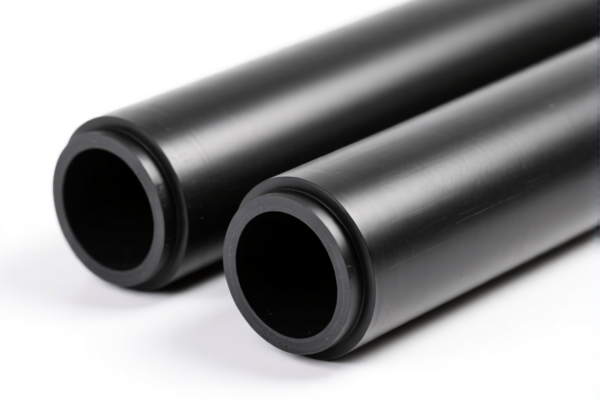
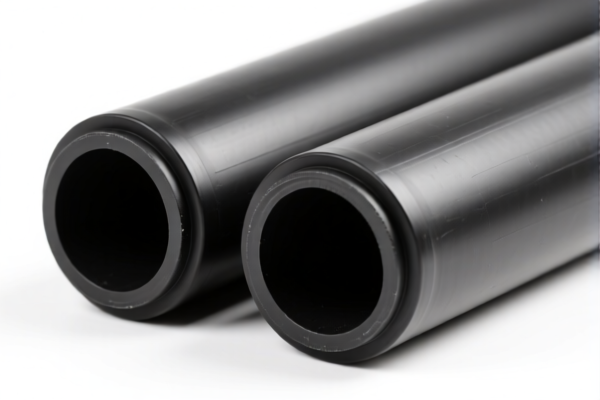
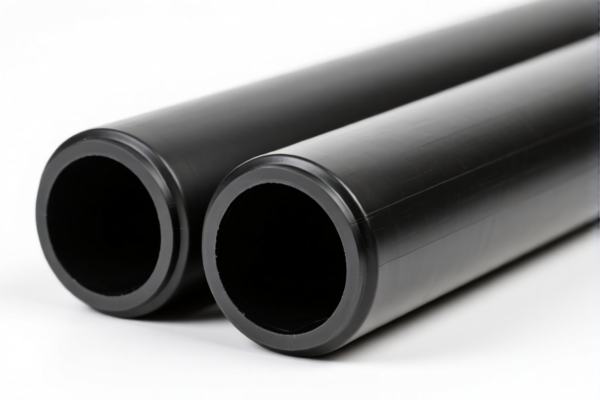
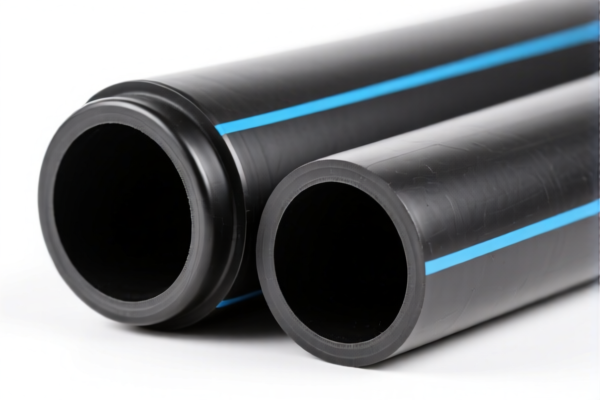
AI Analysis
🛡️ Insulation Tape (Wear-Resistant)
🌐 HS Code Reference & Customs Clearance Guide | 2026 Latest Tariff Analysis | Professional Clearance Strategy
📌 I. Product Definition & Classification: What Exactly Is "Insulation Tape"?
Insulation tape, particularly wear-resistant varieties, is primarily used for electrical insulation, cable bundling, and protecting wires from abrasion, moisture, and chemicals. In international trade, its classification depends heavily on material composition, form (self-adhesive vs. non-adhesive), and specific application.
Key Distinctions: * Plastic/PVC Self-Adhesive Tape: The most common form (e.g., black electrical tape). Regarded as "plastic articles" or "self-adhesive tapes." * Fabric/Textile-Based Tape: If the base material is cloth or paper with an adhesive backing, it may fall under different chapters (though PVC is dominant). * Non-Adhesive Insulating Material: If it’s not self-adhesive, it may be classified under general "other articles of plastics."
⚠️ Critical Classification Point:
- If the tape is self-adhesive and made of plastics (PVC, PE, etc.) → Likely Chapter 39 (Plastics and articles thereof).
- If the tape serves a specific insulating function and is made of insulating materials (like PVC, but potentially other compounds) → May fall under Chapter 85 (Electrical machinery/equipment parts).
- Wear Resistance is a performance feature, not a primary classifier. It doesn’t change the HS code but may affect customs scrutiny regarding material composition.
📦 II. HS Code Classification Details (2026 Latest Tariff Authority Comparison)
Based on the provided data, here are the 5 possible HS codes for Insulation Tape, with detailed tax breakdowns for imports into the USA (assuming US context due to "Section 122" and "301" references in tax details).
| HS Code | Product Description | Applicable Scenario | Tax Rate (Total) | Key Reason for Classification |
|---|---|---|---|---|
3926.90.99.89 |
Other articles of plastics, n.e.c. | Non-self-adhesive insulation tape; general plastic insulation products | 22.8% | General "other plastics" category; lower scrutiny if not self-adhesive. |
3919.90.50.30 |
Other plates, sheets, film, foil, tape, strip, of plastics | Self-adhesive insulation tape; PVC electrical tape | 40.8% | Specifically for self-adhesive plastic tapes. High tariff due to Section 301. |
3919.10.20.20 |
Self-adhesive plates, sheets, film, foil, tape, strip, of plastics | Self-adhesive plastic tapes, including electrical/insulation types | 40.8% | Same as above; standard self-adhesive plastic tape classification. |
3926.90.45.90 |
Other articles of plastics; other | Plastic/polymer-based insulation items not elsewhere specified | 38.5% | Fallback category for plastic insulation products not clearly self-adhesive or panel-like. |
8547.90.00.10 |
Insulating fittings for electrical machines, appliances, etc. | Insulation tape specifically designed for electrical insulation (PVC, cloth-based) | 89.6% | Highest Risk! Classified as an "electrical insulator part." Subject to all duties + 50% steel/aluminum if any metal component? (Note: Data mentions "Steel, Aluminum, Copper products +50%" – likely irrelevant for pure tape, but the 89.6% total is due to high base + 301 + 122). |
🔍 Key Insight:
- Self-adhesive tapes (3919.xx.xx.xx) attract 40.8% total tax.
- Non-adhesive or general plastic insulation (3926.xx.xx.xx) attracts 22.8%–38.5%.
- Electrical Insulation Fittings (8547.90.00.10) attract 89.6% – AVOID THIS IF POSSIBLE unless you are sure it’s classified as an "insulator part" rather than "tape."
💰 III. 2026 Latest Tariff Rate Breakdown (Including Surcharges & Policy Surcharges)
✅ Applicable Country: United States (US)
✅ Origin: China (CN)
✅ Effective Time: 2025/2026 (Current Trade Rules)
🎯 1. 3926.90.99.89 – Other Articles of Plastics (Non-Self-Adhesive)
| Item | Content |
|---|---|
| Base Duty | 5.3% |
| Section 301 Surcharge | 7.5% |
| Section 122 Surcharge | 10% |
| Total Rate | 22.8% |
| Tax Calculation | CIF Value × 22.8% |
| De Minimis Exemption | ❌ Not Eligible (For Chinese origin) |
| Legal Basis | USITC:3926.90.99.89 → Footnote 9903.88.01 (Section 301) → IEEPA:9903.01.25 (Section 122) |
📌 Explanation:
- This is the most favorable classification if the tape is not self-adhesive or is a general plastic insulation product.
- Still subject to Section 301 (7.5%) and Section 122 (10%) surcharges.
🎯 2. 3919.90.50.30 & 3919.10.20.20 – Self-Adhesive Plastic Tapes
| Item | Content |
|---|---|
| Base Duty | 5.8% |
| Section 301 Surcharge | 25.0% |
| Section 122 Surcharge | 10% |
| Total Rate | 40.8% |
| Tax Calculation | CIF Value × 40.8% |
| De Minimis Exemption | ❌ Not Eligible |
| Legal Basis | USITC:3919.90.50.30 → Footnote 9903.88.01 (Section 301) → IEEPA:9903.01.25 (Section 122) |
📌 Explanation:
- If your tape is self-adhesive (like standard black electrical tape), it falls under Chapter 3919.
- 25% Section 301 duty is the main driver of the high cost.
- Both3919.90.50.30and3919.10.20.20have the same 40.8% total rate.
🎯 3. 3926.90.45.90 – Other Plastic Insulation Products
| Item | Content |
|---|---|
| Base Duty | 3.5% |
| Section 301 Surcharge | 25.0% |
| Section 122 Surcharge | 10% |
| Total Rate | 38.5% |
| Tax Calculation | CIF Value × 38.5% |
| De Minimis Exemption | ❌ Not Eligible |
📌 Explanation:
- A middle-ground option if the tape is plastic-based but doesn’t fit the strict "self-adhesive tape" definition of Chapter 3919.
- Still subject to 25% Section 301.
🎯 4. 8547.90.00.10 – Electrical Insulating Fittings (High-Risk Classification)
| Item | Content |
|---|---|
| Base Duty | 4.6% |
| Section 301 Surcharge | 25.0% |
| Section 122 Surcharge | 10% |
| Additional Metal Duty? | 50% (if steel/aluminum/copper components) – Not applicable for pure tape |
| Total Rate | 89.6% |
| Tax Calculation | CIF Value × 89.6% |
| De Minimis Exemption | ❌ Not Eligible |
| Legal Basis | USITC:8547.90.00.10 → Footnote 9903.88.01 → IEEPA:9903.01.25 |
📌 Explanation:
- EXTREMELY HIGH TARIF.
- This code classifies the tape as an "insulating fitting" rather than a material/product.
- Avoid this classification unless the product is explicitly marketed and used as an "insulating part" for machinery/equipment, not just as a roll of tape.
🛠️ IV. Customs Clearance Practical Advice (Real-World Pitfall Guide)
✅ 1. Preparation Checklist (Essential Documents)
| Document | Mandatory? | Notes |
|---|---|---|
| ✅ Product Specification Sheet | ✔️ | Must specify: Material (PVC, PE, Cloth), Thickness, Adhesive Type, Voltage Rating |
| ✅ Product Photos | ✔️ | Clear images of the tape roll, labeling, and any wear-resistant features |
| ✅ Commercial Invoice | ✔️ | Description must be precise: e.g., "PVC Self-Adhesive Electrical Insulation Tape, Black" |
| ✅ Certificate of Origin (CO) | ✔️ | To prove Chinese origin (triggers 301/122 duties) |
| ✅ Packaging List | ✔️ | Show quantity, weight, and packaging details |
| ✅ Test Reports (if available) | ✔️ | UL, CE, or RoHS certificates can support "electrical insulation" claims but may trigger 8547 if overemphasized |
✅ 2. Declaration Tips (Crucial Keywords)
🔥 “Self-Adhesive = 3919 (40.8%); Non-Adhesive = 3926 (22.8%-38.5%); Avoid ‘Insulator Part’ (89.6%)”
| Scenario | Correct Declaration | Incorrect Declaration | Consequence |
|---|---|---|---|
| Standard Black Electrical Tape | "PVC Self-Adhesive Insulation Tape" |
"Insulating Part for Motors" |
Avoid 89.6% rate! |
| Wear-Resistant Cloth Tape | "Fabric-Based Self-Adhesive Tape" |
"Electrical Insulator" |
Risk of 89.6% or misclassification |
| Non-Adhesive Plastic Sleeve | "Plastic Insulation Sleeve" |
"Self-Adhesive Tape" |
Incorrect duty calculation |
| Bulk Tape Rolls | "Rolls of PVC Tape, 10m x 20mm" |
"Insulation Fittings" |
High tax + audit risk |
✅ 3. Special Case Handling
| Scenario | Advice |
|---|---|
| OEM/Custom Branding | Provide OEM contract; declare as "Insulation Tape" not "Part" |
| Wear-Resistant Features | Highlight material (e.g., "Abrasion-Resistant PVC") but do not classify as "machinery part" |
| Mixed Packaging (Tape + Tools) | Declare tape separately; tools under their own HS code |
| Small Quantity (De Minimis) | ❌ No exemption for China-origin goods under $800 |
🌍 V. Global Market Comparison (2026)
| Country/Region | Recommended HS Code | Total Tax (China Origin) | Key Requirement |
|---|---|---|---|
| 🇺🇸 USA | 3919.90.50.30 |
40.8% | Accurate material description; avoid 8547 |
| 🇨🇳 China | 3919.90.50.30 |
5.8% (Import) | CCC certification may be required for electrical safety |
| 🇪🇺 EU | 3919.10.90 |
6.5% (approx.) | CE, REACH compliance |
| 🇬🇧 UK | 3919.10.90 |
6.5% (approx.) | UKCA marking if applicable |
| 🇯🇵 Japan | 3919.10.90 |
0-6.5% | JIS standards for electrical tapes |
📌 Conclusion:
- USA has the highest burden due to Section 301 (25%) + Section 122 (10%).
- EU/UK/Japan have lower base rates but require strict safety certifications (CE, UKCA, JIS).
- Misclassification as8547(89.6%) is the biggest financial risk in the US.
📌 VI. Common Mistakes & Pitfalls (Lessons Learned)
❌ Mistake 1: Declaring "Insulation Tape" as "Insulating Part" (8547)
👉 Result: 89.6% tax instead of 40.8%. Loss of ~48.8% profit margin!
❌ Mistake 2: Ignoring Self-Adhesive nature
👉 Result: If declared as "non-adhesive" but found to be self-adhesive, customs will reclassify to 3919 and charge 25% more.
❌ Mistake 3: Using vague terms like "Electrical Tape" without specifying Material
👉 Result: Customs may question the HS code choice; request additional info → Delays.
❌ Mistake 4: Assuming De Minimis ($800) applies
👉 Result: No exemption for China-origin goods. Even small shipments are fully taxed.
✅ Correct Approach:
"PVC Self-Adhesive Electrical Insulation Tape, Wear-Resistant, Black, 10m Roll"
HS Code:3919.90.50.30
Total Tax: 40.8%
🎯 VII. Conclusion: Professional Declaration Saves Money!
🎯 Remember the Mantra:
🔹 "Self-Adhesive = 3919 (40.8%); Non-Adhesive = 3926 (22.8%-38.5%); NEVER Use 8547 Unless Necessary (89.6%)!"
🔹 "HS Code Determines Tax; 40% vs 89% is a Huge Difference!"
📌 Pro Tip:
If your tape is not made in China (e.g., Vietnam, Malaysia), you may exempt Section 301 (25%) and Section 122 (10%), reducing tax to ~6-10%.
Recommend Advance Ruling for large shipments to avoid clearance disputes.
📣 Immediate Action:
📞 Contact a licensed customs broker + Provide product specs + Request HS Code Advance Ruling for the US market.
🚀 Clear your insulation tape smoothly, reduce costs, and boost profits!
✨ Professional clearance starts with precise classification!
💼 Every percentage point of duty matters in global trade!
Customer Reviews
About HS Code Classification
The Harmonized System (HS) is an internationally standardized nomenclature developed by the World Customs Organization (WCO) to classify traded products. Over 200 countries use the HS system as the basis for customs tariffs, trade statistics, and import/export regulations.
Each HS code follows a hierarchical structure:
- Chapter (2 digits) — Broad category of goods (e.g., Chapter 84: Machinery and Mechanical Appliances)
- Heading (4 digits) — More specific grouping within the chapter
- Subheading (6 digits) — Internationally standardized breakdown, used by all WCO member countries
- National subdivisions (8-10 digits) — Country-specific extensions for further classification, such as US HTSUS 10-digit codes
Correct HS code classification is essential for smooth customs clearance, accurate duty payment, and compliance with trade regulations. Misclassification can lead to customs delays, overpayment of duties, or penalties.
When importing from CN to US, the applicable tariff rates may include:
- Most-Favored-Nation (MFN) rate — The standard duty rate applied to WTO members
- General rate — Applied to countries without trade agreements
- Trade remedy duties — Additional tariffs such as Section 301 (anti-dumping), Section 232 (national security), or countervailing duties
The information provided on this page is for reference purposes only. For official classification, please consult with your local customs authority or a licensed customs broker.