Intercom Doorbell
CN → US| HS编码 | 关税税率 | 原产国 | 目的国 | 文档 |
|---|---|---|---|---|
| 8531809051 | 17.5% | CN | US | 官方文档 |
| 8531801500 | 11.3% | CN | US | 官方文档 |
| 8517180050 | 10.0% | CN | US | 官方文档 |
| 8517690000 | 35.0% | CN | US | 官方文档 |
| 8531809051 | 17.5% | CN | US | 官方文档 |
商品图片
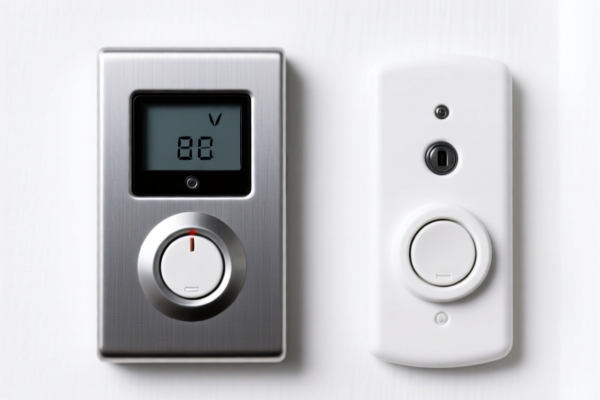
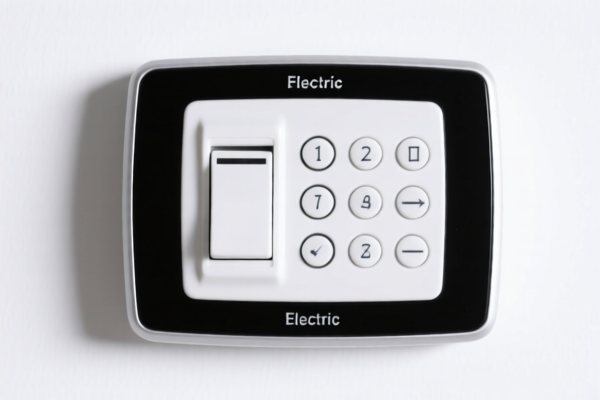
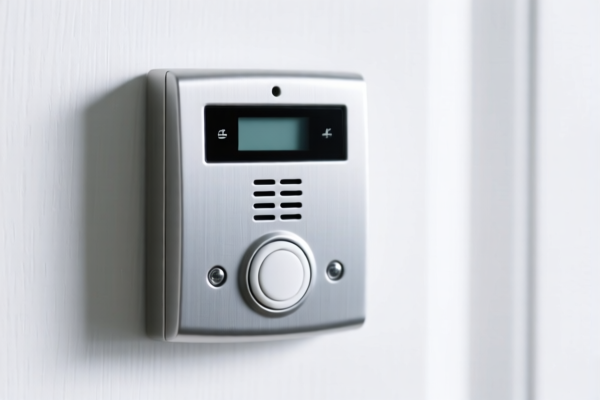
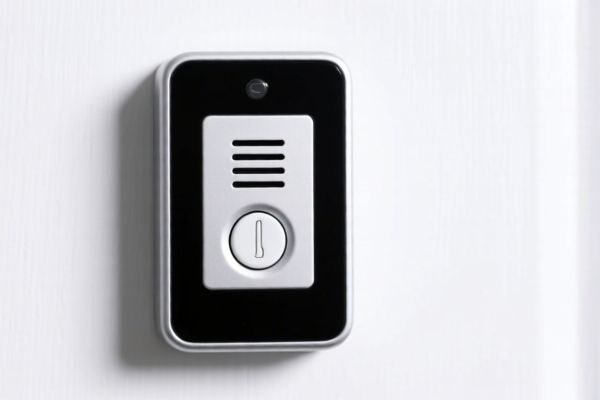
AI分析
🚪 Intercom Doorbell (门铃/对讲门铃)
🌐 HS Code Reference & Customs Clearance Guide | 2026 Latest Tariff Analysis | Professional Clearance Strategy
📌 I. Product Definition & Classification: Do You Truly Understand "Intercom Doorbell"?
The Intercom Doorbell is a hybrid electronic device combining audio signaling with communication capabilities. In international trade, its classification depends heavily on its technical function: * Standard Doorbell: Primarily generates an acoustic signal (chime) upon button press. Falls under Electro-acoustic signaling devices. * Wireless/Smart Doorbell: Transmits signals wirelessly to a receiver. Falls under Radio Apparatus/Transmission/Reception Apparatus for voice or data.
⚠️ Critical Distinction:
- If it is a simple wired system generating sound only →归入 8531.80 (Signal Apparatus).
- If it uses Wi-Fi/Bluetooth/Zigbee to transmit voice or digital signals → 归入 8517.18 or 8517.69 (Communication Apparatus).
📦 II. HS Code Classification Details (Based on Provided Data)
Based on the provided dataset, here are the specific HS Codes and their corresponding rationales and tax structures:
1. 📢 Electro-Acoustic Signaling Device (Standard/Wired)
| HS Code | Summary/Rationale | Total Tax Rate | Tax Breakdown |
|---|---|---|---|
8531.80.90.51 |
Intercom Doorbell belongs to electro-acoustic signaling devices. (Also applies to Wireless Doorbells if classified by material/function as electronic/plastic signaling device) |
17.5% | • Base: 0.0% • Section 301 (Add'l): 7.5% • Section 122: 10% |
8531.80.15.00 |
Intercom Doorbell fully matches the specific category description in usage and classification. | 11.3% | • Base: 1.3% • Section 301 (Add'l): 0.0% • Section 122: 10% |
📌 Note:
8531.80.15.00offers a lower total duty (11.3%) if the product fits the specific legal description for this subheading.8531.80.90.51is a broader "Other" category with a higher Section 301 surcharge (7.5%).
2. 📡 Wireless Communication Apparatus (Smart/Wi-Fi Doorbell)
| HS Code | Summary/Rationale | Total Tax Rate | Tax Breakdown |
|---|---|---|---|
8517.18.00.50 |
Wireless Doorbell is classified as a wireless communication/network device, specifically for use in wireless networks. | 10.0% | • Base: 0.0% • Section 301 (Add'l): 0.0% • Section 122: 10% |
8517.69.00.00 |
Wireless Doorbell is classified as a wireless receiving apparatus used for voice or signal transmission. | 35.0% | • Base: 0.0% • Section 301 (Add'l): 25.0% • Section 122: 10% |
🔍 Key Insight:
-8517.18.00.50is the most cost-effective option for Wireless/Smart Doorbells (10% total tax). It avoids the heavy Section 301 tariffs by being classified under network devices with specific exemptions or lower surcharges.
-8517.69.00.00is high-risk/cost (35% total tax) due to a 25% Section 301 surcharge. This classification treats it as a general "other" transmission/reception device.
💰 III. 2026 Latest Tariff Rate Detailed Explanation
✅ Applicable Country: United States (US)
✅ Origin: China (CN)
✅ Effective Time: Current 2026 Tariff Structure
🎯 1. 8531.80.90.51 & 8531.80.15.00 (Electro-Acoustic Category)
| Item | 8531.80.90.51 (General Other) |
8531.80.15.00 (Specific Match) |
|---|---|---|
| Base Tariff | 0.0% | 1.3% |
| Section 301 Add'l | 7.5% | 0.0% |
| Section 122 | 10% | 10% |
| Total Effective Rate | 17.5% | 11.3% |
| Calculation Basis | CIF Value × 17.5% | CIF Value × 11.3% |
📌 Explanation:
- Section 122 (10%): Applies to all goods from China imported by the US, regardless of HS code, under certain trade statutes.
- Section 301 (7.5%): A significant portion of the tax burden for the broader category (8531.80.90.51).
- Optimization: If your doorbell documentation can support classification under8531.80.15.00(specific match), you save 6.2% in duties compared to the generic category.
🎯 2. 8517.18.00.50 (Wireless Network Device) vs 8517.69.00.00 (General Transceiver)
| Item | 8517.18.00.50 (Network Device) |
8517.69.00.00 (General Transceiver) |
|---|---|---|
| Base Tariff | 0.0% | 0.0% |
| Section 301 Add'l | 0.0% | 25.0% |
| Section 122 | 10% | 10% |
| Total Effective Rate | 10.0% | 35.0% |
| Calculation Basis | CIF Value × 10.0% | CIF Value × 35.0% |
📌 Explanation:
- Why the difference?8517.18is often viewed as "apparatus for transmission/reception of voice, images, or data," which may have different tariff treatment under Section 301 lists compared to8517.69("Other transmission/reception apparatus").
- Crucial Strategy: Classifying a Wi-Fi Doorbell under8517.18.00.50saves 25% in duties compared to8517.69.00.00.
🛠️ IV. Customs Clearance Practical Advice (Pitfall Avoidance Guide)
✅ 1. Documentation Checklist (Non-negotiable)
| Document | Required? | Explanation |
|---|---|---|
| Product Spec Sheet | ✔️ | Must clearly state: "Wireless Protocol (Wi-Fi/Bluetooth/Zigbee)" vs "Wired Analog". |
| Circuit Diagram/Schematic | ✔️ | Critical to prove if it contains a radio transmitter module. |
| Product Photos | ✔️ | Show antenna (if wireless), buttons, speaker grille, and model number. |
| Commercial Invoice | ✔️ | Must describe goods accurately (e.g., "Wireless Video Doorbell" not just "Doorbell"). |
| FCC Certification | ✔️ | Mandatory for any device with wireless capabilities in the US. |
| Letter of Explanation | ✔️ | If using 8517.18.00.50, provide a technical explanation linking it to "wireless network usage." |
✅ 2. Classification Strategy (Key Mantra)
🔥 "Wireless = Comms, Wired = Signal. Network = 10%, General = 35%."
| Scenario | Recommended HS Code | Why? |
|---|---|---|
| Wi-Fi/Smart Doorbell | 8517.18.00.50 |
Best rate (10%). Justify as "device for use in wireless networks." |
| Traditional Wired Doorbell | 8531.80.15.00 |
Best rate (11.3%). Justify as specific electro-acoustic device. |
| Traditional Wired Doorbell | 8531.80.90.51 |
Acceptable (17.5%). Use if 8531.80.15.00 is not supported. |
| Wireless Doorbell (Risk) | 8517.69.00.00 |
Avoid if possible. Rate is 35%. Only use if FCC/technical specs don't fit 8517.18. |
✅ 3. Special Cases
| Situation | Advice |
|---|---|
| OEM/White Label | Ensure the model number matches the FCC ID if claiming 8517 classification. |
| Video vs Audio Only | Video doorbells are still generally 8517 if they transmit data, but ensure data transmission is highlighted. |
| Bundled Packages | If shipping a doorbell + chime + transformer, declare as one complete unit to avoid split classification penalties. |
🌍 V. Global Market Comparison (2026)
| Market | Recommended HS Code | Est. Total Duty | Key Requirement |
|---|---|---|---|
| 🇺🇸 USA | 8517.18.00.50 (Wireless) 8531.80.15.00 (Wired) |
10% (Wireless) 11.3% (Wired) |
FCC ID Mandatory. Section 122 applies. |
| 🇨🇳 China | 8531.80 / 8517.18 |
Low/Zero | CCC Certification for wireless. |
| 🇪🇺 EU | 8531.80 / 8517.18 |
0-2% | CE Marking. GDPR for smart devices. |
📌 Conclusion:
- USA is the most complex market due to Section 301 and Section 122 tariffs.
- Strategic Classification is vital: Choosing8517.18.00.50over8517.69.00.00for wireless doorbells saves 25% in duties.
📌 VI. Common Errors & Pitfalls (Lessons Learned)
❌ Error 1: Classifying all doorbells under 8531.80.90.51
👉 Consequence: Paying 17.5% instead of 10% for wireless models.
✅ Fix: Use 8517.18.00.50 for Wi-Fi/Zigbee devices.
❌ Error 2: Classifying wireless doorbells under 8517.69.00.00
👉 Consequence: Paying 35% total tax due to 25% Section 301 surcharge.
✅ Fix: Prove the device is used for "wireless network" communication to qualify for 8517.18.
❌ Error 3: Missing FCC ID on packaging/invoice for wireless models
👉 Consequence: Goods detained, delayed, or refused entry.
✅ Fix: Ensure FCC ID is visible and matches the model number.
❌ Error 4: Describing as "Doorbell Bell" in invoice
👉 Consequence: Customs may re-classify to highest duty category.
✅ Fix: Use precise terms: "Wireless Smart Video Doorbell" or "Electro-acoustic Door Chime System."
🎯 VII. Conclusion: Professional Declaration, Cost Saving!
🎯 Remember the Mantra:
🔹 "Wireless is Data (8517), Wired is Sound (8531)."
🔹 "Network Device (8517.18) beats General Transceiver (8517.69) by 25%!"
🔹 "Section 122 is everywhere, but Section 301 varies by HS Code."
📌 Pro Tip:
If your doorbell is manufactured in Vietnam, Mexico, or Thailand, you may be eligible for IEEPA Exemptions or lower Section 301 rates.
Recommendation: Apply for an Advance Ruling from CBP before shipping high volumes to confirm the HS Code, especially for "Smart" doorbells.
📣 Action Now:
📞 Contact a licensed customs broker + Provide FCC Reports + Apply for HS Code Pre-ruling
🚀 Ensure your Intercom Doorbell clears US customs smoothly, legally, and profitably!
✨ Precision in Classification, Profit in Clearance!
💼 Every percentage point saved is pure profit!
用户评价
关于 HS 编码归类
协调制度(HS)是由世界海关组织(WCO)制定的国际贸易商品分类标准。全球 200 多个国家采用 HS 系统作为海关关税、贸易统计和进出口监管的基础。
每个 HS 编码遵循以下层级结构:
- 章(2 位)——商品大类(例如:第 84 章:机器和机械设备)
- 品目(4 位)——章内的更具体分类
- 子目(6 位)——国际通用细分,所有 WCO 成员国统一使用
- 本国细分(8-10 位)——各国自行扩展的细分编码,如美国 HTSUS 10 位编码
正确的 HS 编码归类对于顺利通关、准确缴纳关税和遵守贸易法规至关重要。错误归类可能导致海关延误、多缴关税或罚款。
从CN进口到US时,适用的关税税率可能包括:
- 最惠国(MFN)税率——适用于 WTO 成员国的标准关税税率
- 普通税率——适用于无贸易协定国家
- 贸易救济关税——附加关税,如 301 条款(反倾销)、232 条款(国家安全)或反补贴税
本页内容仅供参考。如需正式归类,请咨询当地海关或持牌报关代理。