Intercom Doorbell
CN → US| HS Code | Tariff Rate | Origin | Destination | Doc |
|---|---|---|---|---|
| 8531809051 | 17.5% | CN | US | Official Doc |
| 8531801500 | 11.3% | CN | US | Official Doc |
| 8517180050 | 10.0% | CN | US | Official Doc |
| 8517690000 | 35.0% | CN | US | Official Doc |
| 8531809051 | 17.5% | CN | US | Official Doc |
Product Images
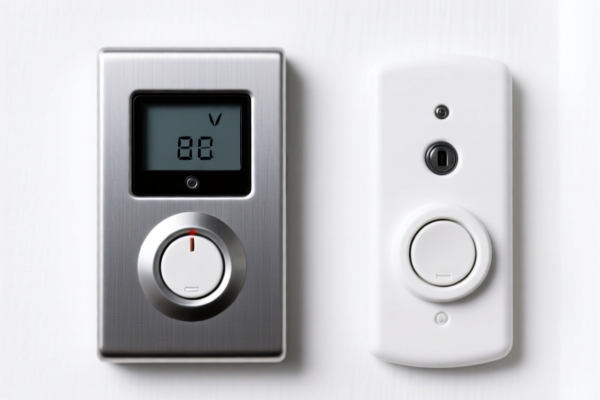
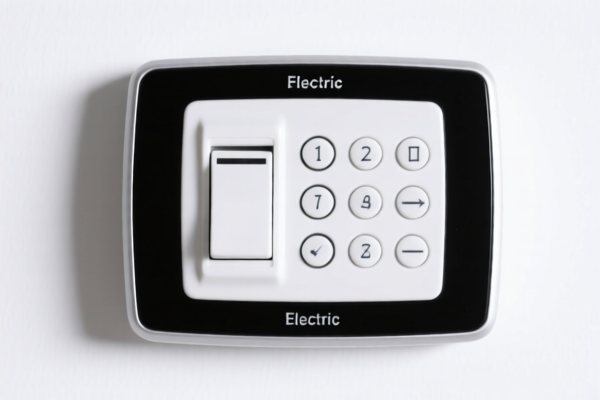
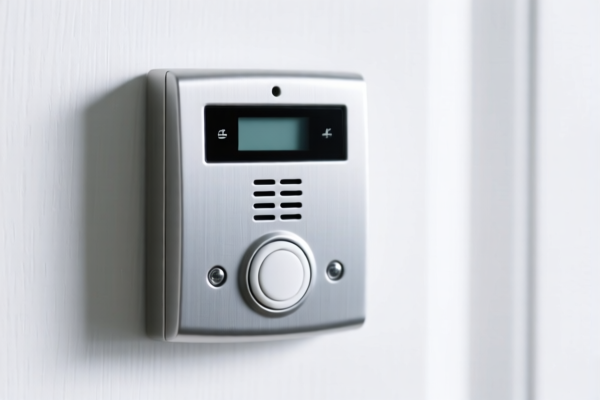
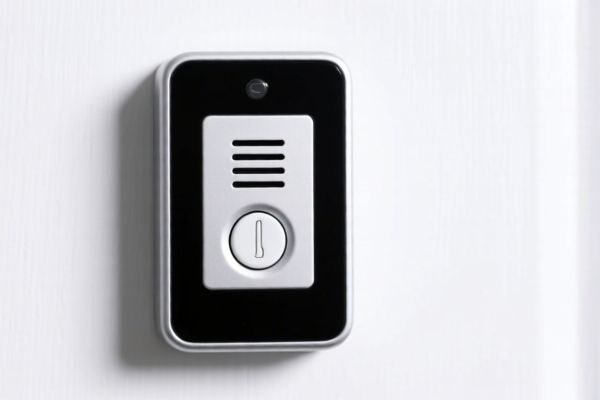
AI Analysis
🚪 Intercom Doorbell (门铃/对讲门铃)
🌐 HS Code Reference & Customs Clearance Guide | 2026 Latest Tariff Analysis | Professional Clearance Strategy
📌 I. Product Definition & Classification: Do You Truly Understand "Intercom Doorbell"?
The Intercom Doorbell is a hybrid electronic device combining audio signaling with communication capabilities. In international trade, its classification depends heavily on its technical function: * Standard Doorbell: Primarily generates an acoustic signal (chime) upon button press. Falls under Electro-acoustic signaling devices. * Wireless/Smart Doorbell: Transmits signals wirelessly to a receiver. Falls under Radio Apparatus/Transmission/Reception Apparatus for voice or data.
⚠️ Critical Distinction:
- If it is a simple wired system generating sound only →归入 8531.80 (Signal Apparatus).
- If it uses Wi-Fi/Bluetooth/Zigbee to transmit voice or digital signals → 归入 8517.18 or 8517.69 (Communication Apparatus).
📦 II. HS Code Classification Details (Based on Provided Data)
Based on the provided dataset, here are the specific HS Codes and their corresponding rationales and tax structures:
1. 📢 Electro-Acoustic Signaling Device (Standard/Wired)
| HS Code | Summary/Rationale | Total Tax Rate | Tax Breakdown |
|---|---|---|---|
8531.80.90.51 |
Intercom Doorbell belongs to electro-acoustic signaling devices. (Also applies to Wireless Doorbells if classified by material/function as electronic/plastic signaling device) |
17.5% | • Base: 0.0% • Section 301 (Add'l): 7.5% • Section 122: 10% |
8531.80.15.00 |
Intercom Doorbell fully matches the specific category description in usage and classification. | 11.3% | • Base: 1.3% • Section 301 (Add'l): 0.0% • Section 122: 10% |
📌 Note:
8531.80.15.00offers a lower total duty (11.3%) if the product fits the specific legal description for this subheading.8531.80.90.51is a broader "Other" category with a higher Section 301 surcharge (7.5%).
2. 📡 Wireless Communication Apparatus (Smart/Wi-Fi Doorbell)
| HS Code | Summary/Rationale | Total Tax Rate | Tax Breakdown |
|---|---|---|---|
8517.18.00.50 |
Wireless Doorbell is classified as a wireless communication/network device, specifically for use in wireless networks. | 10.0% | • Base: 0.0% • Section 301 (Add'l): 0.0% • Section 122: 10% |
8517.69.00.00 |
Wireless Doorbell is classified as a wireless receiving apparatus used for voice or signal transmission. | 35.0% | • Base: 0.0% • Section 301 (Add'l): 25.0% • Section 122: 10% |
🔍 Key Insight:
-8517.18.00.50is the most cost-effective option for Wireless/Smart Doorbells (10% total tax). It avoids the heavy Section 301 tariffs by being classified under network devices with specific exemptions or lower surcharges.
-8517.69.00.00is high-risk/cost (35% total tax) due to a 25% Section 301 surcharge. This classification treats it as a general "other" transmission/reception device.
💰 III. 2026 Latest Tariff Rate Detailed Explanation
✅ Applicable Country: United States (US)
✅ Origin: China (CN)
✅ Effective Time: Current 2026 Tariff Structure
🎯 1. 8531.80.90.51 & 8531.80.15.00 (Electro-Acoustic Category)
| Item | 8531.80.90.51 (General Other) |
8531.80.15.00 (Specific Match) |
|---|---|---|
| Base Tariff | 0.0% | 1.3% |
| Section 301 Add'l | 7.5% | 0.0% |
| Section 122 | 10% | 10% |
| Total Effective Rate | 17.5% | 11.3% |
| Calculation Basis | CIF Value × 17.5% | CIF Value × 11.3% |
📌 Explanation:
- Section 122 (10%): Applies to all goods from China imported by the US, regardless of HS code, under certain trade statutes.
- Section 301 (7.5%): A significant portion of the tax burden for the broader category (8531.80.90.51).
- Optimization: If your doorbell documentation can support classification under8531.80.15.00(specific match), you save 6.2% in duties compared to the generic category.
🎯 2. 8517.18.00.50 (Wireless Network Device) vs 8517.69.00.00 (General Transceiver)
| Item | 8517.18.00.50 (Network Device) |
8517.69.00.00 (General Transceiver) |
|---|---|---|
| Base Tariff | 0.0% | 0.0% |
| Section 301 Add'l | 0.0% | 25.0% |
| Section 122 | 10% | 10% |
| Total Effective Rate | 10.0% | 35.0% |
| Calculation Basis | CIF Value × 10.0% | CIF Value × 35.0% |
📌 Explanation:
- Why the difference?8517.18is often viewed as "apparatus for transmission/reception of voice, images, or data," which may have different tariff treatment under Section 301 lists compared to8517.69("Other transmission/reception apparatus").
- Crucial Strategy: Classifying a Wi-Fi Doorbell under8517.18.00.50saves 25% in duties compared to8517.69.00.00.
🛠️ IV. Customs Clearance Practical Advice (Pitfall Avoidance Guide)
✅ 1. Documentation Checklist (Non-negotiable)
| Document | Required? | Explanation |
|---|---|---|
| Product Spec Sheet | ✔️ | Must clearly state: "Wireless Protocol (Wi-Fi/Bluetooth/Zigbee)" vs "Wired Analog". |
| Circuit Diagram/Schematic | ✔️ | Critical to prove if it contains a radio transmitter module. |
| Product Photos | ✔️ | Show antenna (if wireless), buttons, speaker grille, and model number. |
| Commercial Invoice | ✔️ | Must describe goods accurately (e.g., "Wireless Video Doorbell" not just "Doorbell"). |
| FCC Certification | ✔️ | Mandatory for any device with wireless capabilities in the US. |
| Letter of Explanation | ✔️ | If using 8517.18.00.50, provide a technical explanation linking it to "wireless network usage." |
✅ 2. Classification Strategy (Key Mantra)
🔥 "Wireless = Comms, Wired = Signal. Network = 10%, General = 35%."
| Scenario | Recommended HS Code | Why? |
|---|---|---|
| Wi-Fi/Smart Doorbell | 8517.18.00.50 |
Best rate (10%). Justify as "device for use in wireless networks." |
| Traditional Wired Doorbell | 8531.80.15.00 |
Best rate (11.3%). Justify as specific electro-acoustic device. |
| Traditional Wired Doorbell | 8531.80.90.51 |
Acceptable (17.5%). Use if 8531.80.15.00 is not supported. |
| Wireless Doorbell (Risk) | 8517.69.00.00 |
Avoid if possible. Rate is 35%. Only use if FCC/technical specs don't fit 8517.18. |
✅ 3. Special Cases
| Situation | Advice |
|---|---|
| OEM/White Label | Ensure the model number matches the FCC ID if claiming 8517 classification. |
| Video vs Audio Only | Video doorbells are still generally 8517 if they transmit data, but ensure data transmission is highlighted. |
| Bundled Packages | If shipping a doorbell + chime + transformer, declare as one complete unit to avoid split classification penalties. |
🌍 V. Global Market Comparison (2026)
| Market | Recommended HS Code | Est. Total Duty | Key Requirement |
|---|---|---|---|
| 🇺🇸 USA | 8517.18.00.50 (Wireless) 8531.80.15.00 (Wired) |
10% (Wireless) 11.3% (Wired) |
FCC ID Mandatory. Section 122 applies. |
| 🇨🇳 China | 8531.80 / 8517.18 |
Low/Zero | CCC Certification for wireless. |
| 🇪🇺 EU | 8531.80 / 8517.18 |
0-2% | CE Marking. GDPR for smart devices. |
📌 Conclusion:
- USA is the most complex market due to Section 301 and Section 122 tariffs.
- Strategic Classification is vital: Choosing8517.18.00.50over8517.69.00.00for wireless doorbells saves 25% in duties.
📌 VI. Common Errors & Pitfalls (Lessons Learned)
❌ Error 1: Classifying all doorbells under 8531.80.90.51
👉 Consequence: Paying 17.5% instead of 10% for wireless models.
✅ Fix: Use 8517.18.00.50 for Wi-Fi/Zigbee devices.
❌ Error 2: Classifying wireless doorbells under 8517.69.00.00
👉 Consequence: Paying 35% total tax due to 25% Section 301 surcharge.
✅ Fix: Prove the device is used for "wireless network" communication to qualify for 8517.18.
❌ Error 3: Missing FCC ID on packaging/invoice for wireless models
👉 Consequence: Goods detained, delayed, or refused entry.
✅ Fix: Ensure FCC ID is visible and matches the model number.
❌ Error 4: Describing as "Doorbell Bell" in invoice
👉 Consequence: Customs may re-classify to highest duty category.
✅ Fix: Use precise terms: "Wireless Smart Video Doorbell" or "Electro-acoustic Door Chime System."
🎯 VII. Conclusion: Professional Declaration, Cost Saving!
🎯 Remember the Mantra:
🔹 "Wireless is Data (8517), Wired is Sound (8531)."
🔹 "Network Device (8517.18) beats General Transceiver (8517.69) by 25%!"
🔹 "Section 122 is everywhere, but Section 301 varies by HS Code."
📌 Pro Tip:
If your doorbell is manufactured in Vietnam, Mexico, or Thailand, you may be eligible for IEEPA Exemptions or lower Section 301 rates.
Recommendation: Apply for an Advance Ruling from CBP before shipping high volumes to confirm the HS Code, especially for "Smart" doorbells.
📣 Action Now:
📞 Contact a licensed customs broker + Provide FCC Reports + Apply for HS Code Pre-ruling
🚀 Ensure your Intercom Doorbell clears US customs smoothly, legally, and profitably!
✨ Precision in Classification, Profit in Clearance!
💼 Every percentage point saved is pure profit!
Customer Reviews
About HS Code Classification
The Harmonized System (HS) is an internationally standardized nomenclature developed by the World Customs Organization (WCO) to classify traded products. Over 200 countries use the HS system as the basis for customs tariffs, trade statistics, and import/export regulations.
Each HS code follows a hierarchical structure:
- Chapter (2 digits) — Broad category of goods (e.g., Chapter 84: Machinery and Mechanical Appliances)
- Heading (4 digits) — More specific grouping within the chapter
- Subheading (6 digits) — Internationally standardized breakdown, used by all WCO member countries
- National subdivisions (8-10 digits) — Country-specific extensions for further classification, such as US HTSUS 10-digit codes
Correct HS code classification is essential for smooth customs clearance, accurate duty payment, and compliance with trade regulations. Misclassification can lead to customs delays, overpayment of duties, or penalties.
When importing from CN to US, the applicable tariff rates may include:
- Most-Favored-Nation (MFN) rate — The standard duty rate applied to WTO members
- General rate — Applied to countries without trade agreements
- Trade remedy duties — Additional tariffs such as Section 301 (anti-dumping), Section 232 (national security), or countervailing duties
The information provided on this page is for reference purposes only. For official classification, please consult with your local customs authority or a licensed customs broker.