Iron Ore Powder
CN → US商品图片


AI分析
🚛 Iron Ore Powder (Fines/Pellets Feed)
🌐 HS Code Reference & Customs Clearance Guide | 2026 Latest Tariff Analysis | Professional Logistics Strategy
📌 Part 1: Product Definition & Classification: What Exactly is "Iron Ore Powder"?
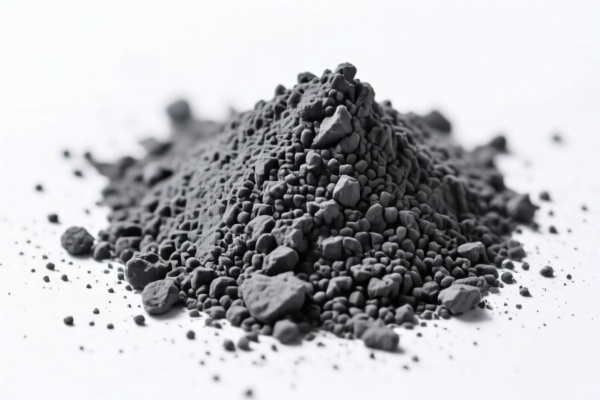
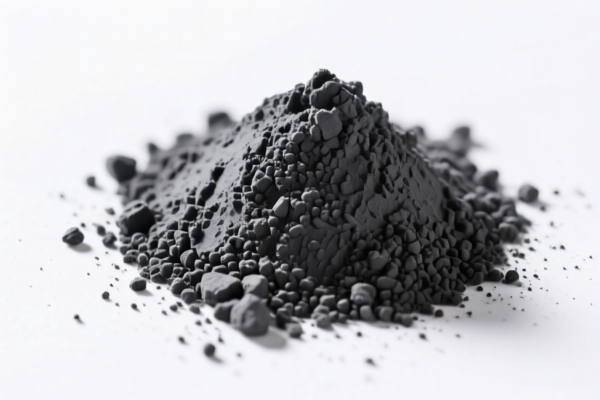
Iron ore powder, often referred to as "fines" or "screenings," is the crushed and screened by-product of iron ore mining and processing. It is a critical raw material for steelmaking, primarily used in the production of iron pellets or sinter. In international trade, the classification hinges on two main factors:
1. Form: Is it raw mined powder or processed pellets?
2. Processing Level: Has it been beneficiated (concentrated) or is it merely mined and crushed?
⚠️ Key Distinction Point:
- Raw/Unprocessed or Simply Crushed: Falls under Chapter 26.
- Pellets/Sintered Bloks: Even if made from powder, if agglomerated, they may fall under 2601.12 or 2601.20.
- Concentrates: If the iron content is significantly increased through physical separation, it is still generally classified under 2601, but with specific sub-headings for "concentrates."
📦 Part 2: HS Code Classification Details (2026 Latest Tariff Authority Comparison)
| HS Code | Product Description | Applicable Scenario | Iron Content / Processing Level |
|---|---|---|---|
2601.11.00.00 |
Iron ore concentrates | High-grade processed powder; iron content typically >30-60%; beneficiated | ✅ Beneficiated (Enriched) |
2601.12.00.00 |
Pellets of iron ore | Agglomerated powder into small balls; used directly in blast furnaces | ✅ Agglomerated |
2601.20.00.00 |
Iron oxides and hydroxides, whether or not calcined | Chemical grade iron oxide powders; not for metallurgical use | ❌ Non-metallurgical |
2601.19.00.00 |
Other iron ores and concentrates (non-pellet, non-concentrate) | Raw iron ore fines, screenings, or crushed ore with low processing | ✅ Raw/Crushed |
🔍 Important Reminder:
- Crucial for Steelmakers: Blast furnaces require either Sinter or Pellets. Raw powder (2601.19) is often unsuitable for direct use without further processing, affecting buyer requirements.
- Concentrates vs. Raw Ore: If the powder is a result of washing/separation to increase iron content, it is likely2601.11. If it is just crushed lump ore, it is2601.19.
- Pellets are NOT Powder: Pellets (2601.12) are spherical agglomerates. Do not confuse fine powder with pellets.
💰 Part 3: 2026 Latest Tariff Rate Details (Including Surtaxes & Policy Surcharges)
✅ Applicable Country: United States (US)
✅ Country of Origin: China (CN) [Note: Major iron ore exports come from Australia, Brazil, India, China]
✅ Effective Date: 2025/2026 Tariff Schedule
🎯 1. 2601.11.00.00 —— Iron Ore Concentrates
| Item | Content |
|---|---|
| Base Rate | 0% (ad valorem) |
| Section 301 Surcharge | 0% (Iron Ore is generally excluded from high-protection 301 lists due to US steel industry demand) |
| IEEPA Surcharge | 0% (Not typically targeted for raw materials) |
| Total Rate | 0% |
| Tax Calculation | CIF Value × 0% |
| De Minimis Eligibility | ❌ No (Bulk commodities usually declared via formal entry) |
| Legal Path | USITC:2601.11.00.00 |
📌 Explanation:
- The US relies heavily on imported iron ore. To protect domestic steelmaking competitiveness, iron ore concentrates and pellets are generally duty-free.
- Unlike electronics or machinery, raw steel inputs are not subject to the 25% Section 301 tariff.
🎯 2. 2601.12.00.00 —— Pellets of Iron Ore
| Item | Content |
|---|---|
| Base Rate | 0% |
| Section 301 Surcharge | 0% |
| IEEPA Surcharge | 0% |
| Total Rate | 0% |
| Tax Calculation | CIF Value × 0% |
| De Minimis Eligibility | ❌ No |
| Legal Path | USITC:2601.12.00.00 |
🎯 3. 2601.19.00.00 —— Other Iron Ores (Raw Powder/Fines)
| Item | Content |
|---|---|
| Base Rate | 0% |
| Section 301 Surcharge | 0% |
| IEEPA Surcharge | 0% |
| Total Rate | 0% |
| Tax Calculation | CIF Value × 0% |
| De Minimis Eligibility | ❌ No |
| Legal Path | USITC:2601.19.00.00 |
📌 Note:
- Zero Duty Environment: Currently, there are no additional tariffs on iron ore powders/pellets entering the US from most origins, including China, due to their status as essential industrial raw materials.
- Exception: Always verify if the ore contains hazardous contaminants (e.g., high arsenic or radioactive elements) which might trigger environmental or health regulations instead of tariffs.
🛠️ Part 4: Customs Clearance Practical Advice (Avoiding Pitfalls)
✅ 1. Documentation Checklist (Mandatory)
| Document | Must Provide | Explanation |
|---|---|---|
| ✅ Certificate of Origin (CO) | ✔️ | Critical for verifying country of origin; may affect anti-dumping duties if applicable (rare for raw ore). |
| ✅ Quality Analysis Report (Assay Sheet) | ✔️ | Most Critical: Must detail Fe% (Iron content), SiO2, Al2O3, Moisture, and Phosphorus/Sulfur levels. Customs uses this to confirm HS Code (e.g., Concentrate vs. Raw). |
| ✅ Bill of Lading (B/L) | ✔️ | Specify "Bulk Cargo" and weight. |
| ✅ Commercial Invoice | ✔️ | Clearly state "Iron Ore Powder/Fines" and grade. |
| ✅ MSDS / Safety Data Sheet | ✔️ | Some iron ore powders may be classified as hazardous if they contain specific impurities or are dust-prone (flammable/explosive risk). |
| ✅ Phytosanitary Certificate | ❌ Not Needed | Iron ore is inorganic. |
| ✅ Environmental Compliance Certificate | ✔️ If Applicable | To prove no radioactive waste or hazardous heavy metals above US EPA thresholds. |
✅ 2. Declaration Tips (Key Rules)
🔥 “Grade is King, Origin Matters, Dust Control is Key!”
| Scenario | Correct Declaration Method | Common Error |
|---|---|---|
| High Fe% (>30-40%), Processed | 2601.11.00.00 (Concentrates) |
Misdeclaring as raw ore (2601.19) → May trigger audits. |
| Low Fe%, Raw Crushed Ore | 2601.19.00.00 (Other Iron Ores) |
Misdeclaring as "Steel Scrap" → Wrong Chapter 72. |
| Agglomerated into Spheres | 2601.12.00.00 (Pellets) |
Calling it "powder" when it's pellets → Physical inspection mismatch. |
| Chemical Iron Oxide | 2601.20.00.00 |
Using metallurgical codes for chemical grade → Compliance risk. |
✅ 3. Special Situations & Risk Management
| Situation | Handling Advice |
|---|---|
| Anti-Dumping Duties (AD/CVD) | While rare for raw iron ore, some finished steel products from China face AD/CVD. Ensure your "powder" is not being mislabeled to evade duties on downstream products. |
| Dust & Environmental Compliance | Iron ore powder generates dust. US ports (e.g., Houston, LA) have strict environmental rules. Ensure vessels are covered and dust suppression plans are submitted. |
| Moisture Content | Overly wet ore can cause shifting of cargo in bulk carriers, leading to stability issues. Ensure Bill of Lading accurately reflects moisture content vs. transportable moisture limit (TML). |
| Radioactive Materials | Some iron ores (especially from certain regions) may have naturally occurring radioactive materials (NORM). Pre-shipment radiation testing is recommended to avoid port rejection. |
🌍 Part 5: Global Market Comparison (2026 Latest)
| Country/Region | Recommended HS Code | Tariff | Certification/Regulation | Notes |
|---|---|---|---|---|
| 🇺🇸 USA | 2601.11.00 / 2601.19.00 |
0% | EPA Environmental Rules, TMS (Bulk Cargo Safety) | Duty-free; strict on safety/dust. |
| 🇨🇳 China | 2601.11.00 / 2601.19.00 |
0% | GB Standards for Import Ore | Major importer; strict on P, S, As content. |
| 🇪🇺 EU | 2601.11.00 / 2601.19.00 |
0% | REACH, CBAM (Carbon Border Adjustment) | Important: EU's CBAM may apply to steel, but raw ore is exempt. Still, report carbon footprint. |
| 🇮🇳 India | 2601.11.00 / 2601.19.00 |
0-5% | BIS Standards | Varies by origin; check free trade agreements. |
| 🇯🇵 Japan | 2601.11.00 / 2601.19.00 |
0% | JIS Standards | High-quality standards for P/S content. |
📌 Conclusion:
- Iron Ore is a Zero-Tariff Commodity in most major markets for raw inputs.
- The Real Cost is Not Tariff, but Quality & Logistics: Freight, insurance, and quality penalties (discounts for low Fe% or high moisture) dominate the cost structure.
- CBAM (EU) Impact: While raw ore is exempt, be aware that downstream steel products face carbon tariffs. Supply chain transparency is key.
📌 Part 6: Common Mistakes & Pitfalls (Lessons Learned)
❌ Mistake 1: Confusing Iron Ore Powder with Steel Slag/Powder
👉 Consequence: Steel slag may be classified under 2615 or 2620, with different environmental restrictions. Misclassification leads to customs hold.
❌ Mistake 2: Ignoring Moisture Content (TML) on B/L
👉 Consequence: If actual moisture > TML, the vessel may be refused entry or cargo rejected as unsafe. This can lead to demurrage costs of thousands of dollars per day.
❌ Mistake 3: Using "Steel Scrap" as a generic description
👉 Consequence: Steel Scrap is Chapter 72, subject to different duties (often higher or restricted) and environmental laws. Iron Ore is Chapter 26. Mixing these up is a major red flag for customs.
❌ Mistake 4: Neglecting Heavy Metal Analysis
👉 Consequence: High levels of Arsenic (As), Cadmium (Cd), or Lead (Pb) in ore powder may violate EPA hazardous waste regulations. This can result in cargo return or destruction.
✅ Correct Action:
"Iron Ore Concentrate, Fe 62%, SiO2 4%, Moisture 8%, Origin: Australia, Certified Free from Hazardous Contaminants, Bulk Cargo, Covered Hold."
🎯 Part 7: Conclusion: Professional Classification, Safe & Efficient
🎯 Remember the Key Principles:
🔹 "Chapter 26 for Ore, Chapter 72 for Scrap, Chapter 73 for Steel."
🔹 "0% Tariff is Standard, but Quality Discounts are Real."
🔹 "Documentation Must Match Physical Grade (Fe%, Moisture, Dust)."
📌 Pro Tip:
If you are exporting Iron Ore Powder from China, ensure your Certificate of Origin clearly states the origin to benefit from any potential bilateral agreements. For the US, while duties are 0%, focus on environmental compliance and safety certifications to avoid port delays.
📣 Immediate Action:
📞 Verify your Assay Sheet data with your freight forwarder.
📄 Ensure your Bill of Lading accurately describes the cargo as "Iron Ore Powder/Fines/Pellets" and not generic "Minerals."
🚀 Prioritize Quality Control to avoid financial penalties from buyers based on grade discrepancies.
✨ Professional Logistics, From Precise Classification to Efficient Delivery!
💼 Your Iron Ore Powder is a High-Value Industrial Asset—Handle It with Expertise!
用户评价
关于 HS 编码归类
协调制度(HS)是由世界海关组织(WCO)制定的国际贸易商品分类标准。全球 200 多个国家采用 HS 系统作为海关关税、贸易统计和进出口监管的基础。
每个 HS 编码遵循以下层级结构:
- 章(2 位)——商品大类(例如:第 84 章:机器和机械设备)
- 品目(4 位)——章内的更具体分类
- 子目(6 位)——国际通用细分,所有 WCO 成员国统一使用
- 本国细分(8-10 位)——各国自行扩展的细分编码,如美国 HTSUS 10 位编码
正确的 HS 编码归类对于顺利通关、准确缴纳关税和遵守贸易法规至关重要。错误归类可能导致海关延误、多缴关税或罚款。
从CN进口到US时,适用的关税税率可能包括:
- 最惠国(MFN)税率——适用于 WTO 成员国的标准关税税率
- 普通税率——适用于无贸易协定国家
- 贸易救济关税——附加关税,如 301 条款(反倾销)、232 条款(国家安全)或反补贴税
本页内容仅供参考。如需正式归类,请咨询当地海关或持牌报关代理。