Iron Ore Powder
CN → USProduct Images


AI Analysis
🚛 Iron Ore Powder (Fines/Pellets Feed)
🌐 HS Code Reference & Customs Clearance Guide | 2026 Latest Tariff Analysis | Professional Logistics Strategy
📌 Part 1: Product Definition & Classification: What Exactly is "Iron Ore Powder"?
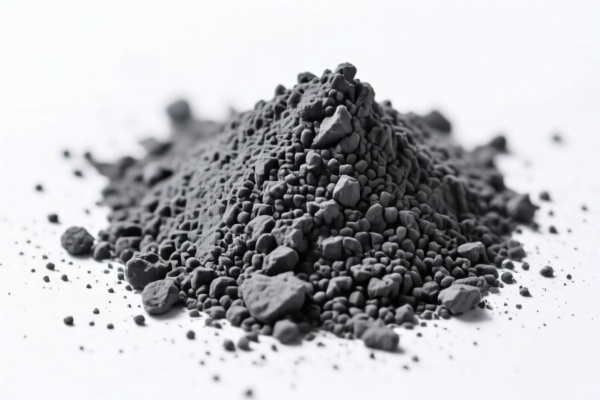
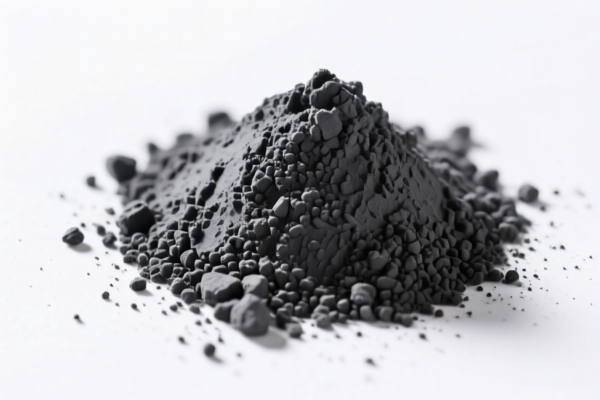
Iron ore powder, often referred to as "fines" or "screenings," is the crushed and screened by-product of iron ore mining and processing. It is a critical raw material for steelmaking, primarily used in the production of iron pellets or sinter. In international trade, the classification hinges on two main factors:
1. Form: Is it raw mined powder or processed pellets?
2. Processing Level: Has it been beneficiated (concentrated) or is it merely mined and crushed?
⚠️ Key Distinction Point:
- Raw/Unprocessed or Simply Crushed: Falls under Chapter 26.
- Pellets/Sintered Bloks: Even if made from powder, if agglomerated, they may fall under 2601.12 or 2601.20.
- Concentrates: If the iron content is significantly increased through physical separation, it is still generally classified under 2601, but with specific sub-headings for "concentrates."
📦 Part 2: HS Code Classification Details (2026 Latest Tariff Authority Comparison)
| HS Code | Product Description | Applicable Scenario | Iron Content / Processing Level |
|---|---|---|---|
2601.11.00.00 |
Iron ore concentrates | High-grade processed powder; iron content typically >30-60%; beneficiated | ✅ Beneficiated (Enriched) |
2601.12.00.00 |
Pellets of iron ore | Agglomerated powder into small balls; used directly in blast furnaces | ✅ Agglomerated |
2601.20.00.00 |
Iron oxides and hydroxides, whether or not calcined | Chemical grade iron oxide powders; not for metallurgical use | ❌ Non-metallurgical |
2601.19.00.00 |
Other iron ores and concentrates (non-pellet, non-concentrate) | Raw iron ore fines, screenings, or crushed ore with low processing | ✅ Raw/Crushed |
🔍 Important Reminder:
- Crucial for Steelmakers: Blast furnaces require either Sinter or Pellets. Raw powder (2601.19) is often unsuitable for direct use without further processing, affecting buyer requirements.
- Concentrates vs. Raw Ore: If the powder is a result of washing/separation to increase iron content, it is likely2601.11. If it is just crushed lump ore, it is2601.19.
- Pellets are NOT Powder: Pellets (2601.12) are spherical agglomerates. Do not confuse fine powder with pellets.
💰 Part 3: 2026 Latest Tariff Rate Details (Including Surtaxes & Policy Surcharges)
✅ Applicable Country: United States (US)
✅ Country of Origin: China (CN) [Note: Major iron ore exports come from Australia, Brazil, India, China]
✅ Effective Date: 2025/2026 Tariff Schedule
🎯 1. 2601.11.00.00 —— Iron Ore Concentrates
| Item | Content |
|---|---|
| Base Rate | 0% (ad valorem) |
| Section 301 Surcharge | 0% (Iron Ore is generally excluded from high-protection 301 lists due to US steel industry demand) |
| IEEPA Surcharge | 0% (Not typically targeted for raw materials) |
| Total Rate | 0% |
| Tax Calculation | CIF Value × 0% |
| De Minimis Eligibility | ❌ No (Bulk commodities usually declared via formal entry) |
| Legal Path | USITC:2601.11.00.00 |
📌 Explanation:
- The US relies heavily on imported iron ore. To protect domestic steelmaking competitiveness, iron ore concentrates and pellets are generally duty-free.
- Unlike electronics or machinery, raw steel inputs are not subject to the 25% Section 301 tariff.
🎯 2. 2601.12.00.00 —— Pellets of Iron Ore
| Item | Content |
|---|---|
| Base Rate | 0% |
| Section 301 Surcharge | 0% |
| IEEPA Surcharge | 0% |
| Total Rate | 0% |
| Tax Calculation | CIF Value × 0% |
| De Minimis Eligibility | ❌ No |
| Legal Path | USITC:2601.12.00.00 |
🎯 3. 2601.19.00.00 —— Other Iron Ores (Raw Powder/Fines)
| Item | Content |
|---|---|
| Base Rate | 0% |
| Section 301 Surcharge | 0% |
| IEEPA Surcharge | 0% |
| Total Rate | 0% |
| Tax Calculation | CIF Value × 0% |
| De Minimis Eligibility | ❌ No |
| Legal Path | USITC:2601.19.00.00 |
📌 Note:
- Zero Duty Environment: Currently, there are no additional tariffs on iron ore powders/pellets entering the US from most origins, including China, due to their status as essential industrial raw materials.
- Exception: Always verify if the ore contains hazardous contaminants (e.g., high arsenic or radioactive elements) which might trigger environmental or health regulations instead of tariffs.
🛠️ Part 4: Customs Clearance Practical Advice (Avoiding Pitfalls)
✅ 1. Documentation Checklist (Mandatory)
| Document | Must Provide | Explanation |
|---|---|---|
| ✅ Certificate of Origin (CO) | ✔️ | Critical for verifying country of origin; may affect anti-dumping duties if applicable (rare for raw ore). |
| ✅ Quality Analysis Report (Assay Sheet) | ✔️ | Most Critical: Must detail Fe% (Iron content), SiO2, Al2O3, Moisture, and Phosphorus/Sulfur levels. Customs uses this to confirm HS Code (e.g., Concentrate vs. Raw). |
| ✅ Bill of Lading (B/L) | ✔️ | Specify "Bulk Cargo" and weight. |
| ✅ Commercial Invoice | ✔️ | Clearly state "Iron Ore Powder/Fines" and grade. |
| ✅ MSDS / Safety Data Sheet | ✔️ | Some iron ore powders may be classified as hazardous if they contain specific impurities or are dust-prone (flammable/explosive risk). |
| ✅ Phytosanitary Certificate | ❌ Not Needed | Iron ore is inorganic. |
| ✅ Environmental Compliance Certificate | ✔️ If Applicable | To prove no radioactive waste or hazardous heavy metals above US EPA thresholds. |
✅ 2. Declaration Tips (Key Rules)
🔥 “Grade is King, Origin Matters, Dust Control is Key!”
| Scenario | Correct Declaration Method | Common Error |
|---|---|---|
| High Fe% (>30-40%), Processed | 2601.11.00.00 (Concentrates) |
Misdeclaring as raw ore (2601.19) → May trigger audits. |
| Low Fe%, Raw Crushed Ore | 2601.19.00.00 (Other Iron Ores) |
Misdeclaring as "Steel Scrap" → Wrong Chapter 72. |
| Agglomerated into Spheres | 2601.12.00.00 (Pellets) |
Calling it "powder" when it's pellets → Physical inspection mismatch. |
| Chemical Iron Oxide | 2601.20.00.00 |
Using metallurgical codes for chemical grade → Compliance risk. |
✅ 3. Special Situations & Risk Management
| Situation | Handling Advice |
|---|---|
| Anti-Dumping Duties (AD/CVD) | While rare for raw iron ore, some finished steel products from China face AD/CVD. Ensure your "powder" is not being mislabeled to evade duties on downstream products. |
| Dust & Environmental Compliance | Iron ore powder generates dust. US ports (e.g., Houston, LA) have strict environmental rules. Ensure vessels are covered and dust suppression plans are submitted. |
| Moisture Content | Overly wet ore can cause shifting of cargo in bulk carriers, leading to stability issues. Ensure Bill of Lading accurately reflects moisture content vs. transportable moisture limit (TML). |
| Radioactive Materials | Some iron ores (especially from certain regions) may have naturally occurring radioactive materials (NORM). Pre-shipment radiation testing is recommended to avoid port rejection. |
🌍 Part 5: Global Market Comparison (2026 Latest)
| Country/Region | Recommended HS Code | Tariff | Certification/Regulation | Notes |
|---|---|---|---|---|
| 🇺🇸 USA | 2601.11.00 / 2601.19.00 |
0% | EPA Environmental Rules, TMS (Bulk Cargo Safety) | Duty-free; strict on safety/dust. |
| 🇨🇳 China | 2601.11.00 / 2601.19.00 |
0% | GB Standards for Import Ore | Major importer; strict on P, S, As content. |
| 🇪🇺 EU | 2601.11.00 / 2601.19.00 |
0% | REACH, CBAM (Carbon Border Adjustment) | Important: EU's CBAM may apply to steel, but raw ore is exempt. Still, report carbon footprint. |
| 🇮🇳 India | 2601.11.00 / 2601.19.00 |
0-5% | BIS Standards | Varies by origin; check free trade agreements. |
| 🇯🇵 Japan | 2601.11.00 / 2601.19.00 |
0% | JIS Standards | High-quality standards for P/S content. |
📌 Conclusion:
- Iron Ore is a Zero-Tariff Commodity in most major markets for raw inputs.
- The Real Cost is Not Tariff, but Quality & Logistics: Freight, insurance, and quality penalties (discounts for low Fe% or high moisture) dominate the cost structure.
- CBAM (EU) Impact: While raw ore is exempt, be aware that downstream steel products face carbon tariffs. Supply chain transparency is key.
📌 Part 6: Common Mistakes & Pitfalls (Lessons Learned)
❌ Mistake 1: Confusing Iron Ore Powder with Steel Slag/Powder
👉 Consequence: Steel slag may be classified under 2615 or 2620, with different environmental restrictions. Misclassification leads to customs hold.
❌ Mistake 2: Ignoring Moisture Content (TML) on B/L
👉 Consequence: If actual moisture > TML, the vessel may be refused entry or cargo rejected as unsafe. This can lead to demurrage costs of thousands of dollars per day.
❌ Mistake 3: Using "Steel Scrap" as a generic description
👉 Consequence: Steel Scrap is Chapter 72, subject to different duties (often higher or restricted) and environmental laws. Iron Ore is Chapter 26. Mixing these up is a major red flag for customs.
❌ Mistake 4: Neglecting Heavy Metal Analysis
👉 Consequence: High levels of Arsenic (As), Cadmium (Cd), or Lead (Pb) in ore powder may violate EPA hazardous waste regulations. This can result in cargo return or destruction.
✅ Correct Action:
"Iron Ore Concentrate, Fe 62%, SiO2 4%, Moisture 8%, Origin: Australia, Certified Free from Hazardous Contaminants, Bulk Cargo, Covered Hold."
🎯 Part 7: Conclusion: Professional Classification, Safe & Efficient
🎯 Remember the Key Principles:
🔹 "Chapter 26 for Ore, Chapter 72 for Scrap, Chapter 73 for Steel."
🔹 "0% Tariff is Standard, but Quality Discounts are Real."
🔹 "Documentation Must Match Physical Grade (Fe%, Moisture, Dust)."
📌 Pro Tip:
If you are exporting Iron Ore Powder from China, ensure your Certificate of Origin clearly states the origin to benefit from any potential bilateral agreements. For the US, while duties are 0%, focus on environmental compliance and safety certifications to avoid port delays.
📣 Immediate Action:
📞 Verify your Assay Sheet data with your freight forwarder.
📄 Ensure your Bill of Lading accurately describes the cargo as "Iron Ore Powder/Fines/Pellets" and not generic "Minerals."
🚀 Prioritize Quality Control to avoid financial penalties from buyers based on grade discrepancies.
✨ Professional Logistics, From Precise Classification to Efficient Delivery!
💼 Your Iron Ore Powder is a High-Value Industrial Asset—Handle It with Expertise!
Customer Reviews
About HS Code Classification
The Harmonized System (HS) is an internationally standardized nomenclature developed by the World Customs Organization (WCO) to classify traded products. Over 200 countries use the HS system as the basis for customs tariffs, trade statistics, and import/export regulations.
Each HS code follows a hierarchical structure:
- Chapter (2 digits) — Broad category of goods (e.g., Chapter 84: Machinery and Mechanical Appliances)
- Heading (4 digits) — More specific grouping within the chapter
- Subheading (6 digits) — Internationally standardized breakdown, used by all WCO member countries
- National subdivisions (8-10 digits) — Country-specific extensions for further classification, such as US HTSUS 10-digit codes
Correct HS code classification is essential for smooth customs clearance, accurate duty payment, and compliance with trade regulations. Misclassification can lead to customs delays, overpayment of duties, or penalties.
When importing from CN to US, the applicable tariff rates may include:
- Most-Favored-Nation (MFN) rate — The standard duty rate applied to WTO members
- General rate — Applied to countries without trade agreements
- Trade remedy duties — Additional tariffs such as Section 301 (anti-dumping), Section 232 (national security), or countervailing duties
The information provided on this page is for reference purposes only. For official classification, please consult with your local customs authority or a licensed customs broker.