Irregular Wood Pellet Fuel
CN → US| HS编码 | 关税税率 | 原产国 | 目的国 | 文档 |
|---|---|---|---|---|
| 4401310000 | 35.0% | CN | US | 官方文档 |
| 4401394210 | 35.0% | CN | US | 官方文档 |
商品图片

AI分析
🪵 Irregular Wood Pellet Fuel (Biomass Energy)
🌐 HS Code Reference & Customs Clearance Guide | 2026 Latest Tariff Breakdown | Professional Clearance Strategy
📌 I. Product Definition & Classification: What is "Irregular Wood Pellet Fuel"?
Wood pellets, a form of solid biofuel, are categorized in international trade based on their physical form and processing level. The term "Irregular Wood Pellet Fuel" in a commercial context typically refers to two distinct classifications under HS Code 4401:
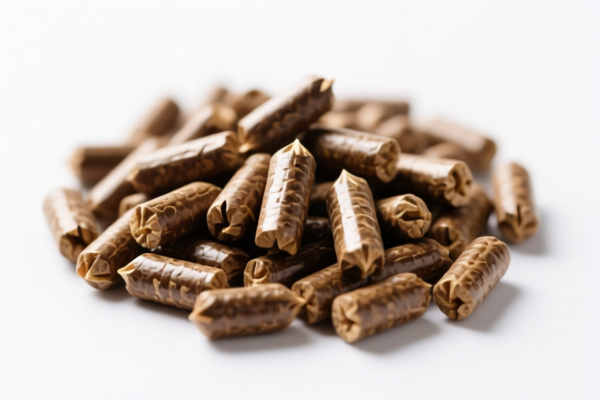
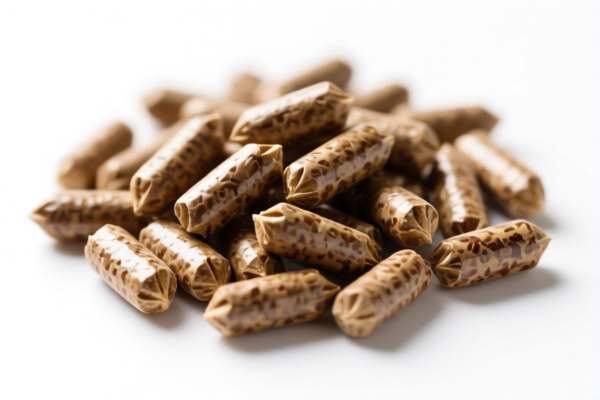
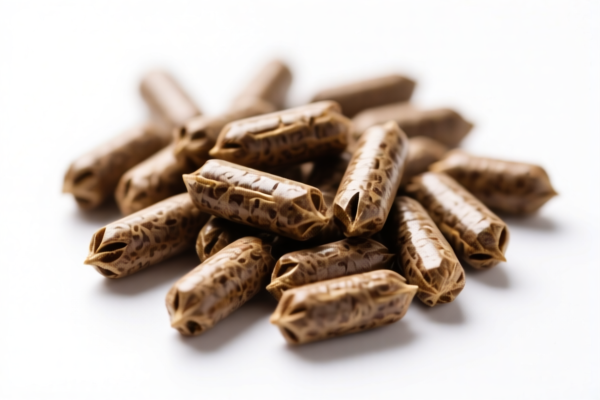
- Standard Wood Pellets: Uniformly shaped, machine-extruded cylinders (the most common form of commercial fuel).
- Irregular/Other Agglomerated Sawdust: Wood waste and scrap agglomerated into logs, briquettes, or non-standard pellets (often referred to as "irregular" if not uniform cylinders).
⚠️ Critical Distinction:
- If the product consists of uniform, cylindrical pellets made from sawdust/wood waste →归入 4401.31.00.00
- If the product consists of other agglomerated forms (briquettes, irregular blocks, or non-cylindrical particles) →归入 4401.39.42.10
- Note: Raw sawdust without agglomeration does not fall under these "pellet/briquette" codes but may fall under other 4401 subheadings. This guide focuses on the agglomerated forms as implied by "pellet fuel."
📦 II. HS Code Classification Details (2026 Latest Tariff Authority)
| HS Code | Product Description | Typical Appearance | Processing Level |
|---|---|---|---|
4401.31.00.00 |
Sawdust and wood waste/scrap, agglomerated: Wood Pellets | Uniform cylindrical pellets (6-8mm diameter) | High-density, extruded |
4401.39.42.10 |
Sawdust and wood waste/scrap, agglomerated: Other: Other Sawdust (Briquettes/Irregular) | Irregular blocks, briquettes, or non-standard agglomerates | Compressed, molded, or irregularly formed |
🔍 Key Reminder:
- "Wood Pellets" (4401.31) are strictly defined as cylindrical forms.
- "Other" (4401.39) covers briquettes, irregular logs, or any agglomerated form that is not a standard pellet.
- If your product is "irregular" in shape (e.g., square briquettes, uneven chunks), it likely falls under 4401.39.42.10, not 4401.31.
💰 III. 2026 Latest Tariff Rate Breakdown (Including Additional Duties)
✅ Applicable Country: United States (US)
✅ Country of Origin: China (CN)
✅ Effective Date: From November 10, 2025 (including subsequent imports)
🎯 1. 4401.31.00.00 —— Wood Pellets (Standard Cylindrical)
| Item | Details |
|---|---|
| Base Tariff | 0% (ad valorem) |
| Additional Tariff | +25.0% (Section 301 / USITC Footnote) |
| Total Tax Rate | 25.0% |
| Tax Calculation | CIF Value × 25% |
| De Minimis Exemption | ❌ Not Applicable (DENY) |
| Legal Basis Path | HS:4401.31.00.00 → USITC Footnote → Section 301 |
📌 Explanation:
- Despite a 0% base tariff, US imports of Chinese-origin wood pellets are subject to a 25% additional tariff under Section 301.
- This is a high-cost entry category for biomass energy suppliers.
- No de minimis exemption applies; even small shipments are taxed at 25%.
🎯 2. 4401.39.42.10 —— Other Agglomerated Sawdust (Briquettes/Irregular)
| Item | Details |
|---|---|
| Base Tariff | 0% (ad valorem) |
| Additional Tariff | +25.0% (Section 301 / USITC Footnote) |
| Total Tax Rate | 25.0% |
| Tax Calculation | CIF Value × 25% |
| De Minimis Exemption | ❌ Not Applicable (DENY) |
| Legal Basis Path | HS:4401.39.42.10 → USITC Footnote → Section 301 |
📌 Note:
- Similar to standard pellets, briquettes and irregular agglomerates face the same 25% additional tariff.
- The 0% base rate is canceled out by the 25% punitive tariff.
- Do not assume "irregular" forms receive lower tariffs; they are equally taxed under Section 301.
🛠️ IV. Customs Clearance Operational Advice (Practical Pitfall Avoidance)
✅ 1. Required Documentation Checklist (Non-negotiable)
| Document | Required? | Notes |
|---|---|---|
| ✅ Commercial Invoice | ✔️ | Must clearly state "Wood Pellets" or "Wood Briquettes" and specify origin (e.g., China). |
| ✅ Packing List | ✔️ | Detail weight, volume, and number of bags/pallets. |
| ✅ Certificate of Origin (CO) | ✔️ | Essential to prove origin for tariff application. |
| ✅ Phytosanitary Certificate | ✔️ | Critical for wood products. Must confirm treatment (e.g., ISPM 15) to prevent pest invasion. |
| ✅ Material Safety Data Sheet (MSDS) | ✔️ | For transport safety (combustible solid). |
| ✅ Bill of Lading (B/L) | ✔️ | Must match invoice description exactly. |
✅ 2. Declaration Tips (Key Mantras)
🔥 "Be Specific on Form, Declare Origin Clearly, Avoid Ambiguity!"
| Scenario | Correct Declaration | Wrong Practice |
|---|---|---|
| Standard Pellets | "Wood Pellets, Cylindrical, 6mm, HS 4401.31.00.00" | "Biomass Fuel" (Too vague → Delays) |
| Irregular Briquettes | "Wood Briquettes, Agglomerated Sawdust, HS 4401.39.42.10" | "Wood Chips" (Incorrect code → 4401.31 vs 4401.39) |
| Mixed Shipments | Separate HS codes for pellets and chips | "Mixed Wood Products" (High risk of misclassification) |
📌 Warning:
- "Wood Chips" (unagglomerated) and "Wood Pellets" (agglomerated) have different HS codes and may have different tariff treatments. Do not mix them in one declaration line if possible.
- If the product is irregular, ensure it is clearly described as "Briquettes" or "Agglomerated Sawdust", not "Pellets," to avoid penalty for misdeclaration.
✅ 3. Special Case Handling
| Case | Recommendation |
|---|---|
| OEM Private Label | Ensure invoice lists manufacturer’s name and brand separately. |
| Wood Treatment | Provide ISPM 15 fumigation/treatment certificate to avoid quarantine rejection. |
| Moisture Content | Specify moisture content (<20% ideal) on invoice; high moisture may trigger quality disputes but not tariff changes. |
| Origin Change | If sourced from Vietnam, Malaysia, or Canada, tariffs may be 0% (verify with latest USITC lists). |
🌍 V. Global Market Clearance Comparison (2026 Latest)
| Country/Region | Recommended HS Code | Tariff (China Origin) | Certification | Remarks |
|---|---|---|---|---|
| 🇺🇸 USA | 4401.31.00.00 / 4401.39.42.10 |
25% | ISPM 15 + MSDS | High tariff burden |
| 🇨🇳 China | 4401.31.00.00 |
0% | N/A | Export-friendly |
| 🇪🇺 EU | 4401.31.00.00 |
0% (if RED certified) | ENplus / FSC | Low tariff, high eco-standards |
| 🇬🇧 UK | 4401.31.00.00 |
0% | UKCA + FSC | Similar to EU post-Brexit |
| 🇯🇵 Japan | 4401.31.00.00 |
0% | JAS Standard | Strict quality control |
📌 Conclusion:
- USA imposes a 25% additional tariff on Chinese wood pellets/briquettes, making it the most expensive market for this commodity.
- EU, UK, and Japan offer 0% tariffs, but require strict sustainability certifications (ENplus, FSC, RED).
- Strategy: If targeting the US, consider diversifying supply chains (e.g., sourcing from Vietnam or Canada) to avoid the 25% tariff.
📌 VI. Common Errors & Pitfall Avoidance (Lessons Learned)
❌ Error 1: Declaring "Wood Pellets" when the product is "Wood Chips" (unagglomerated)
👉 Consequence: Misclassification → Penalties + Delays
❌ Error 2: Not providing a Phytosanitary Certificate
👉 Consequence: Quarantine rejection or destruction of goods
❌ Error 3: Using vague descriptions like "Biomass Fuel"
👉 Consequence: Customs questions the HS Code → Audits + Delays
❌ Error 4: Ignoring Moisture Content or Ash Content in specifications
👉 Consequence: Quality disputes with buyers, even if customs clears
✅ Correct Practice:
"Wood Pellets, Cylindrical, 6mm Diameter, Moisture <10%, Ash <1%, HS Code 4401.31.00.00, Origin China, ISPM 15 Treated"
🎯 VII. Conclusion: Professional Clearance, Cost Optimization!
🎯 Remember the Mantra:
🔹 "Pellets vs. Briquettes, HS Code Matters!"
🔹 "0% Base + 25% Additional = 25% Total!"
🔹 "Phytosanitary Certificate is a MUST!"
📌 Pro Tip:
- If your wood pellets are originating from countries other than China (e.g., Vietnam, Canada, Russia), verify if they qualify for 0% tariffs in the US under USMCA or Generalized System of Preferences (GSP).
- For US imports, consider Advance Ruling from CBP to confirm HS Code classification, especially for "irregular" agglomerated forms.
📣 Immediate Action:
📞 Contact a Licensed Customs Broker
📄 Prepare ISPM 15 Certificate + MSDS
🚀 Verify HS Code with CBP for "Irregular" Forms
💼 Optimize Supply Chain to Avoid 25% Tariff Where Possible!
✨ Professional Clearance Starts with Accurate Classification!
💼 Every Ton of Pellets is Worth Counting!
用户评价
关于 HS 编码归类
协调制度(HS)是由世界海关组织(WCO)制定的国际贸易商品分类标准。全球 200 多个国家采用 HS 系统作为海关关税、贸易统计和进出口监管的基础。
每个 HS 编码遵循以下层级结构:
- 章(2 位)——商品大类(例如:第 84 章:机器和机械设备)
- 品目(4 位)——章内的更具体分类
- 子目(6 位)——国际通用细分,所有 WCO 成员国统一使用
- 本国细分(8-10 位)——各国自行扩展的细分编码,如美国 HTSUS 10 位编码
正确的 HS 编码归类对于顺利通关、准确缴纳关税和遵守贸易法规至关重要。错误归类可能导致海关延误、多缴关税或罚款。
从CN进口到US时,适用的关税税率可能包括:
- 最惠国(MFN)税率——适用于 WTO 成员国的标准关税税率
- 普通税率——适用于无贸易协定国家
- 贸易救济关税——附加关税,如 301 条款(反倾销)、232 条款(国家安全)或反补贴税
本页内容仅供参考。如需正式归类,请咨询当地海关或持牌报关代理。