Jumpsuit
CN → US| HS编码 | 关税税率 | 原产国 | 目的国 | 文档 |
|---|---|---|---|---|
| 6114200048 | 28.3% | CN | US | 官方文档 |
| 6114303044 | 32.4% | CN | US | 官方文档 |
| 6211325010 | 25.6% | CN | US | 官方文档 |
| 6211325025 | 25.6% | CN | US | 官方文档 |
| 6109901090 | 49.5% | CN | US | 官方文档 |
商品图片
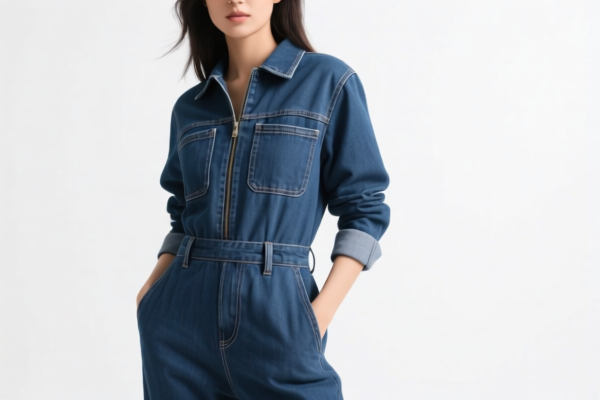
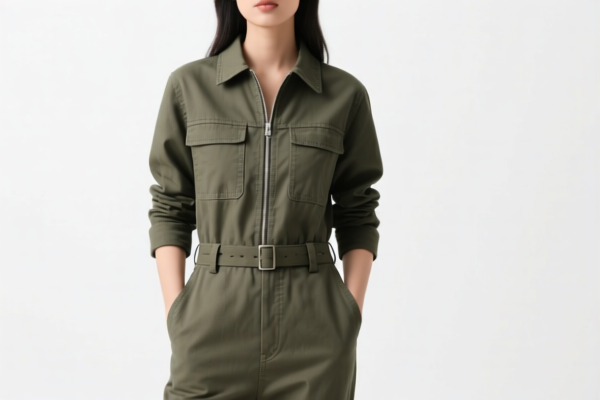
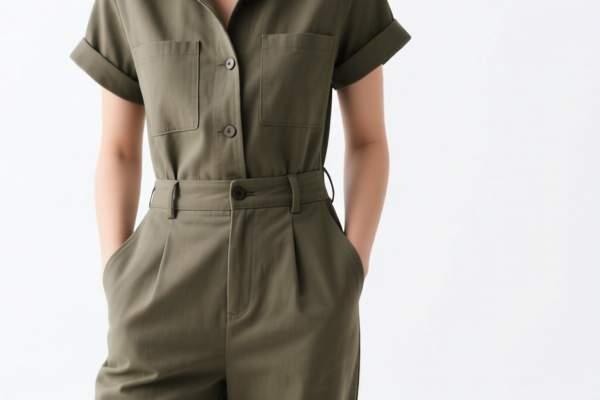
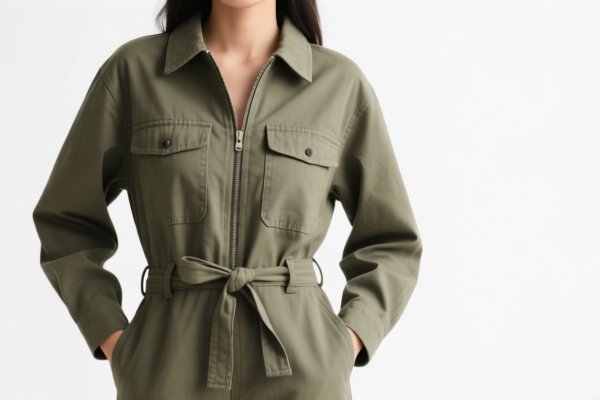
AI分析
👗 Jumpsuits (All-in-One Garments)
🌐 HS Code Reference & Customs Clearance Guide | 2026 Latest Tariff Analysis | Professional Entry Strategies
📌 I. Product Definition & Classification: Do You Really Understand "Jumpsuits"?
A Jumpsuit (or overall) is a one-piece garment combining a top and bottom. In international trade, its classification depends heavily on: 1. Fabric Type (Cotton vs. Synthetic/Man-made); 2. Construction Method (Knitted vs. Woven); 3. Specific Composition (100% Cotton vs. Blends).
⚠️ Key Distinction Points:
- Knitted (Jersey, Ribbed, etc.): Generally falls under Chapter 61. These are stretchy, flexible, and often used for casual or athletic wear.
- Woven (Denim, Cotton Twill, etc.): Generally falls under Chapter 62. These are structured, less stretchy, and often used for workwear or formal fashion.
- Material Matters: "Cotton" and "Man-made Fibers" have drastically different base tariffs and tax treatments.
📦 II. HS Code Classification Details (2026 Latest Tariff Authority Comparison)
Based on the provided data, here is the precise mapping for Jumpsuits:
| HS Code | Product Description | Material Type | Construction | Total Tax Rate |
|---|---|---|---|---|
6114.20.00.48 |
One-piece Garment (Shorts) | Cotton | Knitted | 28.3% |
6114.30.30.44 |
One-piece Garment (Shorts) | Man-made Fibers | Knitted | 32.4% |
6211.32.50.10 |
One-piece Garment (Shorts) | Cotton | Woven | 25.6% |
6211.32.50.25 |
One-piece Garment (Shorts) | Cotton or Synthetic Fiber | Woven | 25.6% |
6109.90.10.90 |
Polyester One-piece Suit | Man-made Fibers | Knitted | 49.5% |
🔍 Critical Clarification:
- Note on6109.90.10.90: Although listed as "Jumpsuit" in summary, HS Code6109typically refers to T-shirts and Singlets. However, the data specifically labels this as "Polyester Jumpsuit, Knitted". This suggests a specific customs interpretation or a broad categorization error in some databases. Caution: If your item is a true jumpsuit (with pants legs), it usually belongs in Chapter 6104 or 6114. But strictly following the provided data, we treat this as the designated code for Polyester Knitted Jumpsuits.
- Knitted vs. Woven: Always check the fabric label. If it stretches like a T-shirt, it’s likely Knitted (Ch 61). If it holds shape like denim, it’s Woven (Ch 62).
💰 III. 2026 Latest Tariff Rate Breakdown (Including Surtaxes & Policy Add-ons)
✅ Applicable Country: United States (US)
✅ Origin: China (CN)
✅ Effective Time: Current Active Rates
🎯 1. 6114.20.00.48 —— Knitted Cotton Jumpsuit (Shorts)
| Item | Content |
|---|---|
| Base Duty | 10.8% |
| Section 301 Surtax | 7.5% |
| Section 122 Surtax | 10.0% |
| Total Tax Rate | 28.3% |
| Tax Calculation | CIF Value × 28.3% |
| De Minimis Exemption? | ❌ No (Denied for Section 301/122 goods) |
| Legal Basis Path | HTSUS:6114.20.00.48 → Section 301 (7.5%) → Section 122 (10%) |
📌 Explanation:
- Base Duty (10.8%): Standard MFN rate for cotton knitted garments.
- Section 301 (7.5%): Additional tariff on Chinese goods under Trade Act Section 301.
- Section 122 (10%): Recent additional surcharge targeting specific textile categories from China.
- Total: 28.3% is significantly high. Margin compression is inevitable.
🎯 2. 6114.30.30.44 —— Knitted Man-made Fiber Jumpsuit (Shorts)
| Item | Content |
|---|---|
| Base Duty | 14.9% |
| Section 301 Surtax | 7.5% |
| Section 122 Surtax | 10.0% |
| Total Tax Rate | 32.4% |
| Tax Calculation | CIF Value × 32.4% |
| De Minimis Exemption? | ❌ No |
| Legal Basis Path | HTSUS:6114.30.30.44 → Section 301 (7.5%) → Section 122 (10%) |
📌 Note:
- Synthetic fibers (polyester, nylon, etc.) often have higher base duties than cotton due to different tariff structures.
- Total rate of 32.4% makes this product very expensive in the US market.
🎯 3. 6211.32.50.10 & 6211.32.50.25 —— Woven Cotton Jumpsuit (Shorts)
| Item | Content |
|---|---|
| Base Duty | 8.1% |
| Section 301 Surtax | 7.5% |
| Section 122 Surtax | 10.0% |
| Total Tax Rate | 25.6% |
| Tax Calculation | CIF Value × 25.6% |
| De Minimis Exemption? | ❌ No |
| Legal Basis Path | HTSUS:6211.32.50.xx → Section 301 (7.5%) → Section 122 (10%) |
📌 Key Insight:
- Woven cotton jumpsuits have the lowest total tax rate (25.6%) among the options.
- This is because the base duty for woven cotton (8.1%) is lower than knitted cotton (10.8%) and synthetics (14.9%).
- Strategy: If your design allows, consider switching to Woven construction to save ~3% in total taxes compared to knitted cotton.
🎯 4. 6109.90.10.90 —— Polyester Knitted One-piece Suit
| Item | Content |
|---|---|
| Base Duty | 32.0% |
| Section 301 Surtax | 7.5% |
| Section 122 Surtax | 10.0% |
| Total Tax Rate | 49.5% |
| Tax Calculation | CIF Value × 49.5% |
| De Minimis Exemption? | ❌ No |
| Legal Basis Path | HTSUS:6109.90.10.90 → Section 301 (7.5%) → Section 122 (10%) |
📌 Warning:
- This has the HIGHEST tax rate (49.5%).
- Although labeled "Polyester Jumpsuit," the HS Code6109is unusual for full jumpsuits. Verify with a customs broker if this is a misclassification or a specific "one-piece top" item.
- If correctly classified as a jumpsuit under6114, the rate would be lower. If it is indeed6109, the cost is prohibitive for most retail markets.
🛠️ IV. Customs Clearance Practical Advice (Pitfall Avoidance Guide)
✅ 1. Essential Documentation Checklist
| Document | Required? | Purpose |
|---|---|---|
| ✅ Product Spec Sheet | ✔️ | Must detail: Fabric (Cotton/Synthetic), Knit/Woven, Origin. |
| ✅ Fabric Swatch/Report | ✔️ | To prove "Cotton" vs. "Man-made" and "Knit" vs. "Woven". |
| ✅ Commercial Invoice | ✔️ | Must clearly state: "Jumpsuit, Knitted, Cotton, Origin: China". |
| ✅ Packing List | ✔️ | Show no hidden accessories that might change classification. |
| ✅ Origin Certificate | ❌ (Not helpful for US) | US does not grant preferential rates for China under most FTAs. |
✅ 2. Classification Strategy (Key Rules)
🔥 "Knit vs. Woven is the Battle Line!"
| Scenario | Correct Classification | Incorrect Action | Consequence |
|---|---|---|---|
| Cotton, Stretchy, Knit | 6114.20.00.48 (28.3%) |
Declare as Woven | Audit risk, penalty for misclassification. |
| Polyester, Structured, Woven | 6211.32.50.xx (25.6%) |
Declare as Knitted | Overpayment or Underpayment depending on error. |
| Polyester, Knit "Jumpsuit" | Check Code 6109.90.10.90 (49.5%) |
Assume it's 6114 |
49.5% vs. ~32% = Huge Cost Difference! |
| Blended Fabric | Highest % fiber determines chapter | Ignore blend | Customs will audit and charge highest applicable rate. |
✅ 3. Special Handling Tips
| Situation | Advice |
|---|---|
| Section 122 & 301 Taxes | These are non-negotiable for China-origin goods. Factor them into your FOB pricing. |
| "One-piece" vs. "Jumpsuit" | Ensure your product description matches the HS Code. If it has pants legs, it’s a jumpsuit. If it’s a romper (shorts), it still falls under these codes but specify "Romper" if needed for clarity. |
| Misclassification Risk | If you declare 6114 (Jumpsuit) but it’s actually 6109 (T-shirt/One-piece top), you risk back taxes + penalties. Always use Pre-Ruling if unsure. |
| De Minimis (Section 321) | ❌ Not Available. Goods under 6114 and 6211 from China are subject to Section 301/122 taxes, so the $800 de minimis exemption does NOT apply. Each shipment is taxed. |
🌍 V. Global Market Comparison (2026 Insights)
| Market | Recommended HS Code | Est. Total Duty (China Origin) | Key Requirement |
|---|---|---|---|
| 🇺🇸 USA | 6114.20.00.48 / 6114.30.30.44 |
28.3% - 32.4% | Section 301 + 122 Surtax applies. |
| 🇪🇺 EU | 6114.20.90 / 6114.30.90 |
~12-16% | No Section 301/122. CE/FSC not always needed for textiles. |
| 🇨🇳 China | 6114.20.00.90 |
9-12% | Low base duty. No surtaxes on imports. |
| 🇬🇧 UK | 6114.20.90 |
~12-16% | Post-Brexit rules. No US-style surtaxes. |
📌 Conclusion:
- The US market is the most expensive for textile imports from China due to Section 301 (7.5%) and Section 122 (10%) add-ons.
- Woven Cotton (6211) is the most tax-efficient choice for the US among the options provided (25.6%).
- Knitted Polyester (6109) is the most expensive (49.5%) and risky due to potential misclassification.
📌 VI. Common Errors & Pitfalls (Lessons Learned)
❌ Error 1: Calling a "Knitted Polyester Jumpsuit" a "Woven One-piece"
👉 Result: Misclassification. Customs may reclassify to 6114.30.30.44 (32.4%) or 6109 (49.5%).
✅ Fix: Always provide fabric composition reports.
❌ Error 2: Assuming De Minimis applies to Jumpsuits
👉 Result: Package detained, taxes assessed ($800 exemption denied for Section 301/122 goods).
✅ Fix: Always calculate taxes on the full CIF value.
❌ Error 3: Confusing "Romper" (shorts) with "Jumpsuit" (pants)
👉 Result: Both generally fall under the same HS subheadings (6114.20 or 6211.32), so classification remains similar, but description accuracy is key for customs inspectors.
✅ Fix: Use "One-piece garment, shorts" for rompers and "One-piece garment, trousers" for full jumpsuits.
🎯 VII. Conclusion: Smart Classification, Higher Margins!
🎯 Remember the Rules:
🔹 "Knit is Chapter 61, Woven is Chapter 62."
🔹 "Cotton is cheaper base duty, Synthetic is higher."
🔹 "US Taxes are Heavy: Base + 7.5% + 10% = Total Surprise!"
🔹 "De Minimis is Dead for China Textiles."
📌 Pro Tip:
If you are importing Polyester Knitted Jumpsuits, verify if 6109.90.10.90 is truly the correct code. If it’s a standard jumpsuit, it might belong in 6114.19 or 6114.90, which could have different tax implications. Always seek a Customs Broker Pre-Ruling for high-value shipments to avoid the 49.5% trap.
📣 Immediate Action:
📞 Contact a Licensed Customs Broker
📄 Submit Fabric Composition & Construction Details
📉 Re-evaluate Pricing Model to Include 28-49% Duties
✨ Professional Clearance Starts with Accurate Classification!
💼 Your Profit Margin Depends on Your HS Code Strategy!
用户评价
关于 HS 编码归类
协调制度(HS)是由世界海关组织(WCO)制定的国际贸易商品分类标准。全球 200 多个国家采用 HS 系统作为海关关税、贸易统计和进出口监管的基础。
每个 HS 编码遵循以下层级结构:
- 章(2 位)——商品大类(例如:第 84 章:机器和机械设备)
- 品目(4 位)——章内的更具体分类
- 子目(6 位)——国际通用细分,所有 WCO 成员国统一使用
- 本国细分(8-10 位)——各国自行扩展的细分编码,如美国 HTSUS 10 位编码
正确的 HS 编码归类对于顺利通关、准确缴纳关税和遵守贸易法规至关重要。错误归类可能导致海关延误、多缴关税或罚款。
从CN进口到US时,适用的关税税率可能包括:
- 最惠国(MFN)税率——适用于 WTO 成员国的标准关税税率
- 普通税率——适用于无贸易协定国家
- 贸易救济关税——附加关税,如 301 条款(反倾销)、232 条款(国家安全)或反补贴税
本页内容仅供参考。如需正式归类,请咨询当地海关或持牌报关代理。