Jumpsuit
CN → US| HS Code | Tariff Rate | Origin | Destination | Doc |
|---|---|---|---|---|
| 6114200048 | 28.3% | CN | US | Official Doc |
| 6114303044 | 32.4% | CN | US | Official Doc |
| 6211325010 | 25.6% | CN | US | Official Doc |
| 6211325025 | 25.6% | CN | US | Official Doc |
| 6109901090 | 49.5% | CN | US | Official Doc |
Product Images
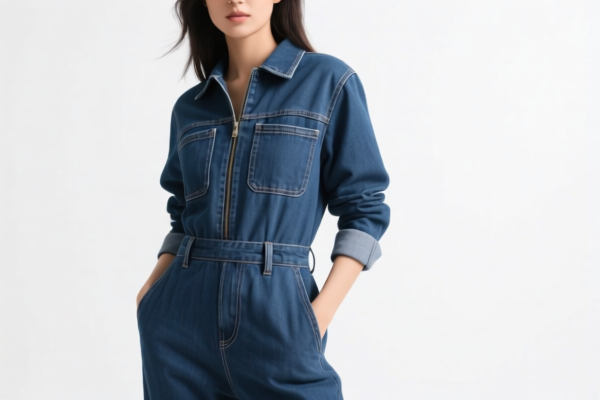
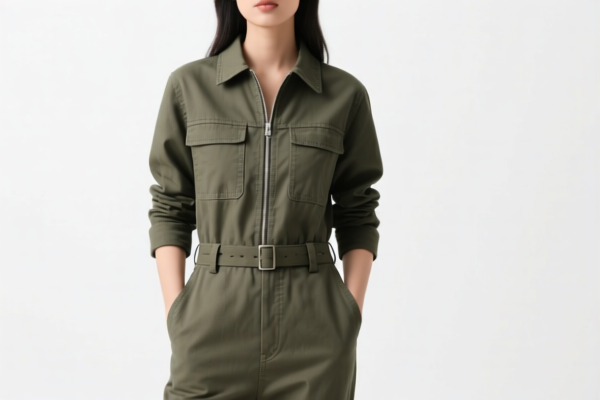
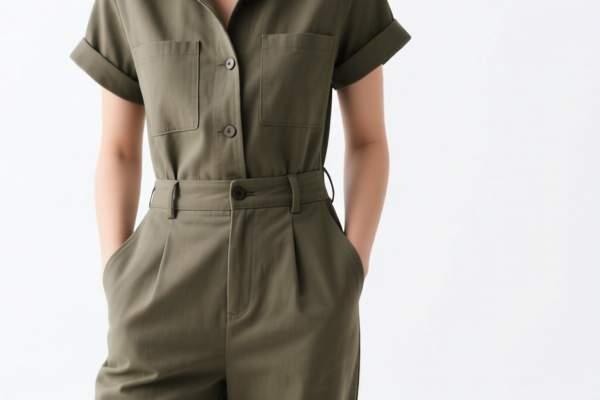
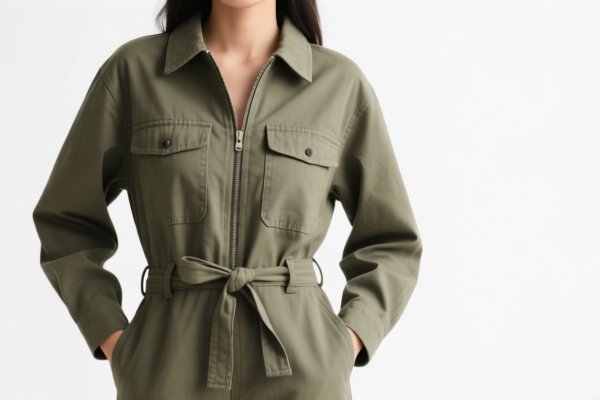
AI Analysis
👗 Jumpsuits (All-in-One Garments)
🌐 HS Code Reference & Customs Clearance Guide | 2026 Latest Tariff Analysis | Professional Entry Strategies
📌 I. Product Definition & Classification: Do You Really Understand "Jumpsuits"?
A Jumpsuit (or overall) is a one-piece garment combining a top and bottom. In international trade, its classification depends heavily on: 1. Fabric Type (Cotton vs. Synthetic/Man-made); 2. Construction Method (Knitted vs. Woven); 3. Specific Composition (100% Cotton vs. Blends).
⚠️ Key Distinction Points:
- Knitted (Jersey, Ribbed, etc.): Generally falls under Chapter 61. These are stretchy, flexible, and often used for casual or athletic wear.
- Woven (Denim, Cotton Twill, etc.): Generally falls under Chapter 62. These are structured, less stretchy, and often used for workwear or formal fashion.
- Material Matters: "Cotton" and "Man-made Fibers" have drastically different base tariffs and tax treatments.
📦 II. HS Code Classification Details (2026 Latest Tariff Authority Comparison)
Based on the provided data, here is the precise mapping for Jumpsuits:
| HS Code | Product Description | Material Type | Construction | Total Tax Rate |
|---|---|---|---|---|
6114.20.00.48 |
One-piece Garment (Shorts) | Cotton | Knitted | 28.3% |
6114.30.30.44 |
One-piece Garment (Shorts) | Man-made Fibers | Knitted | 32.4% |
6211.32.50.10 |
One-piece Garment (Shorts) | Cotton | Woven | 25.6% |
6211.32.50.25 |
One-piece Garment (Shorts) | Cotton or Synthetic Fiber | Woven | 25.6% |
6109.90.10.90 |
Polyester One-piece Suit | Man-made Fibers | Knitted | 49.5% |
🔍 Critical Clarification:
- Note on6109.90.10.90: Although listed as "Jumpsuit" in summary, HS Code6109typically refers to T-shirts and Singlets. However, the data specifically labels this as "Polyester Jumpsuit, Knitted". This suggests a specific customs interpretation or a broad categorization error in some databases. Caution: If your item is a true jumpsuit (with pants legs), it usually belongs in Chapter 6104 or 6114. But strictly following the provided data, we treat this as the designated code for Polyester Knitted Jumpsuits.
- Knitted vs. Woven: Always check the fabric label. If it stretches like a T-shirt, it’s likely Knitted (Ch 61). If it holds shape like denim, it’s Woven (Ch 62).
💰 III. 2026 Latest Tariff Rate Breakdown (Including Surtaxes & Policy Add-ons)
✅ Applicable Country: United States (US)
✅ Origin: China (CN)
✅ Effective Time: Current Active Rates
🎯 1. 6114.20.00.48 —— Knitted Cotton Jumpsuit (Shorts)
| Item | Content |
|---|---|
| Base Duty | 10.8% |
| Section 301 Surtax | 7.5% |
| Section 122 Surtax | 10.0% |
| Total Tax Rate | 28.3% |
| Tax Calculation | CIF Value × 28.3% |
| De Minimis Exemption? | ❌ No (Denied for Section 301/122 goods) |
| Legal Basis Path | HTSUS:6114.20.00.48 → Section 301 (7.5%) → Section 122 (10%) |
📌 Explanation:
- Base Duty (10.8%): Standard MFN rate for cotton knitted garments.
- Section 301 (7.5%): Additional tariff on Chinese goods under Trade Act Section 301.
- Section 122 (10%): Recent additional surcharge targeting specific textile categories from China.
- Total: 28.3% is significantly high. Margin compression is inevitable.
🎯 2. 6114.30.30.44 —— Knitted Man-made Fiber Jumpsuit (Shorts)
| Item | Content |
|---|---|
| Base Duty | 14.9% |
| Section 301 Surtax | 7.5% |
| Section 122 Surtax | 10.0% |
| Total Tax Rate | 32.4% |
| Tax Calculation | CIF Value × 32.4% |
| De Minimis Exemption? | ❌ No |
| Legal Basis Path | HTSUS:6114.30.30.44 → Section 301 (7.5%) → Section 122 (10%) |
📌 Note:
- Synthetic fibers (polyester, nylon, etc.) often have higher base duties than cotton due to different tariff structures.
- Total rate of 32.4% makes this product very expensive in the US market.
🎯 3. 6211.32.50.10 & 6211.32.50.25 —— Woven Cotton Jumpsuit (Shorts)
| Item | Content |
|---|---|
| Base Duty | 8.1% |
| Section 301 Surtax | 7.5% |
| Section 122 Surtax | 10.0% |
| Total Tax Rate | 25.6% |
| Tax Calculation | CIF Value × 25.6% |
| De Minimis Exemption? | ❌ No |
| Legal Basis Path | HTSUS:6211.32.50.xx → Section 301 (7.5%) → Section 122 (10%) |
📌 Key Insight:
- Woven cotton jumpsuits have the lowest total tax rate (25.6%) among the options.
- This is because the base duty for woven cotton (8.1%) is lower than knitted cotton (10.8%) and synthetics (14.9%).
- Strategy: If your design allows, consider switching to Woven construction to save ~3% in total taxes compared to knitted cotton.
🎯 4. 6109.90.10.90 —— Polyester Knitted One-piece Suit
| Item | Content |
|---|---|
| Base Duty | 32.0% |
| Section 301 Surtax | 7.5% |
| Section 122 Surtax | 10.0% |
| Total Tax Rate | 49.5% |
| Tax Calculation | CIF Value × 49.5% |
| De Minimis Exemption? | ❌ No |
| Legal Basis Path | HTSUS:6109.90.10.90 → Section 301 (7.5%) → Section 122 (10%) |
📌 Warning:
- This has the HIGHEST tax rate (49.5%).
- Although labeled "Polyester Jumpsuit," the HS Code6109is unusual for full jumpsuits. Verify with a customs broker if this is a misclassification or a specific "one-piece top" item.
- If correctly classified as a jumpsuit under6114, the rate would be lower. If it is indeed6109, the cost is prohibitive for most retail markets.
🛠️ IV. Customs Clearance Practical Advice (Pitfall Avoidance Guide)
✅ 1. Essential Documentation Checklist
| Document | Required? | Purpose |
|---|---|---|
| ✅ Product Spec Sheet | ✔️ | Must detail: Fabric (Cotton/Synthetic), Knit/Woven, Origin. |
| ✅ Fabric Swatch/Report | ✔️ | To prove "Cotton" vs. "Man-made" and "Knit" vs. "Woven". |
| ✅ Commercial Invoice | ✔️ | Must clearly state: "Jumpsuit, Knitted, Cotton, Origin: China". |
| ✅ Packing List | ✔️ | Show no hidden accessories that might change classification. |
| ✅ Origin Certificate | ❌ (Not helpful for US) | US does not grant preferential rates for China under most FTAs. |
✅ 2. Classification Strategy (Key Rules)
🔥 "Knit vs. Woven is the Battle Line!"
| Scenario | Correct Classification | Incorrect Action | Consequence |
|---|---|---|---|
| Cotton, Stretchy, Knit | 6114.20.00.48 (28.3%) |
Declare as Woven | Audit risk, penalty for misclassification. |
| Polyester, Structured, Woven | 6211.32.50.xx (25.6%) |
Declare as Knitted | Overpayment or Underpayment depending on error. |
| Polyester, Knit "Jumpsuit" | Check Code 6109.90.10.90 (49.5%) |
Assume it's 6114 |
49.5% vs. ~32% = Huge Cost Difference! |
| Blended Fabric | Highest % fiber determines chapter | Ignore blend | Customs will audit and charge highest applicable rate. |
✅ 3. Special Handling Tips
| Situation | Advice |
|---|---|
| Section 122 & 301 Taxes | These are non-negotiable for China-origin goods. Factor them into your FOB pricing. |
| "One-piece" vs. "Jumpsuit" | Ensure your product description matches the HS Code. If it has pants legs, it’s a jumpsuit. If it’s a romper (shorts), it still falls under these codes but specify "Romper" if needed for clarity. |
| Misclassification Risk | If you declare 6114 (Jumpsuit) but it’s actually 6109 (T-shirt/One-piece top), you risk back taxes + penalties. Always use Pre-Ruling if unsure. |
| De Minimis (Section 321) | ❌ Not Available. Goods under 6114 and 6211 from China are subject to Section 301/122 taxes, so the $800 de minimis exemption does NOT apply. Each shipment is taxed. |
🌍 V. Global Market Comparison (2026 Insights)
| Market | Recommended HS Code | Est. Total Duty (China Origin) | Key Requirement |
|---|---|---|---|
| 🇺🇸 USA | 6114.20.00.48 / 6114.30.30.44 |
28.3% - 32.4% | Section 301 + 122 Surtax applies. |
| 🇪🇺 EU | 6114.20.90 / 6114.30.90 |
~12-16% | No Section 301/122. CE/FSC not always needed for textiles. |
| 🇨🇳 China | 6114.20.00.90 |
9-12% | Low base duty. No surtaxes on imports. |
| 🇬🇧 UK | 6114.20.90 |
~12-16% | Post-Brexit rules. No US-style surtaxes. |
📌 Conclusion:
- The US market is the most expensive for textile imports from China due to Section 301 (7.5%) and Section 122 (10%) add-ons.
- Woven Cotton (6211) is the most tax-efficient choice for the US among the options provided (25.6%).
- Knitted Polyester (6109) is the most expensive (49.5%) and risky due to potential misclassification.
📌 VI. Common Errors & Pitfalls (Lessons Learned)
❌ Error 1: Calling a "Knitted Polyester Jumpsuit" a "Woven One-piece"
👉 Result: Misclassification. Customs may reclassify to 6114.30.30.44 (32.4%) or 6109 (49.5%).
✅ Fix: Always provide fabric composition reports.
❌ Error 2: Assuming De Minimis applies to Jumpsuits
👉 Result: Package detained, taxes assessed ($800 exemption denied for Section 301/122 goods).
✅ Fix: Always calculate taxes on the full CIF value.
❌ Error 3: Confusing "Romper" (shorts) with "Jumpsuit" (pants)
👉 Result: Both generally fall under the same HS subheadings (6114.20 or 6211.32), so classification remains similar, but description accuracy is key for customs inspectors.
✅ Fix: Use "One-piece garment, shorts" for rompers and "One-piece garment, trousers" for full jumpsuits.
🎯 VII. Conclusion: Smart Classification, Higher Margins!
🎯 Remember the Rules:
🔹 "Knit is Chapter 61, Woven is Chapter 62."
🔹 "Cotton is cheaper base duty, Synthetic is higher."
🔹 "US Taxes are Heavy: Base + 7.5% + 10% = Total Surprise!"
🔹 "De Minimis is Dead for China Textiles."
📌 Pro Tip:
If you are importing Polyester Knitted Jumpsuits, verify if 6109.90.10.90 is truly the correct code. If it’s a standard jumpsuit, it might belong in 6114.19 or 6114.90, which could have different tax implications. Always seek a Customs Broker Pre-Ruling for high-value shipments to avoid the 49.5% trap.
📣 Immediate Action:
📞 Contact a Licensed Customs Broker
📄 Submit Fabric Composition & Construction Details
📉 Re-evaluate Pricing Model to Include 28-49% Duties
✨ Professional Clearance Starts with Accurate Classification!
💼 Your Profit Margin Depends on Your HS Code Strategy!
Customer Reviews
About HS Code Classification
The Harmonized System (HS) is an internationally standardized nomenclature developed by the World Customs Organization (WCO) to classify traded products. Over 200 countries use the HS system as the basis for customs tariffs, trade statistics, and import/export regulations.
Each HS code follows a hierarchical structure:
- Chapter (2 digits) — Broad category of goods (e.g., Chapter 84: Machinery and Mechanical Appliances)
- Heading (4 digits) — More specific grouping within the chapter
- Subheading (6 digits) — Internationally standardized breakdown, used by all WCO member countries
- National subdivisions (8-10 digits) — Country-specific extensions for further classification, such as US HTSUS 10-digit codes
Correct HS code classification is essential for smooth customs clearance, accurate duty payment, and compliance with trade regulations. Misclassification can lead to customs delays, overpayment of duties, or penalties.
When importing from CN to US, the applicable tariff rates may include:
- Most-Favored-Nation (MFN) rate — The standard duty rate applied to WTO members
- General rate — Applied to countries without trade agreements
- Trade remedy duties — Additional tariffs such as Section 301 (anti-dumping), Section 232 (national security), or countervailing duties
The information provided on this page is for reference purposes only. For official classification, please consult with your local customs authority or a licensed customs broker.