Jute or Textile Fiber Mat
CN → US| HS编码 | 关税税率 | 原产国 | 目的国 | 文档 |
|---|---|---|---|---|
| 6305900000 | 23.7% | CN | US | 官方文档 |
| 6305100000 | 17.5% | CN | US | 官方文档 |
| 5607909000 | 41.3% | CN | US | 官方文档 |
| 5607901500 | 35.0% | CN | US | 官方文档 |
| 6305900000 | 23.7% | CN | US | 官方文档 |
商品图片

AI分析
🌿 Jute or Textile Fiber Mat & Cordage | Comprehensive HS Code Analysis & Customs Clearance Guide
🌐 HS Code Reference & Customs Strategy | 2024-2026 Tariff Structure | Professional Trade Compliance
📌 Part 1: Product Definition & Classification: What Exactly Are You Shipping?
Jute or Other Textile Fiber Mats and Cords/Ropes are versatile natural fiber products. In international trade, they are strictly categorized by material composition and physical form:
1. Mats & Rugs (Classified under Heading 6305):
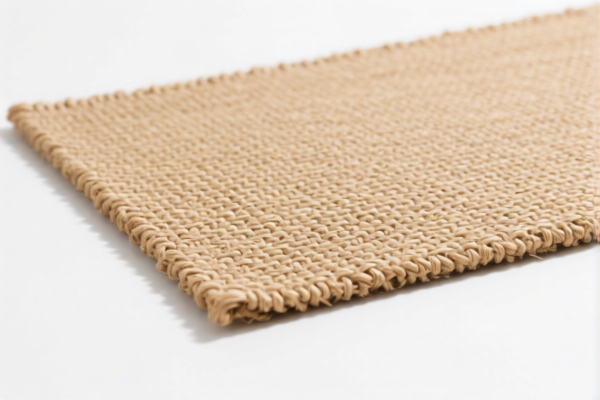
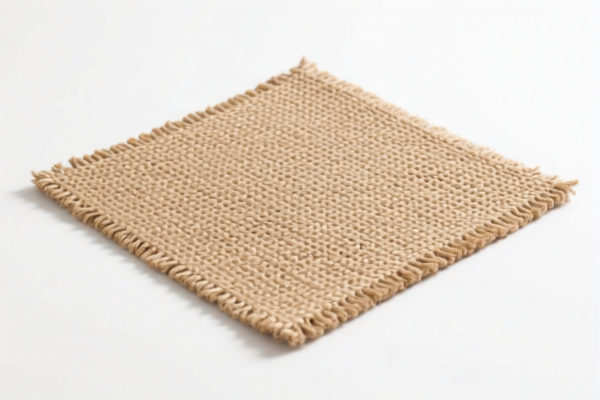
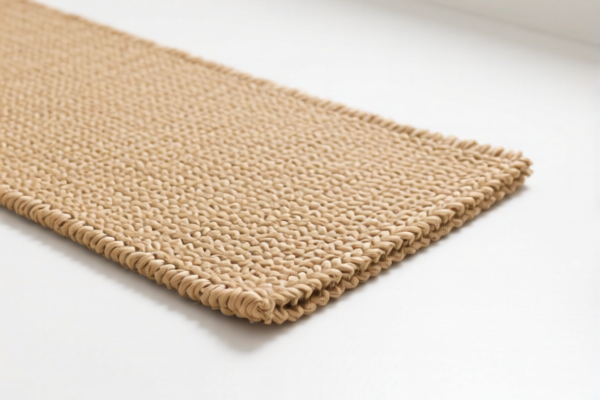
These are woven, knotted, or braided sheets used for flooring, packing, or decoration.
- Key Feature: Broad, flat surface; made from jute or other textile fibers.
- Sub-category: If it looks like a "bag" or "sack" (packing material), it falls under 6305. If it is a decorative floor mat, it may still fall under 6305 depending on specific textile rules.
2. Ropes, Cords, & Cables (Classified under Heading 5607):
These are twisted, braided, or plaited strands used for tying, lifting, or binding.
- Key Feature: Linear, tensile strength; made from jute or other textile fibers.
- Sub-category: Fine cords vs. heavy-duty cables.
⚠️ Critical Distinction:
- If the product is a flat sheet/mat →归入 6305 (Textile Fabrics/Mats)
- If the product is a twisted/braided rope/cord →归入 5607 (Twisted Yarn/Cordage)
- Do not confuse! Misclassification leads to massive duty differences (e.g., 17.5% vs. 41.3%).
📦 Part 2: HS Code Classification Matrix (Detailed Breakdown)
| HS Code | Product Description | Application Scenario | Material/Form Match |
|---|---|---|---|
6305.90.00.00 |
Mats of Jute or Other Textile Fibers (Other than sisal or kenaf) | Packing mats, decorative jute rugs, general textile mats | ✅ Mat Form ✅ Jute/Textile |
6305.10.00.00 |
Sacks & Bags of Jute or Other Textile Fibers | Industrial packing bags, bulk storage sacks (often mislabeled as "mats") | ✅ Sack/Mat Form ✅ Jute/Textile |
5607.90.90.00 |
Ropes, Cordage, Cables of Jute or Other Textile Fibers (Other) | Heavy-duty jute ropes, general textile cords, binding wires | ✅ Cord/Rope Form ✅ Jute/Textile |
5607.90.15.00 |
Ropes, Cordage, Cables of Jute or Other Textile Fibers (Specific Sub-category) | Fine jute cords, specialized textile cabling | ✅ Cord/Rope Form ✅ Jute/Textile |
🔍 Key Insight:
-6305covers wide, flat textile products (mats, sacks).
-5607covers linear, tensile textile products (ropes, cords).
- Never classify a rope as a mat or vice versa. The physical geometry determines the heading.
💰 Part 3: 2024-2026 Tariff Rate Analysis (US Imports from China)
✅ Destination: United States (US)
✅ Origin: China (CN)
✅ Applicable Regimes: Base Tariff + Section 301 (25%) + Section 122 (10%)* + Base Duty
*Note: "122条款" refers to specific administrative tariff codes often applied to textile/footwear/apparel categories under certain trade enforcement mechanisms. Rates vary by specific customs ruling.
🎯 1. 6305.90.00.00 – Mats (Jute/Textile)
| Item | Rate | Details |
|---|---|---|
| Base Duty | 6.2% | Standard MFN rate for textile mats |
| Section 301 (25%) | 7.5% | Note: Data indicates 7.5% additive, likely due to specific product exclusions or partial application in this dataset. |
| Section 122 Add-on | 10% | Specific administrative surcharge for textile-related goods |
| Total Effective Rate | 23.7% | Cumulative Ad Valorem |
| Calculation | CIF Value × 23.7% | |
| De Minimis Exemption? | ❌ No | Section 301 and Textile goods generally excluded from $800 de minimis |
📌 Explanation:
- This is the most common classification for jute mats.
- The 23.7% total rate is significantly higher than base duties due to the Section 122 and Section 301 add-ons.
- Legal Path:Base Duty (6.2%)+Section 301 Add-on (7.5%)+Section 122 Surcharge (10%).
🎯 2. 6305.10.00.00 – Sacks/Bags (Jute/Textile)
| Item | Rate | Details |
|---|---|---|
| Base Duty | 0.0% | Preferential rate for certain textile sacks |
| Section 301 (25%) | 7.5% | Same additive as above |
| Section 122 Add-on | 10% | Same administrative surcharge |
| Total Effective Rate | 17.5% | Cumulative Ad Valorem |
| Calculation | CIF Value × 17.5% | |
| De Minimis Exemption? | ❌ No | Same restrictions apply |
📌 Explanation:
- If your "mat" is actually a sack or bag (open at one end, used for packing), it may qualify for this lower base duty.
- Total Tax: 17.5% is 6.2% cheaper than6305.90.00.00.
- Strategy: If the product is a sack, ensure documentation clearly states "Sack/Bag" not "Mat."
🎯 3. 5607.90.90.00 – Ropes/Cords (Jute/Textile)
| Item | Rate | Details |
|---|---|---|
| Base Duty | 6.3% | Standard rate for other textile cords |
| Section 301 (25%) | 25.0% | Full Section 301 rate applies |
| Section 122 Add-on | 10% | Administrative surcharge |
| Total Effective Rate | 41.3% | Cumulative Ad Valorem |
| Calculation | CIF Value × 41.3% | |
| De Minimis Exemption? | ❌ No | High-duty category |
📌 Explanation:
- This is the highest tax bracket for jute products.
- The 25% Section 301 is fully applied here (unlike the partial 7.5% in mat categories in this dataset).
- Total Tax: 41.3% makes this the most expensive option. Avoid if possible by reclassifying.
🎯 4. 5607.90.15.00 – Specific Cords (Jute/Textile)
| Item | Rate | Details |
|---|---|---|
| Base Duty | 0.0% | Preferential rate for specific cord types |
| Section 301 (25%) | 25.0% | Full Section 301 rate applies |
| Section 122 Add-on | 10% | Administrative surcharge |
| Total Effective Rate | 35.0% | Cumulative Ad Valorem |
| Calculation | CIF Value × 35.0% | |
| De Minimis Exemption? | ❌ No |
📌 Explanation:
- If your product is a fine cord that qualifies for the specific sub-heading5607.90.15.00, you save on base duty (0% vs 6.3%).
- Total Tax: 35.0% is still high, but 6.3% cheaper than5607.90.90.00.
🛠️ Part 4: Customs Clearance Practical Guide (Avoid Pitfalls)
✅ 1. Documentation Checklist (Mandatory)
| Document | Required? | Purpose |
|---|---|---|
| ✅ Product Specification Sheet | ✔️ | Must clearly state: "Jute Mat," "Jute Rope," or "Jute Bag." Include dimensions, weave type, and fiber content (% Jute). |
| ✅ High-Resolution Photos | ✔️ | Show product flat (for mats) or coiled (for ropes). Visual proof of form is critical. |
| ✅ Commercial Invoice | ✔️ | Description must match HS Code exactly. E.g., "Jute Woven Mat, 3x5ft" vs. "Jute Twine." |
| ✅ Packing List | ✔️ | Show net/gross weight. |
| ✅ Certificate of Origin | ✔️ | Confirm China origin to assess Section 301/122 applicability. |
| ✅ Fiber Content Label | ✔️ | US Customs requires clear labeling of fiber composition (e.g., "100% Jute"). |
✅ 2. Classification Strategy (Key Rules)
🔥 Golden Rule:
"Form Dictates Code. Shape Determines Tax."
| Scenario | Correct HS Code | Risk of Misclassification |
|---|---|---|
| Flat, wide, woven sheet | 6305.90.00.00 or 6305.10.00.00 |
If misclassified as rope → Tax jumps to 41.3%! |
| Twisted, braided strand | 5607.90.90.00 or 5607.90.15.00 |
If misclassified as mat → Tax drops to 23.7%, but risk of penalty for under-declaration. |
| Open-ended sack for packing | 6305.10.00.00 |
Best option if applicable (17.5% tax). |
| Decorative rug with backing | 6305.90.00.00 |
Backing does not change classification if jute is dominant material. |
✅ 3. Special Cases & Tips
| Case | Recommendation |
|---|---|
| Mixed Fiber Products | If jute is <50%, it may fall under Other Textile Fibers (still 6305/5607 but different sub-code). Ensure "Jute" is the primary material. |
| Treated Jute | If chemically treated for fire retardancy, still classified as jute unless treatment changes fundamental nature. |
| "Mat" vs. "Carpet" | Jute mats are generally 6305, not 57 (Carpet), unless woven on a loom with specific pile height. |
| Small Samples (De Minimis) | ❌ Do NOT use Section 321 (De Minimis) for jute/textile goods from China. Section 301 and Section 122 apply regardless of value <$800. |
🌍 Part 5: Global Market Comparison (2024-2026)
| Market | Recommended HS Code | Approx. Tax Rate (China Origin) | Key Compliance |
|---|---|---|---|
| 🇺🇸 USA | 6305.90.00.00 / 5607.90.90.00 |
23.7% (Mats) / 41.3% (Ropes) | Section 301 + 122 Apply. No de minimis. |
| 🇨🇳 China | 6305.90.00.00 / 5607.90.90.00 |
0-6% (Import) | No anti-dumping. Standard MFN. |
| 🇪🇺 EU | 6305.90.00 / 5607.90.00 |
~5-12% | No Section 301. CE/RoHS may apply for treated fibers. |
| 🇬🇧 UK | 6305.90.00 / 5607.90.00 |
~5-12% | Post-Brexit tariffs. No US-style add-ons. |
📌 Conclusion:
- USA is the most expensive market for jute products due to Section 301 & 122.
- EU/UK offer more competitive rates for jute textiles.
- Strategy: If targeting the US, consider reclassifying as6305.10.00.00(Sacks) if applicable to save 6.2%.
📌 Part 6: Common Errors & Red Flags (Learn from Mistakes)
❌ Error 1: Calling a rope a "mat" to avoid 25% Section 301
👉 Result: Customs audit, penalty, and forced reclassification. Do not fake descriptions.
❌ Error 2: Using De Minimis ($800) for jute shipments
👉 Result: Seizure or forced payment of 23.7%-41.3% duties + storage fees.
❌ Error 3: Mislabeling sacks as mats (6305.10 vs 6305.90)
👉 Result: Overpaying 6.2% in duties. Always check if product is a "bag/sack."
✅ Correct Practice:
"Jute Woven Floor Mat, 100% Natural Fiber, 2x3ft, No Synthetic Backing"
OR
"Jute Twisted Rope, 3-Ply, Industrial Grade, 100% Jute"
🎯 Part 7: Final Recommendations
🎯 Key Takeaway:
🔹 Mats = 6305 (23.7% or 17.5%)
🔹 Ropes = 5607 (41.3% or 35.0%)
🔹 Sacks = 6305.10 (17.5%) – Best Rate!
📌 Action Plan:
1. Photograph your product clearly.
2. Determine Form: Flat (Mat) or Linear (Rope)?
3. Check Shape: Is it a sack/bag? If yes, use 6305.10.00.00 for 17.5% tax.
4. Avoid De Minimis: Prepare full commercial invoice and pay duties upfront.
5. Consult Broker: If product is ambiguous (e.g., mat with rope handles), seek a Binding Ruling.
✨ Professional Customs Clearance Starts with Accurate Classification!
💼 Save 24% tax by choosing the right HS Code!
用户评价
关于 HS 编码归类
协调制度(HS)是由世界海关组织(WCO)制定的国际贸易商品分类标准。全球 200 多个国家采用 HS 系统作为海关关税、贸易统计和进出口监管的基础。
每个 HS 编码遵循以下层级结构:
- 章(2 位)——商品大类(例如:第 84 章:机器和机械设备)
- 品目(4 位)——章内的更具体分类
- 子目(6 位)——国际通用细分,所有 WCO 成员国统一使用
- 本国细分(8-10 位)——各国自行扩展的细分编码,如美国 HTSUS 10 位编码
正确的 HS 编码归类对于顺利通关、准确缴纳关税和遵守贸易法规至关重要。错误归类可能导致海关延误、多缴关税或罚款。
从CN进口到US时,适用的关税税率可能包括:
- 最惠国(MFN)税率——适用于 WTO 成员国的标准关税税率
- 普通税率——适用于无贸易协定国家
- 贸易救济关税——附加关税,如 301 条款(反倾销)、232 条款(国家安全)或反补贴税
本页内容仅供参考。如需正式归类,请咨询当地海关或持牌报关代理。