Jute or Textile Fiber Mat
CN → US| HS Code | Tariff Rate | Origin | Destination | Doc |
|---|---|---|---|---|
| 6305900000 | 23.7% | CN | US | Official Doc |
| 6305100000 | 17.5% | CN | US | Official Doc |
| 5607909000 | 41.3% | CN | US | Official Doc |
| 5607901500 | 35.0% | CN | US | Official Doc |
| 6305900000 | 23.7% | CN | US | Official Doc |
Product Images

AI Analysis
🌿 Jute or Textile Fiber Mat & Cordage | Comprehensive HS Code Analysis & Customs Clearance Guide
🌐 HS Code Reference & Customs Strategy | 2024-2026 Tariff Structure | Professional Trade Compliance
📌 Part 1: Product Definition & Classification: What Exactly Are You Shipping?
Jute or Other Textile Fiber Mats and Cords/Ropes are versatile natural fiber products. In international trade, they are strictly categorized by material composition and physical form:
1. Mats & Rugs (Classified under Heading 6305):
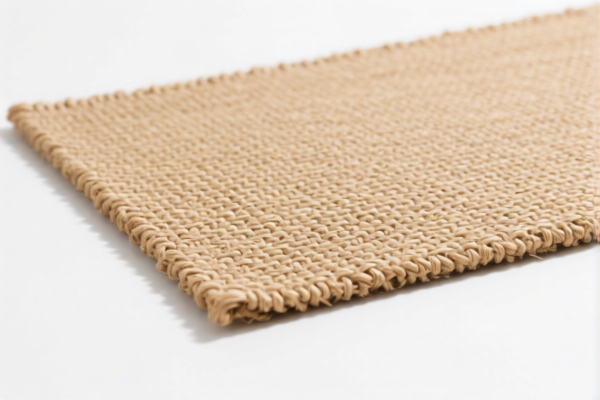
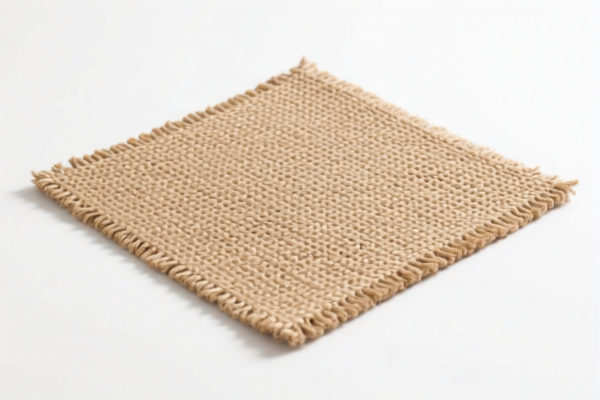
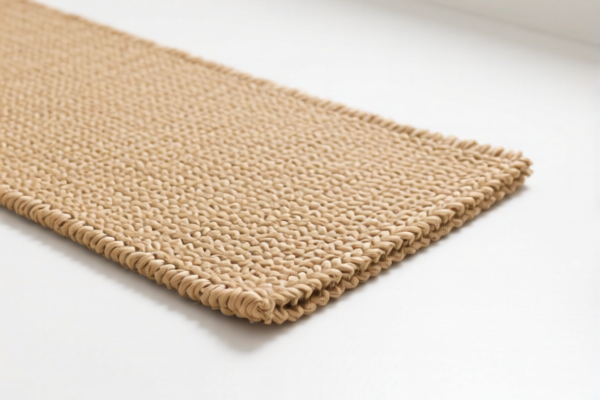
These are woven, knotted, or braided sheets used for flooring, packing, or decoration.
- Key Feature: Broad, flat surface; made from jute or other textile fibers.
- Sub-category: If it looks like a "bag" or "sack" (packing material), it falls under 6305. If it is a decorative floor mat, it may still fall under 6305 depending on specific textile rules.
2. Ropes, Cords, & Cables (Classified under Heading 5607):
These are twisted, braided, or plaited strands used for tying, lifting, or binding.
- Key Feature: Linear, tensile strength; made from jute or other textile fibers.
- Sub-category: Fine cords vs. heavy-duty cables.
⚠️ Critical Distinction:
- If the product is a flat sheet/mat →归入 6305 (Textile Fabrics/Mats)
- If the product is a twisted/braided rope/cord →归入 5607 (Twisted Yarn/Cordage)
- Do not confuse! Misclassification leads to massive duty differences (e.g., 17.5% vs. 41.3%).
📦 Part 2: HS Code Classification Matrix (Detailed Breakdown)
| HS Code | Product Description | Application Scenario | Material/Form Match |
|---|---|---|---|
6305.90.00.00 |
Mats of Jute or Other Textile Fibers (Other than sisal or kenaf) | Packing mats, decorative jute rugs, general textile mats | ✅ Mat Form ✅ Jute/Textile |
6305.10.00.00 |
Sacks & Bags of Jute or Other Textile Fibers | Industrial packing bags, bulk storage sacks (often mislabeled as "mats") | ✅ Sack/Mat Form ✅ Jute/Textile |
5607.90.90.00 |
Ropes, Cordage, Cables of Jute or Other Textile Fibers (Other) | Heavy-duty jute ropes, general textile cords, binding wires | ✅ Cord/Rope Form ✅ Jute/Textile |
5607.90.15.00 |
Ropes, Cordage, Cables of Jute or Other Textile Fibers (Specific Sub-category) | Fine jute cords, specialized textile cabling | ✅ Cord/Rope Form ✅ Jute/Textile |
🔍 Key Insight:
-6305covers wide, flat textile products (mats, sacks).
-5607covers linear, tensile textile products (ropes, cords).
- Never classify a rope as a mat or vice versa. The physical geometry determines the heading.
💰 Part 3: 2024-2026 Tariff Rate Analysis (US Imports from China)
✅ Destination: United States (US)
✅ Origin: China (CN)
✅ Applicable Regimes: Base Tariff + Section 301 (25%) + Section 122 (10%)* + Base Duty
*Note: "122条款" refers to specific administrative tariff codes often applied to textile/footwear/apparel categories under certain trade enforcement mechanisms. Rates vary by specific customs ruling.
🎯 1. 6305.90.00.00 – Mats (Jute/Textile)
| Item | Rate | Details |
|---|---|---|
| Base Duty | 6.2% | Standard MFN rate for textile mats |
| Section 301 (25%) | 7.5% | Note: Data indicates 7.5% additive, likely due to specific product exclusions or partial application in this dataset. |
| Section 122 Add-on | 10% | Specific administrative surcharge for textile-related goods |
| Total Effective Rate | 23.7% | Cumulative Ad Valorem |
| Calculation | CIF Value × 23.7% | |
| De Minimis Exemption? | ❌ No | Section 301 and Textile goods generally excluded from $800 de minimis |
📌 Explanation:
- This is the most common classification for jute mats.
- The 23.7% total rate is significantly higher than base duties due to the Section 122 and Section 301 add-ons.
- Legal Path:Base Duty (6.2%)+Section 301 Add-on (7.5%)+Section 122 Surcharge (10%).
🎯 2. 6305.10.00.00 – Sacks/Bags (Jute/Textile)
| Item | Rate | Details |
|---|---|---|
| Base Duty | 0.0% | Preferential rate for certain textile sacks |
| Section 301 (25%) | 7.5% | Same additive as above |
| Section 122 Add-on | 10% | Same administrative surcharge |
| Total Effective Rate | 17.5% | Cumulative Ad Valorem |
| Calculation | CIF Value × 17.5% | |
| De Minimis Exemption? | ❌ No | Same restrictions apply |
📌 Explanation:
- If your "mat" is actually a sack or bag (open at one end, used for packing), it may qualify for this lower base duty.
- Total Tax: 17.5% is 6.2% cheaper than6305.90.00.00.
- Strategy: If the product is a sack, ensure documentation clearly states "Sack/Bag" not "Mat."
🎯 3. 5607.90.90.00 – Ropes/Cords (Jute/Textile)
| Item | Rate | Details |
|---|---|---|
| Base Duty | 6.3% | Standard rate for other textile cords |
| Section 301 (25%) | 25.0% | Full Section 301 rate applies |
| Section 122 Add-on | 10% | Administrative surcharge |
| Total Effective Rate | 41.3% | Cumulative Ad Valorem |
| Calculation | CIF Value × 41.3% | |
| De Minimis Exemption? | ❌ No | High-duty category |
📌 Explanation:
- This is the highest tax bracket for jute products.
- The 25% Section 301 is fully applied here (unlike the partial 7.5% in mat categories in this dataset).
- Total Tax: 41.3% makes this the most expensive option. Avoid if possible by reclassifying.
🎯 4. 5607.90.15.00 – Specific Cords (Jute/Textile)
| Item | Rate | Details |
|---|---|---|
| Base Duty | 0.0% | Preferential rate for specific cord types |
| Section 301 (25%) | 25.0% | Full Section 301 rate applies |
| Section 122 Add-on | 10% | Administrative surcharge |
| Total Effective Rate | 35.0% | Cumulative Ad Valorem |
| Calculation | CIF Value × 35.0% | |
| De Minimis Exemption? | ❌ No |
📌 Explanation:
- If your product is a fine cord that qualifies for the specific sub-heading5607.90.15.00, you save on base duty (0% vs 6.3%).
- Total Tax: 35.0% is still high, but 6.3% cheaper than5607.90.90.00.
🛠️ Part 4: Customs Clearance Practical Guide (Avoid Pitfalls)
✅ 1. Documentation Checklist (Mandatory)
| Document | Required? | Purpose |
|---|---|---|
| ✅ Product Specification Sheet | ✔️ | Must clearly state: "Jute Mat," "Jute Rope," or "Jute Bag." Include dimensions, weave type, and fiber content (% Jute). |
| ✅ High-Resolution Photos | ✔️ | Show product flat (for mats) or coiled (for ropes). Visual proof of form is critical. |
| ✅ Commercial Invoice | ✔️ | Description must match HS Code exactly. E.g., "Jute Woven Mat, 3x5ft" vs. "Jute Twine." |
| ✅ Packing List | ✔️ | Show net/gross weight. |
| ✅ Certificate of Origin | ✔️ | Confirm China origin to assess Section 301/122 applicability. |
| ✅ Fiber Content Label | ✔️ | US Customs requires clear labeling of fiber composition (e.g., "100% Jute"). |
✅ 2. Classification Strategy (Key Rules)
🔥 Golden Rule:
"Form Dictates Code. Shape Determines Tax."
| Scenario | Correct HS Code | Risk of Misclassification |
|---|---|---|
| Flat, wide, woven sheet | 6305.90.00.00 or 6305.10.00.00 |
If misclassified as rope → Tax jumps to 41.3%! |
| Twisted, braided strand | 5607.90.90.00 or 5607.90.15.00 |
If misclassified as mat → Tax drops to 23.7%, but risk of penalty for under-declaration. |
| Open-ended sack for packing | 6305.10.00.00 |
Best option if applicable (17.5% tax). |
| Decorative rug with backing | 6305.90.00.00 |
Backing does not change classification if jute is dominant material. |
✅ 3. Special Cases & Tips
| Case | Recommendation |
|---|---|
| Mixed Fiber Products | If jute is <50%, it may fall under Other Textile Fibers (still 6305/5607 but different sub-code). Ensure "Jute" is the primary material. |
| Treated Jute | If chemically treated for fire retardancy, still classified as jute unless treatment changes fundamental nature. |
| "Mat" vs. "Carpet" | Jute mats are generally 6305, not 57 (Carpet), unless woven on a loom with specific pile height. |
| Small Samples (De Minimis) | ❌ Do NOT use Section 321 (De Minimis) for jute/textile goods from China. Section 301 and Section 122 apply regardless of value <$800. |
🌍 Part 5: Global Market Comparison (2024-2026)
| Market | Recommended HS Code | Approx. Tax Rate (China Origin) | Key Compliance |
|---|---|---|---|
| 🇺🇸 USA | 6305.90.00.00 / 5607.90.90.00 |
23.7% (Mats) / 41.3% (Ropes) | Section 301 + 122 Apply. No de minimis. |
| 🇨🇳 China | 6305.90.00.00 / 5607.90.90.00 |
0-6% (Import) | No anti-dumping. Standard MFN. |
| 🇪🇺 EU | 6305.90.00 / 5607.90.00 |
~5-12% | No Section 301. CE/RoHS may apply for treated fibers. |
| 🇬🇧 UK | 6305.90.00 / 5607.90.00 |
~5-12% | Post-Brexit tariffs. No US-style add-ons. |
📌 Conclusion:
- USA is the most expensive market for jute products due to Section 301 & 122.
- EU/UK offer more competitive rates for jute textiles.
- Strategy: If targeting the US, consider reclassifying as6305.10.00.00(Sacks) if applicable to save 6.2%.
📌 Part 6: Common Errors & Red Flags (Learn from Mistakes)
❌ Error 1: Calling a rope a "mat" to avoid 25% Section 301
👉 Result: Customs audit, penalty, and forced reclassification. Do not fake descriptions.
❌ Error 2: Using De Minimis ($800) for jute shipments
👉 Result: Seizure or forced payment of 23.7%-41.3% duties + storage fees.
❌ Error 3: Mislabeling sacks as mats (6305.10 vs 6305.90)
👉 Result: Overpaying 6.2% in duties. Always check if product is a "bag/sack."
✅ Correct Practice:
"Jute Woven Floor Mat, 100% Natural Fiber, 2x3ft, No Synthetic Backing"
OR
"Jute Twisted Rope, 3-Ply, Industrial Grade, 100% Jute"
🎯 Part 7: Final Recommendations
🎯 Key Takeaway:
🔹 Mats = 6305 (23.7% or 17.5%)
🔹 Ropes = 5607 (41.3% or 35.0%)
🔹 Sacks = 6305.10 (17.5%) – Best Rate!
📌 Action Plan:
1. Photograph your product clearly.
2. Determine Form: Flat (Mat) or Linear (Rope)?
3. Check Shape: Is it a sack/bag? If yes, use 6305.10.00.00 for 17.5% tax.
4. Avoid De Minimis: Prepare full commercial invoice and pay duties upfront.
5. Consult Broker: If product is ambiguous (e.g., mat with rope handles), seek a Binding Ruling.
✨ Professional Customs Clearance Starts with Accurate Classification!
💼 Save 24% tax by choosing the right HS Code!
Customer Reviews
About HS Code Classification
The Harmonized System (HS) is an internationally standardized nomenclature developed by the World Customs Organization (WCO) to classify traded products. Over 200 countries use the HS system as the basis for customs tariffs, trade statistics, and import/export regulations.
Each HS code follows a hierarchical structure:
- Chapter (2 digits) — Broad category of goods (e.g., Chapter 84: Machinery and Mechanical Appliances)
- Heading (4 digits) — More specific grouping within the chapter
- Subheading (6 digits) — Internationally standardized breakdown, used by all WCO member countries
- National subdivisions (8-10 digits) — Country-specific extensions for further classification, such as US HTSUS 10-digit codes
Correct HS code classification is essential for smooth customs clearance, accurate duty payment, and compliance with trade regulations. Misclassification can lead to customs delays, overpayment of duties, or penalties.
When importing from CN to US, the applicable tariff rates may include:
- Most-Favored-Nation (MFN) rate — The standard duty rate applied to WTO members
- General rate — Applied to countries without trade agreements
- Trade remedy duties — Additional tariffs such as Section 301 (anti-dumping), Section 232 (national security), or countervailing duties
The information provided on this page is for reference purposes only. For official classification, please consult with your local customs authority or a licensed customs broker.