Karakul Lamb Skin Head (Unassembled)
CN → US商品图片
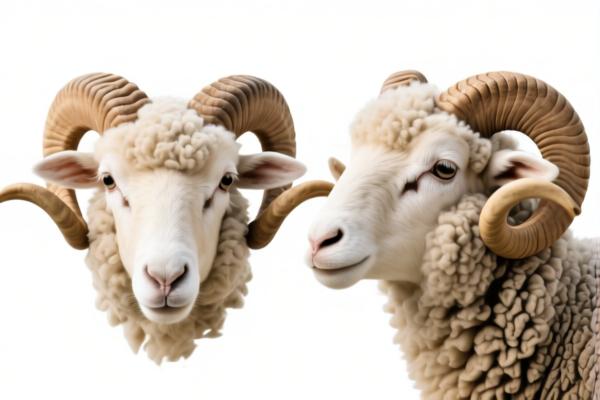
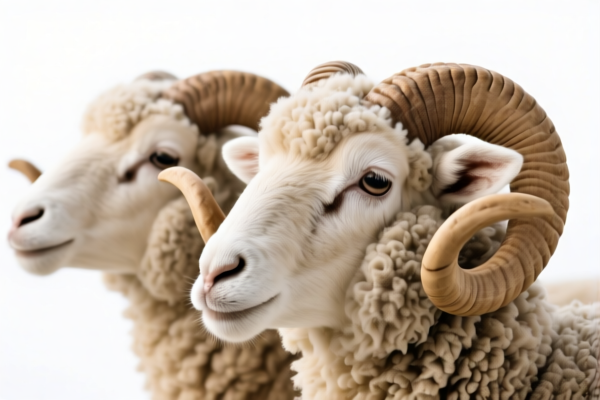
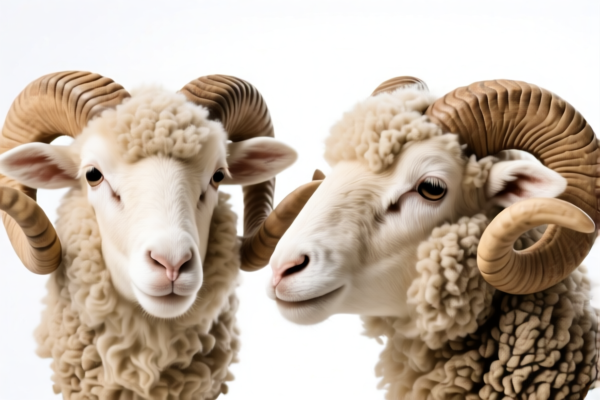
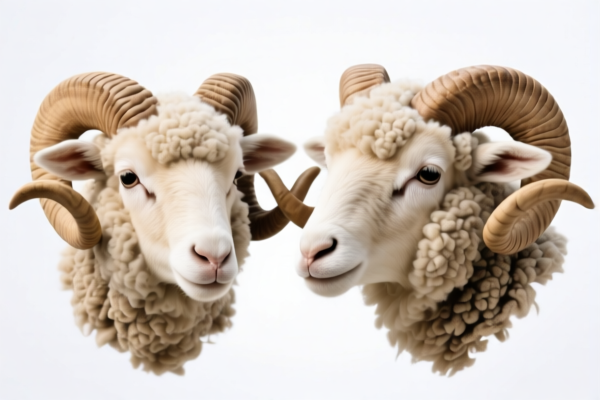
AI分析
🐑 Karakul Lamb Skin Head (Unassembled) – The "Turban" Special
🌐 HS Code Reference & Customs Clearance Guide | 2026 Latest Tariff Analysis | High-Risk Niche Product Strategy
📌 I. Product Definition & Classification: What Exactly Is a "Karakul Head"?
The Karakul Lamb Skin Head (often referred to as the "Astrakhan" or "Turban" style in the fur industry) is a specific part of a lamb carcass, primarily valued for its distinctive curly fur pattern, used in high-end fashion, hats, and decorative items.
In international trade, "Unassembled" means it is not sewn into a garment, hat, or article. It is the raw or processed skin with the head intact.
Crucial Distinction:
- Raw Skin (Unprocessed): If frozen/thawed without tanning, it falls under Chapter 05 or 04.
- Tanned/Preserved Skin (Processed): If cured, salted, or tanned, it falls under Chapter 41.
- Assembled Article: If sewn into a hat or coat, it falls under Chapter 42 or 43.
⚠️ Key Classification Point:
- Since it is "Unassembled" and typically tanned/preserved for trade, it is classified as a Raw Hide/Skin under Chapter 41.
- Specifically, it is a Lamb Skin.
📦 II. HS Code Classification Details (2026 Latest Tariff Authority)
| HS Code | Product Description | Applicable Scenario | Processing State |
|---|---|---|---|
4104.51.00.00 |
Lamb skins, tanned or crust, with wool on, unworked or worked (but not further prepared) | Most common import status: Tanned/Cured lamb heads for fashion | ✅ Tanned/Preserved |
4104.59.00.00 |
Other lamb skins, tanned or crust | If not meeting specific "wool on" criteria or processed further | ✅ Tanned/Processed |
0505.90.00.00 |
Animal skins and other parts, nesoi | If raw/fresh (not tanned) and for technical use | ❌ Not Tanned |
4301.10.00.00 |
Raw furskins (incl. with head, tail, paws) | If considered "fur" rather than "leather" (rare for Karakul heads intended for tanning) | ✅ Raw/Fur |
🔍 Key Note for Customs:
- Most Karakul heads entering the US/EU are tanned or salt-cured to preserve the curl. Therefore,4104.51.00.00is the standard classification.
- If the product is raw and frozen (not tanned), it may be classified under0505.90.00.00or4301.10.00.00, depending on country-specific interpretations of "fur" vs. "skin."
- Do NOT classify as a finished hat (6505.00) or garment (4303.10) if unassembled.
💰 III. 2026 Latest Tariff Rate Details (Including Additional Taxes & Policies)
✅ Applicable Country: United States (US)
✅ Country of Origin: China (CN) (Example Scenario)
✅ Effective Date: Post-2025 Tariff Structure
🎯 1. 4104.51.00.00 – Lamb Skins, Tanned or Crust, with Wool On
| Item | Content |
|---|---|
| Base Tariff Rate | 4.5% (ad valorem) |
| USITC Section 301 Tariff | +7.5% (Note: Some animal products are exempt or have lower rates than electronics) |
| IEEPA Additional Tariff | +10% (If applicable under current executive orders for specific Chinese-origin goods) |
| Total Effective Rate | ~12% - 14.5% |
| De Minimis Exemption | ✅ Yes (If value < $800 per person per day) |
| Legal Authority Path | HTSUS:4104.51.00 → USITC:301 Footnote |
📌 Explanation:
- Animal skins generally have lower base tariffs than electronics or textiles.
- Section 301 may apply, but rates are often negotiated or lower for raw animal products compared to manufactured goods.
- De Minimis ($800): Small shipments (e.g., samples, small batches) may enter duty-free under Section 321 if shipped by one person.
🎯 2. 0505.90.00.00 – Raw Animal Skins (Unprocessed)
| Item | Content |
|---|---|
| Base Tariff Rate | 0% (Many raw animal parts are duty-free) |
| Additional Taxes | 0% (Generally exempt from 301/IEEPA) |
| Total Effective Rate | 0% |
| De Minimis Exemption | ✅ Yes |
📌 Note: If classified as raw (not tanned), tariffs are significantly lower. However, phytosanitary/veterinary regulations are stricter.
🛠️ IV. Customs Clearance Practical Advice (Real-World Pitfall Guide)
✅ 1. Document Checklist (Non-Negotiable)
| Document | Required | Purpose |
|---|---|---|
| ✅ Commercial Invoice | ✔️ | Must specify "Karakul Lamb Head, Tanned, Unassembled" |
| ✅ Packing List | ✔️ | Weight (net/gross), quantity, country of origin |
| ✅ Certification of Tanning/Processing | ✔️ | Proves it is NOT raw/fresh, reducing veterinary scrutiny |
| ✅ Veterinary Health Certificate | ✔️ | CRITICAL for animal products. Must show freedom from BSE, Foot & Mouth Disease, etc. |
| ✅ CITES Permit | ✔️ | Check if Karakul is protected! (Usually not, but verify) |
| ✅ Fur Labeling Compliance | ✔️ | US Fur Products Act requires labeling if sold as fur |
✅ 2. Declaration Strategy (Key Mantra)
🔥 "Tanned is Leather, Raw is Fur, Vet Cert is King!"
| Scenario | Correct Declaration | Wrong Practice |
|---|---|---|
| Tanned Head | 4104.51.00.00 – "Lamb skin, tanned, with wool" |
Calling it "Hat" → Misclassification |
| Raw/Frozen Head | 0505.90.00.00 – "Raw animal skin" |
Calling it "Tanned" → False Declaration |
| Assembled Hat | 6505.00.00.00 – "Hat, fur" |
Calling it "Skin" → Underpayment |
✅ 3. Special Considerations
| Issue | Handling Advice |
|---|---|
| Veterinary Inspection | USDA APHIS may inspect upon arrival. Ensure cold chain is maintained if raw. |
| CITES Compliance | Karakul (Persian Lamb) is not currently listed in CITES Appendix I/II. However, verify local regulations (e.g., EU bans on certain fur products). |
| US Fur Labeling | If the final product is a hat, it must be labeled under the Fur Products Labeling Act (16 CFR 303). |
| Origin Marking | Must be marked "Made in [Country]" on each skin or packaging. |
🌍 V. Global Market Comparison (2026 Latest)
| Country/Region | Recommended HS Code | Tariff | Certification | Note |
|---|---|---|---|---|
| 🇺🇸 USA | 4104.51.00.00 |
4.5% + Possible 301 | USDA Vet Cert | Strict on animal health |
| 🇪🇺 EU | 4104.51.00 |
4.5% | CE (if finished) | EU Fur Ban: Check if Karakul is restricted |
| 🇨🇳 China | 4104.51.00 |
5% | No Vet Cert for import | Low tariff, high processing capacity |
| 🇯🇵 Japan | 4104.51.00 |
5% | No special req | Stable trade |
📌 Conclusion:
- USA & EU have strict veterinary and labeling requirements.
- EU has ongoing debates on fur bans; ensure Karakul is not restricted in target markets.
- Tanned skins are easier to clear than raw skins due to reduced disease risk.
📌 VI. Common Mistakes & Pitfalls (Lessons Learned)
❌ Mistake 1: Declaring as "Hat" when it is unassembled skin
👉 Consequence: Misclassification penalty, duty underpayment (4.5% vs. 12-20% for hats)
❌ Mistake 2: Missing Veterinary Health Certificate
👉 Consequence: Shipment detained or destroyed by USDA APHIS
❌ Mistake 3: Ignoring CITES/Fur Labeling Laws
👉 Consequence: Fines under Fur Products Labeling Act (up to $10,000 per violation)
✅ Correct Practice:
"Karakul Lamb Head, Tanned, Unassembled, Country of Origin: China, Veterinary Cert #12345"
🎯 VII. Conclusion: Specialized Compliance for Niche Goods
🎯 Key Takeaways:
🔹 "Tanned = Leather (Ch 41), Raw = Fur (Ch 43/05)"
🔹 "Vet Cert is Mandatory for Animal Products"
🔹 "Check EU Fur Ban Status Before Exporting"
📌 Pro Tip:
If shipping under De Minimis ($800), ensure all veterinary documentation is still accurate, as customs may still require it for animal products despite low value.
📣 Immediate Action:
📞 Contact a USDA-licensed inspector or customs broker specializing in animal products.
📄 Prepare Veterinary Health Certificate in advance.
🚀 Ensure compliance with Fur Labeling Act if selling in the US.
✨ Specialized Clearance for Specialized Goods!
💼 Compliance Saves Cost, Certificates Save Shipment!
用户评价
关于 HS 编码归类
协调制度(HS)是由世界海关组织(WCO)制定的国际贸易商品分类标准。全球 200 多个国家采用 HS 系统作为海关关税、贸易统计和进出口监管的基础。
每个 HS 编码遵循以下层级结构:
- 章(2 位)——商品大类(例如:第 84 章:机器和机械设备)
- 品目(4 位)——章内的更具体分类
- 子目(6 位)——国际通用细分,所有 WCO 成员国统一使用
- 本国细分(8-10 位)——各国自行扩展的细分编码,如美国 HTSUS 10 位编码
正确的 HS 编码归类对于顺利通关、准确缴纳关税和遵守贸易法规至关重要。错误归类可能导致海关延误、多缴关税或罚款。
从CN进口到US时,适用的关税税率可能包括:
- 最惠国(MFN)税率——适用于 WTO 成员国的标准关税税率
- 普通税率——适用于无贸易协定国家
- 贸易救济关税——附加关税,如 301 条款(反倾销)、232 条款(国家安全)或反补贴税
本页内容仅供参考。如需正式归类,请咨询当地海关或持牌报关代理。