Karakul Lamb Skin Head (Unassembled)
CN → USProduct Images
AI Analysis
🐑 Karakul Lamb Skin Head (Unassembled) – The "Turban" Special
🌐 HS Code Reference & Customs Clearance Guide | 2026 Latest Tariff Analysis | High-Risk Niche Product Strategy
📌 I. Product Definition & Classification: What Exactly Is a "Karakul Head"?
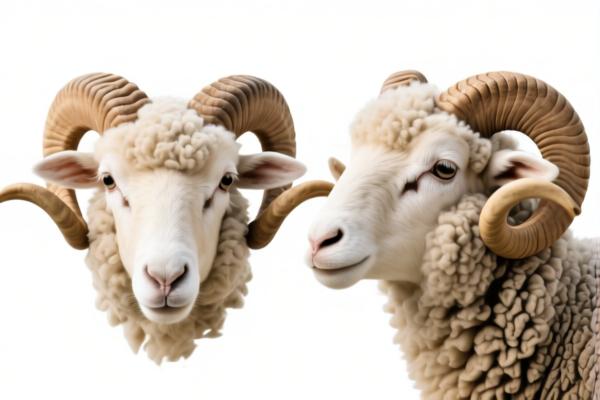
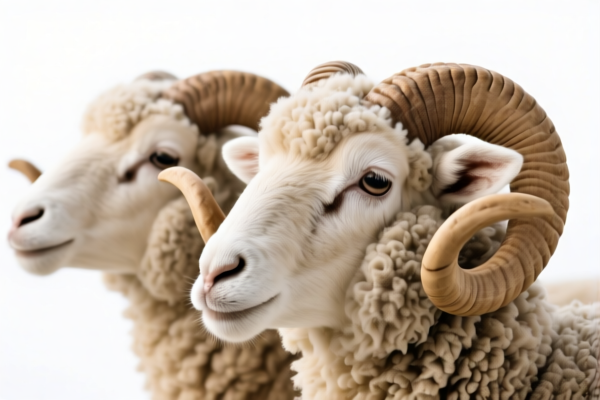
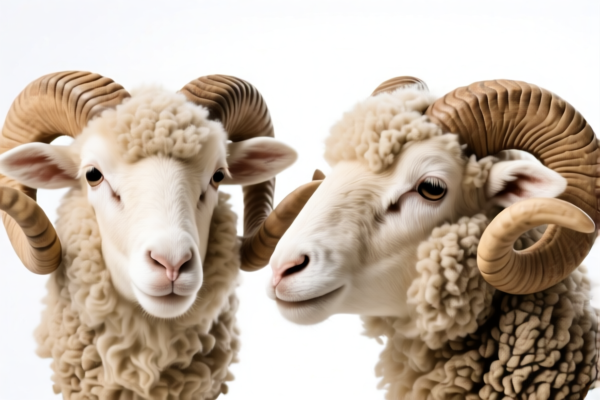
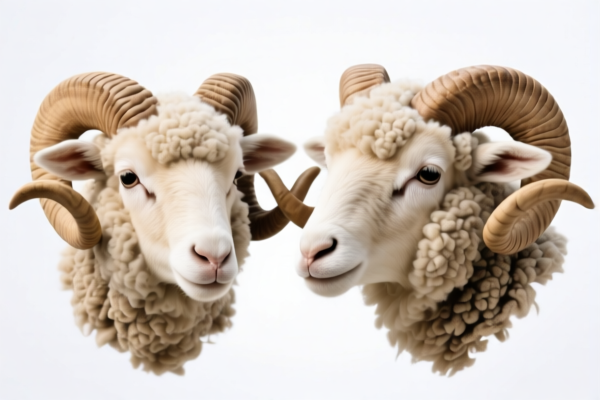
The Karakul Lamb Skin Head (often referred to as the "Astrakhan" or "Turban" style in the fur industry) is a specific part of a lamb carcass, primarily valued for its distinctive curly fur pattern, used in high-end fashion, hats, and decorative items.
In international trade, "Unassembled" means it is not sewn into a garment, hat, or article. It is the raw or processed skin with the head intact.
Crucial Distinction:
- Raw Skin (Unprocessed): If frozen/thawed without tanning, it falls under Chapter 05 or 04.
- Tanned/Preserved Skin (Processed): If cured, salted, or tanned, it falls under Chapter 41.
- Assembled Article: If sewn into a hat or coat, it falls under Chapter 42 or 43.
⚠️ Key Classification Point:
- Since it is "Unassembled" and typically tanned/preserved for trade, it is classified as a Raw Hide/Skin under Chapter 41.
- Specifically, it is a Lamb Skin.
📦 II. HS Code Classification Details (2026 Latest Tariff Authority)
| HS Code | Product Description | Applicable Scenario | Processing State |
|---|---|---|---|
4104.51.00.00 |
Lamb skins, tanned or crust, with wool on, unworked or worked (but not further prepared) | Most common import status: Tanned/Cured lamb heads for fashion | ✅ Tanned/Preserved |
4104.59.00.00 |
Other lamb skins, tanned or crust | If not meeting specific "wool on" criteria or processed further | ✅ Tanned/Processed |
0505.90.00.00 |
Animal skins and other parts, nesoi | If raw/fresh (not tanned) and for technical use | ❌ Not Tanned |
4301.10.00.00 |
Raw furskins (incl. with head, tail, paws) | If considered "fur" rather than "leather" (rare for Karakul heads intended for tanning) | ✅ Raw/Fur |
🔍 Key Note for Customs:
- Most Karakul heads entering the US/EU are tanned or salt-cured to preserve the curl. Therefore,4104.51.00.00is the standard classification.
- If the product is raw and frozen (not tanned), it may be classified under0505.90.00.00or4301.10.00.00, depending on country-specific interpretations of "fur" vs. "skin."
- Do NOT classify as a finished hat (6505.00) or garment (4303.10) if unassembled.
💰 III. 2026 Latest Tariff Rate Details (Including Additional Taxes & Policies)
✅ Applicable Country: United States (US)
✅ Country of Origin: China (CN) (Example Scenario)
✅ Effective Date: Post-2025 Tariff Structure
🎯 1. 4104.51.00.00 – Lamb Skins, Tanned or Crust, with Wool On
| Item | Content |
|---|---|
| Base Tariff Rate | 4.5% (ad valorem) |
| USITC Section 301 Tariff | +7.5% (Note: Some animal products are exempt or have lower rates than electronics) |
| IEEPA Additional Tariff | +10% (If applicable under current executive orders for specific Chinese-origin goods) |
| Total Effective Rate | ~12% - 14.5% |
| De Minimis Exemption | ✅ Yes (If value < $800 per person per day) |
| Legal Authority Path | HTSUS:4104.51.00 → USITC:301 Footnote |
📌 Explanation:
- Animal skins generally have lower base tariffs than electronics or textiles.
- Section 301 may apply, but rates are often negotiated or lower for raw animal products compared to manufactured goods.
- De Minimis ($800): Small shipments (e.g., samples, small batches) may enter duty-free under Section 321 if shipped by one person.
🎯 2. 0505.90.00.00 – Raw Animal Skins (Unprocessed)
| Item | Content |
|---|---|
| Base Tariff Rate | 0% (Many raw animal parts are duty-free) |
| Additional Taxes | 0% (Generally exempt from 301/IEEPA) |
| Total Effective Rate | 0% |
| De Minimis Exemption | ✅ Yes |
📌 Note: If classified as raw (not tanned), tariffs are significantly lower. However, phytosanitary/veterinary regulations are stricter.
🛠️ IV. Customs Clearance Practical Advice (Real-World Pitfall Guide)
✅ 1. Document Checklist (Non-Negotiable)
| Document | Required | Purpose |
|---|---|---|
| ✅ Commercial Invoice | ✔️ | Must specify "Karakul Lamb Head, Tanned, Unassembled" |
| ✅ Packing List | ✔️ | Weight (net/gross), quantity, country of origin |
| ✅ Certification of Tanning/Processing | ✔️ | Proves it is NOT raw/fresh, reducing veterinary scrutiny |
| ✅ Veterinary Health Certificate | ✔️ | CRITICAL for animal products. Must show freedom from BSE, Foot & Mouth Disease, etc. |
| ✅ CITES Permit | ✔️ | Check if Karakul is protected! (Usually not, but verify) |
| ✅ Fur Labeling Compliance | ✔️ | US Fur Products Act requires labeling if sold as fur |
✅ 2. Declaration Strategy (Key Mantra)
🔥 "Tanned is Leather, Raw is Fur, Vet Cert is King!"
| Scenario | Correct Declaration | Wrong Practice |
|---|---|---|
| Tanned Head | 4104.51.00.00 – "Lamb skin, tanned, with wool" |
Calling it "Hat" → Misclassification |
| Raw/Frozen Head | 0505.90.00.00 – "Raw animal skin" |
Calling it "Tanned" → False Declaration |
| Assembled Hat | 6505.00.00.00 – "Hat, fur" |
Calling it "Skin" → Underpayment |
✅ 3. Special Considerations
| Issue | Handling Advice |
|---|---|
| Veterinary Inspection | USDA APHIS may inspect upon arrival. Ensure cold chain is maintained if raw. |
| CITES Compliance | Karakul (Persian Lamb) is not currently listed in CITES Appendix I/II. However, verify local regulations (e.g., EU bans on certain fur products). |
| US Fur Labeling | If the final product is a hat, it must be labeled under the Fur Products Labeling Act (16 CFR 303). |
| Origin Marking | Must be marked "Made in [Country]" on each skin or packaging. |
🌍 V. Global Market Comparison (2026 Latest)
| Country/Region | Recommended HS Code | Tariff | Certification | Note |
|---|---|---|---|---|
| 🇺🇸 USA | 4104.51.00.00 |
4.5% + Possible 301 | USDA Vet Cert | Strict on animal health |
| 🇪🇺 EU | 4104.51.00 |
4.5% | CE (if finished) | EU Fur Ban: Check if Karakul is restricted |
| 🇨🇳 China | 4104.51.00 |
5% | No Vet Cert for import | Low tariff, high processing capacity |
| 🇯🇵 Japan | 4104.51.00 |
5% | No special req | Stable trade |
📌 Conclusion:
- USA & EU have strict veterinary and labeling requirements.
- EU has ongoing debates on fur bans; ensure Karakul is not restricted in target markets.
- Tanned skins are easier to clear than raw skins due to reduced disease risk.
📌 VI. Common Mistakes & Pitfalls (Lessons Learned)
❌ Mistake 1: Declaring as "Hat" when it is unassembled skin
👉 Consequence: Misclassification penalty, duty underpayment (4.5% vs. 12-20% for hats)
❌ Mistake 2: Missing Veterinary Health Certificate
👉 Consequence: Shipment detained or destroyed by USDA APHIS
❌ Mistake 3: Ignoring CITES/Fur Labeling Laws
👉 Consequence: Fines under Fur Products Labeling Act (up to $10,000 per violation)
✅ Correct Practice:
"Karakul Lamb Head, Tanned, Unassembled, Country of Origin: China, Veterinary Cert #12345"
🎯 VII. Conclusion: Specialized Compliance for Niche Goods
🎯 Key Takeaways:
🔹 "Tanned = Leather (Ch 41), Raw = Fur (Ch 43/05)"
🔹 "Vet Cert is Mandatory for Animal Products"
🔹 "Check EU Fur Ban Status Before Exporting"
📌 Pro Tip:
If shipping under De Minimis ($800), ensure all veterinary documentation is still accurate, as customs may still require it for animal products despite low value.
📣 Immediate Action:
📞 Contact a USDA-licensed inspector or customs broker specializing in animal products.
📄 Prepare Veterinary Health Certificate in advance.
🚀 Ensure compliance with Fur Labeling Act if selling in the US.
✨ Specialized Clearance for Specialized Goods!
💼 Compliance Saves Cost, Certificates Save Shipment!
Customer Reviews
About HS Code Classification
The Harmonized System (HS) is an internationally standardized nomenclature developed by the World Customs Organization (WCO) to classify traded products. Over 200 countries use the HS system as the basis for customs tariffs, trade statistics, and import/export regulations.
Each HS code follows a hierarchical structure:
- Chapter (2 digits) — Broad category of goods (e.g., Chapter 84: Machinery and Mechanical Appliances)
- Heading (4 digits) — More specific grouping within the chapter
- Subheading (6 digits) — Internationally standardized breakdown, used by all WCO member countries
- National subdivisions (8-10 digits) — Country-specific extensions for further classification, such as US HTSUS 10-digit codes
Correct HS code classification is essential for smooth customs clearance, accurate duty payment, and compliance with trade regulations. Misclassification can lead to customs delays, overpayment of duties, or penalties.
When importing from CN to US, the applicable tariff rates may include:
- Most-Favored-Nation (MFN) rate — The standard duty rate applied to WTO members
- General rate — Applied to countries without trade agreements
- Trade remedy duties — Additional tariffs such as Section 301 (anti-dumping), Section 232 (national security), or countervailing duties
The information provided on this page is for reference purposes only. For official classification, please consult with your local customs authority or a licensed customs broker.