Kitchen Rug
CN → US| HS编码 | 关税税率 | 原产国 | 目的国 | 文档 |
|---|---|---|---|---|
| 6307909891 | 24.5% | CN | US | 官方文档 |
| 4823908000 | 35.0% | CN | US | 官方文档 |
| 4823908620 | 35.0% | CN | US | 官方文档 |
| 6307908940 | 17.0% | CN | US | 官方文档 |
| 3926909989 | 22.8% | CN | US | 官方文档 |
商品图片
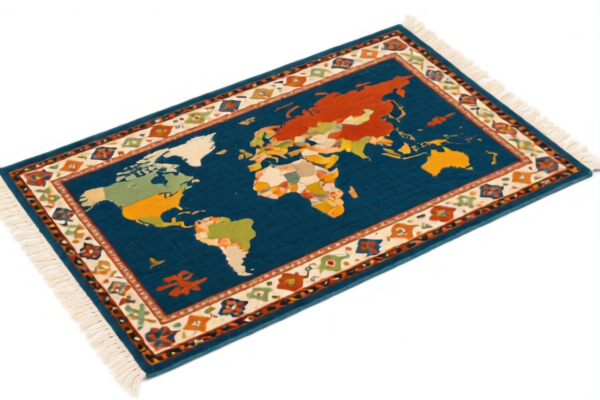
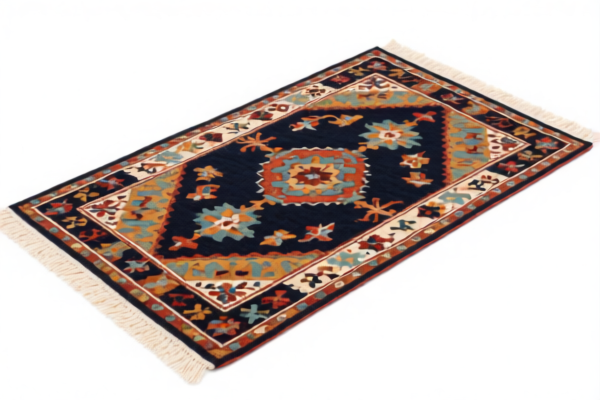
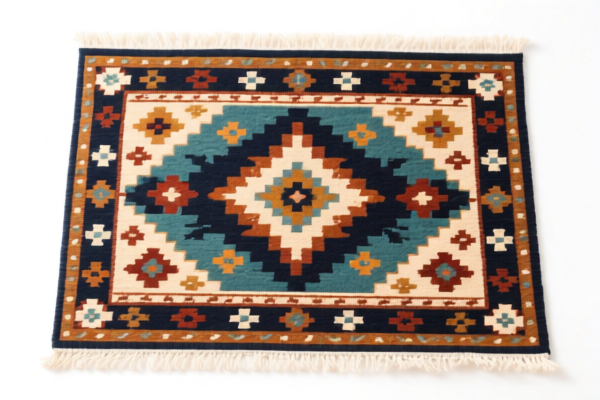

AI分析
🏠 Kitchen Rug (Kitchen Mat / Floor Mat)
🌐 HS Code Reference & Customs Clearance Guide | 2026 Latest Tariff Analysis | Professional Clearance Strategy
📌 I. Product Definition & Classification: Do You Really Know "Kitchen Rug"?
A kitchen rug, often referred to as a "stove pad" (炉灶垫) or anti-fatigue mat in industrial classification contexts, serves as a protective layer for kitchen floors and stoves. In international trade, its classification depends heavily on its material composition and primary function (floor covering vs. kitchen accessory).
Textile-Based Mats (6307):
Made of cotton, synthetic fibers, or blended fabrics. These are classified under "Other Made-Up Articles." They prioritize comfort and absorbency.
Plastic/Rubber/Silicone Mats (3926 or 4016):
Made of PVC, TPE, or silicone. These prioritize heat resistance, waterproofing, and durability. Often classified as "Other Plastic Articles."
Paper/Cardboard Mats (4823):
Rare for long-term use, but used as disposable heat shields or decorative liners. Classified as "Paper or Paperboard Articles."
⚠️ Key Distinction:
- If it is fabric/cloth →归入 6307.90 (Textile accessories)
- If it is plastic/rubber/silicone → 归入 3926.90 (Plastic articles)
- If it is paper/cardboard → 归入 4823.90 (Paper articles)
📦 II. HS Code Classification Details (2026 Latest Tariff Authority对照)
Based on the provided data, here are the specific HS Codes for "Kitchen Rug" (classified here as "Stove Pad/Heat Shield" variants):
| HS Code | Product Description | Material Inference | Total Tax Rate (CN→US) |
|---|---|---|---|
6307.90.98.91 |
Other Made-Up Articles | Silicone, Oil-Coated Fabric, or Textile | 24.5% |
6307.90.89.40 |
Kitchen Textile Products | Cotton or Synthetic Fiber Textile | 17.0% |
3926.90.99.89 |
Other Plastic Articles | Plastic, PVC, or Silicone | 22.8% |
4823.90.80.00 |
Paper/Cardboard Articles | Paper or Cardboard Fiber | 35.0% |
4823.90.86.20 |
Paper/Cardboard Products (Fallback) | Paper/Cardboard (Heat Shield Liner) | 35.0% |
🔍 Key Insight:
- Lowest Tax Option: If the rug is made of textile (cotton/synthetic),6307.90.89.40offers the lowest total tax at 17.0%.
- High Tax Risk: If misclassified as paper, the tax jumps to 35.0%.
- Plastic Penalty: Silicone mats fall under3926, incurring a moderate-high rate of 22.8%.
💰 III. 2026 Latest Tariff Rate Breakdown (Including Additional Taxes)
✅ Applicable Country: United States (US)
✅ Origin: China (CN)
✅ Effective Time: Post-2025 policies (Section 301 & IEEPA)
🎯 1. 6307.90.89.40 —— Kitchen Textile Products (Lowest Tax Candidate)
| Item | Content |
|---|---|
| Base Tariff | 7.0% |
| Section 301 Additional Tariff | 0.0% |
| IEEPA Additional Tariff (Section 122) | +10.0% |
| Total Tax Rate | 17.0% |
| Tax Calculation | CIF Value × 17.0% |
| De Minimis Eligibility | ❌ No (High tax rate excludes small packages from 80/15% exemption) |
| Legal Basis | Base Tariff 7% + IEEPA 10% = 17% |
📌 Explanation:
- This is the most cost-effective classification for fabric-based kitchen rugs.
- Note: Unlike some other textile items, Section 301 tariffs (typically 25%) do not apply to this specific subheading, but the IEEPA 10% does.
🎯 2. 6307.90.98.91 —— Other Made-Up Articles (Silicone/Fabric Blend)
| Item | Content |
|---|---|
| Base Tariff | 7.0% |
| Section 301 Additional Tariff | +7.5% |
| IEEPA Additional Tariff (Section 122) | +10.0% |
| Total Tax Rate | 24.5% |
| Tax Calculation | CIF Value × 24.5% |
| De Minimis Eligibility | ❌ No |
| Legal Basis | Base 7% + Section 301 7.5% + IEEPA 10% |
📌 Explanation:
- This code captures items like silicone-fabric composites.
- Warning: It incurs an additional 7.5% under Section 301, making it significantly more expensive than pure textile rugs.
🎯 3. 3926.90.99.89 —— Other Plastic Articles (Silicone/Rubber Mats)
| Item | Content |
|---|---|
| Base Tariff | 5.3% |
| Section 301 Additional Tariff | +7.5% |
| IEEPA Additional Tariff (Section 122) | +10.0% |
| Total Tax Rate | 22.8% |
| Tax Calculation | CIF Value × 22.8% |
| De Minimis Eligibility | ❌ No |
| Legal Basis | Base 5.3% + Section 301 7.5% + IEEPA 10% |
📌 Explanation:
- Silicone mats are often mistaken for rubber, but if classified as plastic, this rate applies.
- It is cheaper than textile composites (6307.98.91) but more expensive than pure textiles (6307.89.40).
🎯 4. 4823.90.80.00 / 4823.90.86.20 —— Paper/Cardboard Mats
| Item | Content |
|---|---|
| Base Tariff | 0.0% |
| Section 301 Additional Tariff | +25.0% |
| IEEPA Additional Tariff (Section 122) | +10.0% |
| Total Tax Rate | 35.0% |
| Tax Calculation | CIF Value × 35.0% |
| De Minimis Eligibility | ❌ No |
| Legal Basis | Base 0% + Section 301 25% + IEEPA 10% |
📌 Explanation:
- Highest Tax Risk! Even though the base rate is 0%, the Section 301 tariff is 25%.
- Only use this if the product is genuinely disposable paper heat shields. Using this for reusable rugs is high-risk for customs audits.
🛠️ IV. Customs Clearance Practical Advice (Pitfall Avoidance Guide)
✅ 1. Documentation Checklist (Must-Provide)
| Document | Required | Purpose |
|---|---|---|
| ✅ Product Specification | ✔️ | Must specify material (e.g., "100% Cotton" vs. "Silicone-Coated Fabric"). |
| ✅ Material Composition Report | ✔️ | Critical for distinguishing between 6307 (Textile) and 3926 (Plastic). |
| ✅ Product Photos | ✔️ | Show texture, thickness, and any labeling. |
| ✅ Commercial Invoice | ✔️ | Clearly state "Kitchen Floor Mat" or "Stove Pad," NOT just "Rug." |
| ✅ Packing List | ✔️ | Confirm no mixed materials in one box (e.g., textile rug + plastic base). |
✅ 2. Declaration Strategy (Key Mnemonics)
🔥 "Material Defines Code, Textile is King, Paper is Trap, Plastic is Middle!"
| Scenario | Correct HS Code | Incorrect Practice | Consequence |
|---|---|---|---|
| Pure Cotton/Synthetic Rug | 6307.90.89.40 |
Declaring as "Plastic" | Overpaying 5.8% (22.8% vs 17%) |
| Silicone Mat | 3926.90.99.89 |
Declaring as "Textile" | Under-declaration risk → Fine + Back Duty |
| Fabric + Silicone Blend | 6307.90.98.91 |
Declaring as "Plastic" | Paying extra 7.5% Section 301 |
| Disposable Paper Liner | 4823.90.80.00 |
Declaring as "Textile" | Fraud Risk → Seizure & Penalty |
✅ 3. Special Considerations
| Situation | Handling Advice |
|---|---|
| Mixed Material Rugs | If >50% by weight is fabric, declare under 6307. If >50% is silicone, declare under 3926. |
| Non-Slip Backing | If the backing is rubber/silicone, it does not automatically classify the whole item as plastic. Primary function determines classification. |
| Customs Audit Trigger | Sudden changes in material declarations for "Kitchen Rugs" will trigger audits. Ensure consistency. |
| De Minimis Exemption | ❌ Not Applicable. All listed HS codes for Kitchen Rugs exceed the threshold for Section 321 (de minimis) exemption due to combined tax rates >15%. |
🌍 V. Global Market Comparison (2026)
| Country/Region | Recommended HS Code | Estimated Duty (CN Origin) | Notes |
|---|---|---|---|
| 🇺🇸 USA | 6307.90.89.40 |
17.0% (Best Option) | High Section 301 impact on plastics/paper. |
| 🇨🇳 China | 6307.90.90 |
~5-10% | Low import duty for domestic sale. |
| 🇪🇺 EU | 6307.90.98 |
6.5% | No Section 301 equivalent. |
| 🇬🇧 UK | 6307.90.90 |
6.5% | Post-Brexit tariff alignment with EU. |
📌 Conclusion:
- USA is the most challenging market due to IEEPA and Section 301叠加 (stacking).
- Textile classification (6307.89.40) is the strategic winner for cost optimization.
📌 VI. Common Errors & Pitfalls (Blood & Tears Lessons)
❌ Error 1: Declaring a Silicone Mat as 6307.90.89.40 (Textile)
👉 Consequence: Customs detects silicone material → Re-classifies to 3926 → Back taxes + Penalty.
❌ Error 2: Declaring a Cotton Rug as 3926.90.99.89 (Plastic)
👉 Consequence: Overpayment of 5.8% (22.8% vs 17.0%). No penalty, but lost profit.
❌ Error 3: Using Paper Code for Reusable Mats
👉 Consequence: Customs Fraud. Paper mats are for short-term use. Reusable items must be textile or plastic. Risk of goods seizure.
❌ Error 4: Ignoring Section 122 (IEEPA)
👉 Consequence: All these codes carry a 10% IEEPA tariff. If you forget to include it in your landed cost calculation, you will lose money.
✅ Correct Practice:
"Cotton Kitchen Floor Mat, Non-Slip, 40x60cm, Model XYZ, 100% Cotton with Rubber Backing" → Declare as
6307.90.89.40.
🎯 VII. Conclusion: Professional Declaration, Cost Optimization!
🎯 Remember the Mnemonic:
🔹 "Textile First, 17% is Sweet; Plastic Second, 22.8% is Real; Paper Last, 35% is Pain!"
🔹 "Material Proof is Key, Textile Classification Saves Dollars!"
📌 Pro Tip:
If your product is a hybrid (e.g., fabric with silicone coating), consult a customs broker to determine if the primary character is textile (6307) or plastic (3926). Often, if the fabric dominates, 6307 is safer and cheaper.
📣 Immediate Action:
📞 Contact a professional customs broker + Provide material test reports + Apply for HS Code Pre-ruling (if volume is high)
🚀 Clearance Speed + Cost Efficiency + Compliance = Profit Maximization!
✨ Professional Clearance Starts with Accurate Classification!
💼 Every Cent of Cost Matters!
用户评价
关于 HS 编码归类
协调制度(HS)是由世界海关组织(WCO)制定的国际贸易商品分类标准。全球 200 多个国家采用 HS 系统作为海关关税、贸易统计和进出口监管的基础。
每个 HS 编码遵循以下层级结构:
- 章(2 位)——商品大类(例如:第 84 章:机器和机械设备)
- 品目(4 位)——章内的更具体分类
- 子目(6 位)——国际通用细分,所有 WCO 成员国统一使用
- 本国细分(8-10 位)——各国自行扩展的细分编码,如美国 HTSUS 10 位编码
正确的 HS 编码归类对于顺利通关、准确缴纳关税和遵守贸易法规至关重要。错误归类可能导致海关延误、多缴关税或罚款。
从CN进口到US时,适用的关税税率可能包括:
- 最惠国(MFN)税率——适用于 WTO 成员国的标准关税税率
- 普通税率——适用于无贸易协定国家
- 贸易救济关税——附加关税,如 301 条款(反倾销)、232 条款(国家安全)或反补贴税
本页内容仅供参考。如需正式归类,请咨询当地海关或持牌报关代理。