Kitchen Soap Dispenser
CN → US| HS编码 | 关税税率 | 原产国 | 目的国 | 文档 |
|---|---|---|---|---|
| 7013492090 | 32.5% | CN | US | 官方文档 |
| 7013496090 | 24.7% | CN | US | 官方文档 |
| 3924101000 | 13.4% | CN | US | 官方文档 |
| 3924104000 | 13.4% | CN | US | 官方文档 |
| 7323999080 | 88.4% | CN | US | 官方文档 |
| 7323999030 | 88.4% | CN | US | 官方文档 |
商品图片
AI分析
🧼 Kitchen Soap Dispenser (Plastic vs. Metal/Glass)
🌐 HS Code Reference & Customs Clearance Guide | 2026 Latest Tariff Breakdown | Professional Clearance Strategy
📌 I. Product Definition & Classification: Do You Really Know Your "Soap Dispenser"?
A Kitchen Soap Dispenser is a household article used for dispensing liquid soap, dishwashing liquid, or hand sanitizer at the sink. In international trade, its classification strictly depends on the material:
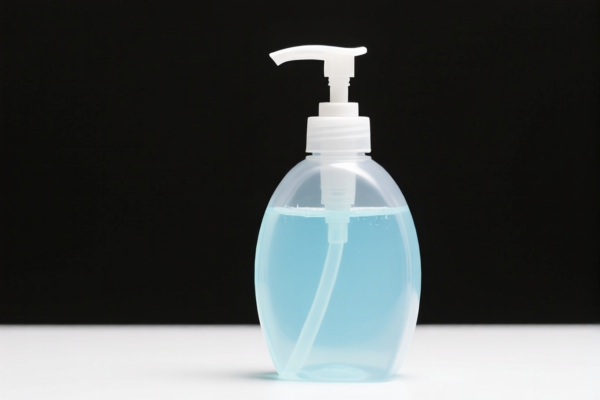
- Plastic Dispensers: Made of polymers (e.g., PP, PET, PE). These fall under Chapter 39.
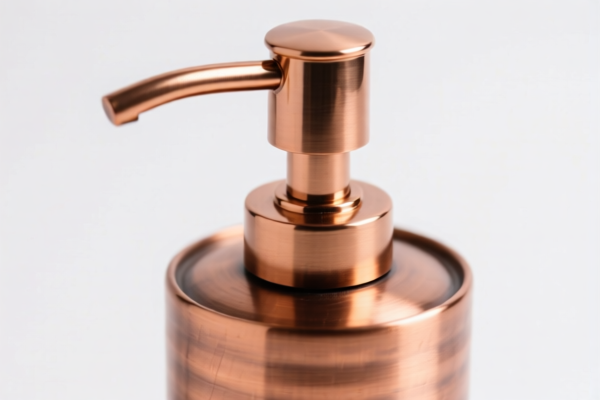
- Metal Dispensers: Made of Iron or Steel. These fall under Chapter 73 (and are subject to severe "Steel" surcharges).
- Glass Dispensers: Made of glass (valued based on price per unit). These fall under Chapter 70.
⚠️ Critical Distinction:
- If the item is Plastic → Go to 3924.10.
- If the item is Steel/Iron → Go to 7323.99.90 (⚠️ WARNING: High tariffs apply).
- If the item is Glass → Go to 7013.49 (Tariff depends on unit value).
📦 II. HS Code Classification Details (2026 Latest Tariff对照)
Based on the provided data, here is the breakdown for Kitchen Soap Dispensers:
| HS Code | Material | Product Description | Value Condition | Applicable Tax Rate |
|---|---|---|---|---|
| 3924.10.10.00 | 🧴 Plastic | Tableware/Kitchenware: Salt, Pepper, Mustard & Ketchup Dispensers (Includes Soap Dispensers) | N/A | 3.4% (Base Only) |
| 3924.10.40.00 | 🧴 Plastic | Tableware/Kitchenware: Other (Non-specific dispensers) | N/A | 3.4% (Base Only) |
| 7323.99.90.80 | 🛠️ Iron/Steel | Other Kitchen/Tableware (Not Coated/Plated) | Other | 78.4% ⚠️ |
| 7323.99.90.30 | 🛠️ Iron/Steel | Kitchen/Tableware Suitable for Food/Drink Contact | N/A | 78.4% ⚠️ |
| 7013.49.20.90 | 🍷 Glass | Glassware (Table/Kitchen) | Valued not over $3 each | 30.0% |
| 7013.49.60.90 | 🍷 Glass | Glassware (Table/Kitchen) | Valued over $5 each | 14.7% |
🔍 Key Insight:
- Plastic is the most tax-efficient material (3.4% total).
- Steel/Iron incurs a massive 78.4% total tariff (3.4% Base + 50% Special Steel Surcharges).
- Glass rates fluctuate wildly based on unit value ($3 threshold). Under $3 = 30%, Over $5 = 14.7%.
💰 III. 2026 Latest Tariff Rate Breakdown (Detailed Tax Clauses)
✅ Origin: China (CN)
✅ Destination: United States (US)
✅ Effective Date: Current US Tariff Regime (Section 301 & Section 232)
🎯 Scenario A: Plastic Soap Dispenser (3924.10.10.00 or 3924.10.40.00)
| Item | Content |
|---|---|
| Base Tariff | 3.4% (Ad Valorem) |
| Section 301 (China Specific) | 0.0% (No additional "Steel" or "Tech" surcharge applied) |
| Section 232 (Steel/Aluminum) | N/A (Plastic is not steel) |
| Total Tariff | 3.4% |
| Tax Calculation | CIF Value × 3.4% |
| Strategy | ✅ Highly Recommended for cost-efficiency. |
📌 Explanation:
- Plastic household items are not subject to the heavy "Steel, Aluminum, Copper" surcharges.
- The 3.4% is the standard Most-Favored-Nation (MFN) rate plus any specific base rate.
- No extra "Add-on" tax applies unless specific Section 301 lists target this specific plastic item (data shows 0% add-on here).
🎯 Scenario B: Steel/Iron Soap Dispenser (7323.99.90.30 or 7323.99.90.80)
| Item | Content |
|---|---|
| Base Tariff | 3.4% |
| Section 301 (General) | 25.0% (General China Tariff) |
| Section 232 (Steel/Aluminum) | 50.0% ⚠️ Crucial! (Steel/Aluminum/Copper Products Surcharges) |
| Total Tariff | 78.4% (3.4 + 25.0 + 50.0) |
| Tax Calculation | CIF Value × 78.4% |
| Strategy | ❌ Avoid unless the product is a premium luxury item where 78.4% is acceptable. |
📌 Explanation:
- Why 78.4%?
1. 3.4% is the standard duty for iron/steel tableware.
2. 25.0% is the standard "Section 301" tariff on Chinese goods.
3. 50.0% is the specific "Steel, Aluminum, Copper" surcharge (Section 232) applied to steel products.
- Result: This makes steel dispensers extremely uncompetitive in the US market compared to plastic.
🎯 Scenario C: Glass Soap Dispenser (7013.49.20.90 or 7013.49.60.90)
| Item | Content |
|---|---|
| Base Tariff | 22.5% (Low Value) OR 7.2% (High Value) |
| Section 301 (Add-on) | 7.5% (Applied to all glass tableware in this dataset) |
| Total Tariff | 30.0% (<$3) OR 14.7% (>$5) |
| Tax Calculation | CIF Value × Total Rate |
| Strategy | ⚠️ Pricing Strategy Critical: Set unit value >$5 to drop to 14.7%. |
📌 Explanation:
- Under $3 each: Total tax = 30.0% (22.5% + 7.5%).
- Over $5 each: Total tax = 14.7% (7.2% + 7.5%).
- Gap: There is a dangerous "tax cliff" between $3 and $5. Ensure your invoice value is clearly >$5 if possible to qualify for the lower rate.
🛠️ IV. Customs Clearance Practical Advice (Avoiding Pitfalls)
✅ 1. Documentation Checklist (Must-Have)
| Document | Requirement | Why It Matters |
|---|---|---|
| ✅ Material Declaration | ✔️ Critical | Must explicitly state "100% Plastic" or "Stainless Steel". If mislabeled as steel, you get 78.4%. |
| ✅ Commercial Invoice | ✔️ Unit Price | Must clearly state the Value per Unit (e.g., "$6.00/ea"). If < $3, tax jumps to 30%. |
| ✅ Product Photos | ✔️ Front/Side | Shows material texture (plastic vs. metal shine) to prove HS Code. |
| ✅ Packing List | ✔️ Weight/Count | Helps calculate unit value for Glass items. |
| ✅ FCC/Prop 65 Cert | ✔️ (If applicable) | Required for plastic items sold in California/US. |
✅ 2. Declaration Strategy (The "Golden Rules")
🔥 Rule 1: Plastic is King
If you have the choice between plastic and steel, choose plastic. The tax difference is 75 percentage points (78.4% vs 3.4%).
Action: Ensure the product description says "Plastic Soap Dispenser" clearly.🔥 Rule 2: The $5 Glass Threshold
For glass dispensers, DO NOT declare a value under $3.
Action: Invoice value must be >$5.00 to avoid the 30% tax bracket. If the FOB price is low, add packaging/shipping to the "Unit Value" if the customs system allows, or increase the product price.🔥 Rule 3: Steel Dispensers = Last Resort
Only use Steel (7323.99.90.30) if it's a high-end "Kitchenware" set.
Warning: The 50% Steel Surcharge is automatic if the material is identified as steel.
✅ 3. Special Case Handling
| Situation | Recommendation |
|---|---|
| Mixed Materials (e.g., Plastic pump on a Glass body) | Declare based on the principal material (Glass). If Plastic body with Metal pump, declare Plastic (3924.10.10.00). |
| Set of Items (Soap Dispenser + Soap) | If sold together, declare the entire kit. If the kit contains steel, the whole kit might be taxed as steel. Best to sell Plastic Dispenser + Separate Liquid. |
| "Kitchenware" vs. "Other" | For plastic, use 3924.10.10.00 (Dispensers) specifically. Do not use 3924.10.40.00 (Other) unless the specific dispenser shape is non-standard. |
🌍 V. Global Market Comparison (2026)
| Market | Plastic Dispenser Tax | Steel Dispenser Tax | Glass Dispenser Tax | Verdict |
|---|---|---|---|---|
| 🇺🇸 USA | 3.4% ✅ | 78.4% ❌ | 14.7% ~ 30% ⚠️ | Plastic is the ONLY viable option. |
| 🇪🇺 EU | ~0-5% | ~6-12% | ~6-12% | Steel is more acceptable here. |
| 🇨🇦 Canada | ~5% | ~10-15% | ~10% | Steel surcharge is lower. |
| 🇦🇺 Australia | ~5% | ~5% | ~5% | No massive steel surcharge. |
📌 Conclusion: The 78.4% US tariff on Steel is unique and devastating for US-bound shipments. Switch to Plastic immediately if shipping to the USA.
📌 VI. Common Mistakes & Solutions (Lessons Learned)
❌ Mistake 1: Shipping a Steel dispenser and declaring it as "Plastic" to avoid tax.
👉 Consequence: Seizure & Fine. Customs will do material testing (XRF scanner). If found as steel, you pay 78.4% + Penalties + Seizure.
❌ Mistake 2: Declaring a Glass dispenser at $2.50/unit to save money.
👉 Consequence: 30.0% Tax instead of 14.7%. You lose 15% profit margin on every unit.
❌ Mistake 3: Using the wrong HS Code (3924.10.40.00 for a specific dispenser).
👉 Consequence: While the rate (3.4%) is the same, using the "Specific" code (3924.10.10.00) is safer for future audits as it matches the description "Dispensers".
✅ Correct Action:
Product Name: "Plastic Kitchen Liquid Soap Dispenser"
HS Code:3924.10.10.00
Value: $8.00/ea (if glass) or $5.00/ea (if plastic)
Material: 100% Polypropylene (PP)
🎯 VII. Final Verdict: Strategic Recommendation
🎯 For US Market:
100% Plastic Dispenser (
3924.10.10.00) is the WINNER.
- Tax: 3.4% (Minimal).
- Risk: Low.
- Margin: High.Steel/Glass are LOSERS due to the 78.4% (Steel) or 30% (Glass <$3) tax burden.
📌 Pro Tip:
If you must use Glass, ensure your Commercial Invoice clearly states "Unit Value: $6.00 USD" to trigger the 14.7% rate. Do not leave it ambiguous.
🚀 Ready to Ship?
Step 1: Verify Material (Plastic? Yes/No).
Step 2: Calculate Unit Value (Glass? >$5?).
Step 3: Prepare Invoice with3924.10.10.00or7013.49.60.90.
Step 4: Clear Customs with 3.4% or 14.7%!
✨ Smart Classification = Higher Profit!
💼 Don't let a 75% tariff tax eat your margins!
用户评价
关于 HS 编码归类
协调制度(HS)是由世界海关组织(WCO)制定的国际贸易商品分类标准。全球 200 多个国家采用 HS 系统作为海关关税、贸易统计和进出口监管的基础。
每个 HS 编码遵循以下层级结构:
- 章(2 位)——商品大类(例如:第 84 章:机器和机械设备)
- 品目(4 位)——章内的更具体分类
- 子目(6 位)——国际通用细分,所有 WCO 成员国统一使用
- 本国细分(8-10 位)——各国自行扩展的细分编码,如美国 HTSUS 10 位编码
正确的 HS 编码归类对于顺利通关、准确缴纳关税和遵守贸易法规至关重要。错误归类可能导致海关延误、多缴关税或罚款。
从CN进口到US时,适用的关税税率可能包括:
- 最惠国(MFN)税率——适用于 WTO 成员国的标准关税税率
- 普通税率——适用于无贸易协定国家
- 贸易救济关税——附加关税,如 301 条款(反倾销)、232 条款(国家安全)或反补贴税
本页内容仅供参考。如需正式归类,请咨询当地海关或持牌报关代理。