Kitchen Soap Dispenser
CN → US| HS Code | Tariff Rate | Origin | Destination | Doc |
|---|---|---|---|---|
| 7013492090 | 32.5% | CN | US | Official Doc |
| 7013496090 | 24.7% | CN | US | Official Doc |
| 3924101000 | 13.4% | CN | US | Official Doc |
| 3924104000 | 13.4% | CN | US | Official Doc |
| 7323999080 | 88.4% | CN | US | Official Doc |
| 7323999030 | 88.4% | CN | US | Official Doc |
Product Images
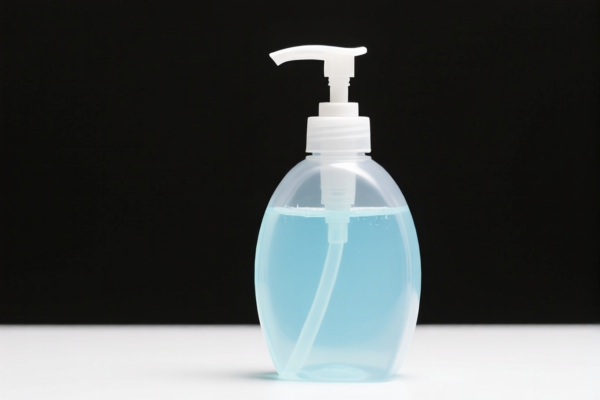
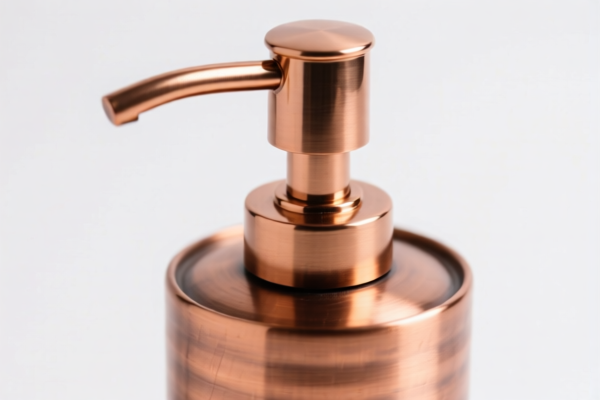

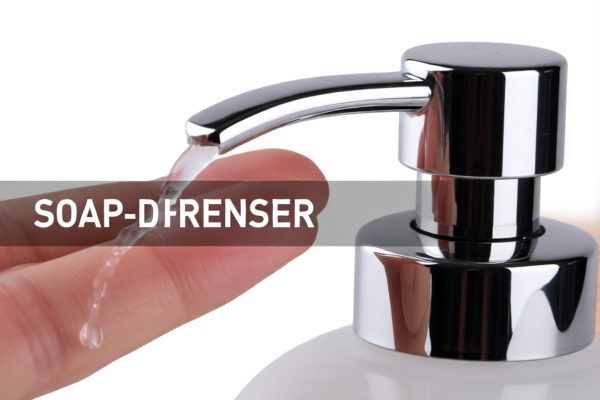
AI Analysis
🧼 Kitchen Soap Dispenser (Plastic vs. Metal/Glass)
🌐 HS Code Reference & Customs Clearance Guide | 2026 Latest Tariff Breakdown | Professional Clearance Strategy
📌 I. Product Definition & Classification: Do You Really Know Your "Soap Dispenser"?
A Kitchen Soap Dispenser is a household article used for dispensing liquid soap, dishwashing liquid, or hand sanitizer at the sink. In international trade, its classification strictly depends on the material:
- Plastic Dispensers: Made of polymers (e.g., PP, PET, PE). These fall under Chapter 39.
- Metal Dispensers: Made of Iron or Steel. These fall under Chapter 73 (and are subject to severe "Steel" surcharges).
- Glass Dispensers: Made of glass (valued based on price per unit). These fall under Chapter 70.
⚠️ Critical Distinction:
- If the item is Plastic → Go to 3924.10.
- If the item is Steel/Iron → Go to 7323.99.90 (⚠️ WARNING: High tariffs apply).
- If the item is Glass → Go to 7013.49 (Tariff depends on unit value).
📦 II. HS Code Classification Details (2026 Latest Tariff对照)
Based on the provided data, here is the breakdown for Kitchen Soap Dispensers:
| HS Code | Material | Product Description | Value Condition | Applicable Tax Rate |
|---|---|---|---|---|
| 3924.10.10.00 | 🧴 Plastic | Tableware/Kitchenware: Salt, Pepper, Mustard & Ketchup Dispensers (Includes Soap Dispensers) | N/A | 3.4% (Base Only) |
| 3924.10.40.00 | 🧴 Plastic | Tableware/Kitchenware: Other (Non-specific dispensers) | N/A | 3.4% (Base Only) |
| 7323.99.90.80 | 🛠️ Iron/Steel | Other Kitchen/Tableware (Not Coated/Plated) | Other | 78.4% ⚠️ |
| 7323.99.90.30 | 🛠️ Iron/Steel | Kitchen/Tableware Suitable for Food/Drink Contact | N/A | 78.4% ⚠️ |
| 7013.49.20.90 | 🍷 Glass | Glassware (Table/Kitchen) | Valued not over $3 each | 30.0% |
| 7013.49.60.90 | 🍷 Glass | Glassware (Table/Kitchen) | Valued over $5 each | 14.7% |
🔍 Key Insight:
- Plastic is the most tax-efficient material (3.4% total).
- Steel/Iron incurs a massive 78.4% total tariff (3.4% Base + 50% Special Steel Surcharges).
- Glass rates fluctuate wildly based on unit value ($3 threshold). Under $3 = 30%, Over $5 = 14.7%.
💰 III. 2026 Latest Tariff Rate Breakdown (Detailed Tax Clauses)
✅ Origin: China (CN)
✅ Destination: United States (US)
✅ Effective Date: Current US Tariff Regime (Section 301 & Section 232)
🎯 Scenario A: Plastic Soap Dispenser (3924.10.10.00 or 3924.10.40.00)
| Item | Content |
|---|---|
| Base Tariff | 3.4% (Ad Valorem) |
| Section 301 (China Specific) | 0.0% (No additional "Steel" or "Tech" surcharge applied) |
| Section 232 (Steel/Aluminum) | N/A (Plastic is not steel) |
| Total Tariff | 3.4% |
| Tax Calculation | CIF Value × 3.4% |
| Strategy | ✅ Highly Recommended for cost-efficiency. |
📌 Explanation:
- Plastic household items are not subject to the heavy "Steel, Aluminum, Copper" surcharges.
- The 3.4% is the standard Most-Favored-Nation (MFN) rate plus any specific base rate.
- No extra "Add-on" tax applies unless specific Section 301 lists target this specific plastic item (data shows 0% add-on here).
🎯 Scenario B: Steel/Iron Soap Dispenser (7323.99.90.30 or 7323.99.90.80)
| Item | Content |
|---|---|
| Base Tariff | 3.4% |
| Section 301 (General) | 25.0% (General China Tariff) |
| Section 232 (Steel/Aluminum) | 50.0% ⚠️ Crucial! (Steel/Aluminum/Copper Products Surcharges) |
| Total Tariff | 78.4% (3.4 + 25.0 + 50.0) |
| Tax Calculation | CIF Value × 78.4% |
| Strategy | ❌ Avoid unless the product is a premium luxury item where 78.4% is acceptable. |
📌 Explanation:
- Why 78.4%?
1. 3.4% is the standard duty for iron/steel tableware.
2. 25.0% is the standard "Section 301" tariff on Chinese goods.
3. 50.0% is the specific "Steel, Aluminum, Copper" surcharge (Section 232) applied to steel products.
- Result: This makes steel dispensers extremely uncompetitive in the US market compared to plastic.
🎯 Scenario C: Glass Soap Dispenser (7013.49.20.90 or 7013.49.60.90)
| Item | Content |
|---|---|
| Base Tariff | 22.5% (Low Value) OR 7.2% (High Value) |
| Section 301 (Add-on) | 7.5% (Applied to all glass tableware in this dataset) |
| Total Tariff | 30.0% (<$3) OR 14.7% (>$5) |
| Tax Calculation | CIF Value × Total Rate |
| Strategy | ⚠️ Pricing Strategy Critical: Set unit value >$5 to drop to 14.7%. |
📌 Explanation:
- Under $3 each: Total tax = 30.0% (22.5% + 7.5%).
- Over $5 each: Total tax = 14.7% (7.2% + 7.5%).
- Gap: There is a dangerous "tax cliff" between $3 and $5. Ensure your invoice value is clearly >$5 if possible to qualify for the lower rate.
🛠️ IV. Customs Clearance Practical Advice (Avoiding Pitfalls)
✅ 1. Documentation Checklist (Must-Have)
| Document | Requirement | Why It Matters |
|---|---|---|
| ✅ Material Declaration | ✔️ Critical | Must explicitly state "100% Plastic" or "Stainless Steel". If mislabeled as steel, you get 78.4%. |
| ✅ Commercial Invoice | ✔️ Unit Price | Must clearly state the Value per Unit (e.g., "$6.00/ea"). If < $3, tax jumps to 30%. |
| ✅ Product Photos | ✔️ Front/Side | Shows material texture (plastic vs. metal shine) to prove HS Code. |
| ✅ Packing List | ✔️ Weight/Count | Helps calculate unit value for Glass items. |
| ✅ FCC/Prop 65 Cert | ✔️ (If applicable) | Required for plastic items sold in California/US. |
✅ 2. Declaration Strategy (The "Golden Rules")
🔥 Rule 1: Plastic is King
If you have the choice between plastic and steel, choose plastic. The tax difference is 75 percentage points (78.4% vs 3.4%).
Action: Ensure the product description says "Plastic Soap Dispenser" clearly.🔥 Rule 2: The $5 Glass Threshold
For glass dispensers, DO NOT declare a value under $3.
Action: Invoice value must be >$5.00 to avoid the 30% tax bracket. If the FOB price is low, add packaging/shipping to the "Unit Value" if the customs system allows, or increase the product price.🔥 Rule 3: Steel Dispensers = Last Resort
Only use Steel (7323.99.90.30) if it's a high-end "Kitchenware" set.
Warning: The 50% Steel Surcharge is automatic if the material is identified as steel.
✅ 3. Special Case Handling
| Situation | Recommendation |
|---|---|
| Mixed Materials (e.g., Plastic pump on a Glass body) | Declare based on the principal material (Glass). If Plastic body with Metal pump, declare Plastic (3924.10.10.00). |
| Set of Items (Soap Dispenser + Soap) | If sold together, declare the entire kit. If the kit contains steel, the whole kit might be taxed as steel. Best to sell Plastic Dispenser + Separate Liquid. |
| "Kitchenware" vs. "Other" | For plastic, use 3924.10.10.00 (Dispensers) specifically. Do not use 3924.10.40.00 (Other) unless the specific dispenser shape is non-standard. |
🌍 V. Global Market Comparison (2026)
| Market | Plastic Dispenser Tax | Steel Dispenser Tax | Glass Dispenser Tax | Verdict |
|---|---|---|---|---|
| 🇺🇸 USA | 3.4% ✅ | 78.4% ❌ | 14.7% ~ 30% ⚠️ | Plastic is the ONLY viable option. |
| 🇪🇺 EU | ~0-5% | ~6-12% | ~6-12% | Steel is more acceptable here. |
| 🇨🇦 Canada | ~5% | ~10-15% | ~10% | Steel surcharge is lower. |
| 🇦🇺 Australia | ~5% | ~5% | ~5% | No massive steel surcharge. |
📌 Conclusion: The 78.4% US tariff on Steel is unique and devastating for US-bound shipments. Switch to Plastic immediately if shipping to the USA.
📌 VI. Common Mistakes & Solutions (Lessons Learned)
❌ Mistake 1: Shipping a Steel dispenser and declaring it as "Plastic" to avoid tax.
👉 Consequence: Seizure & Fine. Customs will do material testing (XRF scanner). If found as steel, you pay 78.4% + Penalties + Seizure.
❌ Mistake 2: Declaring a Glass dispenser at $2.50/unit to save money.
👉 Consequence: 30.0% Tax instead of 14.7%. You lose 15% profit margin on every unit.
❌ Mistake 3: Using the wrong HS Code (3924.10.40.00 for a specific dispenser).
👉 Consequence: While the rate (3.4%) is the same, using the "Specific" code (3924.10.10.00) is safer for future audits as it matches the description "Dispensers".
✅ Correct Action:
Product Name: "Plastic Kitchen Liquid Soap Dispenser"
HS Code:3924.10.10.00
Value: $8.00/ea (if glass) or $5.00/ea (if plastic)
Material: 100% Polypropylene (PP)
🎯 VII. Final Verdict: Strategic Recommendation
🎯 For US Market:
100% Plastic Dispenser (
3924.10.10.00) is the WINNER.
- Tax: 3.4% (Minimal).
- Risk: Low.
- Margin: High.Steel/Glass are LOSERS due to the 78.4% (Steel) or 30% (Glass <$3) tax burden.
📌 Pro Tip:
If you must use Glass, ensure your Commercial Invoice clearly states "Unit Value: $6.00 USD" to trigger the 14.7% rate. Do not leave it ambiguous.
🚀 Ready to Ship?
Step 1: Verify Material (Plastic? Yes/No).
Step 2: Calculate Unit Value (Glass? >$5?).
Step 3: Prepare Invoice with3924.10.10.00or7013.49.60.90.
Step 4: Clear Customs with 3.4% or 14.7%!
✨ Smart Classification = Higher Profit!
💼 Don't let a 75% tariff tax eat your margins!
Customer Reviews
About HS Code Classification
The Harmonized System (HS) is an internationally standardized nomenclature developed by the World Customs Organization (WCO) to classify traded products. Over 200 countries use the HS system as the basis for customs tariffs, trade statistics, and import/export regulations.
Each HS code follows a hierarchical structure:
- Chapter (2 digits) — Broad category of goods (e.g., Chapter 84: Machinery and Mechanical Appliances)
- Heading (4 digits) — More specific grouping within the chapter
- Subheading (6 digits) — Internationally standardized breakdown, used by all WCO member countries
- National subdivisions (8-10 digits) — Country-specific extensions for further classification, such as US HTSUS 10-digit codes
Correct HS code classification is essential for smooth customs clearance, accurate duty payment, and compliance with trade regulations. Misclassification can lead to customs delays, overpayment of duties, or penalties.
When importing from CN to US, the applicable tariff rates may include:
- Most-Favored-Nation (MFN) rate — The standard duty rate applied to WTO members
- General rate — Applied to countries without trade agreements
- Trade remedy duties — Additional tariffs such as Section 301 (anti-dumping), Section 232 (national security), or countervailing duties
The information provided on this page is for reference purposes only. For official classification, please consult with your local customs authority or a licensed customs broker.