Kitchen Tools
CN → US| HS编码 | 关税税率 | 原产国 | 目的国 | 文档 |
|---|---|---|---|---|
| 8205513030 | 38.7% | CN | US | 官方文档 |
| 7323999080 | 88.4% | CN | US | 官方文档 |
| 8205517500 | 38.7% | CN | US | 官方文档 |
| 8215992400 | 0.0% | CN | US | 官方文档 |
| 8215994060 | 15.0% | CN | US | 官方文档 |
商品图片
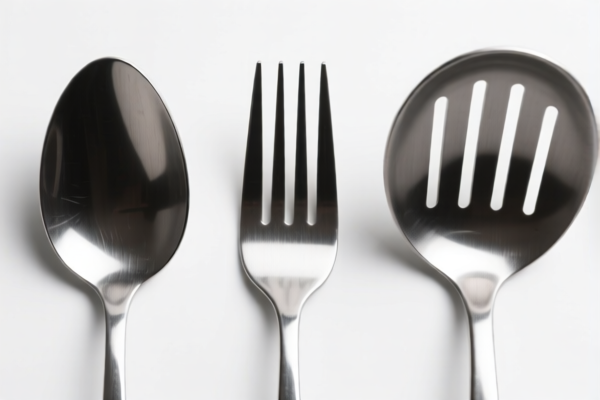
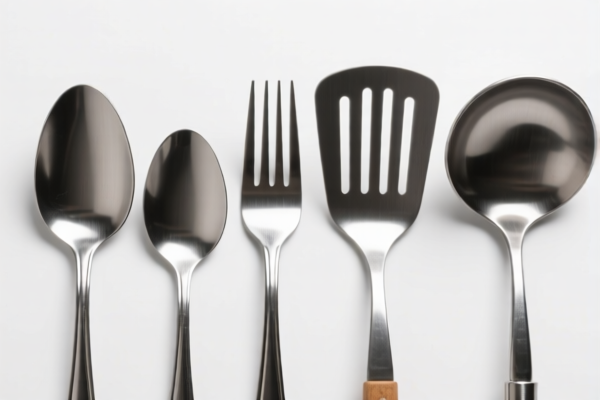
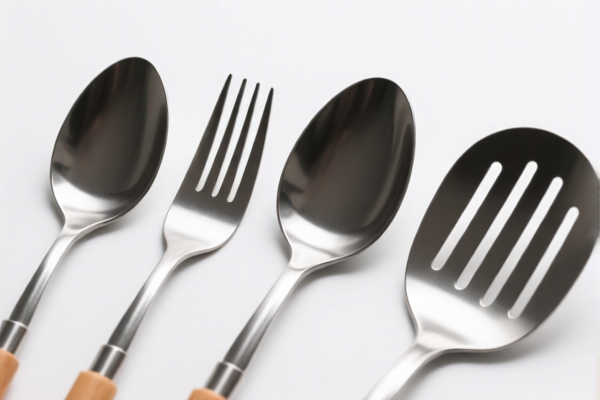
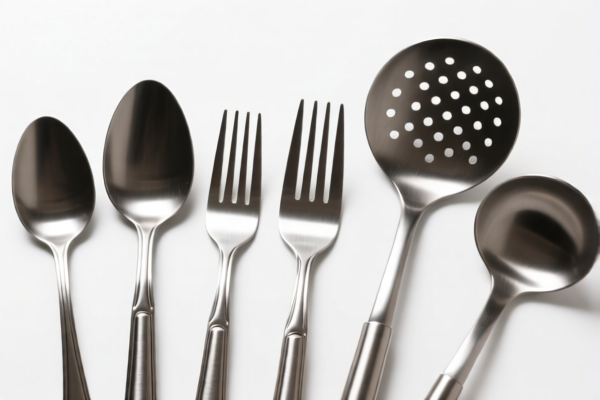
AI分析
🍳 Kitchen Tools (Kitchen Utensils & Cookware)
🌐 HS Code Reference & Clearance Guide | 2026 Latest Tariff Analysis | Professional Customs Strategy
📌 I. Product Definition & Classification: Do You Truly Understand "Kitchen Tools"?
Kitchen tools are an essential category in household goods, encompassing everything from spatulas and ladles to tongs and peelers. In international trade, their classification depends heavily on material, specific function, and manufacturing method. Misclassification can lead to drastically different duty rates, especially under current US trade policies.
⚠️ Key Distinction:
- Metal Cookware (Iron/Steel): Often falls under general metal articles or specific kitchenware categories.
- Wooden Utensils: Classified separately under wooden articles or cutlery, with different tariff structures.
- Specific Tools vs. General Utensils: Items specifically designed for handling fire/cooking (e.g., tongs for grilling) may differ from general mixing or serving spoons.
📦 II. HS Code Classification Details (2026 Latest Tariff Authority)
| HS Code | Product Description | Applicable Scenario | Material/Feature |
|---|---|---|---|
8205.51.30.30 |
Hand tools for kitchen use | Cooking tongs, skewers, grilling tools | Metal (Iron/Steel) |
7323.99.90.80 |
Table, kitchen or other household articles of iron or steel | General stainless steel or iron cookware, pots, pans not specified elsewhere | Iron/Steel (General) |
8205.51.75.00 |
Other hand tools | Household metal tools, heat-resistant handles | Metal or Heat-Resistant Material |
8215.99.24.00 |
Other articles of wood | Wooden spoons, forks, spatulas | Wood |
8215.99.40.60 |
Non-stainless steel or non-metallic handles | Wooden utensils with specific handle requirements | Wood (Non-metallic handle focus) |
🔍 Key Reminder:
- Metal vs. Wood: The material is the primary divider. Metal tools (8205/7323) often face higher additive tariffs than wooden items (8215) in certain contexts, but this varies by specific subheading and trade restrictions. - "Kitchen Use" vs. "Cutlery": Items classified as "hand tools for kitchen use" (8205) are distinct from standard eating cutlery. Ensure your product description matches the functional definition.
💰 III. 2026 Latest Tariff Rate Breakdown (Including Additives, Policy Surcharges)
✅ Applicable Country: United States (US)
✅ Origin: China (CN)
✅ Effective Date: Current rates apply (subject to 2025-2026 policy updates)
🎯 1. 8205.51.30.30 — Hand Tools for Kitchen Use (Metal)
| Item | Content |
|---|---|
| Base Tariff | 3.7% |
| Section 301 Additional Tariff | +25.0% |
| Section 122 Tariff | +10.0% |
| Total Tax Rate | 38.7% |
| Tax Calculation | CIF Value × 38.7% |
| De Minimis Exemption | ❌ Not Eligible |
| Legal Basis Path | Base: 3.7% → 301: 25.0% → Section 122: 10.0% |
📌 Explanation:
- Section 301 (25%): Applies to most metal goods from China due to trade tensions. - Section 122 (10%): Additional surcharge for certain industrial and consumer goods. - Total 38.7%: A significant cost factor. Ensure the item is clearly defined as a "hand tool" and not general "cookware" to avoid being lumped into higher-tier categories.
🎯 2. 7323.99.90.80 — Kitchen Articles of Iron or Steel (General)
| Item | Content |
|---|---|
| Base Tariff | 3.4% |
| Section 301 Additional Tariff | +25.0% |
| Section 122 Tariff | +10.0% |
| Steel/Aluminum/Copper Additional Tariff | +50.0% |
| Total Tax Rate | 88.4% |
| Tax Calculation | CIF Value × 88.4% |
| De Minimis Exemption | ❌ Not Eligible |
| Legal Basis Path | Base: 3.4% → 301: 25.0% → 122: 10.0% → Steel Add.: 50.0% |
📌 Critical Warning:
- Highest Risk Category: If your iron/steel kitchen tool is classified under this "general catch-all" for metal cookware, it attracts an additional 50% tariff for steel products. - Total 88.4%: This is extremely high. Try to classify specific functional tools under8205(38.7%) instead of7323(88.4%) if they fit the "hand tool" definition. - Material Check: Confirm if the item is primarily steel. Aluminum or copper may have different surcharges, but iron/steel faces the 50% hit.
🎯 3. 8205.51.75.00 — Other Hand Tools (Metal/Heat-Resistant)
| Item | Content |
|---|---|
| Base Tariff | 3.7% |
| Section 301 Additional Tariff | +25.0% |
| Section 122 Tariff | +10.0% |
| Total Tax Rate | 38.7% |
| Tax Calculation | CIF Value × 38.7% |
| De Minimis Exemption | ❌ Not Eligible |
| Legal Basis Path | Base: 3.7% → 301: 25.0% → 122: 10.0% |
📌 Note:
- Similar to8205.51.30.30, this falls under the 38.7% bracket. - Applicable if the tool is a "hand tool" but doesn't fit the specific description of30.30(e.g., different shape or minor feature variation). - Ensure the material is clearly documented to avoid reclassification to the 88.4% bracket.
🎯 4. 8215.99.24.00 — Wooden Kitchen Utensils (Fork-like)
| Item | Content |
|---|---|
| Base Tariff | 0.3¢ each + 4.5% |
| Section 301 Additional Tariff | +7.5% |
| Section 122 Tariff | +10.0% |
| Total Tax Rate | ~17.5% + 0.3¢/piece |
| Tax Calculation | (CIF Value × 17.5%) + ($0.003 × Quantity) |
| De Minimis Exemption | ❌ Not Eligible (Likely) |
| Legal Basis Path | Base: 0.3¢ + 4.5% → 301: 7.5% → 122: 10.0% |
📌 Advantage:
- Lower Base Rate: Wooden items have a much lower base tariff (4.5% + specific unit duty) compared to metal. - Lower Additive Tariffs: Section 301 is only 7.5% (vs. 25% for metal), leading to a total of ~17.5%. - Best for Cost Control: If your product is wooden, this is a highly favorable classification.
🎯 5. 8215.99.40.60 — Wooden Kitchen Utensils (Spoon-like/Non-metallic Handle)
| Item | Content |
|---|---|
| Base Tariff | 5.0% |
| Section 301 Additional Tariff | 0.0% |
| Section 122 Tariff | +10.0% |
| Total Tax Rate | 15.0% |
| Tax Calculation | CIF Value × 15.0% |
| De Minimis Exemption | ❌ Not Eligible |
| Legal Basis Path | Base: 5.0% → 301: 0.0% → 122: 10.0% |
📌 Best Option for Wooden Items:
- No Section 301 Tariff: This subheading appears to have 0% additional tariff under Section 301. - Lowest Total: 15.0% is the most cost-effective option among all listed HS codes. - Condition: Must meet specific criteria for "non-stainless steel or non-metallic handle" or specific wooden utensil definitions. Ensure your product description highlights "wooden" and "non-metallic handle" features.
🛠️ IV. Clearance Practical Advice (Real-World Pitfall Guide)
✅ 1. Preparation Checklist (Mandatory)
| Document | Required | Notes |
|---|---|---|
| ✅ Product Specification Sheet | ✔️ | Detail material (Wood/Iron/Steel), dimensions, weight |
| ✅ Photos (Clear) | ✔️ | Show the entire tool, including handles and tips |
| ✅ Material Certificate | ✔️ | Specify if wood is treated, steel grade, etc. |
| ✅ Commercial Invoice | ✔️ | Clearly state "Kitchen Tool: [Type]" and "Material: [Wood/Metal]" |
| ✅ Packing List | ✔️ | Match invoice and product details |
✅ 2. Declaration Tips (Key Mnemonics)
🔥 "Material First, Function Second, Avoid 'General', Seek 'Specific'!"
| Situation | Correct Declaration | Wrong Practice |
|---|---|---|
| Metal Tongs/Spatula | 8205.51.30.30 (38.7%) |
Report as "Steel Cookware" 7323.99 (88.4%) → Overpay 49.7% |
| Wooden Spoon | 8215.99.40.60 (15.0%) |
Report as "General Wood Item" → Risk of higher base rate |
| Mixed Material Tool | Check handle material | If handle is wood and head is metal, clarify classification rules |
✅ 3. Special Cases Handling
| Situation | Handling Advice |
|---|---|
| Stainless Steel vs. Iron | Stainless may have different base rates; check if it falls under 7323 (88.4%) or 8205 (38.7%). Stainless often faces the 88.4% rate if not specifically "hand tool". |
| Wooden with Metal Tip | Risk of reclassification to metal category. Ensure the primary characteristic is wood or declare as mixed with justification. |
| Bamboo Utensils | Often classified under wood (8215). Verify if bamboo is accepted under "wood" provisions for favorable tariffs. |
| Silicone Handles | If the main body is metal, it may still be 8205 (38.7%). If the main body is plastic/silicone, it might fall under different chapters (e.g., 39), so confirm material dominance. |
🌍 V. Global Market Comparison (2026 Latest)
| Country/Region | Recommended HS Code | Estimated Tariff | Certification | Notes |
|---|---|---|---|---|
| 🇺🇸 USA | 8205.51.30.30 |
38.7% (Metal) | FDA (for food contact) | Avoid 7323 (88.4%) if possible |
| 🇺🇸 USA | 8215.99.40.60 |
15.0% (Wood) | FDA | Best for Wooden Items |
| 🇨🇳 China | 8205 / 8215 |
5-10% | CCC (if applicable) | Lower tariffs, no Section 301 |
| 🇪🇺 EU | 8205 / 8215 |
2.5-5% | CE (if applicable) | No major additive tariffs |
📌 Conclusion:
- USA is the highest cost market due to Section 301 and Section 122 tariffs. - Wooden utensils are significantly cheaper to import into the US (15-17.5%) compared to metal ones (38.7-88.4%). - Metal tools must be carefully classified as "Hand Tools" (8205) rather than "General Cookware" (7323) to save nearly 50% in duties.
📌 VI. Common Errors & Pitfalls (Lessons Learned)
❌ Error 1: Reporting a Metal Tongs as "Kitchenware" (7323.99.90.80)
👉 Consequence: Pay 88.4% instead of 38.7% → Overpay by $49.7 per $100!
❌ Error 2: Reporting Wooden Spoons with metal rivets as "Metal Tools"
👉 Consequence: If deemed primarily metal, may fall under higher tariff brackets. Ensure wood is the primary material.
❌ Error 3: Vague Description: "Kitchen Stuff"
👉 Consequence: Customs may misclassify to the highest applicable rate or delay inspection.
❌ Error 4: Ignoring Section 122
👉 Consequence: Forgetting the +10% additive tariff in calculations, leading to cash flow issues.
✅ Correct Approach:
"Wooden Spoons, 12-inch, Natural Wood, Food Safe" →
8215.99.40.60(15.0%)
"Stainless Steel Tongs, 10-inch, Heat Resistant" →8205.51.30.30(38.7%)
🎯 VII. Conclusion: Professional Declaration, Cost Savings!
🎯 Remember the Mantra:
🔹 "Wood is Low (15%), Metal is High (38-88%), Specificity Saves Money!"
🔹 "Don't let 'General' cook your profits; classify 'Specific' tools wisely!"
📌 Pro Tip:
If you have a mix of wooden and metal tools, separate shipments or clearly separate SKUs in your invoice can help optimize total duty costs. Consider sourcing wooden items from non-China origins if possible, as they face lower Section 301 tariffs (0% for 8215.99.40.60).
📣 Immediate Action:
📞 Contact your customs broker to pre-classify your HS Codes.
📦 Label products clearly with material composition.
📊 Calculate landed cost using the correct rates (15% for wood, 38.7% for metal hand tools, 88.4% for general metal cookware).
✨ Professional Clearance Starts with Accurate Classification!
💼 Every percentage point counts in your bottom line!
用户评价
关于 HS 编码归类
协调制度(HS)是由世界海关组织(WCO)制定的国际贸易商品分类标准。全球 200 多个国家采用 HS 系统作为海关关税、贸易统计和进出口监管的基础。
每个 HS 编码遵循以下层级结构:
- 章(2 位)——商品大类(例如:第 84 章:机器和机械设备)
- 品目(4 位)——章内的更具体分类
- 子目(6 位)——国际通用细分,所有 WCO 成员国统一使用
- 本国细分(8-10 位)——各国自行扩展的细分编码,如美国 HTSUS 10 位编码
正确的 HS 编码归类对于顺利通关、准确缴纳关税和遵守贸易法规至关重要。错误归类可能导致海关延误、多缴关税或罚款。
从CN进口到US时,适用的关税税率可能包括:
- 最惠国(MFN)税率——适用于 WTO 成员国的标准关税税率
- 普通税率——适用于无贸易协定国家
- 贸易救济关税——附加关税,如 301 条款(反倾销)、232 条款(国家安全)或反补贴税
本页内容仅供参考。如需正式归类,请咨询当地海关或持牌报关代理。