Kitchen Tools
CN → US| HS Code | Tariff Rate | Origin | Destination | Doc |
|---|---|---|---|---|
| 8205513030 | 38.7% | CN | US | Official Doc |
| 7323999080 | 88.4% | CN | US | Official Doc |
| 8205517500 | 38.7% | CN | US | Official Doc |
| 8215992400 | 0.0% | CN | US | Official Doc |
| 8215994060 | 15.0% | CN | US | Official Doc |
Product Images
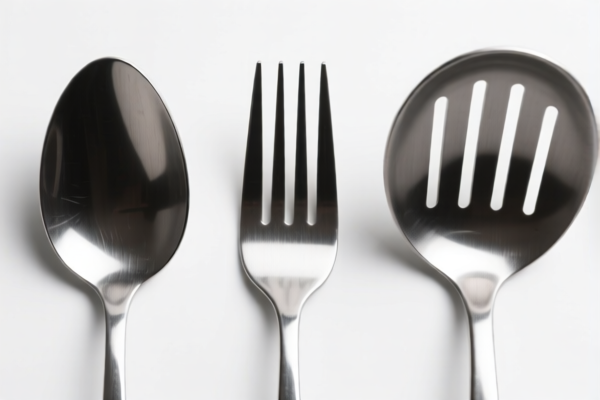
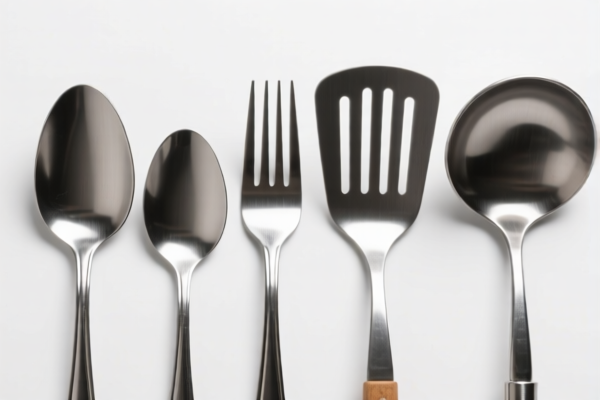
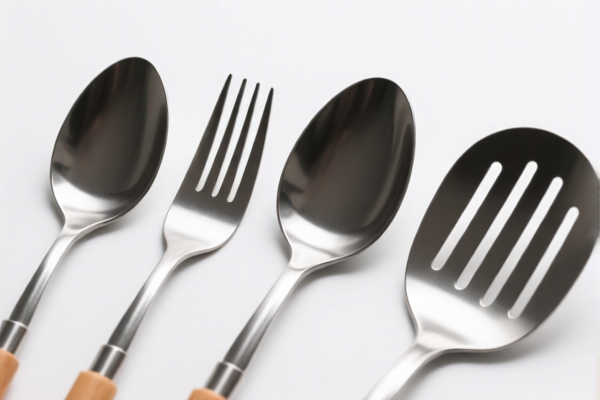
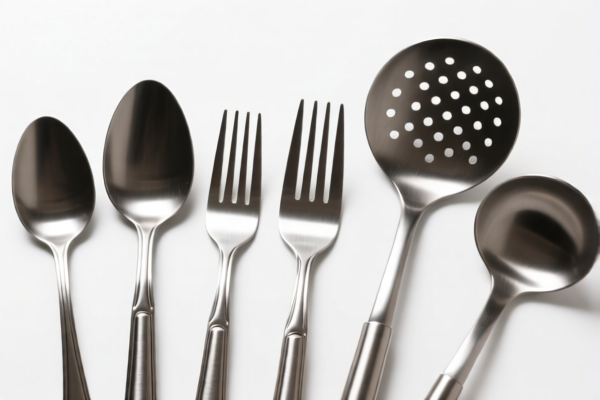
AI Analysis
🍳 Kitchen Tools: The Ultimate HS Code & Tax Strategy Guide (2026 Update)
🌐 HS Code Reference & Customs Clearance Guide | 2026 Latest Tariff Analysis | Professional Clearance Strategy
📌 I. Product Definition & Classification: Do You Really Know "Kitchen Tools"?
"Kitchen Tools" is a broad umbrella term in international trade. It generally includes utensils used for cooking, serving, or food preparation. In customs classification, the material (metal, wood, plastic) and specific function (cutting, stirring, gripping) are the decisive factors for determining the HS Code.
Key Distinctions: * Metal Utensils (Non-Stainless/Iron/Steel): Often fall under Chapter 73 (Articles of Iron/Steel) or Chapter 82 (Tools/Utensils of Base Metal). * Wooden Utensils: Typically fall under Chapter 44 (Wood) or specific subheadings for non-stainless tools. * Electric Tools: If motorized, they fall under Chapter 85 (Electrical Machinery), but the provided data focuses on non-electric manual tools.
⚠️ Critical Classification Point:
- If the item is a metal spatula, spoon, or fork → Likely 8205.51 or 7323.99.
- If the item is wooden → Likely 8215.99.
- Misclassification Risk: Declaring a steel spoon as "wooden" to avoid tariffs is fraud. Declaring a wooden spoon as "steel" will trigger heavy anti-dumping or specific material tariffs.
📦 II. HS Code Classification Details (2026 Latest Tariff Authority Comparison)
Based on the provided data, here are the specific HS Codes, their summaries, and the rationale for classification.
| HS Code | Product Description (Summary) | Key Material/Feature | Rationale for Classification |
|---|---|---|---|
8205.51.30.30 |
Kitchen fire tools (matching use/form). Material inferred as Metal (Iron/Steel). | Metal (Iron/Steel) | Classifies as "Hand Tools" of base metal used in kitchens. Specific subheading for metal kitchen utensils. |
8205.51.75.00 |
Kitchen fire tools. Belongs to home tool category. Material inferred as Metal or Heat-Resistant. | Metal / Heat-Resistant | Similar to .30 but possibly different specific form factor. Still falls under Base Metal Hand Tools. |
7323.99.90.80 |
Kitchen utensils. Matches use & material inference. Mostly Iron/Steel. General "Other" category. | Iron/Steel (Non-Stainless) | A "catch-all" for steel kitchenware not specifically listed elsewhere. High tariff risk due to steel-specific surcharges. |
8215.99.24.00 |
Wooden Kitchen Utensils. Form is kitchen utensil. Use matches tableware (e.g., forks). | Wood | Classified under "Cutlery/Tableware" of base metal or other materials. Specific provision for wood/tableware hybrids. |
8215.99.40.60 |
Wooden Kitchen Utensils. Fits non-stainless/non-metallic handle requirements. Use matches spoons. | Wood (Non-Stainless Handle) | Specific subheading for wooden spoons/utensils where the handle is not stainless steel. |
🔍 Key Insight:
-8205.51codes are for Metal tools.
-7323.99is a General Steel category (often penalized with higher tariffs).
-8215.99is for Wooden tools (often lower base tariff but subject to specific "122" clauses).
💰 III. 2026 Latest Tariff Rate Breakdown (Including Surcharges & Policy Additions)
✅ Applicable Country: United States (US)
✅ Origin: China (CN)
✅ Validity: Current as of 2026 Data Provided
🎯 1. Metal Kitchen Tools: 8205.51.30.30 & 8205.51.75.00
| Item | Content |
|---|---|
| Base Duty | 3.7% (Ad Valorem) |
| Section 301 Surcharge | +25.0% |
| Section 122 Surcharge | +10.0% |
| Total Effective Tax | 38.7% |
| Tax Calculation | CIF Value × 38.7% |
| Legal Basis Path | USITC:8205.51.30.30 → Section 301: +25% → Section 122: +10% |
📌 Explanation:
- These codes fall under Base Metal Tools.
- They attract the standard 25% Section 301 tariff and an additional 10% Section 122 tariff.
- Total burden: 38.7%.
🎯 2. General Steel Kitchenware: 7323.99.90.80
| Item | Content |
|---|---|
| Base Duty | 3.4% (Ad Valorem) |
| Section 301 Surcharge | +25.0% |
| Section 122 Surcharge | +10.0% |
| Specific Steel/Aluminum/Copper Surcharge | +50.0% (Critical!) |
| Total Effective Tax | 88.4% |
| Tax Calculation | CIF Value × 88.4% |
| Legal Basis Path | USITC:7323.99.90.80 → Steel/Aluminum/Copper Surcharge: +50% → Section 301: +25% → Section 122: +10% |
📌 WARNING:
- This code attracts the HIGHEST tariff rate.
- The 50% surcharge is specifically applied to Steel, Aluminum, and Copper products under certain trade actions.
- Total burden: 88.4%. This is prohibitively expensive for standard steel kitchenware.
🎯 3. Wooden Kitchen Utensils: 8215.99.24.00
| Item | Content |
|---|---|
| Base Duty | 0.3¢ each + 4.5% (Ad Valorem) |
| Section 301 Surcharge | +7.5% |
| Section 122 Surcharge | +10.0% |
| Total Effective Tax | Variable (Per Unit + Percentage) |
| Tax Calculation | (0.3¢ × Quantity) + (CIF Value × 17.5%) |
| Legal Basis Path | USITC:8215.99.24.00 → Section 301: +7.5% → Section 122: +10% |
📌 Explanation:
- This is a mixed duty: Specific duty (per unit) + Ad Valorem (percentage).
- Total percentage burden: 17.5% (7.5% + 10%).
- Advantage: Lower percentage than metal tools, but check the per-unit cost for high-volume, low-value items.
🎯 4. Wooden Kitchen Utensils (Spoons/Non-Stainless): 8215.99.40.60
| Item | Content |
|---|---|
| Base Duty | 5.0% (Ad Valorem) |
| Section 301 Surcharge | 0.0% |
| Section 122 Surcharge | +10.0% |
| Total Effective Tax | 15.0% |
| Tax Calculation | CIF Value × 15.0% |
| Legal Basis Path | USITC:8215.99.40.60 → Section 122: +10% |
📌 STRATEGY:
- This is the MOST TAX-EFFICIENT code for wooden tools.
- Section 301 Surcharge is 0%!
- Total burden: 15.0%.
- Requirement: Must be clearly identified as wooden with non-stainless handles to qualify for this specific subheading.
🛠️ IV. Customs Clearance Practical Advice (Real-World Pitfall Avoidance)
✅ 1. Preparation Checklist (Non-Negotiable)
| Document | Required? | Purpose |
|---|---|---|
| ✅ Product Specifications | ✔️ | Must state Material (Wood, Iron, Steel) and Function (Spoon, Fork, Spatula). |
| ✅ Material Composition Proof | ✔️ | For 7323.99 vs 8215.99, customs will demand proof it is NOT stainless steel if claiming lower tariffs. |
| ✅ Photos (Clear & Labeled) | ✔️ | Show handles, heads, and any markings. Wooden grain must be visible. |
| ✅ Commercial Invoice | ✔️ | Must match HS Code description exactly. Do not use generic "Kitchen Tool." |
| ✅ Packing List | ✔️ | Item count per box (critical for per-unit duty 8215.99.24.00). |
✅ 2. Declaration Strategy (Key Mantras)
🔥 "Material is King, Handle is Queen, 15% is Sweet, 88% is Bleed!"
| Scenario | Correct Declaration | Wrong Action | Consequence |
|---|---|---|---|
| Wooden Spoon | 8215.99.40.60 (15% Tax) |
Declare as "Steel Spoon" | Pay 88.4% tax → Massive Loss |
| Steel Spatula | 8205.51.30.30 (38.7% Tax) |
Declare as "Wooden Tool" | Fraud detection → Seizure + Fine |
| Mixed Set (Wood+Steel) | Separate Lines | Declare as Single Line | Customs may disallow the cheaper rate |
| High-Volume Wooden Items | 8215.99.24.00 |
Check 0.3¢/unit cost | If >10,000 units, per-unit duty may exceed percentage duty |
✅ 3. Special Cases
| Situation | Advice |
|---|---|
| Coated Wooden Utensils | If coated with non-toxic lacquer, still 8215.99.40.60 (15%). If coated with metal plating, it becomes 8205.51 (38.7%). |
| Stainless Steel Handles on Wood | If the handle is stainless steel, you may lose the 0% Section 301 benefit for 8215.99.40.60. Verify with a ruling. |
| Ceramic Knives | Not covered in this data. Likely falls under 6910 (Ceramics). Do not force into 8205. |
🌍 V. Global Market Comparison (2026)
| Market | Recommended HS Code (Wooden) | Total Tax Rate | Note |
|---|---|---|---|
| 🇺🇸 USA | 8215.99.40.60 |
15.0% | Best rate due to 0% Section 301. |
| 🇺🇸 USA | 7323.99.90.80 (Steel) |
88.4% | Avoid for steel goods. |
| 🇪🇺 EU | 4419.00 (Wooden Tableware) |
0% - 3% | No Section 301/122 surcharges. |
| 🇨🇳 China | 4419.00 |
5% - 10% | Lower export/import duties. |
📌 Conclusion:
- For the US Market, Wooden Kitchen Utensils (8215.99.40.60) are highly tax-efficient (15%) compared to Steel (88.4%) or other Metal Tools (38.7%).
- Steel Kitchenware faces severe penalties. Consider sourcing from non-China origins or switching material to Wood/Bamboo if possible.
📌 VI. Common Errors & Pitfall Guide (Lessons Learned)
❌ Error 1: Declaring a Steel spoon as "Kitchen Tool" without specifying material.
👉 Result: Customs will classify under 7323.99.90.80 → 88.4% Tax.
❌ Error 2: Declaring Wooden spoons as 8215.99.24.00 to avoid per-unit fees, when the product fits 8215.99.40.60.
👉 Result: You might pay 17.5% instead of 15%. Small difference, but accuracy matters for audits.
❌ Error 3: Ignoring the 0.3¢ per unit duty in 8215.99.24.00.
👉 Result: For 100,000 units, $30,000 in specific duties adds up fast. Compare with percentage duty.
✅ Correct Declaration Example:
"Wooden Cooking Spoons, Non-Stainless Handle, Not Cutlery of Chapter 82 (Specifically: Wooden Utensils), Model WS-001, Made in China"
🎯 VII. Conclusion: Smart Classification, Higher Profits!
🎯 Remember the Mantra:
🔹 "Wood Wins (15%), Steel Burns (88%), Metal Middle (38%)."
🔹 "Check the Handle: If Stainless, Watch Out! If Wood, You're Good."
📌 Pro Tip:
If you are exporting Stainless Steel Kitchen Tools, consider:
1. Re-classifying if they qualify as "Hand Tools" (8205) rather than "Tableware" (7323).
2. Sourcing Wood/Bamboo alternatives for the US market to leverage the 15% rate.
3. Applying for an Advance Ruling from CBP if the material composition is complex (e.g., composite handles).
📣 Take Action Now:
📞 Consult a Customs Broker to verify the exact material breakdown.
📋 Update Your Product Listings with precise HS Codes.
🚀 Optimize Your Supply Chain to favor Wood/Bamboo for the US market to save ~73% in tariffs compared to steel!
✨ Precision in Classification = Precision in Profit!
💼 Every percentage point saved is pure margin!
Customer Reviews
About HS Code Classification
The Harmonized System (HS) is an internationally standardized nomenclature developed by the World Customs Organization (WCO) to classify traded products. Over 200 countries use the HS system as the basis for customs tariffs, trade statistics, and import/export regulations.
Each HS code follows a hierarchical structure:
- Chapter (2 digits) — Broad category of goods (e.g., Chapter 84: Machinery and Mechanical Appliances)
- Heading (4 digits) — More specific grouping within the chapter
- Subheading (6 digits) — Internationally standardized breakdown, used by all WCO member countries
- National subdivisions (8-10 digits) — Country-specific extensions for further classification, such as US HTSUS 10-digit codes
Correct HS code classification is essential for smooth customs clearance, accurate duty payment, and compliance with trade regulations. Misclassification can lead to customs delays, overpayment of duties, or penalties.
When importing from CN to US, the applicable tariff rates may include:
- Most-Favored-Nation (MFN) rate — The standard duty rate applied to WTO members
- General rate — Applied to countries without trade agreements
- Trade remedy duties — Additional tariffs such as Section 301 (anti-dumping), Section 232 (national security), or countervailing duties
The information provided on this page is for reference purposes only. For official classification, please consult with your local customs authority or a licensed customs broker.