Kitchen Utensils
CN → US| HS编码 | 关税税率 | 原产国 | 目的国 | 文档 |
|---|---|---|---|---|
| 4419909100 | 20.7% | CN | US | 官方文档 |
| 4419901100 | 15.3% | CN | US | 官方文档 |
| 4421916000 | 22.6% | CN | US | 官方文档 |
| 4421996000 | 15.1% | CN | US | 官方文档 |
| 8215992400 | 0.0% | CN | US | 官方文档 |
| 8215994060 | 15.0% | CN | US | 官方文档 |
商品图片
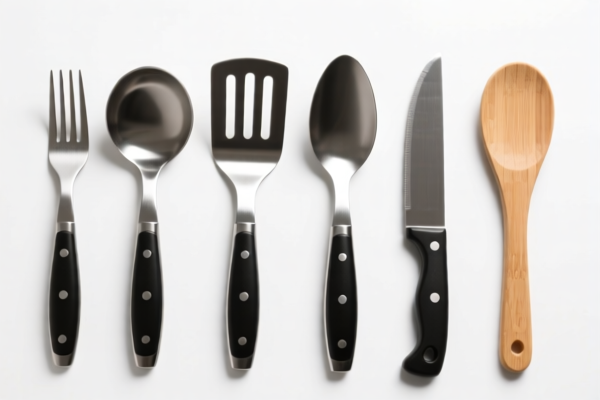
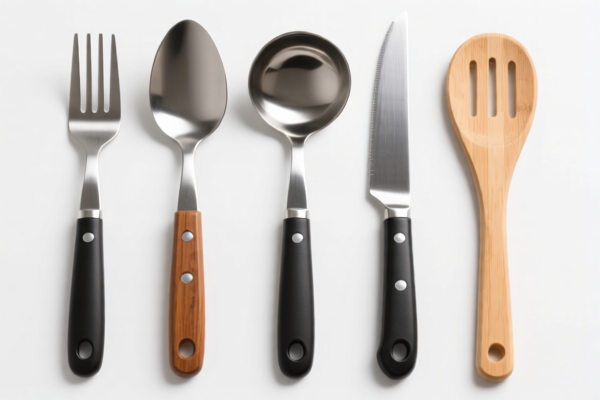
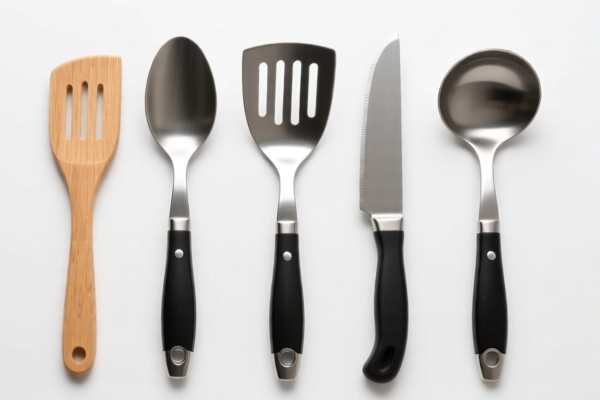
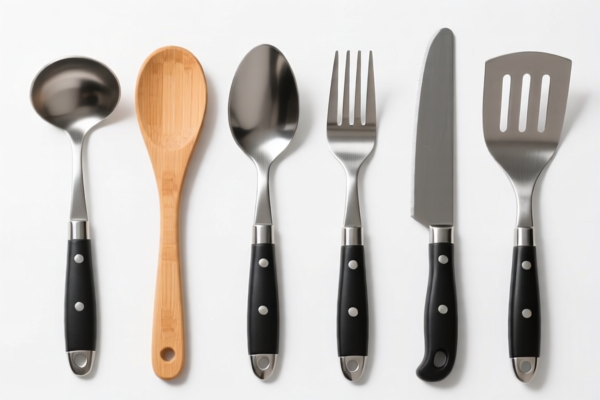
AI分析
🍴 Kitchen Utensils (Wooden & Metal)
🌐 HS Code Reference & Customs Clearance Guide | 2026 Latest Tariff Analysis | Professional Level Clearance Strategy
📌 I. Product Definition & Classification: Do You Really Understand "Kitchen Utensils"?
Kitchen utensils are essential tools in domestic and commercial food preparation. In international trade, they are primarily divided based on material (Wood/Bamboo vs. Metal) and specific form (General vs. Specific Cutlery).
Wooden Kitchen Utensils: Spatulas, spoons, cutting boards, salad servers. These fall under Chapter 44 (Wood and Articles of Wood).
Metal Kitchen Utensils: Spoons, forks, knives (excluding those of precious metal). These fall under Chapter 82 (Tools, Implements, Spoons and Forks of Base Metal).
⚠️ Key Distinction Point:
- If made of wood/bamboo → Generally classified under HS 4419 (Table/Kitchen woodware) or HS 4421 (Other wood articles).
- If made of base metal (stainless steel, etc.) → Generally classified under HS 8215 (Spoons, forks, ladles, skimmers, cake-knives, etc.).
📦 II. HS Code Classification Details (2026 Latest Tariff Authority Comparison)
| HS Code | Product Description | Application Scenario | Total Tax Rate* | Tax Detail Breakdown |
|---|---|---|---|---|
4419.90.91.00 |
Wooden Kitchen Utensils Material and use fully comply with classification requirements. |
General wooden kitchen tools (e.g., wooden spoons, spatulas) not specifically listed elsewhere. | 20.7% | Base: 3.2% Additional: 7.5% Section 301 (122): 10% |
4419.90.11.00 |
Wooden Kitchen Utensils Conforms to the category of wooden tableware and kitchenware. |
Standard wooden tableware and kitchen tools. | 15.3% | Base: 5.3% Additional: 0.0% Section 301 (122): 10% |
4421.91.60.00 |
Small Wooden Kitchen Utensils Conforms to bamboo/wood products and small utensils category. |
Small wooden items (e.g., skewers, small stirrers) classified as other wood articles. | 22.6% | Base: 5.1% Additional: 7.5% Section 301 (122): 10% |
4421.99.60.00 |
Other Small Wooden Kitchen Items Conforms to inferred category of wood articles and similar small items. |
Miscellaneous small wooden kitchen accessories not covered by 4419. | 15.1% | Base: 5.1% Additional: 0.0% Section 301 (122): 10% |
8215.99.24.00 |
Kitchen Utensils (Metal) Potentially includes forks and other cutlery; use aligns with cutlery category. |
Metal cutlery (spoons, forks, knives) made of base metal. | 0.3¢/ea + 22.0% (Ad Valorem + Specific) |
Base: 0.3¢/ea + 4.5% Additional: 7.5% Section 301 (122): 10% |
Note: Tax rates reflect import duties into the United States for products originating from China*, including Section 301 tariffs.
🔍 Important Reminder:
- Wooden vs. Metal: Misclassification between Chapter 44 (Wood) and Chapter 82 (Metal) is a common error. Wood utensils cannot be classified under 8215. - Section 301 Impact: Almost all kitchen utensils from China are subject to additional tariffs (10% for most, plus others). Always check the "Additional Tax" component. - Specific Duty: HS 8215.99.24.00 has a specific duty (0.3¢ per piece) plus an ad valorem rate. This means small, high-volume items may face a different calculation base.
💰 III. 2026 Latest Tariff Rate Details (Including Additional Taxes, Policy Add-ons)
✅ Applicable Country: United States (US)
✅ Origin: China (CN)
✅ Effective Date: Current Section 301 Tariffs Apply
🎯 1. 4419.90.91.00 & 4421.91.60.00 – Wooden Utensils (Higher Additional Tax)
| Item | Content |
|---|---|
| Base Rate | 3.2% – 5.1% (ad valorem) |
| Additional Tax (Section 301 / Trade War) | +7.5% |
| Section 301 (List 4 / 122) | +10% |
| Total Effective Rate | 20.7% – 22.6% |
| Tax Calculation | CIF Value × Total Rate + Specific Duties (if any) |
| De Minimis Exemption | ❌ No (Section 301 tariffs generally apply to all shipments, regardless of value, though enforcement varies for very low-value packages, but legally it applies) |
📌 Explanation:
- The 7.5% additional tax is part of the Section 301 "List 4" or related tariffs for wood products. - The 10% is the standard Section 301 tariff for many Chinese goods. - Total Burden: Over 20% of the CIF value is lost to duties for these HS codes.
🎯 2. 4419.90.11.00 & 4421.99.60.00 – Wooden Utensils (Lower Additional Tax)
| Item | Content |
|---|---|
| Base Rate | 5.1% – 5.3% (ad valorem) |
| Additional Tax | 0.0% |
| Section 301 (List 4 / 122) | +10% |
| Total Effective Rate | 15.1% – 15.3% |
| Tax Calculation | CIF Value × Total Rate |
| De Minimis Exemption | ❌ No |
📌 Note:
- These codes benefit from 0% Additional Tax, making them ~5-7% cheaper to import than the 7.5% additional tax codes. - Crucial: You must ensure your product description matches the "summary" in the data to qualify for these lower rates. Misclassification to4419.90.91could cost you an extra 5.4%.
🎯 3. 8215.99.24.00 – Metal Kitchen Utensils (Specific + Ad Valorem)
| Item | Content |
|---|---|
| Base Rate | 0.3¢ per piece + 4.5% (ad valorem) |
| Additional Tax | +7.5% |
| Section 301 (List 4 / 122) | +10% |
| Total Effective Rate | 0.3¢/ea + 22.0% (4.5% + 7.5% + 10%) |
| Tax Calculation | (Quantity × $0.003) + (CIF Value × 22%) |
| De Minimis Exemption | ❌ No |
📌 Warning:
- The 0.3¢ per piece specific duty can be significant for low-value items (e.g., cheap plastic-handled metal forks).
- The 22% ad valorem total is the highest among these options.
- Example: For $100 worth of metal forks (100 pieces):
- Specific Duty: 100 × $0.003 = $0.30
- Ad Valorem: $100 × 22% = $22.00
- Total Tax: $22.30 (22.3% effective rate)
🛠️ IV. Customs Clearance Practical Advice (Practical Pitfall Avoidance Guide)
✅ 1. Preparation Checklist (None Can Be Omitted)
| Document | Required | Description |
|---|---|---|
| ✅ Product Specification Sheet | ✔️ | Material (Wood Type: Bamboo, Acacia, etc.), Dimensions, Weight. |
| ✅ Product Photos | ✔️ | Clear images of the utensil, handle, and any packaging labels. |
| ✅ Commercial Invoice | ✔️ | Must specify "Kitchen Utensils" and Material (e.g., "Wooden Spoons, 100% Acacia"). |
| ✅ Packing List | ✔️ | Quantity per box, total pieces (critical for HS 8215 specific duty). |
| ✅ Origin Certificate | ✔️ | Proof of origin from China (if claiming benefits elsewhere, though here we are incurring penalties). |
| ✅ Material Declaration | ✔️ | Explicitly state if treated, lacquered, or natural wood. |
✅ 2. Declaration Tips (Key Mantras)
🔥 “Material First, Use Second, Code Right, Taxes Down!”
| Scenario | Correct Declaration | Wrong Practice | Consequence |
|---|---|---|---|
| Wooden Spoon | 4419.90.11.00 (if fits) |
4419.90.91.00 |
Pay 20.7% instead of 15.3% → Extra 5.4% cost! |
| Metal Fork | 8215.99.24.00 |
4419.90.91.00 (Wood) |
Misclassification → Delay, Fine, or Rejection. |
| Bamboo Utensil | 4421.91.60.00 |
4419.90.91.00 |
Tax varies (22.6% vs 20.7%). Check specific HS list. |
| Plastic Handle + Metal Head | 8215.99.24.00 |
4419.90.91.00 |
Major Error → Base metal parts determine classification. |
✅ 3. Special Circumstances Handling
| Situation | Handling Advice |
|---|---|
| Mixed Materials | If a utensil has both wood and metal parts (e.g., wooden handle, metal blade), it is generally classified under Chapter 82 (Metal) if the metal component gives it its essential character. |
| Gift Sets | Declared as a "Set" under the component that gives the set its essential character (usually the more expensive or primary item). |
| OEM Custom Products | Provide design drawings to prove specific use. Avoid generic terms like "Tool." Use "Kitchen Utensil." |
| Low-Value Packages (De Minimis) | While Section 301 tariffs theoretically apply, enforcement on <$800 shipments may vary. However, do not rely on this for large shipments. Legal risk remains. |
🌍 V. Global Main Market Clearance Comparison (2026 Latest)
| Country/Region | Recommended HS Code | Tariff Rate (China Origin) | Certification Required | Notes |
|---|---|---|---|---|
| 🇺🇸 USA | 4419.90.11.00 / 8215.99.24.00 |
15.3% – 22.6% | FDA (Food Contact) | High Section 301 tariffs apply. |
| 🇨🇳 China | 4419.90.11.00 / 8215.99.24.00 |
5% – 8% | None | Lowest duty, but import/export balance matters. |
| 🇪🇺 EU | 4419.90 / 8215.99 |
0% – 6% | LFGB (Germany) / EU 10/2011 | No Section 301 tariffs. Lower base rates. |
| 🇬🇧 UK | 4419.90 / 8215.99 |
0% – 6% | UKCA / Food Standards | Post-Brexit rules similar to EU. |
| 🇦🇺 Australia | 4419.90 / 8215.99 |
0% – 5% | ACCC | Low tariffs, strong food safety checks. |
📌 Conclusion:
- The US market is the most expensive for kitchen utensils from China due to Section 301 tariffs.
- EU and UK offer significantly lower duty burdens (0-6%) but have stricter Food Contact Material (FCM) regulations (e.g., migration limits for wood finishes).
- Consider diversifying sourcing to Southeast Asia (Vietnam, Thailand) to avoid US Section 301 tariffs, as these countries often have lower or zero tariffs for similar goods.
📌 VI. Common Errors & Pitfall Guide (Blood & Tears Lessons)
❌ Error 1: Classifying Metal Utensils under Wooden HS Codes (4419)
👉 Consequence: Customs Seizure. Metal and wood are in different chapters. Misdeclaration leads to fines and delays.
❌ Error 2: Ignoring the Specific Duty in 8215.99.24.00
👉 Consequence: Underpayment. If you import 10,000 metal forks, the 0.3¢/ea adds up to $30 just in specific duties, which is easy to miss if only calculating ad valorem.
❌ Error 3: Using Generic Names like "Cooking Tool"
👉 Consequence: Customs Query. Customs may detain the shipment for clarification. Use specific terms: "Wooden Salad Servers," "Stainless Steel Spoons."
❌ Error 4: Failing to Declare Section 301 Applicability
👉 Consequence: Back Taxes + Penalties. If you claim exemption erroneously, you will owe the additional 10-17.5% later, plus interest.
✅ Correct Practice:
“Wooden Spoons, 100% Acacia, Unfinished, for Kitchen Use, Model A, FDA Compliant”
“Stainless Steel Table Spoons, Base Metal, with Plastic Handle, Model B”
🎯 VII. Conclusion: Professional Declaration, Save Time, Reduce Costs!
🎯 Remember the Mantra:
🔹 "Wood vs. Metal is the First Step; Section 301 is the Biggest Cost."
🔹 "Check the 0.3¢ Specific Duty for Metal; Don't Let Penny Dimes Drain Your Pocket."
🔹 "Use4419.90.11if Possible to Save 5.4% on Wood."
📌 Pro Tip:
If your kitchen utensils are originally from Vietnam, Mexico, or Thailand, you may qualify for Section 301 Exemptions or lower MFN tariffs.
Recommendation: Apply for an Advance Ruling from US Customs (CBP) for high-volume shipments to ensure HS Code accuracy and avoid surprise bills.
📣 Immediate Action:
📞 Contact a Professional Customs Broker + Provide Product Samples + Request HS Code Advance Ruling
🚀 Let your kitchen utensils Clear Customs Smoothly, Export Efficiently, and Boost Profits!
✨ Professional Clearance Starts with Accurate Classification!
💼 Every Penny of Your Cost Deserves Precise Calculation!
用户评价
关于 HS 编码归类
协调制度(HS)是由世界海关组织(WCO)制定的国际贸易商品分类标准。全球 200 多个国家采用 HS 系统作为海关关税、贸易统计和进出口监管的基础。
每个 HS 编码遵循以下层级结构:
- 章(2 位)——商品大类(例如:第 84 章:机器和机械设备)
- 品目(4 位)——章内的更具体分类
- 子目(6 位)——国际通用细分,所有 WCO 成员国统一使用
- 本国细分(8-10 位)——各国自行扩展的细分编码,如美国 HTSUS 10 位编码
正确的 HS 编码归类对于顺利通关、准确缴纳关税和遵守贸易法规至关重要。错误归类可能导致海关延误、多缴关税或罚款。
从CN进口到US时,适用的关税税率可能包括:
- 最惠国(MFN)税率——适用于 WTO 成员国的标准关税税率
- 普通税率——适用于无贸易协定国家
- 贸易救济关税——附加关税,如 301 条款(反倾销)、232 条款(国家安全)或反补贴税
本页内容仅供参考。如需正式归类,请咨询当地海关或持牌报关代理。