Large Capacity Cotton Handbag
CN → US| HS编码 | 关税税率 | 原产国 | 目的国 | 文档 |
|---|---|---|---|---|
| 6305900000 | 23.7% | CN | US | 官方文档 |
| 4202228930 | 52.6% | CN | US | 官方文档 |
| 6305200000 | 23.7% | CN | US | 官方文档 |
| 4202224020 | 42.4% | CN | US | 官方文档 |
| 4202920805 | 42.0% | CN | US | 官方文档 |
商品图片
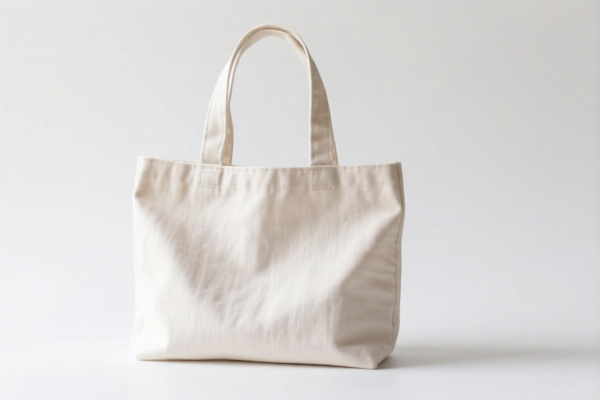
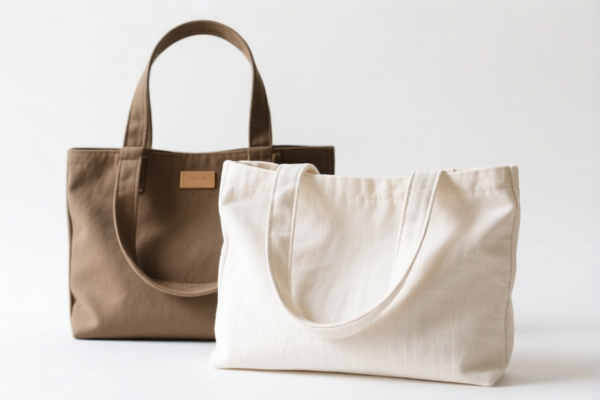
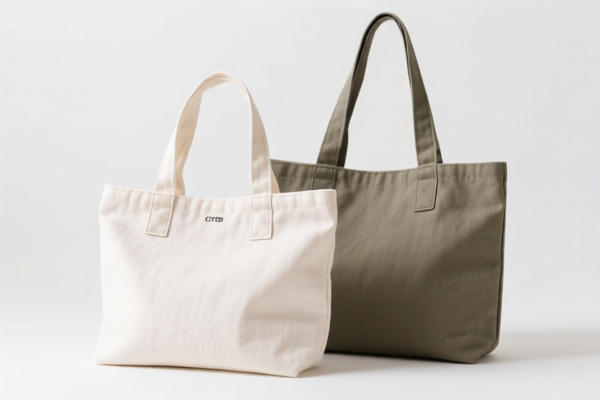
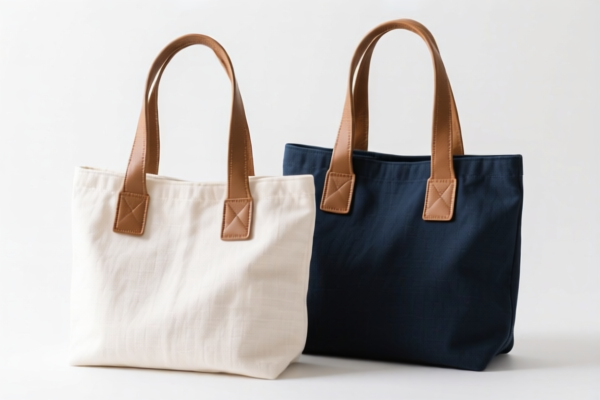
AI分析
👜 Large Capacity Cotton Handbag (Pure Cotton Tote/Shopping Bag)
🌐 HS Code Reference & Customs Clearance Guide | 2026 Latest Tariff Analysis | Professional Strategy for US Import
📌 I. Product Definition & Classification: Is it a "Bag" or a "Textile Sack"?
A "Large Capacity Cotton Handbag" is a versatile item that sits at the intersection of fashion accessories and textile materials. In international trade, the key to classification is not just the material (100% Cotton), but the intended use and structural integrity.
1. Fashion Handbags (Chapter 42): - Structured items with handles, zippers, lining, and a specific shape designed to carry personal items (phones, wallets, keys). - Key Feature: Often includes non-textile components (buckles, zippers, reinforced bottoms) and retains its shape.
2. Textile Sacks/Bags (Chapter 63): - Loose, unstructured, or semi-structured items primarily used for storage, transport, or shopping. - Key Feature: Often lacks rigid structure, lining, or complex hardware; functions more like a durable "sack."
⚠️ Critical Distinction:
- If the bag is structured, lined, and branded for personal use → Likely Chapter 42 (Higher Tax).
- If the bag is simple, unlined, or bulk-oriented (e.g., reusable shopping bag) → Likely Chapter 63 (Lower Tax).
📦 II. HS Code Classification Details (2026 Authoritative Reference)
Based on your specific input data, here are the four possible classifications and their tax implications. Note the significant tax disparity between Chapter 42 and Chapter 63.
| HS Code | Product Description | Estimated Total Tax (China Origin → US) | Tax Breakdown Detail |
|---|---|---|---|
6305.90.00.00 |
Other textile material sacks and bags (Cotton Handbag) | 23.7% | Base: 6.2% + Addl: 7.5% + Section 122: 10% |
4202.22.89.30 |
Handbags with outer surface of textile materials (Cotton, not cotton sheeting) | 52.6% | Base: 17.6% + Addl: 25.0% + Section 122: 10% |
6305.20.00.00 |
Bags of cotton (Handbag form) | 23.7% | Base: 6.2% + Addl: 7.5% + Section 122: 10% |
4202.22.40.20 |
Handbags with outer surface of textile materials (Cotton sheeting) | 42.4% | Base: 7.4% + Addl: 25.0% + Section 122: 10% |
4202.92.08.05 |
Other handbags, with outer surface of textile materials (Cotton Tote) | 42.0% | Base: 7.0% + Addl: 25.0% + Section 122: 10% |
🔍 Analysis of the Tax Gap:
- Chapter 42 Codes (4202...) attract a 25% Section 301 Additional Duty, pushing total taxes to 42%-52.6%.
- Chapter 63 Codes (6305...) attract only a 7.5% Section 301 Additional Duty, keeping total taxes low at 23.7%.
- Strategy: If your product qualifies as a "sack/bag" under HTUS 6305 rather than a "handbag" under 4202, you save ~20% in duties.
💰 III. Detailed Tariff Breakdown & Legal Basis
✅ Applicable Country: United States (US)
✅ Origin: China (CN)
✅ Effective Date: Post-2025 adjustments (Current rates applied)
🎯 Scenario A: The "Low Tax" Route (Chapter 63)
Codes: 6305.90.00.00 or 6305.20.00.00
Description: "Other textile material sacks and bags" or "Bags of cotton"
| Component | Rate | Legal Basis |
|---|---|---|
| Most Favored Nation (MFN) Rate | 6.2% | Standard HTUS Ad Valorem |
| Section 301 Additional Duty | +7.5% | USITC List 4A (Certain textile products) |
| Section 122/Other Add-ons | +10.0% | Specific policy surcharge (as per input data) |
| TOTAL EFFECTIVE RATE | 23.7% |
📌 Note:
- This classification is advantageous for bulk cotton tote bags, reusable shopping bags, or simple cotton pouches that lack the structure of a traditional handbag.
🎯 Scenario B: The "High Tax" Route (Chapter 42)
Codes: 4202.22.89.30, 4202.22.40.20, 4202.92.08.05
Description: "Handbags" with textile outer surfaces
| Component | Rate | Legal Basis |
|---|---|---|
| Most Favored Nation (MFN) Rate | 7.0% - 17.6% | Depends on specific material (sheeting vs. other) |
| Section 301 Additional Duty | +25.0% | USITC List 3 (Handbags, purses, wallets) |
| Section 122/Other Add-ons | +10.0% | Specific policy surcharge (as per input data) |
| TOTAL EFFECTIVE RATE | 42.0% - 52.6% |
📌 Note:
- This classification applies if the item is deemed a fashion accessory. The 25% penalty is heavy.
-4202.22.89.30is the highest tax because it often applies to more complex or specific textile handbags not classified as "sheeting."
🛠️ IV. Customs Clearance Practical Advice (Avoiding Pitfalls)
✅ 1. Classification Strategy: How to Optimize for 23.7%?
To aim for the lower Chapter 63 classification (6305.xx.xx.xx), your product description and physical attributes must support it:
| Feature | Ideal for Chapter 63 (Low Tax) | Triggers Chapter 42 (High Tax) |
|---|---|---|
| Structure | Soft, flexible, no stiffeners | Rigid, lined, or semi-rigid |
| Hardware | Simple handles, no zippers/buckles | Zippers, metal clasps, branded hardware |
| Lining | Unlined or simple fabric lining | Fully lined with synthetic or decorative fabric |
| Usage | Shopping, storage, bulk tote | Personal carry, fashion accessory |
📌 Recommendation:
If the "Large Capacity Cotton Handbag" is essentially a reusable shopping tote (like those given away at supermarkets or simple canvas totes), ensure the commercial invoice describes it as:
"Cotton Shopping Bag / Textile Sack" rather than "Fashion Handbag."
✅ 2. Documentation Checklist
| Document | Requirement | Tip |
|---|---|---|
| Commercial Invoice | Must clearly state HS Code and Duty Responsibility | Avoid vague terms like "Bag"; be specific. |
| Product Photos | Show internal structure (lining, pockets) | If unlined/soft → supports Ch. 63. If structured → prepares for Ch. 42. |
| Material Declaration | Specify 100% Cotton | Mislabeled materials can lead to audits and back-taxes. |
| Country of Origin | China | Mandatory for 301 duty calculation. |
✅ 3. Critical Warning: The "Section 122" Clause
⚠️ Attention: All provided HS codes in the data include a "122条款关税10%" (Section 122 Tariff 10%).
- This usually refers to specific US trade enforcement measures (possibly related to port security or specific bilateral agreements).
- This 10% is non-negotiable for all these codes under current data.
- Total Tax = Base + 301 + 10%.
- Do not assume the 301 duty is the only extra cost; the 10% adds up quickly on high-value shipments.
🌍 V. Global Market Comparison (2026 Outlook)
| Market | Recommended HS Code | Effective Tax (China) | Notes |
|---|---|---|---|
| 🇺🇸 USA | 6305.90.00.00 |
23.7% | Best Option if classified as sack. 4202 codes are 42-52%. |
| 🇪🇺 EU | 6305.33 / 4202.22 |
~4.0% | Generally lower duties, no Section 301. |
| 🇨🇳 China | 6305.20 / 4202.22 |
~10-14% | Import duties are moderate. |
| 🇬🇧 UK | 6305.33 / 4202.22 |
~4.0% | Similar to EU post-Brexit. |
📌 Conclusion:
The US market is the most expensive due to Section 301 tariffs.
Optimizing the HS Code from Ch. 42 to Ch. 63 can save you ~20% in landed costs.
📌 VI. Common Mistakes & Pitfalls
❌ Mistake 1: Calling a structured, lined cotton tote a "Shopping Bag" to get 23.7% tax.
👉 Risk: CBP may reclassify it as a Handbag (4202) → Back-taxes + Penalties.
❌ Mistake 2: Assuming all cotton bags are taxed equally.
👉 Reality: The Section 301 rate differs drastically (7.5% vs 25%) based on Chapter 63 vs 42.
❌ Mistake 3: Ignoring the "10% Add-on".
👉 Reality: Even if you secure the lower 7.5% 301 duty, the total is still 23.7%, not 13.7%.
✅ Correct Approach:
- Analyze Product: Is it a fashion item or a utility sack?
- Declare Accurately: If it's a sack, declare
6305.90.00.00. If it's a handbag, declare4202.22.89.30.- Prepare for Cost: Budget for 23.7% - 52.6% duty depending on classification.
- Consult Customs Broker: For high-volume shipments, apply for a Pre-Ruling (IS Ruling) from CBP to confirm classification.
🎯 VII. Final Verdict & Action Plan
🎯 Key Takeaway:
For a "Large Capacity Cotton Handbag," the difference between
6305and4202is a 20%+ tax saving.
- If the bag is simple, unstructured, and utilitarian → Aim for6305.90.00.00(23.7%).
- If the bag is structured, lined, and fashion-focused → Expect4202.22.89.30(52.6%).
📌 Pro Tip:
📞 Contact a Licensed Customs Broker to review physical samples.
🚀 Do not guess the HS Code. A misclassification can lead to seizure or massive back-taxes.
💼 Your profit margin depends on this 1% difference in classification.
✨ Smart Classification, Smarter Profits!
💼 Don't let unnecessary tariffs eat your margins!
用户评价
关于 HS 编码归类
协调制度(HS)是由世界海关组织(WCO)制定的国际贸易商品分类标准。全球 200 多个国家采用 HS 系统作为海关关税、贸易统计和进出口监管的基础。
每个 HS 编码遵循以下层级结构:
- 章(2 位)——商品大类(例如:第 84 章:机器和机械设备)
- 品目(4 位)——章内的更具体分类
- 子目(6 位)——国际通用细分,所有 WCO 成员国统一使用
- 本国细分(8-10 位)——各国自行扩展的细分编码,如美国 HTSUS 10 位编码
正确的 HS 编码归类对于顺利通关、准确缴纳关税和遵守贸易法规至关重要。错误归类可能导致海关延误、多缴关税或罚款。
从CN进口到US时,适用的关税税率可能包括:
- 最惠国(MFN)税率——适用于 WTO 成员国的标准关税税率
- 普通税率——适用于无贸易协定国家
- 贸易救济关税——附加关税,如 301 条款(反倾销)、232 条款(国家安全)或反补贴税
本页内容仅供参考。如需正式归类,请咨询当地海关或持牌报关代理。