Large Capacity Cotton Handbag
CN → US| HS Code | Tariff Rate | Origin | Destination | Doc |
|---|---|---|---|---|
| 6305900000 | 23.7% | CN | US | Official Doc |
| 4202228930 | 52.6% | CN | US | Official Doc |
| 6305200000 | 23.7% | CN | US | Official Doc |
| 4202224020 | 42.4% | CN | US | Official Doc |
| 4202920805 | 42.0% | CN | US | Official Doc |
Product Images
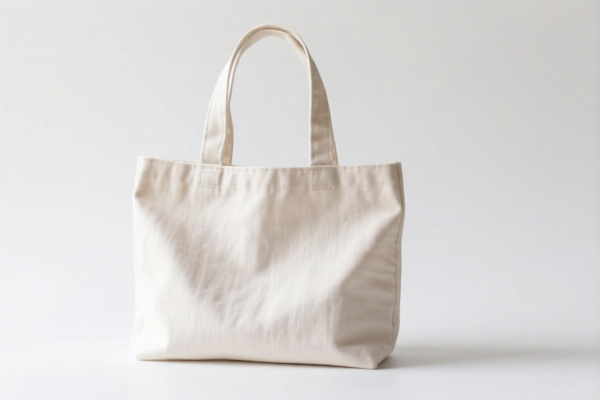
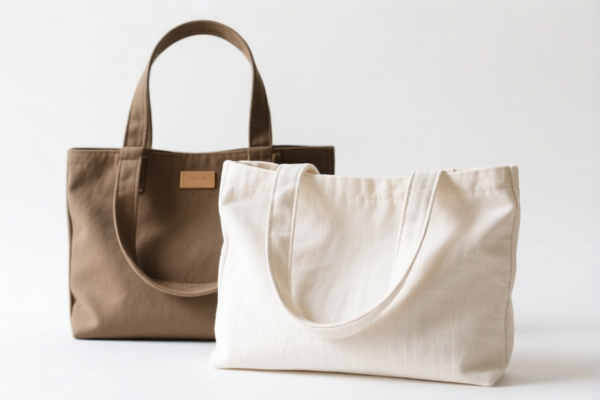
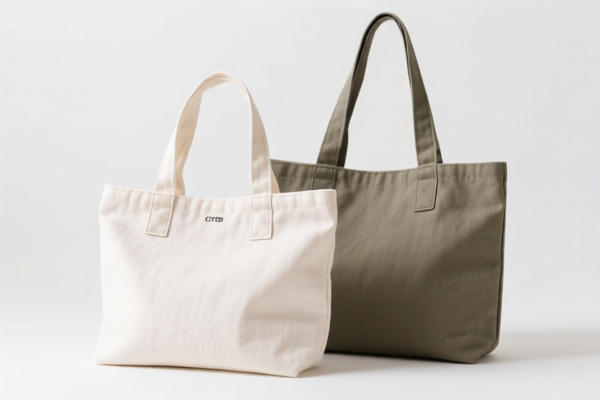
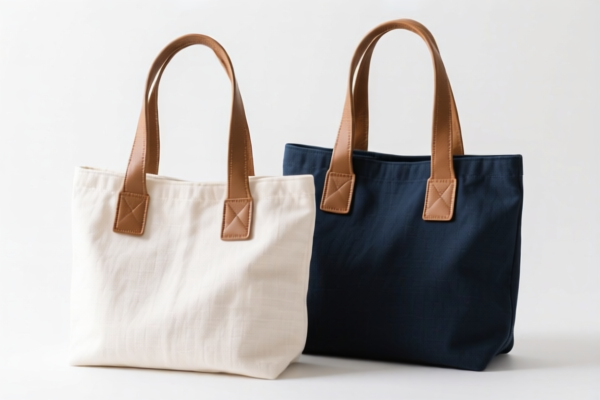
AI Analysis
👜 Large Capacity Cotton Handbag (Pure Cotton Tote/Shopping Bag)
🌐 HS Code Reference & Customs Clearance Guide | 2026 Latest Tariff Analysis | Professional Strategy for US Import
📌 I. Product Definition & Classification: Is it a "Bag" or a "Textile Sack"?
A "Large Capacity Cotton Handbag" is a versatile item that sits at the intersection of fashion accessories and textile materials. In international trade, the key to classification is not just the material (100% Cotton), but the intended use and structural integrity.
1. Fashion Handbags (Chapter 42): - Structured items with handles, zippers, lining, and a specific shape designed to carry personal items (phones, wallets, keys). - Key Feature: Often includes non-textile components (buckles, zippers, reinforced bottoms) and retains its shape.
2. Textile Sacks/Bags (Chapter 63): - Loose, unstructured, or semi-structured items primarily used for storage, transport, or shopping. - Key Feature: Often lacks rigid structure, lining, or complex hardware; functions more like a durable "sack."
⚠️ Critical Distinction:
- If the bag is structured, lined, and branded for personal use → Likely Chapter 42 (Higher Tax).
- If the bag is simple, unlined, or bulk-oriented (e.g., reusable shopping bag) → Likely Chapter 63 (Lower Tax).
📦 II. HS Code Classification Details (2026 Authoritative Reference)
Based on your specific input data, here are the four possible classifications and their tax implications. Note the significant tax disparity between Chapter 42 and Chapter 63.
| HS Code | Product Description | Estimated Total Tax (China Origin → US) | Tax Breakdown Detail |
|---|---|---|---|
6305.90.00.00 |
Other textile material sacks and bags (Cotton Handbag) | 23.7% | Base: 6.2% + Addl: 7.5% + Section 122: 10% |
4202.22.89.30 |
Handbags with outer surface of textile materials (Cotton, not cotton sheeting) | 52.6% | Base: 17.6% + Addl: 25.0% + Section 122: 10% |
6305.20.00.00 |
Bags of cotton (Handbag form) | 23.7% | Base: 6.2% + Addl: 7.5% + Section 122: 10% |
4202.22.40.20 |
Handbags with outer surface of textile materials (Cotton sheeting) | 42.4% | Base: 7.4% + Addl: 25.0% + Section 122: 10% |
4202.92.08.05 |
Other handbags, with outer surface of textile materials (Cotton Tote) | 42.0% | Base: 7.0% + Addl: 25.0% + Section 122: 10% |
🔍 Analysis of the Tax Gap:
- Chapter 42 Codes (4202...) attract a 25% Section 301 Additional Duty, pushing total taxes to 42%-52.6%.
- Chapter 63 Codes (6305...) attract only a 7.5% Section 301 Additional Duty, keeping total taxes low at 23.7%.
- Strategy: If your product qualifies as a "sack/bag" under HTUS 6305 rather than a "handbag" under 4202, you save ~20% in duties.
💰 III. Detailed Tariff Breakdown & Legal Basis
✅ Applicable Country: United States (US)
✅ Origin: China (CN)
✅ Effective Date: Post-2025 adjustments (Current rates applied)
🎯 Scenario A: The "Low Tax" Route (Chapter 63)
Codes: 6305.90.00.00 or 6305.20.00.00
Description: "Other textile material sacks and bags" or "Bags of cotton"
| Component | Rate | Legal Basis |
|---|---|---|
| Most Favored Nation (MFN) Rate | 6.2% | Standard HTUS Ad Valorem |
| Section 301 Additional Duty | +7.5% | USITC List 4A (Certain textile products) |
| Section 122/Other Add-ons | +10.0% | Specific policy surcharge (as per input data) |
| TOTAL EFFECTIVE RATE | 23.7% |
📌 Note:
- This classification is advantageous for bulk cotton tote bags, reusable shopping bags, or simple cotton pouches that lack the structure of a traditional handbag.
🎯 Scenario B: The "High Tax" Route (Chapter 42)
Codes: 4202.22.89.30, 4202.22.40.20, 4202.92.08.05
Description: "Handbags" with textile outer surfaces
| Component | Rate | Legal Basis |
|---|---|---|
| Most Favored Nation (MFN) Rate | 7.0% - 17.6% | Depends on specific material (sheeting vs. other) |
| Section 301 Additional Duty | +25.0% | USITC List 3 (Handbags, purses, wallets) |
| Section 122/Other Add-ons | +10.0% | Specific policy surcharge (as per input data) |
| TOTAL EFFECTIVE RATE | 42.0% - 52.6% |
📌 Note:
- This classification applies if the item is deemed a fashion accessory. The 25% penalty is heavy.
-4202.22.89.30is the highest tax because it often applies to more complex or specific textile handbags not classified as "sheeting."
🛠️ IV. Customs Clearance Practical Advice (Avoiding Pitfalls)
✅ 1. Classification Strategy: How to Optimize for 23.7%?
To aim for the lower Chapter 63 classification (6305.xx.xx.xx), your product description and physical attributes must support it:
| Feature | Ideal for Chapter 63 (Low Tax) | Triggers Chapter 42 (High Tax) |
|---|---|---|
| Structure | Soft, flexible, no stiffeners | Rigid, lined, or semi-rigid |
| Hardware | Simple handles, no zippers/buckles | Zippers, metal clasps, branded hardware |
| Lining | Unlined or simple fabric lining | Fully lined with synthetic or decorative fabric |
| Usage | Shopping, storage, bulk tote | Personal carry, fashion accessory |
📌 Recommendation:
If the "Large Capacity Cotton Handbag" is essentially a reusable shopping tote (like those given away at supermarkets or simple canvas totes), ensure the commercial invoice describes it as:
"Cotton Shopping Bag / Textile Sack" rather than "Fashion Handbag."
✅ 2. Documentation Checklist
| Document | Requirement | Tip |
|---|---|---|
| Commercial Invoice | Must clearly state HS Code and Duty Responsibility | Avoid vague terms like "Bag"; be specific. |
| Product Photos | Show internal structure (lining, pockets) | If unlined/soft → supports Ch. 63. If structured → prepares for Ch. 42. |
| Material Declaration | Specify 100% Cotton | Mislabeled materials can lead to audits and back-taxes. |
| Country of Origin | China | Mandatory for 301 duty calculation. |
✅ 3. Critical Warning: The "Section 122" Clause
⚠️ Attention: All provided HS codes in the data include a "122条款关税10%" (Section 122 Tariff 10%).
- This usually refers to specific US trade enforcement measures (possibly related to port security or specific bilateral agreements).
- This 10% is non-negotiable for all these codes under current data.
- Total Tax = Base + 301 + 10%.
- Do not assume the 301 duty is the only extra cost; the 10% adds up quickly on high-value shipments.
🌍 V. Global Market Comparison (2026 Outlook)
| Market | Recommended HS Code | Effective Tax (China) | Notes |
|---|---|---|---|
| 🇺🇸 USA | 6305.90.00.00 |
23.7% | Best Option if classified as sack. 4202 codes are 42-52%. |
| 🇪🇺 EU | 6305.33 / 4202.22 |
~4.0% | Generally lower duties, no Section 301. |
| 🇨🇳 China | 6305.20 / 4202.22 |
~10-14% | Import duties are moderate. |
| 🇬🇧 UK | 6305.33 / 4202.22 |
~4.0% | Similar to EU post-Brexit. |
📌 Conclusion:
The US market is the most expensive due to Section 301 tariffs.
Optimizing the HS Code from Ch. 42 to Ch. 63 can save you ~20% in landed costs.
📌 VI. Common Mistakes & Pitfalls
❌ Mistake 1: Calling a structured, lined cotton tote a "Shopping Bag" to get 23.7% tax.
👉 Risk: CBP may reclassify it as a Handbag (4202) → Back-taxes + Penalties.
❌ Mistake 2: Assuming all cotton bags are taxed equally.
👉 Reality: The Section 301 rate differs drastically (7.5% vs 25%) based on Chapter 63 vs 42.
❌ Mistake 3: Ignoring the "10% Add-on".
👉 Reality: Even if you secure the lower 7.5% 301 duty, the total is still 23.7%, not 13.7%.
✅ Correct Approach:
- Analyze Product: Is it a fashion item or a utility sack?
- Declare Accurately: If it's a sack, declare
6305.90.00.00. If it's a handbag, declare4202.22.89.30.- Prepare for Cost: Budget for 23.7% - 52.6% duty depending on classification.
- Consult Customs Broker: For high-volume shipments, apply for a Pre-Ruling (IS Ruling) from CBP to confirm classification.
🎯 VII. Final Verdict & Action Plan
🎯 Key Takeaway:
For a "Large Capacity Cotton Handbag," the difference between
6305and4202is a 20%+ tax saving.
- If the bag is simple, unstructured, and utilitarian → Aim for6305.90.00.00(23.7%).
- If the bag is structured, lined, and fashion-focused → Expect4202.22.89.30(52.6%).
📌 Pro Tip:
📞 Contact a Licensed Customs Broker to review physical samples.
🚀 Do not guess the HS Code. A misclassification can lead to seizure or massive back-taxes.
💼 Your profit margin depends on this 1% difference in classification.
✨ Smart Classification, Smarter Profits!
💼 Don't let unnecessary tariffs eat your margins!
Customer Reviews
About HS Code Classification
The Harmonized System (HS) is an internationally standardized nomenclature developed by the World Customs Organization (WCO) to classify traded products. Over 200 countries use the HS system as the basis for customs tariffs, trade statistics, and import/export regulations.
Each HS code follows a hierarchical structure:
- Chapter (2 digits) — Broad category of goods (e.g., Chapter 84: Machinery and Mechanical Appliances)
- Heading (4 digits) — More specific grouping within the chapter
- Subheading (6 digits) — Internationally standardized breakdown, used by all WCO member countries
- National subdivisions (8-10 digits) — Country-specific extensions for further classification, such as US HTSUS 10-digit codes
Correct HS code classification is essential for smooth customs clearance, accurate duty payment, and compliance with trade regulations. Misclassification can lead to customs delays, overpayment of duties, or penalties.
When importing from CN to US, the applicable tariff rates may include:
- Most-Favored-Nation (MFN) rate — The standard duty rate applied to WTO members
- General rate — Applied to countries without trade agreements
- Trade remedy duties — Additional tariffs such as Section 301 (anti-dumping), Section 232 (national security), or countervailing duties
The information provided on this page is for reference purposes only. For official classification, please consult with your local customs authority or a licensed customs broker.