Large Capacity Disinfectant Spray
CN → US| HS编码 | 关税税率 | 原产国 | 目的国 | 文档 |
|---|---|---|---|---|
| 3808945095 | 40.0% | CN | US | 官方文档 |
| 3402905030 | 38.7% | CN | US | 官方文档 |
| 3924104000 | 13.4% | CN | US | 官方文档 |
| 3402505100 | 35.0% | CN | US | 官方文档 |
| 3808594000 | 40.0% | CN | US | 官方文档 |
| 3924905650 | 20.9% | CN | US | 官方文档 |
商品图片
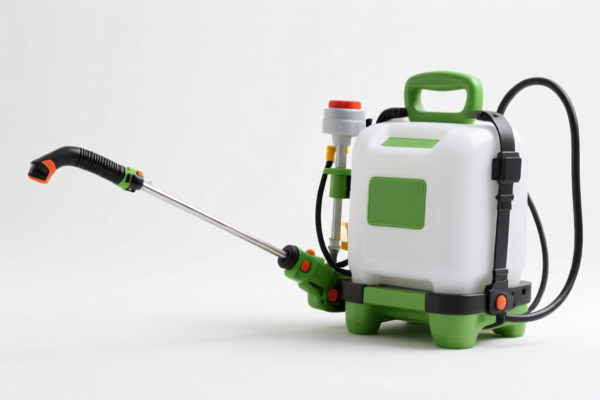
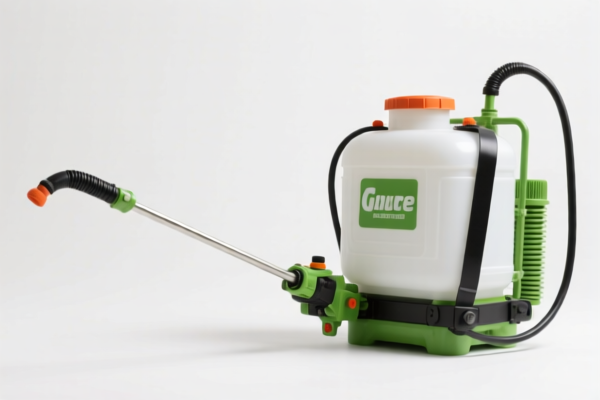
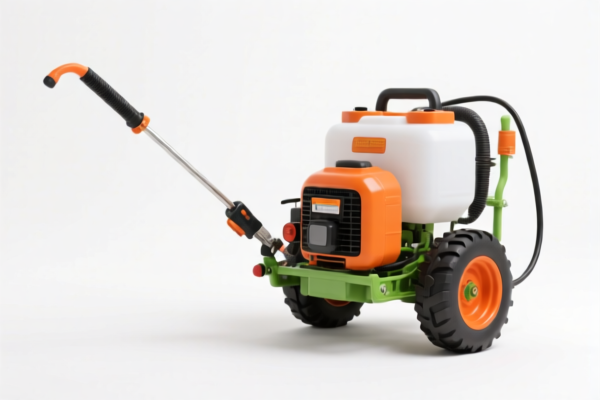
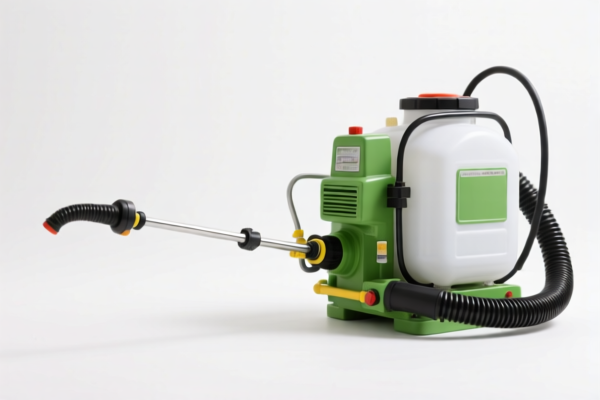
AI分析
🧴 Large Capacity Disinfectant Spray
🌐 HS Code Reference & Customs Clearance Guide | 2026 Latest Tariff Analysis | Professional Strategy
📌 I. Product Definition & Classification: What is "Large Capacity Disinfectant Spray"?
"Large Capacity Disinfectant Spray" refers to chemical preparations designed for disinfection, sanitization, or sterilization, packaged in aerosol or pump-spray containers with significant volume (typically >500ml). In international trade, its classification depends heavily on:
1. Primary Function: Is it primarily a disinfectant (killing pathogens) or a cleaning/preparation agent?
2. Composition: Does it contain active disinfecting ingredients (e.g., quaternary ammonium compounds, alcohol, chlorine-based agents) or primarily surfactants/cleaning agents?
3. Packaging: Is the container itself the declared product, or is the liquid content?
⚠️ Key Distinction Point:
- If the product’s primary purpose is killing microbes → Classified under Chapter 38 (Miscellaneous Chemical Products).
- If the product is primarily a cleaning surface agent with incidental disinfecting properties → Classified under Chapter 34 (Soap, Organic Surface-Active Agents, Cleaning Preparations).
- If the container is the main value driver (e.g., empty plastic spray bottles) → Classified under Chapter 39 (Plastics).
📦 II. HS Code Classification Details (2026 Latest Tariff Authority Mapping)
| HS Code | Product Description | Application Scenario | Material/State Conflict? |
|---|---|---|---|
3808.94.50.95 |
Other disinfectants, not elsewhere specified (Liquid/Spray) | Hospital-grade, industrial, or heavy-duty disinfectant sprays; high-concentration biocides. | ❌ No conflict; aligns with "disinfectant" function. |
3402.90.50.30 |
Other surface-active agents, preparations, cleaning preparations | General-purpose cleaning sprays with disinfectant additives; household cleaning. | ❌ No conflict; aligns with "cleaning preparation" logic. |
3924.10.40.00 |
Tableware and kitchenware, other household articles, of plastics | Empty plastic spray containers or pre-filled if declared as "household article" (less common for chemicals). | ⚠️ Potential conflict if contents are chemical; best for empty packaging. |
3402.50.51.00 |
Organic surface-active agents, preparations (Cleaning preparations) | Surfactant-based sprays where cleaning is the primary function, disinfection secondary. | ❌ No conflict; aligns with "organic surfactant" definition. |
3808.59.40.00 |
Disinfectants (Preparations) | Standard disinfectant sprays, including household sanitizers; broad category for chemical disinfectants. | ❌ No conflict; direct match for "disinfectant preparations". |
3924.90.56.50 |
Other household articles, of plastics | Ambiguous classification; sometimes used for plastic-infused hygiene products if material is dominant. | ⚠️ Weak match; only if plastic container value outweighs liquid content. |
🔍 Critical Reminder:
- Liquid content dominates: For filled sprays, the chemical content usually dictates classification (Ch 38 or Ch 34), not the bottle (Ch 39).
- Disinfectant vs. Cleaner: If the label emphasizes "kills 99.9% of bacteria/viruses," 3808 is preferred. If it emphasizes "removes grease/dirt," 3402 may apply.
- No Material Conflict: All liquid chemical classifications assume standard plastic or metal packaging, which is compatible.
💰 III. 2026 Latest Tariff Rate Breakdown (Including Surcharges & Policy Add-ons)
✅ Applicable Country: United States (US)
✅ Origin: China (CN)
✅ Effective Date: From November 10, 2025 (for subsequent imports)
🎯 1. 3808.94.50.95 — Other Disinfectants (Liquid/Spray)
| Item | Content |
|---|---|
| Base Tariff | 5.0% (ad valorem) |
| USITC Surcharge (Section 301) | +25.0% |
| IEEPA Surcharge (China-Specific) | +10.0% |
| Total Tariff Rate | 40.0% |
| Tax Calculation | CIF Value × 40% |
| De Minimis Exemption Eligible? | ❌ NO (deny_de_minimis) |
| Legal Basis Path | USITC:3808.94.50.95 → FOOTNOTE:9903.88.01 → IEEPA:9903.01.25 |
📌 Explanation:
- This code is for specialized disinfectants. The 25% Section 301 tariff applies to most chemical products from China.
- The additional 10% IEEPA tariff applies specifically to Chinese-origin goods.
- High Cost: 40% is a significant burden. Ensure accurate labeling as "Disinfectant" to avoid being misclassified as general chemicals (which may have different rates).
🎯 2. 3808.59.40.00 — Disinfectants (Preparations)
| Item | Content |
|---|---|
| Base Tariff | 5.0% |
| USITC Surcharge (Section 301) | +25.0% |
| IEEPA Surcharge (China-Specific) | +10.0% |
| Total Tariff Rate | 40.0% |
| Tax Calculation | CIF Value × 40% |
| De Minimis Exemption Eligible? | ❌ NO |
| Legal Basis Path | USITC:3808.59.40.00 → FOOTNOTE:9903.88.01 → IEEPA:9903.01.25 |
📌 Note:
- Similar to the previous code, but often used for broader disinfectant preparations (e.g., aerosols, foams).
- Identical Tax Burden: 40%. Choice between3808.94.50.95and3808.59.40.00depends on specific chemical composition and form (liquid vs. other preparations).
🎯 3. 3402.90.50.30 — Other Cleaning Preparations
| Item | Content |
|---|---|
| Base Tariff | 3.7% |
| USITC Surcharge (Section 301) | +25.0% |
| IEEPA Surcharge (China-Specific) | +10.0% |
| Total Tariff Rate | 38.7% |
| Tax Calculation | CIF Value × 38.7% |
| De Minimis Exemption Eligible? | ❌ NO |
| Legal Basis Path | USITC:3402.90.50.30 → FOOTNOTE:9903.88.01 → IEEPA:9903.01.24 |
📌 Analysis:
- Slightly Lower Cost: 38.7% vs. 40.0%.
- Risk: If U.S. Customs & Border Protection (CBP) determines the product is primarily a disinfectant (not cleaner), they may reassess to3808codes, leading to back taxes + penalties.
- Strategy: Only use if the product is primarily a cleaner with disinfectant claims as secondary.
🎯 4. 3402.50.51.00 — Organic Surface-Active Agents
| Item | Content |
|---|---|
| Base Tariff | 0.0% |
| USITC Surcharge (Section 301) | +25.0% |
| IEEPA Surcharge (China-Specific) | +10.0% |
| Total Tariff Rate | 35.0% |
| Tax Calculation | CIF Value × 35.0% |
| De Minimis Exemption Eligible? | ❌ NO |
| Legal Basis Path | USITC:3402.50.51.00 → FOOTNOTE:9903.88.01 → IEEPA:9903.01.25 |
📌 Analysis:
- Lowest Base Rate: 0%.
- Best for Surfactant-Rich Products: Ideal if the spray is mostly detergent/surfactant with minor disinfectant additives.
- Compliance Warning: Must ensure the active disinfecting ingredient is below regulatory thresholds for "disinfectant" classification.
🎯 5. 3924.10.40.00 & 3924.90.56.50 — Plastic Household Articles
| Item | Content |
|---|---|
| Base Tariff | 3.4% (3924.10) / 3.4% (3924.90) |
| USITC Surcharge (Section 301) | 0.0% (3924.10) / 7.5% (3924.90) |
| IEEPA Surcharge (China-Specific) | +10.0% |
| Total Tariff Rate | 13.4% (3924.10) / 20.9% (3924.90) |
| Tax Calculation | CIF Value × 13.4% / 20.9% |
| De Minimis Exemption Eligible? | ❌ NO |
| Legal Basis Path | USITC:3924.10.40.00 / 3924.90.56.50 → FOOTNOTE:9903.88.01 (partial) → IEEPA |
📌 Critical Warning:
- Low Tax Trap: These rates seem attractive (13.4%–20.9%), BUT they are for plastic articles, not chemicals.
- Misclassification Risk: Declaring a chemical disinfectant as a "plastic household article" is smuggling/fraud. CBP will seize goods, impose fines, and possibly criminal charges.
- Only Use For: Empty spray bottles or packaging components.
🛠️ IV. Customs Clearance Practical Advice (Real-World Pitfall Avoidance Guide)
✅ 1. Documentation Checklist (Non-Negotiable)
| Document | Required? | Notes |
|---|---|---|
| ✅ Product Spec Sheet | ✔️ | Must list active ingredients, concentration, pH, and intended use (disinfectant vs. cleaner). |
| ✅ MSDS (Material Safety Data Sheet) | ✔️ | Mandatory for chemical imports. Must comply with OSHA GHS standards. |
| ✅ EPA Registration Number | ✔️ | If marketed as a disinfectant in the US, EPA registration is legally required. Without it, goods will be rejected. |
| ✅ Commercial Invoice | ✔️ | Clearly state: "Disinfectant Spray for Surface Sanitization" or "Cleaning Preparation." Avoid vague terms like "Spray." |
| ✅ Packing List | ✔️ | Detail net/gross weight, volume, and number of units. |
| ✅ Certificate of Origin (CO) | ✔️ | Required for tariff calculation. |
✅ 2. Declaration Strategy (Key Mantras)
🔥 "Function Defines Code, EPA Defines Legality, Material Defines Value!"
| Scenario | Correct Declaration | Incorrect Action |
|---|---|---|
| Product kills 99.9% of germs | 3808.xxxx (Disinfectant) | Declare as "Cleaner" to save tax → Audit Risk |
| Product removes dirt + mild sanitizing | 3402.xxxx (Cleaning Prep) | Declare as "Disinfectant" → Higher tax (40%) |
| Empty plastic spray bottle | 3924.xxxx (Plastic Article) | Declare as "Chemical" → Unnecessary high tax |
| Aerosol can (flammable) | 3808 + Hazmat Declaration | Ignore hazmat → Safety Violation & Fine |
✅ 3. Special Case Handling
| Situation | Recommendation |
|---|---|
| EPA Unregistered Disinfectant | Do Not Import. CBP works with EPA. Goods will be detained and destroyed. |
| Aerosol vs. Pump Spray | Aerosols may require additional packaging tests (UN38.3). Ensure proper hazard labeling. |
| OEM/Private Label | Provide Authorization Letter from brand owner. Ensure EPA registration lists the importer or brand. |
| Mix of Cleaners & Disinfectants | Declare based on primary purpose. If unclear, provide detailed ingredient breakdown to justify HS Code. |
🌍 V. Global Market Comparison (2026 Latest)
| Country/Region | Recommended HS Code | Tariff (China Origin) | Certification Required | Notes |
|---|---|---|---|---|
| 🇺🇸 USA | 3808.59.40.00 |
40.0% | EPA Registration (Critical!) | Highest scrutiny for disinfectants. |
| 🇨🇳 China | 3808.59.40.00 |
~5-10% | CDC Sanitization License | Domestic sales require local approval. |
| 🇪🇺 EU | 3808.94 |
0-6.5% | Biocidal Products Regulation (BPR) | BPR registration is complex and costly. |
| 🇬🇧 UK | 3808.94 |
0-6.5% | UK Biocidal Products Reg. | Post-Brexit, new UK standards apply. |
| 🇯🇵 Japan | 3808.94 |
~3-5% | Ministerial Certification (Min. of Health) | Strict safety standards for consumer use. |
📌 Conclusion:
- USA is the most tariff-heavy and regulated market for disinfectants.
- EPA Registration is non-negotiable for the US. No EPA number = No entry.
- EU/UK require BPR/UKBP registration, which can take 12-24 months. Plan ahead.
📌 VI. Common Mistakes & Pitfalls (Blood-Teaching Lessons)
❌ Mistake 1: Declaring a disinfectant as a "cleaner" (3402) to avoid 40% tax.
👉 Consequence: CBP audits reveal active disinfectant ingredients → Back taxes, penalties, and seizure.
❌ Mistake 2: Importing without EPA Registration.
👉 Consequence: Goods detained at port → Returned or destroyed at importer’s expense.
❌ Mistake 3: Misdeclaring empty plastic bottles as chemicals.
👉 Consequence: If found to be empty, fine for misdeclaration. If found to contain chemicals, fraud charges.
❌ Mistake 4: Ignoring Hazmat for aerosols.
👉 Consequence: Rejection by carriers, safety violations, and potential fines.
✅ Correct Approach:
"EPA-Registered Disinfectant Spray, Active Ingredient: [X]%, Volume: [Y]L, For Surface Sanitization, Container: Plastic Pump/Aerosol."
🎯 VII. Conclusion: Professional Declaration, Cost Efficiency, Compliance!
🎯 Remember These Mantras:
🔹 "EPA First, HS Code Second, Tariff Third!"
🔹 "Disinfectant = 40%, Cleaner = 35-39%, Plastic = 13-21% (for bottles only)!"
🔹 "No EPA Number = No Entry. No Accurate Ingredient List = No Clearance."
📌 Pro Tip:
If your product is primarily a cleaner with mild disinfectant properties, consider formulating it to fall under 3402 to save 1.3%-5% in tariffs. However, ensure marketing materials do not overstate disinfectant claims to avoid EPA scrutiny.
📣 Immediate Action:
📞 Contact a Customs Broker to pre-classify your HS Code based on the MSDS and EPA Label.
🚀 Apply for EPA Registration before shipping.
💼 Secure your supply chain with accurate documentation to avoid delays and penalties.
✨ Professional Customs Clearance Starts with Precise Classification!
💼 Every Dollar Saved is a Dollar Earned, But Compliance is Non-Negotiable!
用户评价
关于 HS 编码归类
协调制度(HS)是由世界海关组织(WCO)制定的国际贸易商品分类标准。全球 200 多个国家采用 HS 系统作为海关关税、贸易统计和进出口监管的基础。
每个 HS 编码遵循以下层级结构:
- 章(2 位)——商品大类(例如:第 84 章:机器和机械设备)
- 品目(4 位)——章内的更具体分类
- 子目(6 位)——国际通用细分,所有 WCO 成员国统一使用
- 本国细分(8-10 位)——各国自行扩展的细分编码,如美国 HTSUS 10 位编码
正确的 HS 编码归类对于顺利通关、准确缴纳关税和遵守贸易法规至关重要。错误归类可能导致海关延误、多缴关税或罚款。
从CN进口到US时,适用的关税税率可能包括:
- 最惠国(MFN)税率——适用于 WTO 成员国的标准关税税率
- 普通税率——适用于无贸易协定国家
- 贸易救济关税——附加关税,如 301 条款(反倾销)、232 条款(国家安全)或反补贴税
本页内容仅供参考。如需正式归类,请咨询当地海关或持牌报关代理。