Large Capacity Disinfectant Spray
CN → US| HS Code | Tariff Rate | Origin | Destination | Doc |
|---|---|---|---|---|
| 3808945095 | 40.0% | CN | US | Official Doc |
| 3402905030 | 38.7% | CN | US | Official Doc |
| 3924104000 | 13.4% | CN | US | Official Doc |
| 3402505100 | 35.0% | CN | US | Official Doc |
| 3808594000 | 40.0% | CN | US | Official Doc |
| 3924905650 | 20.9% | CN | US | Official Doc |
Product Images
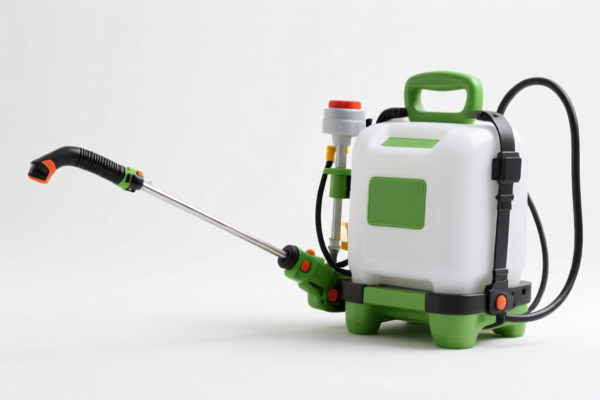
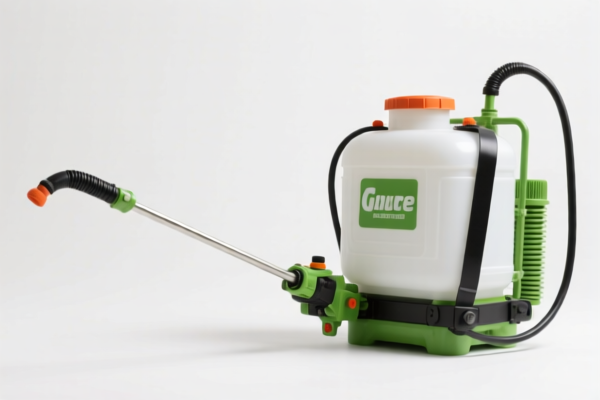
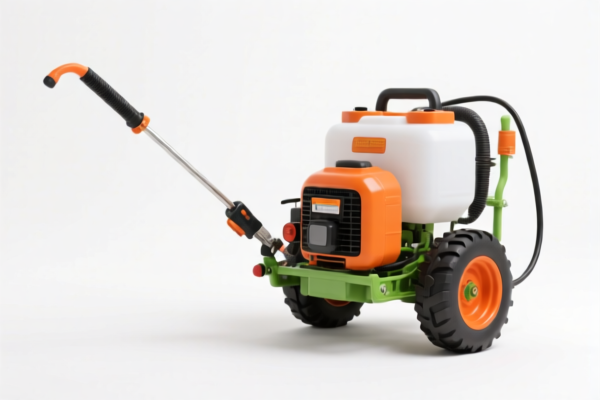
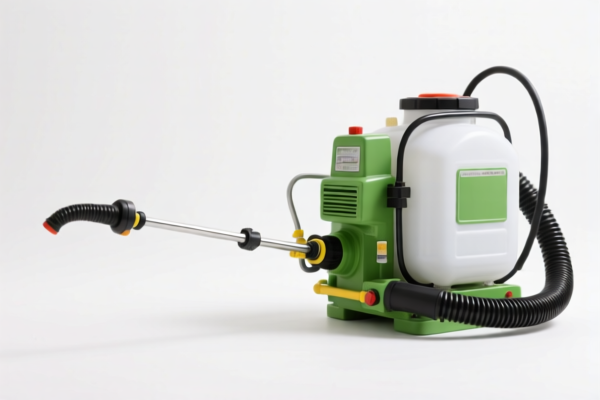
AI Analysis
🧴 Large Capacity Disinfectant Spray
🌐 HS Code Reference & Customs Clearance Guide | 2026 Latest Tariff Analysis | Professional Strategy
📌 I. Product Definition & Classification: What is "Large Capacity Disinfectant Spray"?
"Large Capacity Disinfectant Spray" refers to chemical preparations designed for disinfection, sanitization, or sterilization, packaged in aerosol or pump-spray containers with significant volume (typically >500ml). In international trade, its classification depends heavily on:
1. Primary Function: Is it primarily a disinfectant (killing pathogens) or a cleaning/preparation agent?
2. Composition: Does it contain active disinfecting ingredients (e.g., quaternary ammonium compounds, alcohol, chlorine-based agents) or primarily surfactants/cleaning agents?
3. Packaging: Is the container itself the declared product, or is the liquid content?
⚠️ Key Distinction Point:
- If the product’s primary purpose is killing microbes → Classified under Chapter 38 (Miscellaneous Chemical Products).
- If the product is primarily a cleaning surface agent with incidental disinfecting properties → Classified under Chapter 34 (Soap, Organic Surface-Active Agents, Cleaning Preparations).
- If the container is the main value driver (e.g., empty plastic spray bottles) → Classified under Chapter 39 (Plastics).
📦 II. HS Code Classification Details (2026 Latest Tariff Authority Mapping)
| HS Code | Product Description | Application Scenario | Material/State Conflict? |
|---|---|---|---|
3808.94.50.95 |
Other disinfectants, not elsewhere specified (Liquid/Spray) | Hospital-grade, industrial, or heavy-duty disinfectant sprays; high-concentration biocides. | ❌ No conflict; aligns with "disinfectant" function. |
3402.90.50.30 |
Other surface-active agents, preparations, cleaning preparations | General-purpose cleaning sprays with disinfectant additives; household cleaning. | ❌ No conflict; aligns with "cleaning preparation" logic. |
3924.10.40.00 |
Tableware and kitchenware, other household articles, of plastics | Empty plastic spray containers or pre-filled if declared as "household article" (less common for chemicals). | ⚠️ Potential conflict if contents are chemical; best for empty packaging. |
3402.50.51.00 |
Organic surface-active agents, preparations (Cleaning preparations) | Surfactant-based sprays where cleaning is the primary function, disinfection secondary. | ❌ No conflict; aligns with "organic surfactant" definition. |
3808.59.40.00 |
Disinfectants (Preparations) | Standard disinfectant sprays, including household sanitizers; broad category for chemical disinfectants. | ❌ No conflict; direct match for "disinfectant preparations". |
3924.90.56.50 |
Other household articles, of plastics | Ambiguous classification; sometimes used for plastic-infused hygiene products if material is dominant. | ⚠️ Weak match; only if plastic container value outweighs liquid content. |
🔍 Critical Reminder:
- Liquid content dominates: For filled sprays, the chemical content usually dictates classification (Ch 38 or Ch 34), not the bottle (Ch 39).
- Disinfectant vs. Cleaner: If the label emphasizes "kills 99.9% of bacteria/viruses," 3808 is preferred. If it emphasizes "removes grease/dirt," 3402 may apply.
- No Material Conflict: All liquid chemical classifications assume standard plastic or metal packaging, which is compatible.
💰 III. 2026 Latest Tariff Rate Breakdown (Including Surcharges & Policy Add-ons)
✅ Applicable Country: United States (US)
✅ Origin: China (CN)
✅ Effective Date: From November 10, 2025 (for subsequent imports)
🎯 1. 3808.94.50.95 — Other Disinfectants (Liquid/Spray)
| Item | Content |
|---|---|
| Base Tariff | 5.0% (ad valorem) |
| USITC Surcharge (Section 301) | +25.0% |
| IEEPA Surcharge (China-Specific) | +10.0% |
| Total Tariff Rate | 40.0% |
| Tax Calculation | CIF Value × 40% |
| De Minimis Exemption Eligible? | ❌ NO (deny_de_minimis) |
| Legal Basis Path | USITC:3808.94.50.95 → FOOTNOTE:9903.88.01 → IEEPA:9903.01.25 |
📌 Explanation:
- This code is for specialized disinfectants. The 25% Section 301 tariff applies to most chemical products from China.
- The additional 10% IEEPA tariff applies specifically to Chinese-origin goods.
- High Cost: 40% is a significant burden. Ensure accurate labeling as "Disinfectant" to avoid being misclassified as general chemicals (which may have different rates).
🎯 2. 3808.59.40.00 — Disinfectants (Preparations)
| Item | Content |
|---|---|
| Base Tariff | 5.0% |
| USITC Surcharge (Section 301) | +25.0% |
| IEEPA Surcharge (China-Specific) | +10.0% |
| Total Tariff Rate | 40.0% |
| Tax Calculation | CIF Value × 40% |
| De Minimis Exemption Eligible? | ❌ NO |
| Legal Basis Path | USITC:3808.59.40.00 → FOOTNOTE:9903.88.01 → IEEPA:9903.01.25 |
📌 Note:
- Similar to the previous code, but often used for broader disinfectant preparations (e.g., aerosols, foams).
- Identical Tax Burden: 40%. Choice between3808.94.50.95and3808.59.40.00depends on specific chemical composition and form (liquid vs. other preparations).
🎯 3. 3402.90.50.30 — Other Cleaning Preparations
| Item | Content |
|---|---|
| Base Tariff | 3.7% |
| USITC Surcharge (Section 301) | +25.0% |
| IEEPA Surcharge (China-Specific) | +10.0% |
| Total Tariff Rate | 38.7% |
| Tax Calculation | CIF Value × 38.7% |
| De Minimis Exemption Eligible? | ❌ NO |
| Legal Basis Path | USITC:3402.90.50.30 → FOOTNOTE:9903.88.01 → IEEPA:9903.01.24 |
📌 Analysis:
- Slightly Lower Cost: 38.7% vs. 40.0%.
- Risk: If U.S. Customs & Border Protection (CBP) determines the product is primarily a disinfectant (not cleaner), they may reassess to3808codes, leading to back taxes + penalties.
- Strategy: Only use if the product is primarily a cleaner with disinfectant claims as secondary.
🎯 4. 3402.50.51.00 — Organic Surface-Active Agents
| Item | Content |
|---|---|
| Base Tariff | 0.0% |
| USITC Surcharge (Section 301) | +25.0% |
| IEEPA Surcharge (China-Specific) | +10.0% |
| Total Tariff Rate | 35.0% |
| Tax Calculation | CIF Value × 35.0% |
| De Minimis Exemption Eligible? | ❌ NO |
| Legal Basis Path | USITC:3402.50.51.00 → FOOTNOTE:9903.88.01 → IEEPA:9903.01.25 |
📌 Analysis:
- Lowest Base Rate: 0%.
- Best for Surfactant-Rich Products: Ideal if the spray is mostly detergent/surfactant with minor disinfectant additives.
- Compliance Warning: Must ensure the active disinfecting ingredient is below regulatory thresholds for "disinfectant" classification.
🎯 5. 3924.10.40.00 & 3924.90.56.50 — Plastic Household Articles
| Item | Content |
|---|---|
| Base Tariff | 3.4% (3924.10) / 3.4% (3924.90) |
| USITC Surcharge (Section 301) | 0.0% (3924.10) / 7.5% (3924.90) |
| IEEPA Surcharge (China-Specific) | +10.0% |
| Total Tariff Rate | 13.4% (3924.10) / 20.9% (3924.90) |
| Tax Calculation | CIF Value × 13.4% / 20.9% |
| De Minimis Exemption Eligible? | ❌ NO |
| Legal Basis Path | USITC:3924.10.40.00 / 3924.90.56.50 → FOOTNOTE:9903.88.01 (partial) → IEEPA |
📌 Critical Warning:
- Low Tax Trap: These rates seem attractive (13.4%–20.9%), BUT they are for plastic articles, not chemicals.
- Misclassification Risk: Declaring a chemical disinfectant as a "plastic household article" is smuggling/fraud. CBP will seize goods, impose fines, and possibly criminal charges.
- Only Use For: Empty spray bottles or packaging components.
🛠️ IV. Customs Clearance Practical Advice (Real-World Pitfall Avoidance Guide)
✅ 1. Documentation Checklist (Non-Negotiable)
| Document | Required? | Notes |
|---|---|---|
| ✅ Product Spec Sheet | ✔️ | Must list active ingredients, concentration, pH, and intended use (disinfectant vs. cleaner). |
| ✅ MSDS (Material Safety Data Sheet) | ✔️ | Mandatory for chemical imports. Must comply with OSHA GHS standards. |
| ✅ EPA Registration Number | ✔️ | If marketed as a disinfectant in the US, EPA registration is legally required. Without it, goods will be rejected. |
| ✅ Commercial Invoice | ✔️ | Clearly state: "Disinfectant Spray for Surface Sanitization" or "Cleaning Preparation." Avoid vague terms like "Spray." |
| ✅ Packing List | ✔️ | Detail net/gross weight, volume, and number of units. |
| ✅ Certificate of Origin (CO) | ✔️ | Required for tariff calculation. |
✅ 2. Declaration Strategy (Key Mantras)
🔥 "Function Defines Code, EPA Defines Legality, Material Defines Value!"
| Scenario | Correct Declaration | Incorrect Action |
|---|---|---|
| Product kills 99.9% of germs | 3808.xxxx (Disinfectant) | Declare as "Cleaner" to save tax → Audit Risk |
| Product removes dirt + mild sanitizing | 3402.xxxx (Cleaning Prep) | Declare as "Disinfectant" → Higher tax (40%) |
| Empty plastic spray bottle | 3924.xxxx (Plastic Article) | Declare as "Chemical" → Unnecessary high tax |
| Aerosol can (flammable) | 3808 + Hazmat Declaration | Ignore hazmat → Safety Violation & Fine |
✅ 3. Special Case Handling
| Situation | Recommendation |
|---|---|
| EPA Unregistered Disinfectant | Do Not Import. CBP works with EPA. Goods will be detained and destroyed. |
| Aerosol vs. Pump Spray | Aerosols may require additional packaging tests (UN38.3). Ensure proper hazard labeling. |
| OEM/Private Label | Provide Authorization Letter from brand owner. Ensure EPA registration lists the importer or brand. |
| Mix of Cleaners & Disinfectants | Declare based on primary purpose. If unclear, provide detailed ingredient breakdown to justify HS Code. |
🌍 V. Global Market Comparison (2026 Latest)
| Country/Region | Recommended HS Code | Tariff (China Origin) | Certification Required | Notes |
|---|---|---|---|---|
| 🇺🇸 USA | 3808.59.40.00 |
40.0% | EPA Registration (Critical!) | Highest scrutiny for disinfectants. |
| 🇨🇳 China | 3808.59.40.00 |
~5-10% | CDC Sanitization License | Domestic sales require local approval. |
| 🇪🇺 EU | 3808.94 |
0-6.5% | Biocidal Products Regulation (BPR) | BPR registration is complex and costly. |
| 🇬🇧 UK | 3808.94 |
0-6.5% | UK Biocidal Products Reg. | Post-Brexit, new UK standards apply. |
| 🇯🇵 Japan | 3808.94 |
~3-5% | Ministerial Certification (Min. of Health) | Strict safety standards for consumer use. |
📌 Conclusion:
- USA is the most tariff-heavy and regulated market for disinfectants.
- EPA Registration is non-negotiable for the US. No EPA number = No entry.
- EU/UK require BPR/UKBP registration, which can take 12-24 months. Plan ahead.
📌 VI. Common Mistakes & Pitfalls (Blood-Teaching Lessons)
❌ Mistake 1: Declaring a disinfectant as a "cleaner" (3402) to avoid 40% tax.
👉 Consequence: CBP audits reveal active disinfectant ingredients → Back taxes, penalties, and seizure.
❌ Mistake 2: Importing without EPA Registration.
👉 Consequence: Goods detained at port → Returned or destroyed at importer’s expense.
❌ Mistake 3: Misdeclaring empty plastic bottles as chemicals.
👉 Consequence: If found to be empty, fine for misdeclaration. If found to contain chemicals, fraud charges.
❌ Mistake 4: Ignoring Hazmat for aerosols.
👉 Consequence: Rejection by carriers, safety violations, and potential fines.
✅ Correct Approach:
"EPA-Registered Disinfectant Spray, Active Ingredient: [X]%, Volume: [Y]L, For Surface Sanitization, Container: Plastic Pump/Aerosol."
🎯 VII. Conclusion: Professional Declaration, Cost Efficiency, Compliance!
🎯 Remember These Mantras:
🔹 "EPA First, HS Code Second, Tariff Third!"
🔹 "Disinfectant = 40%, Cleaner = 35-39%, Plastic = 13-21% (for bottles only)!"
🔹 "No EPA Number = No Entry. No Accurate Ingredient List = No Clearance."
📌 Pro Tip:
If your product is primarily a cleaner with mild disinfectant properties, consider formulating it to fall under 3402 to save 1.3%-5% in tariffs. However, ensure marketing materials do not overstate disinfectant claims to avoid EPA scrutiny.
📣 Immediate Action:
📞 Contact a Customs Broker to pre-classify your HS Code based on the MSDS and EPA Label.
🚀 Apply for EPA Registration before shipping.
💼 Secure your supply chain with accurate documentation to avoid delays and penalties.
✨ Professional Customs Clearance Starts with Precise Classification!
💼 Every Dollar Saved is a Dollar Earned, But Compliance is Non-Negotiable!
Customer Reviews
About HS Code Classification
The Harmonized System (HS) is an internationally standardized nomenclature developed by the World Customs Organization (WCO) to classify traded products. Over 200 countries use the HS system as the basis for customs tariffs, trade statistics, and import/export regulations.
Each HS code follows a hierarchical structure:
- Chapter (2 digits) — Broad category of goods (e.g., Chapter 84: Machinery and Mechanical Appliances)
- Heading (4 digits) — More specific grouping within the chapter
- Subheading (6 digits) — Internationally standardized breakdown, used by all WCO member countries
- National subdivisions (8-10 digits) — Country-specific extensions for further classification, such as US HTSUS 10-digit codes
Correct HS code classification is essential for smooth customs clearance, accurate duty payment, and compliance with trade regulations. Misclassification can lead to customs delays, overpayment of duties, or penalties.
When importing from CN to US, the applicable tariff rates may include:
- Most-Favored-Nation (MFN) rate — The standard duty rate applied to WTO members
- General rate — Applied to countries without trade agreements
- Trade remedy duties — Additional tariffs such as Section 301 (anti-dumping), Section 232 (national security), or countervailing duties
The information provided on this page is for reference purposes only. For official classification, please consult with your local customs authority or a licensed customs broker.