Laundry Basin
CN → US| HS编码 | 关税税率 | 原产国 | 目的国 | 文档 |
|---|---|---|---|---|
| 4602110900 | 45.0% | CN | US | 官方文档 |
| 3926909989 | 22.8% | CN | US | 官方文档 |
| 7326908688 | 87.9% | CN | US | 官方文档 |
| 4602191800 | 39.5% | CN | US | 官方文档 |
| 3926901000 | 20.9% | CN | US | 官方文档 |
商品图片
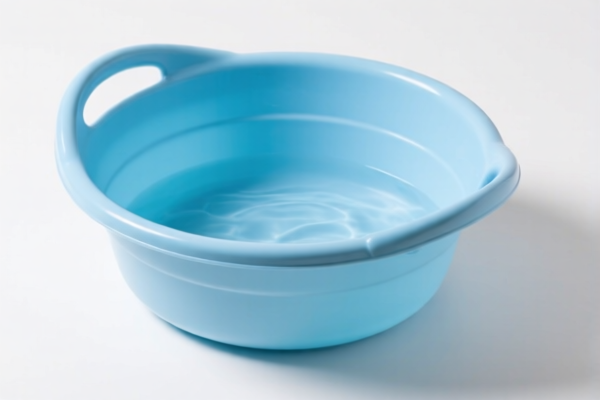
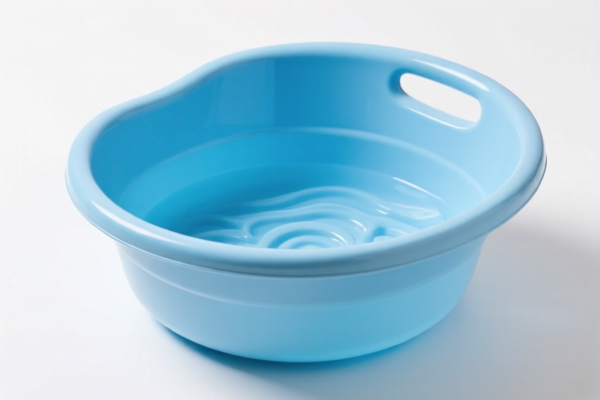
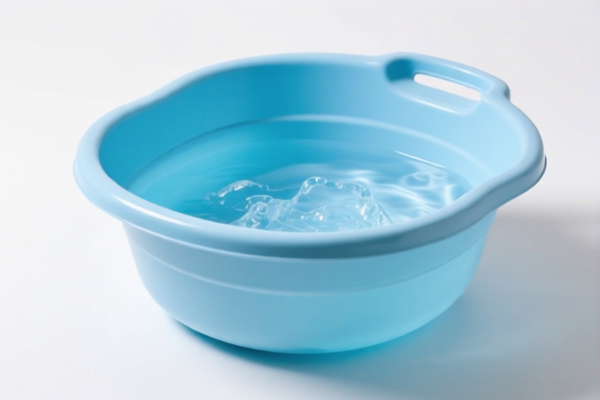
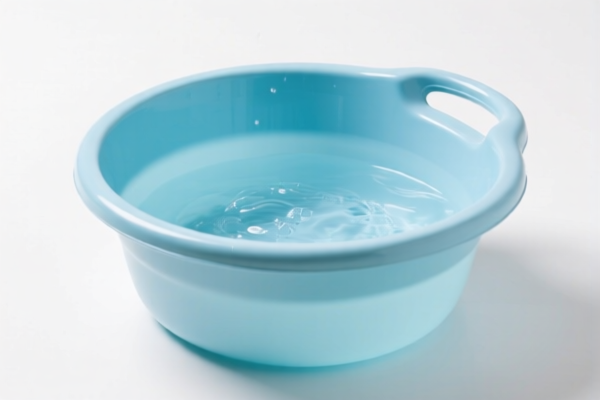
AI分析
🧺 Laundry Baskets & Containers: The Ultimate HS Code & Tax Guide | 2026 Customs Clearance Strategy
🌐 HS Code Reference & Clearance Guide | Latest 2026 Tariff Analysis | Professional Compliance Strategy
📌 Part 1: Product Definition & Classification – Do You Really Understand "Laundry Basins"?
In the context of international trade and customs declarations, "Laundry Basin" (often referred to as Laundry Basket or Laundry Hamper) generally refers to a container used for holding dirty or clean laundry. It is not a fixed sanitary fixture like a bathroom sink (which would be HS Code 7324 or 6910).
International trade classifies these items based on their material composition: 1. Bamboo/Rattan/Wicker: Natural plant materials woven into baskets. 2. Plastic: Moulded or formed plastic containers. 3. Metal (Iron/Steel): Wire or solid metal frames/containers. 4. Other Plant Materials: Woven items not specifically bamboo or rattan.
⚠️ Critical Distinction:
- If the item is a fixed sink/basin attached to plumbing → It is HS 7324 (Sanitary ware) or HS 6910 (Ceramic sanitary ware).
- If the item is a portable basket/hamper for laundry → It falls under Chapter 46 (Vegetable Plaiting Materials), Chapter 39 (Plastics), or Chapter 73 (Iron/Steel articles).
- This guide focuses on PORTABLE Laundry Baskets/Hampers based on the provided data.
📦 Part 2: HS Code Classification Details (2026 Latest Tariff Authority)
| HS Code | Product Description | Material/Type | Key Characteristics |
|---|---|---|---|
4602.11.09.00 |
Bamboo or Rattan Laundry Basket | Bamboo/Rattan | Specifically made of bamboo or rattan strips, woven into basket form. |
4602.19.18.00 |
Other Plant Material Basket | Other Vegetables | Made from other plant materials (e.g., straw, seagrass, reed) woven into baskets/bags. |
3926.90.99.89 |
Other Plastic Articles | Plastic | Plastic laundry baskets that do not fit specific plastic article subheadings; general "other" plastics. |
3926.90.10.00 |
Plastic Bottles/Baskets | Plastic | Plastic containers, bottles, or baskets specifically classified under this subheading for plastic vessels. |
7326.90.86.88 |
Other Articles of Iron/Steel | Metal (Iron/Steel) | Wire-frame or solid iron/steel laundry baskets; excludes standard household kitchenware. |
🔍 Key Reminder:
- Bamboo/Rattan has its own specific chapter (Ch. 46). Do not classify bamboo baskets as "Wicker" under furniture (Ch. 94) unless they are upholstered/seated.
- Plastic baskets are split between3926.90.10(specific plastic containers) and3926.90.99(other plastic articles).
- Metal baskets are classified under general iron/steel articles (Ch. 73), NOT as parts of household goods (Ch. 94) if they are standalone baskets.
💰 Part 3: 2026 Latest Tariff Rate Breakdown (Including Surcharges)
✅ Applicable Country: United States (US)
✅ Origin: China (CN)
✅ Effective Date: Current tariffs as per provided data (reflects 301 Section and IEEPA surcharges)
🎯 1. 4602.11.09.00 – Bamboo or Rattan Laundry Basket
| Item | Detail |
|---|---|
| Basic Tariff | 10.0% |
| Additional Tariff (Section 301) | 25.0% |
| 122 Clause Tariff | 10.0% |
| Total Tax Rate | 45.0% |
| Calculation | CIF Value × 45.0% |
| Legal Basis Path | Basic Tariff → Section 301 Footnote → 122 Clause (Specific Trade Remedy) |
📌 Explanation:
- Bamboo/Rattan items from China face a high total tax burden of 45%.
- The "122 Clause" refers to specific US trade remedy provisions often applied to certain Chinese manufacturing inputs or finished goods depending on the year's trade policy updates.
- Action: High cost implication. Consider sourcing from non-China origins (e.g., Vietnam) if possible, or price accordingly.
🎯 2. 3926.90.99.89 – Other Plastic Laundry Baskets (General)
| Item | Detail |
|---|---|
| Basic Tariff | 5.3% |
| Additional Tariff (Section 301) | 7.5% |
| 122 Clause Tariff | 10.0% |
| Total Tax Rate | 22.8% |
| Calculation | CIF Value × 22.8% |
| Legal Basis Path | Basic Tariff → Section 301 List 4B → 122 Clause |
📌 Explanation:
- Plastic baskets in the "other" category have a moderate total tax of 22.8%.
- The Section 301 rate for many plastic goods was lowered from 25% to 7.5% in later lists, which is why this is significantly cheaper than metal baskets.
- Action: Competitive tariff level. Ensure the plastic type (e.g., PE, PP) is correctly declared to avoid misclassification into higher-tariff "other plastics."
🎯 3. 7326.90.86.88 – Iron or Steel Laundry Baskets
| Item | Detail |
|---|---|
| Basic Tariff | 2.9% |
| Additional Tariff (Section 301) | 25.0% |
| 122 Clause Tariff | 10.0% |
| Steel/Aluminum/Copper Surcharge | +50.0% |
| Total Tax Rate | 87.9% |
| Calculation | CIF Value × 87.9% |
| Legal Basis Path | Basic Tariff → Section 301 List 3 → 122 Clause → Special Steel/Aluminum/Copper Tariff (Section 232/Other) |
📌 CRITICAL WARNING:
- 87.9% is an EXTREMELY HIGH TAX RATE.
- This includes the 50% surcharge for Steel/Aluminum/Copper products (likely linked to Section 232 or specific steel tariffs) ON TOP of the 301 tariffs and 122 clause.
- Impact: Metal laundry baskets from China are prohibitively expensive for the US market due to these compounded taxes.
- Action: Strongly reconsider importing steel baskets from China. Explore alternatives or verify if the specific steel type qualifies for any exemptions (rare for consumer goods).
🎯 4. 4602.19.18.00 – Other Plant Material Baskets
| Item | Detail |
|---|---|
| Basic Tariff | 4.5% |
| Additional Tariff (Section 301) | 25.0% |
| 122 Clause Tariff | 10.0% |
| Total Tax Rate | 39.5% |
| Calculation | CIF Value × 39.5% |
| Legal Basis Path | Basic Tariff → Section 301 List 4A/4B → 122 Clause |
📌 Explanation:
- Baskets made from other plant materials (not bamboo/rattan) face a 39.5% total tax.
- The basic tariff is lower than bamboo/rattan, but the 25% Section 301 surcharge remains high for woven goods.
- Action: Compare with bamboo baskets. If the "other plant material" is cheaper to source, the tax difference (39.5% vs 45%) might justify it, but both are high.
🎯 5. 3926.90.10.00 – Plastic Bottles/Baskets (Specific Plastic Vessels)
| Item | Detail |
|---|---|
| Basic Tariff | 3.4% |
| Additional Tariff (Section 301) | 7.5% |
| 122 Clause Tariff | 10.0% |
| Total Tax Rate | 20.9% |
| Calculation | CIF Value × 20.9% |
| Legal Basis Path | Basic Tariff → Section 301 List 4B → 122 Clause |
📌 Explanation:
- This is the lowest tax rate among all plastic baskets at 20.9%.
- Classification as "Plastic Bottles/Baskets" (3926.90.10) instead of "Other Plastic Articles" (3926.90.99) yields a savings of 1.9% (20.9% vs 22.8%).
- Action: Ensure the product description and physical characteristics (e.g., shape, closure) support classification under3926.90.10if possible, to minimize tax.
🛠️ Part 4: Customs Clearance Practical Advice (Avoiding Pitfalls)
✅ 1. Documentation Checklist (Mandatory)
| Document | Required? | Description |
|---|---|---|
| ✅ Commercial Invoice | ✔️ | Must clearly state "Laundry Basket/Hamper" and Material (e.g., "Bamboo," "PP Plastic"). |
| ✅ Packing List | ✔️ | Detail net/gross weight and number of pieces. |
| ✅ Product Photos | ✔️ | Clear images showing material texture (woven bamboo vs. molded plastic vs. wire metal). |
| ✅ Material Declaration | ✔️ | Explicitly state: "Made of 100% Bamboo" or "Made of Polypropylene (PP)." |
| ✅ Origin Certificate | ✔️ | Crucial for Tariff Calculation. Must prove origin is China (CN) to apply the correct high tariffs. If from Vietnam/Malaysia, different rates may apply. |
✅ 2. Classification Tips (Key Mnemonics)
🔥 "Material Defines Code, Metal Kills Profit!"
| Scenario | Correct HS Code | Tax Rate | Why? |
|---|---|---|---|
| Bamboo Woven | 4602.11.09.00 |
45.0% | Specific to Bamboo/Rattan in Ch. 46. |
| Plastic Moulded | 3926.90.10.00 |
20.9% | Best for plastics; specific subheading. |
| Other Plant Woven | 4602.19.18.00 |
39.5% | Non-bamboo plant materials. |
| Wire Metal Basket | 7326.90.86.88 |
87.9% | AVOID. Steel surcharge makes it uncompetitive. |
| Generic Plastic | 3926.90.99.89 |
22.8% | Default for plastics if not specific. |
📌 Note:
- Do NOT classify plastic baskets as "Household Articles" (Ch. 94) or "Furniture" (Ch. 94) unless they are part of a larger furniture set. Standalone baskets go to Ch. 39 or Ch. 46.
- Do NOT confuse "Laundry Basket" with "Laundry Sink." Sinks are Ch. 7324 (Metal) or Ch. 6910 (Ceramic).
✅ 3. Special Situations
| Situation | Recommendation |
|---|---|
| Mixed Materials | If a basket has a bamboo frame and plastic lining, classify based on essential character. Usually, the basket material (bamboo/plastic) dominates. |
| Origin Shift | If sourced from Vietnam, Indonesia, or Malaysia, Section 301 and IEEPA tariffs may not apply. Always verify country of origin to avoid 25-50% surcharges. |
| Steel Baskets | Strongly advise against importing steel laundry baskets from China due to the 87.9% effective tax rate. |
🌍 Part 5: Global Market Comparison (2026)
| Country/Region | Recommended HS Code | Est. Tariff (China Origin) | Notes |
|---|---|---|---|
| 🇺🇸 USA | 3926.90.10.00 |
20.9% | High surcharges for steel (87.9%) and bamboo (45%). |
| 🇨🇳 China | 3926.90.10.00 |
~5-10% | Lower import duties; no US surcharges. |
| 🇪🇺 EU | 4602.11.00.00 |
~5-12% | No Section 301 surcharges. VAT applies separately. |
| 🇬🇧 UK | 3926.90.00.00 |
~6.5% | Post-Brexit tariffs; no US-style surcharges. |
| 🇦🇺 Australia | 4602.11.00.00 |
~5% | Low basic tariffs; no additional trade war taxes. |
📌 Conclusion:
- USA is the most expensive market for Chinese-made laundry baskets due to Section 301, IEEPA, and 122 Clause surcharges.
- Plastic baskets (3926.90.10.00) are the most tax-efficient option (20.9%) compared to metal (87.9%) and bamboo (45%).
- Steel baskets are commercially unviable for the US market from China.
📌 Part 6: Common Errors & Pitfalls (Lessons Learned)
❌ Error 1: Classifying Steel Baskets as "Household Goods"
👉 Result: Misclassification penalty + Back taxes of ~60% (missing the steel surcharge).
❌ Error 2: Declaring "Plastic Basket" but importing Mixed Material
👉 Result: Customs may classify based on essential character, potentially leading to higher tax (e.g., if bamboo handle, may shift to Ch. 46).
❌ Error 3: Ignoring Country of Origin
👉 Result: If origin is China, but declared as Vietnam, customs will deny preferential treatment and levy full US surcharges (25-50%) + penalties.
❌ Error 4: Confusing Basket with Sink
👉 Result: Incorrect HS Code (Ch. 7324) may have different duties and certification requirements (e.g., plumbing codes).
✅ Correct Practice:
"Clear Material Declaration + Accurate HS Code + Verified Origin = Smooth Clearance."
🎯 Part 7: Final Recommendations
🎯 Remember:
🔹 Plastic is King:
3926.90.10.00offers the lowest tax (20.9%) for US imports.
🔹 Steel is Suicide: Avoid7326.90.86.88(87.9%) unless you have no other choice.
🔹 Bamboo is Expensive:4602.11.09.00(45%) is significant; ensure quality justifies cost.
📌 Action Plan:
1. Verify Material: Confirm if your product is Bamboo, Plastic, or Steel.
2. Check Origin: If non-China, recalculate taxes (surcharges may not apply).
3. Use Lowest Tax HS Code: For plastics, use 3926.90.10.00 if applicable.
4. Prepare Docs: Invoice must clearly state material and origin.
📣 Immediate Action:
📞 Consult a Customs Broker for pre-classification ruling if materials are mixed.
🚀 Optimize Supply Chain: Consider sourcing plastic baskets from low-tariff regions if US market is critical.
✨ Professional Clearance Starts with Accurate Classification!
💼 Every Percent of Tax Saved is Pure Profit!
用户评价
关于 HS 编码归类
协调制度(HS)是由世界海关组织(WCO)制定的国际贸易商品分类标准。全球 200 多个国家采用 HS 系统作为海关关税、贸易统计和进出口监管的基础。
每个 HS 编码遵循以下层级结构:
- 章(2 位)——商品大类(例如:第 84 章:机器和机械设备)
- 品目(4 位)——章内的更具体分类
- 子目(6 位)——国际通用细分,所有 WCO 成员国统一使用
- 本国细分(8-10 位)——各国自行扩展的细分编码,如美国 HTSUS 10 位编码
正确的 HS 编码归类对于顺利通关、准确缴纳关税和遵守贸易法规至关重要。错误归类可能导致海关延误、多缴关税或罚款。
从CN进口到US时,适用的关税税率可能包括:
- 最惠国(MFN)税率——适用于 WTO 成员国的标准关税税率
- 普通税率——适用于无贸易协定国家
- 贸易救济关税——附加关税,如 301 条款(反倾销)、232 条款(国家安全)或反补贴税
本页内容仅供参考。如需正式归类,请咨询当地海关或持牌报关代理。