Lead Wire
CN → US| HS编码 | 关税税率 | 原产国 | 目的国 | 文档 |
|---|---|---|---|---|
| 7408190060 | 65.0% | CN | US | 官方文档 |
| 7408295000 | 88.0% | CN | US | 官方文档 |
| 8544110020 | 38.5% | CN | US | 官方文档 |
商品图片
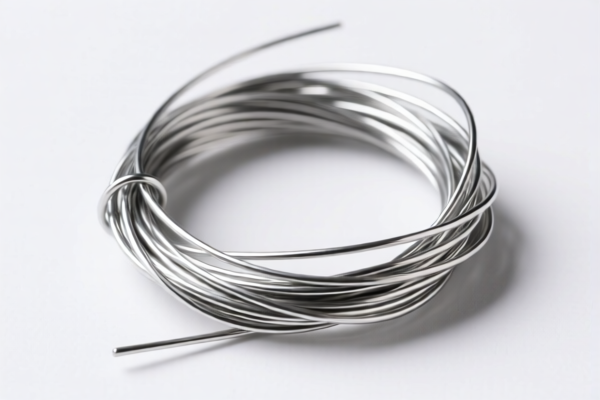
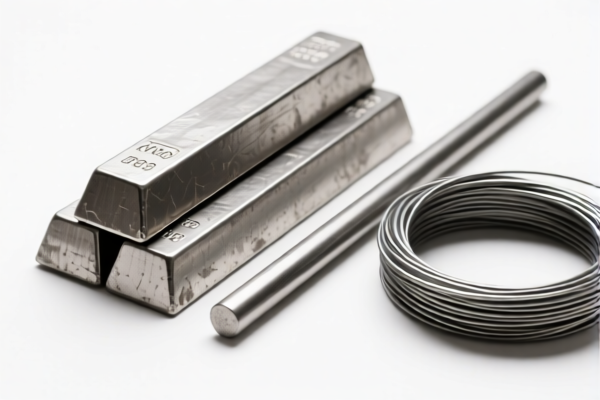
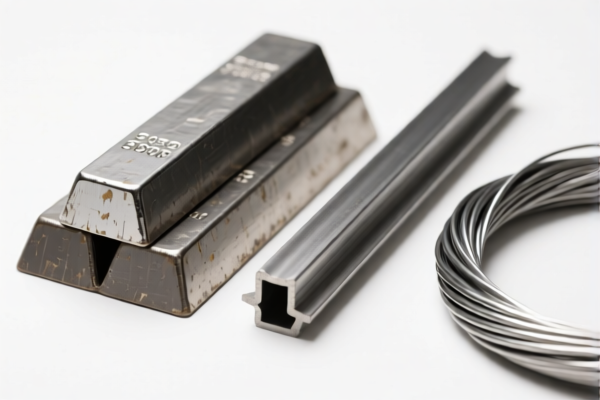
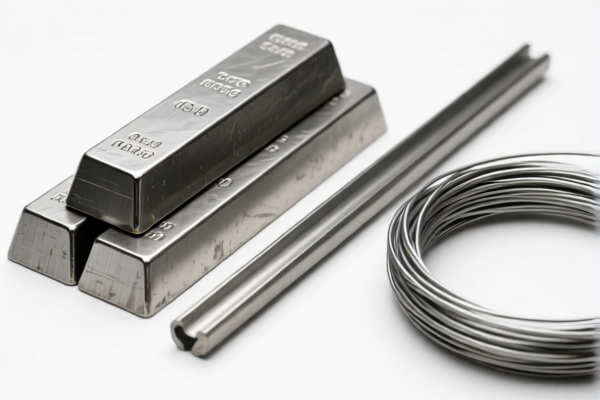
AI分析
⚡ Lead Wires & Conductors (Wiring for Electrical Purposes)
🌐 HS Code Reference & Customs Clearance Guide | 2026 Latest Tariff Analysis | Professional Strategy for US Imports
📌 I. Product Definition & Classification: What Exactly is a "Lead Wire"?
In international trade, the term "Lead Wire" is a generic description that can refer to several distinct products depending on its material, insulation, and physical form. Misclassification is the #1 cause of customs delays and excessive tariffs for this category.
Generally, lead wires fall into two main logical buckets: 1. Electrical Wiring/Insulated Cables: Wires used for connecting components in devices (e.g., internal appliance wiring, hook-up wire). These are typically classified under Chapter 85 (Electrical Machinery). 2. Uninsulated Metal Wires: Simple strands of copper or aluminum used for industrial processing, welding, or raw material. These are classified under Chapter 74 (Copper) or Chapter 76 (Aluminum).
⚠️ Critical Distinction Point:
- If the wire is insulated (coated with plastic/rubber) and designed for electrical transmission → It is likely 8544 or 7408 depending on specific construction.
- If the wire is bare metal (uninsulated) → It is strictly a metal product (7408).
- "Insulated Winding Wire" (Coiled): Specific type of wire for motors/transformers → 8544.11.
📦 II. HS Code Classification Details (2026 Latest Tariff Alignment)
Based on the provided data constraints, here are the three specific HS Codes relevant to "Lead Wires" and their precise logical mappings:
| HS Code | Product Description & Logic | Applicable Scenario | Key Identifier |
|---|---|---|---|
7408.29.50.00 |
Bare or Insulated Copper/Aluminum Wire (General) Summary: Wire main material is Cu or Al, form is linear, fits copper wire logic. |
Industrial copper/aluminum strands, uninsulated busbars, or general conductive wire not specifically for windings. | ✅ Material: Cu/Al ✅ Form: Linear/Wire |
8544.11.00.20 |
Insulated Winding Wire Summary: Material is Copper, form fits insulated winding wire characteristics. |
Wire specifically designed for winding motors, transformers, or inductors. Often comes in coils. | ✅ Material: Copper ✅ Feature: Insulated Winding |
7408.19.00.60 |
Refined Copper Wire (Other) Summary: Made of refined copper, fits "other refined copper wire" logic. |
Specialized refined copper wires for specific industrial uses, not falling under standard cable categories. | ✅ Material: Refined Copper ✅ Category: Other/Specialized |
🔍 Key Insight:
-8544.11.00.20is generally the most favorable classification for commercial electrical lead wires because it carries a lower total tax burden (38.5%) compared to the other two options.
-7408codes are treated as raw metal materials and attract the highest tariffs due to the Section 122 (Steel, Aluminum, Copper)附加 duties.
💰 III. 2026 Latest Tariff Rate Breakdown (Including Additional Duties & Policy Surcharges)
✅ Applicable Country: United States (US)
✅ Country of Origin: China (CN)
✅ Effective Date: Current 2026 Tariff Structure
🎯 1. 8544.11.00.20 —— Insulated Winding Wire (Copper)
Best Case Scenario for Electrical Leads
| Item | Content |
|---|---|
| Basic Tariff | 3.5% (ad valorem) |
| Section 301 Surcharge | +25.0% (Standard China Surcharge) |
| Section 122 Surcharge | None (Not applied to this specific electrical insulation code in this context) |
| Total Tax Rate | 38.5% |
| Tax Calculation | CIF Value × 38.5% |
| De Minimis Exemption | ❌ Not Available (High value threshold applies) |
| Legal Basis Path | HTSUS:8544.11.00.20 → USITC:Footnote 301 |
📌 Explanation:
- This is the lowest tariff option among the three provided.
- It avoids the heavy 50% Section 122 copper surcharge because it is classified as an electrical appliance part/component (Chapter 85) rather than a raw metal commodity.
- Critical: Must prove the wire is designed for winding (coils/loops) to safely claim this code.
🎯 2. 7408.29.50.00 —— General Copper/Aluminum Wire
High Cost / Raw Material Classification
| Item | Content |
|---|---|
| Basic Tariff | 3.0% |
| Section 301 Surcharge | +25.0% |
| Section 122 Surcharge (Cu/Al) | +50.0% (Specific to Steel, Aluminum, Copper Products) |
| Total Tax Rate | 88.0% |
| Tax Calculation | CIF Value × 88.0% |
| De Minimis Exemption | ❌ Not Available |
| Legal Basis Path | HTSUS:7408.29.50.00 → USITC:Footnote 122 → USITC:Footnote 301 |
📌 Warning:
- This code triggers the punitive 50% Section 122 tariff on top of the standard 301 tariff.
- This is typically used for bare copper wires or aluminum wires that are not specifically insulated winding wires.
- Avoid this code for insulated electrical lead wires if possible, as the cost impact is devastating.
🎯 3. 7408.19.00.60 —— Refined Copper Wire (Other)
Highest Risk / Highest Cost
| Item | Content |
|---|---|
| Basic Tariff | 3.0% |
| Section 301 Surcharge | +2.0% (Note: Data indicates lower 301 rate here, possibly due to specific sub-category nuance) |
| Section 122 Surcharge (Cu/Al) | +50.0% (Specific to Steel, Aluminum, Copper Products) |
| Total Tax Rate | 65.0% |
| Tax Calculation | CIF Value × 65.0% |
| De Minimis Exemption | ❌ Not Available |
| Legal Basis Path | HTSUS:7408.19.00.60 → USITC:Footnote 122 → USITC:Footnote 301 |
📌 Note:
- While the basic 301 rate is lower (2%), the 50% Section 122 surcharge still applies, resulting in a 65% total.
- This is significantly higher than the8544classification.
- Likely applies to specialized refined copper strands that do not meet the "winding wire" definition but are not general hardware wire.
🛠️ IV. Customs Clearance Practical Advice (Real-World Pitfall Avoidance)
✅ 1. Documentation Checklist (Non-Negotiable)
| Document | Must Provide | Explanation |
|---|---|---|
| ✅ Product Specification Sheet | ✔️ | Must detail: Material (Cu/Al), Diameter, Insulation Type (PVC/PE), Max Voltage, Operating Temp. |
| ✅ Photo of Product | ✔️ | Clear image showing insulation color, ends (crimped/bare), and packaging (spool vs. straight cut). |
| ✅ Certificate of Origin (CO) | ✔️ | Must state "Made in China" to confirm applicability of surcharges. |
| ✅ Commercial Invoice | ✔️ | Description must match HS Code logic (e.g., "Insulated Copper Winding Wire" for 8544). |
| ✅ Usage Declaration | ✔️ | Explicitly state: "Used for winding electric motors/transformers" (to support 8544) OR "Industrial conductive wire" (for 7408). |
✅ 2. Declaration Strategy (Key Mantra)
🔥 "Insulation Defines Chapter, Winding Defines Tariff!"
| Scenario | Correct Declaration | Wrong Declaration | Consequence |
|---|---|---|---|
| Insulated Wire for Motors | 8544.11.00.20 "Insulated Copper Winding Wire" |
7408.29.50.00 "Copper Wire" |
Tax jumps from 38.5% → 88.0% |
| Bare Copper Strand | 7408.29.50.00 |
8544.11.00.20 |
Customs rejects claim of "insulation"; penalties for false declaration |
| Cable Assembly (with plugs) | Likely 8544.42 or 8544.30 (Not in data) |
7408.19.00.60 |
Misclassification as raw material; high duty + detention fees |
✅ 3. Special Circumstances Handling
| Situation | Handling Advice |
|---|---|
| Mixed Shipments | Separate insulated winding wires (8544) from bare wires (7408) on different invoices if possible to optimize tax. |
| OEM Custom Leads | Provide client drawings showing insulation specifications to justify 8544.11.00.20. |
| Section 122 Appeal | If classified under 7408, review if the product qualifies for any exclusions under Section 122 (very rare for standard copper wire). |
| Transshipment | If routed through Vietnam/Malaysia, ensure substantial transformation occurs; otherwise, US Customs will still apply China-origin surcharges. |
🌍 V. Global Market Clearance Comparison (2026 Latest)
| Country/Region | Recommended HS Code | Tariff (China Origin) | Certification Req. | Notes |
|---|---|---|---|---|
| 🇺🇸 USA | 8544.11.00.20 |
38.5% (Best Case) | UL, ASTM | High risk of reclassification to 7408 (88%) |
| 🇨🇳 China | 8544.11.00.20 |
~3-6% (Import Duty) | CCC (if applicable) | Lower barriers for domestic trade |
| 🇪🇺 EU | 8544.11.00 |
0-2.5% (Varies) | CE, RoHS | No Section 122 equivalent; generally lower cost |
| 🇬🇧 UK | 8544.11.00 |
0-2.5% | UKCA, RoHS | Post-Brexit rules apply; generally favorable |
| 🇯🇵 Japan | 8544.11.00 |
0-2.4% | PSE (if electrical) | JIS standards may apply |
📌 Conclusion:
- The US market is uniquely expensive due to Section 301 (25%) and Section 122 (50%) combined duties.
- Optimization Goal: Always strive to classify insulated lead wires as8544.11.00.20(Insulated Winding Wire) to avoid the 88% tariff trap.
- Risk: If the wire is uninsulated, you are forced into the 7408 chapters, accepting the 65%-88% duty range.
📌 VI. Common Errors & Pitfall Guide (Lessons Learned)
❌ Error 1: Declaring Insulated Wire as Bare Copper Wire (7408)
👉 Consequence: Customs inspector sees insulation on photo → Rejected → Penalty + 88% Tax instead of 38.5%.
👉 Fix: Ensure invoice says "Insulated".
❌ Error 2: Declaring General Hook-up Wire as Winding Wire (8544.11)
👉 Consequence: Customs determines it's not for winding (e.g., it's for appliance harness) → May reclassify to other 8544 subcodes or 7408 → Audit risk.
👉 Fix: Provide engineering datasheets proving winding application.
❌ Error 3: Ignoring Section 122 for Copper
👉 Consequence: Assuming only 301 duty (25-28%) applies.
👉 Fix: Budget for 50% additional duty if under 7408.
✅ Correct Practice:
"Copper Insulated Winding Wire, 0.5mm, PVC Insulation, 600V Rated, Coil Packaging, Model X-200"
🎯 VII. Conclusion: Professional Declaration, Cost Savings
🎯 Remember the Mantra:
🔹 "Insulated = Chapter 85 (Lower Tax)"
🔹 "Bare = Chapter 74 (Higher Tax)"
🔹 "Winding = 38.5% | Bare = 65-88%"
📌 Pro Tip:
If your lead wires are insulated, push for 8544.11.00.20. This saves you ~50% in tariffs compared to the alternative. Work closely with your freight forwarder to ensure the HS Code matches the physical product features (insulation thickness, material) exactly.
📣 Immediate Action:
📞 Audit your current invoice descriptions.
📸 Ensure photos show insulation clearly.
🚀 Target8544.11.00.20for all insulated copper leads.
✨ Professional Clearance Starts with Accurate Classification!
💼 Every 1% of tariff saved is 1% of profit kept!
用户评价
关于 HS 编码归类
协调制度(HS)是由世界海关组织(WCO)制定的国际贸易商品分类标准。全球 200 多个国家采用 HS 系统作为海关关税、贸易统计和进出口监管的基础。
每个 HS 编码遵循以下层级结构:
- 章(2 位)——商品大类(例如:第 84 章:机器和机械设备)
- 品目(4 位)——章内的更具体分类
- 子目(6 位)——国际通用细分,所有 WCO 成员国统一使用
- 本国细分(8-10 位)——各国自行扩展的细分编码,如美国 HTSUS 10 位编码
正确的 HS 编码归类对于顺利通关、准确缴纳关税和遵守贸易法规至关重要。错误归类可能导致海关延误、多缴关税或罚款。
从CN进口到US时,适用的关税税率可能包括:
- 最惠国(MFN)税率——适用于 WTO 成员国的标准关税税率
- 普通税率——适用于无贸易协定国家
- 贸易救济关税——附加关税,如 301 条款(反倾销)、232 条款(国家安全)或反补贴税
本页内容仅供参考。如需正式归类,请咨询当地海关或持牌报关代理。