Leather Trimming Offcuts
CN → US| HS编码 | 关税税率 | 原产国 | 目的国 | 文档 |
|---|---|---|---|---|
| 6309000010 | 17.5% | CN | US | 官方文档 |
| 4115200000 | 17.5% | CN | US | 官方文档 |
| 4115100000 | 35.0% | CN | US | 官方文档 |
| 6309000020 | 17.5% | CN | US | 官方文档 |
| 4107997090 | 15.0% | CN | US | 官方文档 |
商品图片
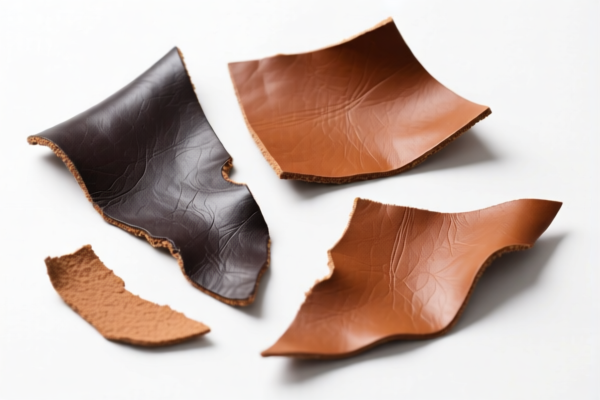
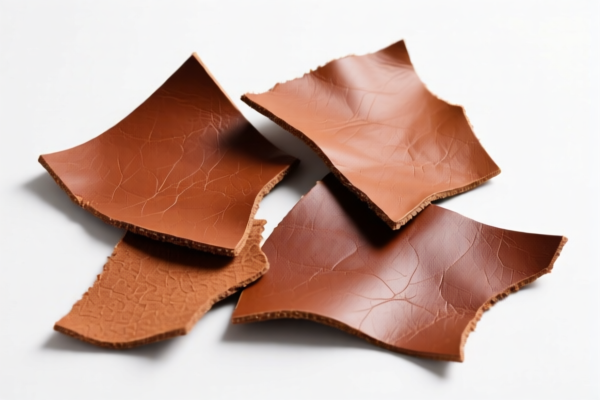
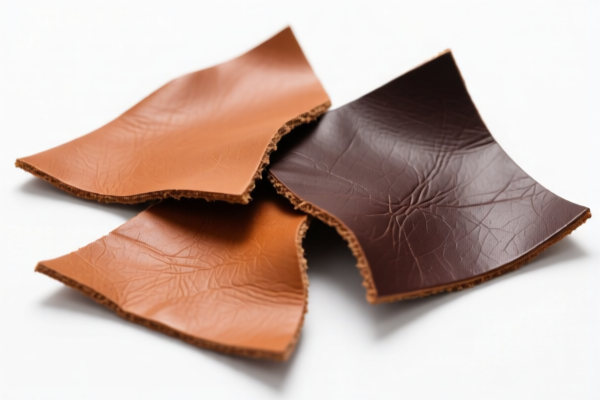
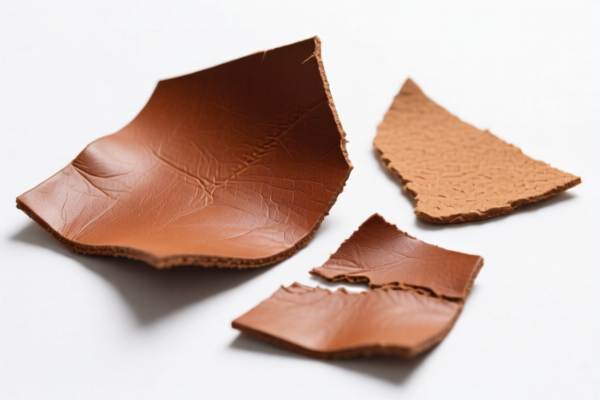
AI分析
🧵 Leather Trimming Offcuts (Automotive Interior Grade)
🌐 HS Code Reference & Customs Clearance Guide | 2026 Latest Tariff Analysis | Professional Clearance Strategy 📌 I. Product Definition: What Exactly Are "Leather Trimming Offcuts"?
Leather trimming offcuts, specifically those designated for automotive interiors, are residual materials generated during the cutting and shaping of leather hides for car seats, dashboards, and door panels. In international trade, their classification hinges on two critical factors: 1. Material State: Are they raw, salted, finished, or merely scraps? 2. Form: Are they "边角料" (offcuts/trimmings) suitable for reuse, or classified as "used goods"?
⚠️ Key Distinction Point:
- If they are raw/salted leather scraps intended for further processing (gluing, reconstituting) → They fall under Chapters 41 (Leather).
- If they are finished scraps or classified as waste/old goods → They may fall under Chapter 63 (Other made-up articles).
- Crucial Note: Misclassification here can lead to significant tariff differences due to US-China trade policies (Section 301 & Section 122).
📦 II. HS Code Classification Matrix (2026 Latest Tariff Authority)
Based on the specific characteristics of "Leather Trimming Offcuts for Automotive Interiors," here is the precise breakdown from the provided dataset:
| HS Code | Product Description & Logic | Tax Detail Breakdown | Total Tax Rate |
|---|---|---|---|
6309.00.00.10 |
Leather Offcuts (Automotive Interior) Material: Leather. Form: Offcuts. Logic: Classified as primary/semi-finished leather state. |
Base: 0.0% Additional: 7.5% Sec. 122: 10% |
17.5% |
4115.20.00.00 |
Leather Offcuts (Auto Interior) Material: Leather. Form: Offcuts. Logic: Fully complies with material/form requirements for leather trimmings. |
Base: 0.0% Additional: 7.5% Sec. 122: 10% |
17.5% |
4115.10.00.00 |
Composite Leather Offcuts Material: Leather. Logic: Fits the definition of composite leather materials. |
Base: 0.0% Additional: 25.0% Sec. 122: 10% |
35.0% |
6309.00.00.20 |
Other Used Goods (Leather Offcuts) Material: Leather. Logic: Classified as "Other Used Goods" rather than new offcuts. |
Base: 0.0% Additional: 7.5% Sec. 122: 10% |
17.5% |
4107.99.70.90 |
Wet-Salted Leather Offcuts Material: Leather. Form: Primary/Semi-finished. Logic: Specifically wet-salted state. |
Base: 5.0% Additional: 0.0% Sec. 122: 10% |
15.0% |
🔍 重点提醒 (Critical Reminder):
-4115.10.00.00is the most expensive option (35.0%) due to a higher "Additional Tariff" (25.0%) likely triggered by specific US trade restrictions on composite leather products. -4107.99.70.90offers the lowest total rate (15.0%), but only if the leather is strictly in a wet-salted state and declared as such. -6309Codes treat the material as "used goods" or "other," which attracts a lower additional tariff (7.5%) compared to Chapter 41 composite leather (25%).
💰 III. 2026 Latest Tariff Rate Explanation (Detailed Clause Analysis)
✅ Applicable Country: United States (US)
✅ Origin: China (CN) (Implied by the presence of Section 122 and typical trade data context)
✅ Effective Time: Current 2026 Tariff Schedule
🎯 1. Standard Leather Offcuts (4115.20.00.00 & 6309.00.00.10/.20)
Total Rate: 17.5%**
| Component | Rate | Legal Basis / Explanation |
|---|---|---|
| Base Tariff | 0.0% | Standard MFN rate for many leather waste/offcut categories. |
| USITC Additional Tariff | +7.5% | Section 301 Tariff (Phase 3/4 adjustments) or specific trade remedy duties on leather products. |
| Section 122 Tariff | +10.0% | Special Provision: Often applies to specific vehicle parts or materials subject to additional scrutiny. |
| TOTAL | 17.5% | CIF Value × 17.5% |
📌 Why this rate?
- These codes (4115.20,6309) generally attract the 7.5% additional tariff bracket. - The 10% Section 122 is added because these are materials destined for automotive interiors (a heavily regulated sector).
🎯 2. Composite Leather Offcuts (4115.10.00.00)
Total Rate: 35.0% (High Risk!)
| Component | Rate | Legal Basis / Explanation |
|---|---|---|
| Base Tariff | 0.0% | Standard MFN rate. |
| USITC Additional Tariff | +25.0% | Higher Bracket: Composite leather materials often face stricter anti-dumping or countervailing duties, or are categorized under a higher Section 301 tariff code. |
| Section 122 Tariff | +10.0% | Same as above, applicable to automotive-related materials. |
| TOTAL | 35.0% | CIF Value × 35.0% |
⚠️ Warning:
- Do NOT misdeclare simple leather offcuts as "Composite Leather" unless they are chemically or physically bound with other materials (e.g., fabric backing). Simple scraps should use4115.20or6309.
🎯 3. Wet-Salted Leather Offcuts (4107.99.70.90)
Total Rate: 15.0% (Lowest Cost)
| Component | Rate | Legal Basis / Explanation |
|---|---|---|
| Base Tariff | 5.0% | Standard rate for salted leather. |
| USITC Additional Tariff | 0.0% | Exempt: Wet-salted leather offcuts may fall under an exempt category or lower tariff bracket (0% additional). |
| Section 122 Tariff | +10.0% | Still applies due to automotive intent. |
| TOTAL | 15.0% | CIF Value × 15.0% |
💡 Opportunity:
- If the offcuts are wet-salted (preserved with salt, not dry), you can leverage the 0% Additional Tariff. This saves 2.5% compared to the standard 17.5% rate. - Condition: Must be clearly declared as "Wet-Salted" with proof of preservation method.
🛠️ IV. Customs Clearance Practical Advice (Pitfall Avoidance Guide)
✅ 1. Required Documentation Checklist
| Document | Mandatory? | Purpose |
|---|---|---|
| Commercial Invoice | ✅ | Must clearly state: "Leather Trimming Offcuts for Automotive Interiors" AND the specific state (e.g., "Wet-Salted" vs. "Finished"). |
| Packing List | ✅ | Detail weight, volume, and number of bundles. |
| Material Test Report | ✅ | Critical: To prove whether the leather is "Composite" (triggers 35%) or "Pure Leather Offcut" (triggers 17.5% or 15%). |
| Photos of Goods | ✅ | Show the texture, edges, and condition (salted vs. dry) to justify the HS code. |
| End-Use Declaration | ✅ | State clearly: "For use in manufacturing automotive interior components." |
✅ 2. Declaration Strategy (Key Mantra)
🔥 "Declare State Precisely, Avoid 'Composite', Save 20% Tariff!"
| Scenario | Recommended HS Code | Reason |
|---|---|---|
| Wet-Salted Scraps | 4107.99.70.90 |
Lowest tax (15%). Must be visibly wet/salted. |
| Dry Leather Scraps (Pure) | 4115.20.00.00 |
Standard tax (17.5%). Safest for pure leather. |
| Finished/Used Scraps | 6309.00.00.10 |
Standard tax (17.5%). Use if "used" status is accurate. |
| Composite/Bonded Scraps | 4115.10.00.00 |
Avoid if possible. High tax (35%). Only use if legally required. |
✅ 3. Special Cases & Handling
| Situation | Handling Advice |
|---|---|
| Mixed Batches (Wet & Dry) | Do NOT mix. Ship separately or declare the dominant state. If mixed, Customs may apply the highest applicable tariff or demand separation. |
Claiming "Used Goods" (6309) |
Ensure the goods are not just "waste" but "used articles" if possible. However, if they are manufacturing offcuts, 4115 is often more appropriate. |
| Section 122 Applicability | Always assume the 10% Section 122 tariff applies to automotive interior materials. Plan for this fixed cost. |
🌍 V. Global Market Comparison (2026)
| Region | Recommended HS Code | Est. Tariff | Notes |
|---|---|---|---|
| 🇺🇸 USA | 4107.99.70.90 (if wet-salted) |
15.0% | Lowest US rate. Requires strict "wet-salted" proof. |
| 🇺🇸 USA | 4115.20.00.00 (dry/offcut) |
17.5% | Standard rate for dry leather offcuts. |
| 🇪🇺 EU | 4115 series |
~5-10% | No Section 122 equivalent. Check for EPR/Waste regulations. |
| 🇨🇳 China | 4115 / 6309 |
0-5% | Low base duty. Focus on domestic recycling regulations. |
📌 Conclusion:
- The USA is the most tariff-sensitive market for these goods. - Wet-salted declaration is the only way to achieve the lowest 15% rate. - Composite leather is a trap with 35% duties.
📌 VI. Common Mistakes & Pitfalls (Lessons Learned)
❌ Mistake 1: Declaring "Wet-Salted" leather as "Dry Leather Offcuts"
👉 Consequence: Paying 17.5% instead of 15%. Small difference, but unnecessary cost.
❌ Mistake 2: Declaring "Dry Leather Offcuts" as "Composite Leather"
👉 Consequence: Paying 35% instead of 17.5%. Huge penalty!
❌ Mistake 3: Ignoring Section 122
👉 Consequence: Underestimating landed cost by 10%. Customs will assess this automatically.
❌ Mistake 4: Not providing photos of the "Wet-Salted" state
👉 Consequence: Customs may reject the 0% additional tariff claim and default to a higher rate.
✅ Correct Approach:
"Wet-Salted Leather Offcuts, for Automotive Interiors, Not Composite, Origin: China, Value: $X"
HS Code:4107.99.70.90
🎯 VII. Conclusion: Professional Declaration for Cost Efficiency
🎯 Remember the Mantra:
🔹 "Wet-Salted = 15% (Best)"
🔹 "Dry Offcut = 17.5% (Standard)"
🔹 "Composite = 35% (Avoid)"
🔹 "Always Include Section 122 (10%)"🔹 "Precise State Declaration Saves Money!"
📌 Pro Tip:
If your leather offcuts are not wet-salted, consider if they can be re-categorized as "Used Goods" (6309) if they have any prior use, though this is risky for manufacturing waste. Stick to 4115.20.00.00 for safety with dry leather.
📣 Immediate Action:
📞 Consult a Customs Broker + Provide Material Test Report + Declare State Accurately
🚀 Clear Customs Smoothly, Minimize Tariffs, Maximize Profit!
✨ Professional Customs Clearance Starts with Accurate Classification!
💼 Every Percentage Point of Tariff Matters!
用户评价
关于 HS 编码归类
协调制度(HS)是由世界海关组织(WCO)制定的国际贸易商品分类标准。全球 200 多个国家采用 HS 系统作为海关关税、贸易统计和进出口监管的基础。
每个 HS 编码遵循以下层级结构:
- 章(2 位)——商品大类(例如:第 84 章:机器和机械设备)
- 品目(4 位)——章内的更具体分类
- 子目(6 位)——国际通用细分,所有 WCO 成员国统一使用
- 本国细分(8-10 位)——各国自行扩展的细分编码,如美国 HTSUS 10 位编码
正确的 HS 编码归类对于顺利通关、准确缴纳关税和遵守贸易法规至关重要。错误归类可能导致海关延误、多缴关税或罚款。
从CN进口到US时,适用的关税税率可能包括:
- 最惠国(MFN)税率——适用于 WTO 成员国的标准关税税率
- 普通税率——适用于无贸易协定国家
- 贸易救济关税——附加关税,如 301 条款(反倾销)、232 条款(国家安全)或反补贴税
本页内容仅供参考。如需正式归类,请咨询当地海关或持牌报关代理。