Leather Wax
CN → US| HS编码 | 关税税率 | 原产国 | 目的国 | 文档 |
|---|---|---|---|---|
| 1521904000 | 17.5% | CN | US | 官方文档 |
| 3404905150 | 35.0% | CN | US | 官方文档 |
| 1521902000 | 22.3% | CN | US | 官方文档 |
| 3405900000 | 35.0% | CN | US | 官方文档 |
| 3405100000 | 35.0% | CN | US | 官方文档 |
商品图片
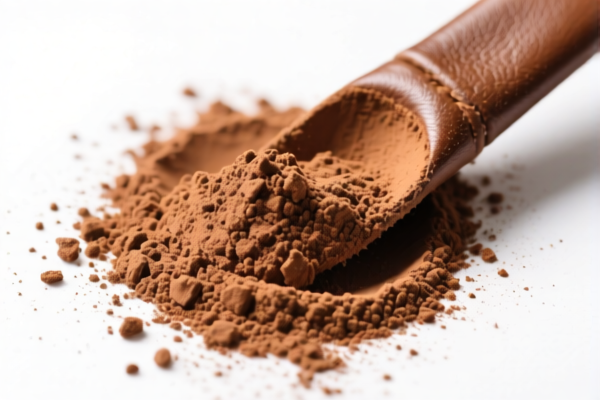
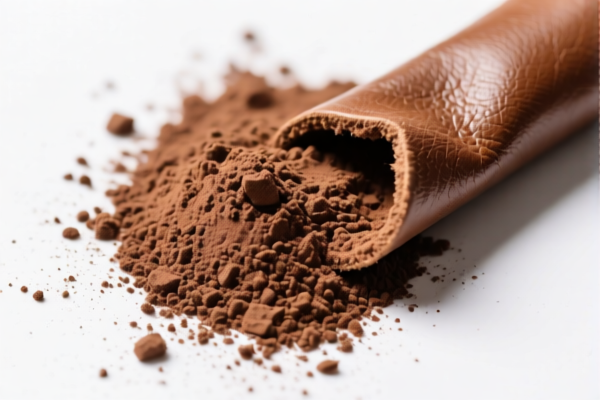
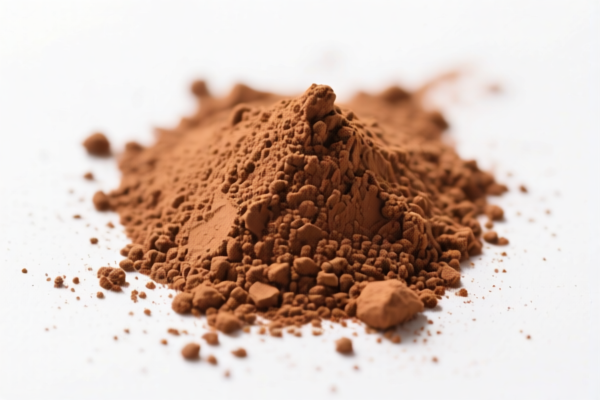
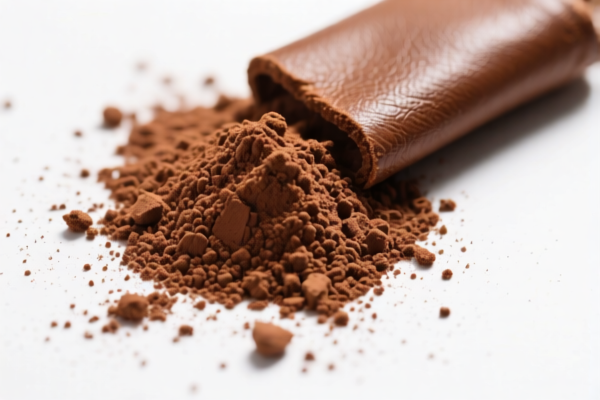
AI分析
🧼 Leather Wax: The Ultimate HS Code & Tariff Breakdown (2026 Edition)
🌐 HS Code Reference & Customs Clearance Guide | 2026 Latest Tariff Analysis | Professional Clearance Strategy
📌 I. Product Definition & Classification: What Exactly is "Leather Wax"?
Leather Wax is not a single, unified commodity. In international trade, its classification depends entirely on its chemical composition and physical form. Is it a natural plant/insect wax? Or is it a chemically modified, industrial-grade polishing cream?
This distinction is critical because the HS Code and corresponding tariffs can vary significantly (from 17.5% to 35.0%) based on how you define the product.
⚠️ Key Distinction Points:
- Natural/Unmodified Waxes: If the product is primarily composed of natural waxes (beeswax, carnauba, etc.) with minimal chemical modification →归入 Chapter 15.
- Prepared/Cosmetic/Cleaning Waxes: If the product is a chemically prepared paste, cream, or polish specifically for cleaning/protecting leather →归入 Chapter 34.
📦 II. HS Code Classification Matrix (2026 Authoritative Mapping)
Based on the provided data, here are the four potential classifications for Leather Wax:
| HS Code | Product Description & Logic | Tariff Rate | Key Characteristic |
|---|---|---|---|
| 1521.90.40.00 | Natural Waxes (Other): Leather wax classified under plant/insect waxes. | 17.5% | Unmodified natural wax base. |
| 3404.90.51.50 | Artificial Waxes & Prepared Waxes: Chemically modified wax products. | 35.0% | High chemical content, industrial preparation. |
| 1521.90.20.00 | Wax Articles: Plant/insect wax products specifically as wax articles. | 22.3% | Slightly higher base tax than pure waxes. |
| 3405.90.00.00 | Polishing/Cleaning Preparations: Leather care creams/pastes (non-specific). | 35.0% | General-purpose leather polish/cream. |
| 3405.10.00.00 | Preparations for Cleaning Shoes/Floor: Specific leather polishes. | 35.0% | Standard consumer leather polish definition. |
🔍 Critical Note:
- The difference between 17.5% and 35.0% is massive. Misclassification can lead to underpayment of duties and subsequent penalties. - Chapter 15 (1521.) is for raw/unmodified waxes. - Chapter 34 (3404/3405.) is for prepared/cosmetic/cleaning agents.
💰 III. 2026 Tariff Rate Detailed Breakdown (USA Imports from China)
✅ Applicable Country: United States (US)
✅ Origin: China (CN)
✅ Effective Time: Post-2025 regulations (Section 301 & IEEPA)
🎯 1. 1521.90.40.00 — Natural Plant/Insect Waxes (Lowest Rate Option)
| Item | Content |
|---|---|
| Base Tariff | 0.0% |
| Section 301 Additional Tariff | +7.5% |
| IEEPA Tariff (Section 122) | +10.0% |
| Total Tax Rate | 17.5% |
| Tax Calculation | CIF Value × 17.5% |
| De Minimis Eligibility | ❌ No (High duty rate excludes small package exemption in many cases) |
| Legal Basis Path | USITC:1521.90.40.00 → Section 301: Footnote 7.5% → IEEPA:122 Section |
📌 Interpretation:
- This is the most favorable rate. It applies if the leather wax is essentially a natural wax product (e.g., beeswax-based) with minimal additives. - If your product is a simple melt-and-pour wax, argue for this classification to save 17.5% compared to Chapter 34 codes.
🎯 2. 1521.90.20.00 — Wax Articles (Mid-Range Rate)
| Item | Content |
|---|---|
| Base Tariff | 4.8% |
| Section 301 Additional Tariff | +7.5% |
| IEEPA Tariff (Section 122) | +10.0% |
| Total Tax Rate | 22.3% |
| Tax Calculation | CIF Value × 22.3% |
| De Minimis Eligibility | ❌ No |
| Legal Basis Path | USITC:1521.90.20.00 → Base:4.8% → Section 301 → IEEPA |
📌 Interpretation:
- Used if the product is defined as a "wax article" rather than raw wax. The base duty of 4.8% makes this slightly more expensive than1521.90.40.00.
🎯 3. 3404.90.51.50 — Artificial & Prepared Waxes (High Rate)
| Item | Content |
|---|---|
| Base Tariff | 0.0% |
| Section 301 Additional Tariff | +25.0% |
| IEEPA Tariff (Section 122) | +10.0% |
| Total Tax Rate | 35.0% |
| Tax Calculation | CIF Value × 35.0% |
| De Minimis Eligibility | ❌ No |
| Legal Basis Path | USITC:3404.90.51.50 → Section 301: Footnote 25% → IEEPA |
📌 Interpretation:
- Applies to chemically modified waxes. If your leather wax contains significant synthetic additives, emulsifiers, or solvents, it may fall here. - Warning: This is a high-cost classification.
🎯 4. 3405.90.00.00 & 3405.10.00.00 — Leather Polishes/Creams (High Rate)
| Item | Content |
|---|---|
| Base Tariff | 0.0% |
| Section 301 Additional Tariff | +25.0% |
| IEEPA Tariff (Section 122) | +10.0% |
| Total Tax Rate | 35.0% |
| Tax Calculation | CIF Value × 35.0% |
| De Minimis Eligibility | ❌ No |
| Legal Basis Path | USITC:3405.10.00.00 / 3405.90.00.00 → Section 301 → IEEPA |
📌 Interpretation:
- If the product is marketed as a "leather cleaner," "polish," or "cream" (especially in tube/tin packaging), customs often default to Chapter 34. - Even if it contains wax, the primary function (cleaning/polishing) pushes it to 35%.
🛠️ IV. Customs Clearance Practical Advice (Action Plan)
✅ 1. Documentation Checklist (Must-Have)
| Document | Required? | Description |
|---|---|---|
| ✅ Product Formula/Composition | ✔️ Critical | Must list % of natural wax vs. synthetic additives. Proves eligibility for 1521.*. |
| ✅ Product Specification Sheet | ✔️ | Physical form (solid bar, paste, cream), color, odor, melting point. |
| ✅ Usage Instructions | ✔️ | "Apply to leather for protection/shine." Avoid words like "chemical cleaner" if aiming for Ch 15. |
| ✅ HS Code Pre-Ruling Request | ✔️ Highly Recommended | Submit to US Customs before shipment to lock in the 17.5% rate if applicable. |
| ✅ Commercial Invoice | ✔️ | Clearly state "Natural Wax Based Leather Polish" vs. "Chemical Leather Polish." |
| ✅ Certificate of Origin | ✔️ | To verify China origin and apply correct Section 301 rates. |
✅ 2. Classification Strategy (How to Lower Tariffs)
| Strategy | Action | Outcome |
|---|---|---|
| Argument for Ch 15 | Emphasize natural ingredients (beeswax, carnauba). Minimize mention of solvents/emulsifiers. | Reduces Tax from 35% → 17.5% |
| Argument for Ch 34 | Product is a complex emulsion, paste, or cream. | Higher tax, but safer if Ch 15 argument fails. |
| Avoid "Cleaning" Claims | If marketing as "Wax" not "Cleaner," it’s easier to argue for Ch 15. | Prevents automatic Ch 34 classification. |
✅ 3. Common Pitfalls to Avoid
❌ Pitfall 1: Declaring a chemically complex polish as "Beeswax"
👉 Result: Customs audit → Re-classification to 35% + Penalties.
✅ Fix: Be honest. If it’s 80% synthetic, declare as 3404/3405.
❌ Pitfall 2: Ignoring Section 122 (IEEPA) Tariff
👉 Result: Underpayment of the 10% IEEPA surcharge.
✅ Fix: Always add 10% IEEPA to all China-origin goods unless exempted.
❌ Pitfall 3: Mixing "Wax" and "Polish" in one shipment
👉 Result: Confusion, delays, potential splitting of duties.
✅ Fix: Ship homogeneous products. If mixing, declare separately.
🌍 V. Global Market Comparison (2026 Outlook)
| Market | Likely HS Code | Tariff Estimate | Note |
|---|---|---|---|
| 🇺🇸 USA | 1521.90.40.00 or 3405.10.00.00 |
17.5% – 35.0% | Section 301 & IEEPA apply. Aggressive auditing on Ch 15 vs 34. |
| 🇨🇳 China | 1521.90.40.00 |
~5-10% | Lower base duties. No Section 301. |
| 🇪🇺 EU | 1521.90.90 or 3405.10 |
~6.5% | No additional punitive tariffs. Focus on REACH compliance. |
| 🇬🇧 UK | 1521.90.90 |
~6.5% | Post-Brexit rules similar to EU. |
📌 Conclusion:
- The USA is the highest-cost market due to trade war tariffs.
- Optimizing the HS Code from 35% to 17.5% can double your profit margin.
- Pre-Ruling is non-negotiable for high-volume imports.
📌 VI. FAQ: Common Questions
Q1: Can I declare all leather wax as 1521.90.40.00 to save money?
A: No. Only if the product is primarily natural wax with minimal chemical processing. If it’s a complex polish/emulsion, customs will re-classify it, leading to penalties.
Q2: What is the "122 Tariff"?
A: This refers to the IEEPA (International Emergency Economic Powers Act) tariffs, an additional 10% imposed on certain Chinese imports under Section 122 regulations. It applies on top of the base and Section 301 tariffs.
Q3: Does packaging affect HS Code?
A: Indirectly. Bulk drums might be seen as raw material (Ch 15), while consumer tins/tubes are seen as finished preparations (Ch 34). Describe the primary function, not just the package.
🎯 VII. Conclusion: Professional Clearance, Cost Efficiency!
🎯 Key Takeaway:
🔹 "Wax vs. Polish: Define Your Chemical Truth!"
🔹 "Chapter 15 saves 17.5%. Chapter 34 costs 35%."
🔹 "Never ignore IEEPA 10%. It’s mandatory for China origins."
📌 Pro Tip:
If you have a new leather wax formula, submit a Binding Tariff Information (BTI) or US Customs Ruling Request before your first container ships. A $500 ruling fee can save you thousands in misclassified duties.
📣 Immediate Action:
📞 Contact a licensed customs broker.
📄 Prepare a detailed ingredient list.
🚀 Apply for an HS Code Pre-Ruling.
💼 Protect your margin with precise classification!
✨ Clearance Accuracy = Profitability
💼 Don’t let a 17.5% tariff difference eat your profits!
用户评价
关于 HS 编码归类
协调制度(HS)是由世界海关组织(WCO)制定的国际贸易商品分类标准。全球 200 多个国家采用 HS 系统作为海关关税、贸易统计和进出口监管的基础。
每个 HS 编码遵循以下层级结构:
- 章(2 位)——商品大类(例如:第 84 章:机器和机械设备)
- 品目(4 位)——章内的更具体分类
- 子目(6 位)——国际通用细分,所有 WCO 成员国统一使用
- 本国细分(8-10 位)——各国自行扩展的细分编码,如美国 HTSUS 10 位编码
正确的 HS 编码归类对于顺利通关、准确缴纳关税和遵守贸易法规至关重要。错误归类可能导致海关延误、多缴关税或罚款。
从CN进口到US时,适用的关税税率可能包括:
- 最惠国(MFN)税率——适用于 WTO 成员国的标准关税税率
- 普通税率——适用于无贸易协定国家
- 贸易救济关税——附加关税,如 301 条款(反倾销)、232 条款(国家安全)或反补贴税
本页内容仅供参考。如需正式归类,请咨询当地海关或持牌报关代理。