Leather Wax
CN → US| HS Code | Tariff Rate | Origin | Destination | Doc |
|---|---|---|---|---|
| 1521904000 | 17.5% | CN | US | Official Doc |
| 3404905150 | 35.0% | CN | US | Official Doc |
| 1521902000 | 22.3% | CN | US | Official Doc |
| 3405900000 | 35.0% | CN | US | Official Doc |
| 3405100000 | 35.0% | CN | US | Official Doc |
Product Images
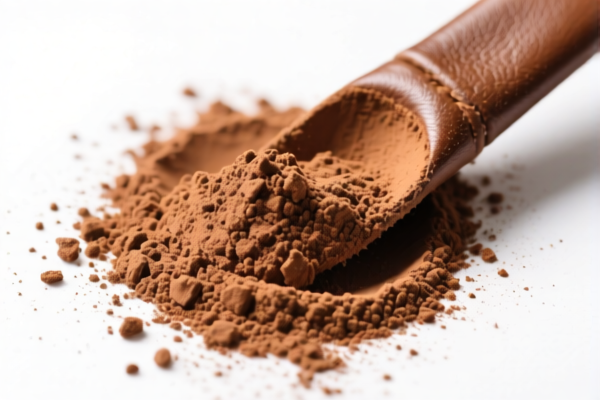
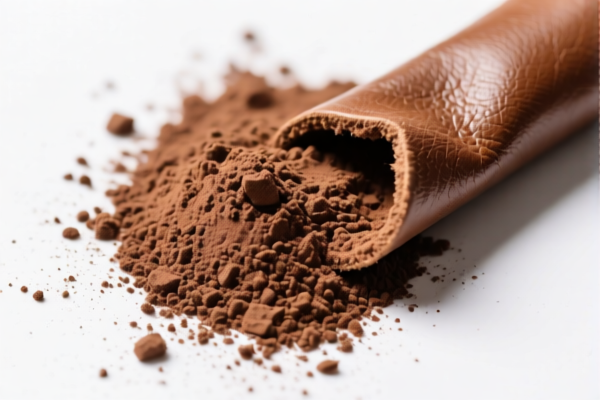
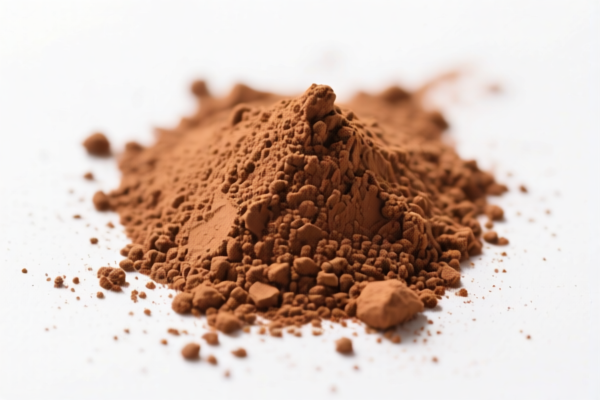
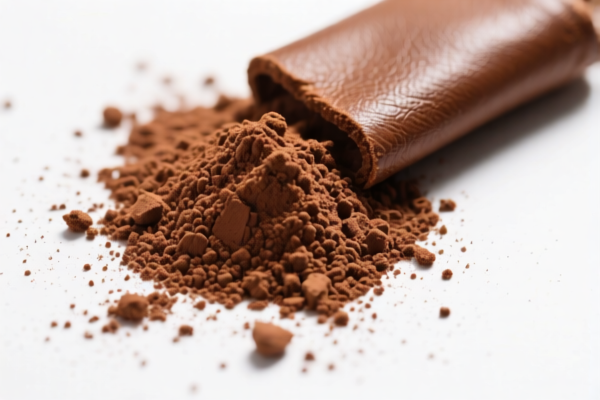
AI Analysis
🧼 Leather Wax: The Ultimate HS Code & Tariff Breakdown (2026 Edition)
🌐 HS Code Reference & Customs Clearance Guide | 2026 Latest Tariff Analysis | Professional Clearance Strategy
📌 I. Product Definition & Classification: What Exactly is "Leather Wax"?
Leather Wax is not a single, unified commodity. In international trade, its classification depends entirely on its chemical composition and physical form. Is it a natural plant/insect wax? Or is it a chemically modified, industrial-grade polishing cream?
This distinction is critical because the HS Code and corresponding tariffs can vary significantly (from 17.5% to 35.0%) based on how you define the product.
⚠️ Key Distinction Points:
- Natural/Unmodified Waxes: If the product is primarily composed of natural waxes (beeswax, carnauba, etc.) with minimal chemical modification →归入 Chapter 15.
- Prepared/Cosmetic/Cleaning Waxes: If the product is a chemically prepared paste, cream, or polish specifically for cleaning/protecting leather →归入 Chapter 34.
📦 II. HS Code Classification Matrix (2026 Authoritative Mapping)
Based on the provided data, here are the four potential classifications for Leather Wax:
| HS Code | Product Description & Logic | Tariff Rate | Key Characteristic |
|---|---|---|---|
| 1521.90.40.00 | Natural Waxes (Other): Leather wax classified under plant/insect waxes. | 17.5% | Unmodified natural wax base. |
| 3404.90.51.50 | Artificial Waxes & Prepared Waxes: Chemically modified wax products. | 35.0% | High chemical content, industrial preparation. |
| 1521.90.20.00 | Wax Articles: Plant/insect wax products specifically as wax articles. | 22.3% | Slightly higher base tax than pure waxes. |
| 3405.90.00.00 | Polishing/Cleaning Preparations: Leather care creams/pastes (non-specific). | 35.0% | General-purpose leather polish/cream. |
| 3405.10.00.00 | Preparations for Cleaning Shoes/Floor: Specific leather polishes. | 35.0% | Standard consumer leather polish definition. |
🔍 Critical Note:
- The difference between 17.5% and 35.0% is massive. Misclassification can lead to underpayment of duties and subsequent penalties. - Chapter 15 (1521.) is for raw/unmodified waxes. - Chapter 34 (3404/3405.) is for prepared/cosmetic/cleaning agents.
💰 III. 2026 Tariff Rate Detailed Breakdown (USA Imports from China)
✅ Applicable Country: United States (US)
✅ Origin: China (CN)
✅ Effective Time: Post-2025 regulations (Section 301 & IEEPA)
🎯 1. 1521.90.40.00 — Natural Plant/Insect Waxes (Lowest Rate Option)
| Item | Content |
|---|---|
| Base Tariff | 0.0% |
| Section 301 Additional Tariff | +7.5% |
| IEEPA Tariff (Section 122) | +10.0% |
| Total Tax Rate | 17.5% |
| Tax Calculation | CIF Value × 17.5% |
| De Minimis Eligibility | ❌ No (High duty rate excludes small package exemption in many cases) |
| Legal Basis Path | USITC:1521.90.40.00 → Section 301: Footnote 7.5% → IEEPA:122 Section |
📌 Interpretation:
- This is the most favorable rate. It applies if the leather wax is essentially a natural wax product (e.g., beeswax-based) with minimal additives. - If your product is a simple melt-and-pour wax, argue for this classification to save 17.5% compared to Chapter 34 codes.
🎯 2. 1521.90.20.00 — Wax Articles (Mid-Range Rate)
| Item | Content |
|---|---|
| Base Tariff | 4.8% |
| Section 301 Additional Tariff | +7.5% |
| IEEPA Tariff (Section 122) | +10.0% |
| Total Tax Rate | 22.3% |
| Tax Calculation | CIF Value × 22.3% |
| De Minimis Eligibility | ❌ No |
| Legal Basis Path | USITC:1521.90.20.00 → Base:4.8% → Section 301 → IEEPA |
📌 Interpretation:
- Used if the product is defined as a "wax article" rather than raw wax. The base duty of 4.8% makes this slightly more expensive than1521.90.40.00.
🎯 3. 3404.90.51.50 — Artificial & Prepared Waxes (High Rate)
| Item | Content |
|---|---|
| Base Tariff | 0.0% |
| Section 301 Additional Tariff | +25.0% |
| IEEPA Tariff (Section 122) | +10.0% |
| Total Tax Rate | 35.0% |
| Tax Calculation | CIF Value × 35.0% |
| De Minimis Eligibility | ❌ No |
| Legal Basis Path | USITC:3404.90.51.50 → Section 301: Footnote 25% → IEEPA |
📌 Interpretation:
- Applies to chemically modified waxes. If your leather wax contains significant synthetic additives, emulsifiers, or solvents, it may fall here. - Warning: This is a high-cost classification.
🎯 4. 3405.90.00.00 & 3405.10.00.00 — Leather Polishes/Creams (High Rate)
| Item | Content |
|---|---|
| Base Tariff | 0.0% |
| Section 301 Additional Tariff | +25.0% |
| IEEPA Tariff (Section 122) | +10.0% |
| Total Tax Rate | 35.0% |
| Tax Calculation | CIF Value × 35.0% |
| De Minimis Eligibility | ❌ No |
| Legal Basis Path | USITC:3405.10.00.00 / 3405.90.00.00 → Section 301 → IEEPA |
📌 Interpretation:
- If the product is marketed as a "leather cleaner," "polish," or "cream" (especially in tube/tin packaging), customs often default to Chapter 34. - Even if it contains wax, the primary function (cleaning/polishing) pushes it to 35%.
🛠️ IV. Customs Clearance Practical Advice (Action Plan)
✅ 1. Documentation Checklist (Must-Have)
| Document | Required? | Description |
|---|---|---|
| ✅ Product Formula/Composition | ✔️ Critical | Must list % of natural wax vs. synthetic additives. Proves eligibility for 1521.*. |
| ✅ Product Specification Sheet | ✔️ | Physical form (solid bar, paste, cream), color, odor, melting point. |
| ✅ Usage Instructions | ✔️ | "Apply to leather for protection/shine." Avoid words like "chemical cleaner" if aiming for Ch 15. |
| ✅ HS Code Pre-Ruling Request | ✔️ Highly Recommended | Submit to US Customs before shipment to lock in the 17.5% rate if applicable. |
| ✅ Commercial Invoice | ✔️ | Clearly state "Natural Wax Based Leather Polish" vs. "Chemical Leather Polish." |
| ✅ Certificate of Origin | ✔️ | To verify China origin and apply correct Section 301 rates. |
✅ 2. Classification Strategy (How to Lower Tariffs)
| Strategy | Action | Outcome |
|---|---|---|
| Argument for Ch 15 | Emphasize natural ingredients (beeswax, carnauba). Minimize mention of solvents/emulsifiers. | Reduces Tax from 35% → 17.5% |
| Argument for Ch 34 | Product is a complex emulsion, paste, or cream. | Higher tax, but safer if Ch 15 argument fails. |
| Avoid "Cleaning" Claims | If marketing as "Wax" not "Cleaner," it’s easier to argue for Ch 15. | Prevents automatic Ch 34 classification. |
✅ 3. Common Pitfalls to Avoid
❌ Pitfall 1: Declaring a chemically complex polish as "Beeswax"
👉 Result: Customs audit → Re-classification to 35% + Penalties.
✅ Fix: Be honest. If it’s 80% synthetic, declare as 3404/3405.
❌ Pitfall 2: Ignoring Section 122 (IEEPA) Tariff
👉 Result: Underpayment of the 10% IEEPA surcharge.
✅ Fix: Always add 10% IEEPA to all China-origin goods unless exempted.
❌ Pitfall 3: Mixing "Wax" and "Polish" in one shipment
👉 Result: Confusion, delays, potential splitting of duties.
✅ Fix: Ship homogeneous products. If mixing, declare separately.
🌍 V. Global Market Comparison (2026 Outlook)
| Market | Likely HS Code | Tariff Estimate | Note |
|---|---|---|---|
| 🇺🇸 USA | 1521.90.40.00 or 3405.10.00.00 |
17.5% – 35.0% | Section 301 & IEEPA apply. Aggressive auditing on Ch 15 vs 34. |
| 🇨🇳 China | 1521.90.40.00 |
~5-10% | Lower base duties. No Section 301. |
| 🇪🇺 EU | 1521.90.90 or 3405.10 |
~6.5% | No additional punitive tariffs. Focus on REACH compliance. |
| 🇬🇧 UK | 1521.90.90 |
~6.5% | Post-Brexit rules similar to EU. |
📌 Conclusion:
- The USA is the highest-cost market due to trade war tariffs.
- Optimizing the HS Code from 35% to 17.5% can double your profit margin.
- Pre-Ruling is non-negotiable for high-volume imports.
📌 VI. FAQ: Common Questions
Q1: Can I declare all leather wax as 1521.90.40.00 to save money?
A: No. Only if the product is primarily natural wax with minimal chemical processing. If it’s a complex polish/emulsion, customs will re-classify it, leading to penalties.
Q2: What is the "122 Tariff"?
A: This refers to the IEEPA (International Emergency Economic Powers Act) tariffs, an additional 10% imposed on certain Chinese imports under Section 122 regulations. It applies on top of the base and Section 301 tariffs.
Q3: Does packaging affect HS Code?
A: Indirectly. Bulk drums might be seen as raw material (Ch 15), while consumer tins/tubes are seen as finished preparations (Ch 34). Describe the primary function, not just the package.
🎯 VII. Conclusion: Professional Clearance, Cost Efficiency!
🎯 Key Takeaway:
🔹 "Wax vs. Polish: Define Your Chemical Truth!"
🔹 "Chapter 15 saves 17.5%. Chapter 34 costs 35%."
🔹 "Never ignore IEEPA 10%. It’s mandatory for China origins."
📌 Pro Tip:
If you have a new leather wax formula, submit a Binding Tariff Information (BTI) or US Customs Ruling Request before your first container ships. A $500 ruling fee can save you thousands in misclassified duties.
📣 Immediate Action:
📞 Contact a licensed customs broker.
📄 Prepare a detailed ingredient list.
🚀 Apply for an HS Code Pre-Ruling.
💼 Protect your margin with precise classification!
✨ Clearance Accuracy = Profitability
💼 Don’t let a 17.5% tariff difference eat your profits!
Customer Reviews
About HS Code Classification
The Harmonized System (HS) is an internationally standardized nomenclature developed by the World Customs Organization (WCO) to classify traded products. Over 200 countries use the HS system as the basis for customs tariffs, trade statistics, and import/export regulations.
Each HS code follows a hierarchical structure:
- Chapter (2 digits) — Broad category of goods (e.g., Chapter 84: Machinery and Mechanical Appliances)
- Heading (4 digits) — More specific grouping within the chapter
- Subheading (6 digits) — Internationally standardized breakdown, used by all WCO member countries
- National subdivisions (8-10 digits) — Country-specific extensions for further classification, such as US HTSUS 10-digit codes
Correct HS code classification is essential for smooth customs clearance, accurate duty payment, and compliance with trade regulations. Misclassification can lead to customs delays, overpayment of duties, or penalties.
When importing from CN to US, the applicable tariff rates may include:
- Most-Favored-Nation (MFN) rate — The standard duty rate applied to WTO members
- General rate — Applied to countries without trade agreements
- Trade remedy duties — Additional tariffs such as Section 301 (anti-dumping), Section 232 (national security), or countervailing duties
The information provided on this page is for reference purposes only. For official classification, please consult with your local customs authority or a licensed customs broker.