Leather or Faux Leather Garments
CN → US| HS编码 | 关税税率 | 原产国 | 目的国 | 文档 |
|---|---|---|---|---|
| 4203104095 | 41.0% | CN | US | 官方文档 |
| 4203104085 | 41.0% | CN | US | 官方文档 |
| 6113009086 | 24.6% | CN | US | 官方文档 |
商品图片
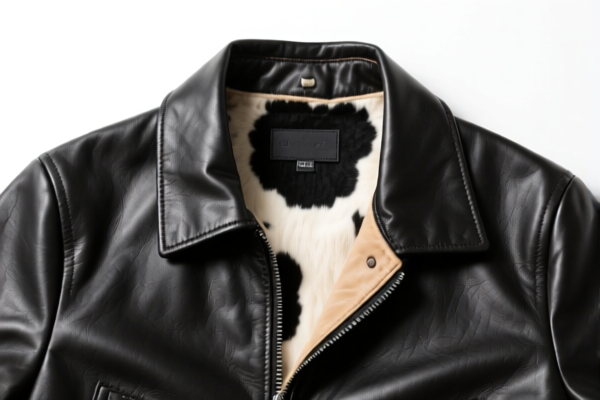
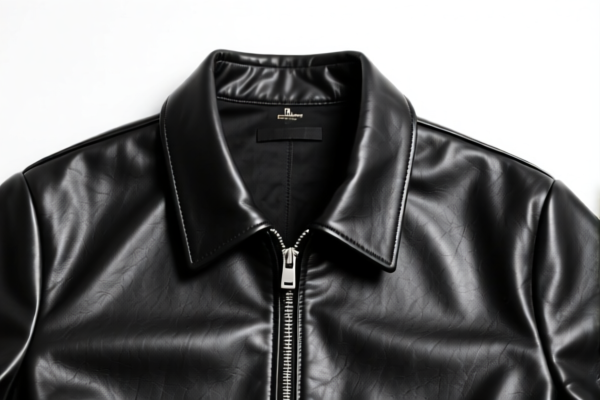
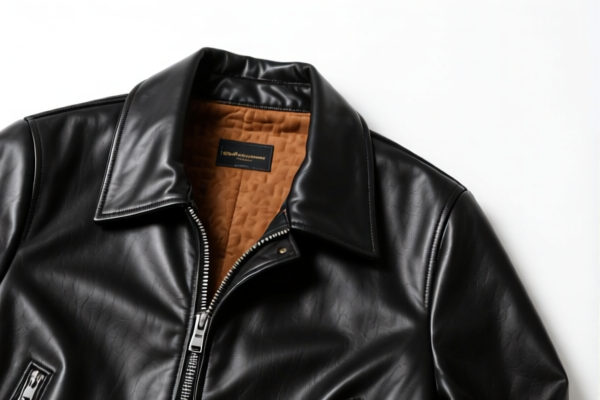
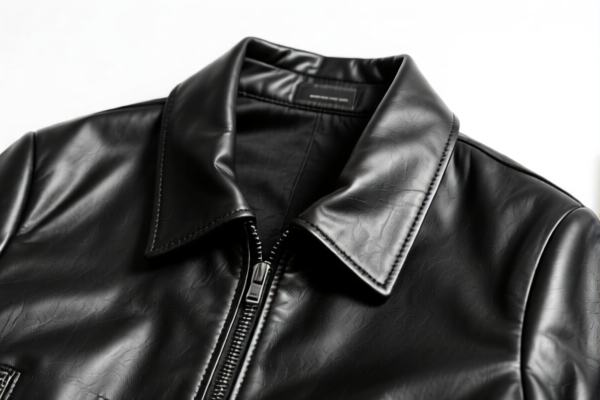
AI分析
🧥 Leather & Faux Leather Garments: HS Code Classification & Tariff Breakdown (2026 Update)
🌐 HS Code Reference & Customs Clearance Guide | Latest 2026 Tariff Analysis | Professional Clearance Strategy
📌 I. Product Definition & Classification: Do You Really Understand "Leather Garments"?
Leather and faux leather garments are critical apparel items in global trade, covering a wide range of outerwear, jackets, suits, and accessories. In international trade, they are strictly divided based on material composition (genuine leather vs. synthetic/faux leather) and manufacturing method (woven/knitted vs. assembled from cut pieces).
Genuine Leather Garments: Made from real animal hide (cow, sheep, goat, etc.), processed into finished clothing items. Synthetic/Faux Leather Garments: Made from polyurethane (PU), polyvinyl chloride (PVC), or other synthetic materials mimicking leather texture and appearance.
⚠️ Key Distinction Point:
- If the garment is made from genuine leather pieces assembled → Classified under 4203.10.40.85
- If the garment is made from synthetic/faux leather pieces assembled → Classified under 4203.10.40.95
- If the garment is knitted or crocheted using leather-based fabrics (non-woven/leather-like knit) → Classified under 6113.00.90.86
📦 II. HS Code Classification Details (2026 Latest Tariff Authority Cross-Reference)
| HS Code | Product Description | Applicable Scenario | Material Type |
|---|---|---|---|
4203.10.40.85 |
Garments of genuine leather | Jackets, coats, suits made from real leather | ✅ Genuine Leather |
4203.10.40.95 |
Garments of synthetic leather | Jackets, coats made from PU/PVC faux leather | ✅ Faux/Synthetic Leather |
6113.00.90.86 |
Other knitted/crocheted garments, non-cotton | Leather-like knitted fabrics, specialized apparel | ✅ Knitted Leather/Faux Leather |
🔍 Key Reminder:
- All assembled leather garments (jackets, coats) must be classified under 4203.10.40.85 (genuine) or 4203.10.40.95 (synthetic), not under textile chapters; - If the product is a knitted leather fabric garment, it falls under 6113.00.90.86, which has a lower total tax burden.
💰 III. 2026 Latest Tariff Rate Breakdown (Including Additional Taxes & Policy Surcharges)
✅ Applicable Country: United States (US)
✅ Origin: China (CN)
✅ Effective Date: Ongoing under current trade policies (Section 301 & IEEPA)
🎯 1. 4203.10.40.85 —— Genuine Leather Garments
| Item | Content |
|---|---|
| Base Rate | 6.0% |
| Section 301 Additional Tariff | +25.0% |
| IEEPA Tariff (122 Clause) | +10.0% |
| Total Effective Rate | 41.0% |
| Tax Calculation | CIF Value × 41.0% |
| De Minimis Exemption Available? | ❌ No (High-value apparel excluded) |
| Legal Basis Path | IEEPA:9903.01.25 → USITC:4203.10.40.85 → FOOTNOTE:301 Apparel |
📌 Explanation:
- "Base Tariff 6.0%" is the standard MFN rate for leather garments; - "Section 301 Additional Tariff 25%" is imposed under U.S. Trade Law Section 301 against Chinese imports; - "IEEPA 10%" is an additional surcharge under the International Emergency Economic Powers Act targeting specific Chinese goods; - Total 41% is a very high tariff rate, requiring advance planning!
🎯 2. 4203.10.40.95 —— Synthetic (Faux) Leather Garments
| Item | Content |
|---|---|
| Base Rate | 6.0% |
| Section 301 Additional Tariff | +25.0% |
| IEEPA Tariff (122 Clause) | +10.0% |
| Total Effective Rate | 41.0% |
| Tax Calculation | CIF Value × 41.0% |
| De Minimis Exemption Available? | ❌ No |
| Legal Basis Path | IEEPA:9903.01.25 → USITC:4203.10.40.95 → FOOTNOTE:301 Apparel |
📌 Note:
- Same rate as genuine leather garments; - Whether PU, PVC, or microfiber faux leather, if assembled as garments, 41% applies; - No distinction between material types for tariff purposes in this category.
🎯 3. 6113.00.90.86 —— Knitted/Crocheted Leather-like Garments
| Item | Content |
|---|---|
| Base Rate | 7.1% |
| Section 301 Additional Tariff | +7.5% |
| IEEPA Tariff (122 Clause) | +10.0% |
| Total Effective Rate | 24.6% |
| Tax Calculation | CIF Value × 24.6% |
| De Minimis Exemption Available? | ❌ No (Apparel generally excluded) |
| Legal Basis Path | IEEPA:9901.25 → USITC:6113.00.90.86 → FOOTNOTE:301 Textiles |
📌 Important:
- Significantly lower total rate (24.6%) compared to assembled leather garments (41.0%); - Applies only to knitted or crocheted garments using leather-based fabrics; - Common in sportswear, fashion apparel using leather-print knitted fabrics; - Strategic advantage: If product allows, consider knitted leather fabrics to reduce tax burden.
🛠️ IV. Customs Clearance Practical Advice (Battle-Tested Pitfall Avoidance Guide)
✅ 1. Required Documentation Checklist (Missing Items = Delays)
| Document | Mandatory? | Explanation |
|---|---|---|
| ✅ Product Specification Sheet | ✔️ | Material composition (leather type, lining, lining material), size, style |
| ✅ Material Certificate | ✔️ | Proof of genuine vs. synthetic leather (chemical analysis if disputed) |
| ✅ Product Photos (Clear Label) | ✔️ | Show label, brand, model, care instructions |
| ✅ Commercial Invoice | ✔️ | Clearly state "Leather Garment" or "Faux Leather Garment" |
| ✅ Packing List | ✔️ | Detail contents, quantities, weights |
| ✅ Certificate of Origin (CO) | ✔️ | If from non-China origin, may qualify for preferential rates |
| ✅ Third-Party Test Report | ✔️ | OEKO-TEX, REACH, Prop 65 (if applicable) |
✅ 2. Declaration Tips (Key Mantra)
🔥 "Material Defines Code, Knitted vs. Assembled, Name Precise, Tax Saves!"
| Scenario | Correct Declaration | Wrong Practice |
|---|---|---|
| Genuine leather jacket (assembled) | 4203.10.40.85 |
Misdeclare as textile → 41% |
| Faux leather coat (assembled) | 4203.10.40.95 |
Misdeclare as knit → 24.6% |
| Knitted leather-print top | 6113.00.90.86 |
Misdeclare as woven leather → 41% |
| Leather pants (knitted) | 6113.00.90.86 |
Misdeclare as woven → 41% |
✅ 3. Special Case Handling
| Scenario | Handling Advice |
|---|---|
| OEM Custom Leather Garments | Provide client order + design drawings to avoid "non-standard" classification |
| Garments with Mixed Materials | Declare main material (leather/fabric ratio), ensure accuracy to avoid reclassification |
| Knitted Leather Garments | Provide fabric composition report to prove knitted structure, not assembled leather |
| Used/Vintage Leather Garments | May require additional sanitation certificates, subject to stricter inspection |
🌍 V. Global Market Clearance Comparison (2026 Latest)
| Country/Region | Recommended HS Code | Tariff (China Origin) | Certification Requirements | Notes |
|---|---|---|---|---|
| 🇺🇸 USA | 4203.10.40.85/95 |
41.0% (Assembled) | OEKO-TEX, Prop 65 | High tariff due to Section 301 |
| 🇨🇳 China | 4203.10.40.85 |
6.0% | CCC (if applicable) | No additional surcharges |
| 🇪🇺 EU | 4203.10.10 |
0-12% | REACH, CE | Lower tariffs if non-China origin |
| 🇬🇧 UK | 4203.10.10 |
0-12% | UKCA | Post-Brexit rules apply |
| 🇦🇺 Australia | 4203.10.10 |
5% | ACCC | No major surcharges |
📌 Conclusion:
- USA imposes the highest tariff (41%) on Chinese leather garments; - Knitted leather garments (6113.00.90.86) offer a 16.4% tax saving in the US market; - Consider supply chain diversification (Vietnam, Bangladesh, Turkey) to avoid Section 301 tariffs if feasible.
📌 VI. Common Mistakes & Pitfall Avoidance (Lessons Learned)
❌ Mistake 1: Declaring knitted leather garments as assembled leather garments
👉 Consequence: Tax jumps from 24.6% to 41.0% → Loss of competitiveness!
❌ Mistake 2: Declaring faux leather as genuine leather
👉 Consequence: Same rate, but legal risk if discovered → Fines + Reputational Damage
❌ Mistake 3: Not providing material certificates
👉 Consequence: Customs cannot verify material → Hold for testing + Delays
❌ Mistake 4: Using vague terms like "Leather-like Jacket" without specifying knitted vs. assembled
👉 Consequence: Customs may classify as worst-case (41%) → Unnecessary Cost
✅ Correct Practice:
"Knitted Faux Leather Jacket, 100% PU Knitted Fabric, Lining 100% Polyester, Model XYZ, OEKO-TEX Certified"
🎯 VII. Conclusion: Precise Classification, Cost Savings, Risk Reduction
🎯 Remember the Mantra:
🔹 "Knitted vs. Assembled, Code Determines Cost, 24.6% vs 41.0%, Don't Guess, Verify!"
🔹 "HS Code is Life, Tax Difference is Profit, Accurate Declaration is Key!"
📌 Pro Tip:
- If your leather garments are knitted, always use 6113.00.90.86 for significant tax savings in the US;
- Apply for Advance Ruling if product classification is ambiguous;
- Maintain Material Certificates for all shipments to avoid disputes.
📣 Immediate Action Required:
📞 Consult Professional Customs Broker + Provide Product Samples + Apply for HS Code Advance Ruling
🚀 Ensure Smooth Clearance, Maximize Profit, Minimize Risk!
✨ Professional Clearance Starts with Precise Classification!
💼 Every Cent Saved is Profit Earned!
用户评价
关于 HS 编码归类
协调制度(HS)是由世界海关组织(WCO)制定的国际贸易商品分类标准。全球 200 多个国家采用 HS 系统作为海关关税、贸易统计和进出口监管的基础。
每个 HS 编码遵循以下层级结构:
- 章(2 位)——商品大类(例如:第 84 章:机器和机械设备)
- 品目(4 位)——章内的更具体分类
- 子目(6 位)——国际通用细分,所有 WCO 成员国统一使用
- 本国细分(8-10 位)——各国自行扩展的细分编码,如美国 HTSUS 10 位编码
正确的 HS 编码归类对于顺利通关、准确缴纳关税和遵守贸易法规至关重要。错误归类可能导致海关延误、多缴关税或罚款。
从CN进口到US时,适用的关税税率可能包括:
- 最惠国(MFN)税率——适用于 WTO 成员国的标准关税税率
- 普通税率——适用于无贸易协定国家
- 贸易救济关税——附加关税,如 301 条款(反倾销)、232 条款(国家安全)或反补贴税
本页内容仅供参考。如需正式归类,请咨询当地海关或持牌报关代理。