Leather or Faux Leather Garments
CN → US| HS Code | Tariff Rate | Origin | Destination | Doc |
|---|---|---|---|---|
| 4203104095 | 41.0% | CN | US | Official Doc |
| 4203104085 | 41.0% | CN | US | Official Doc |
| 6113009086 | 24.6% | CN | US | Official Doc |
Product Images
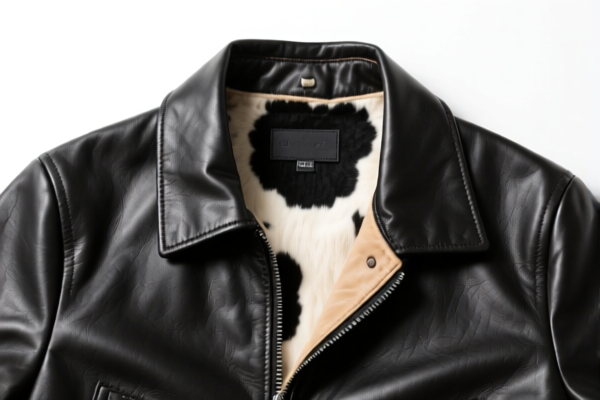
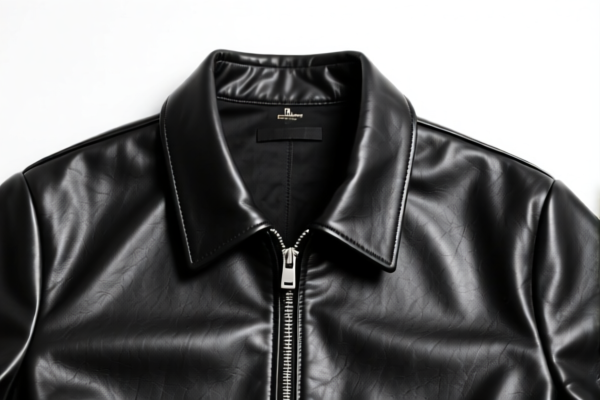
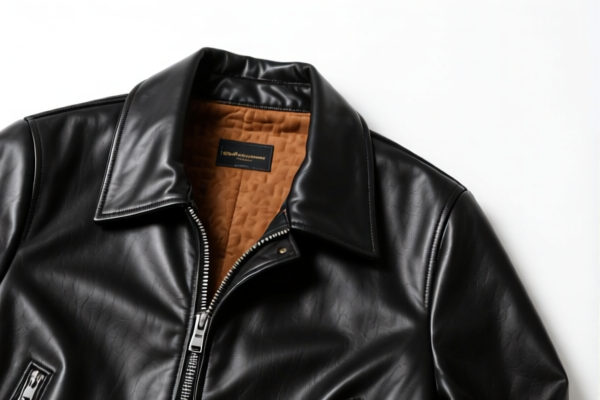
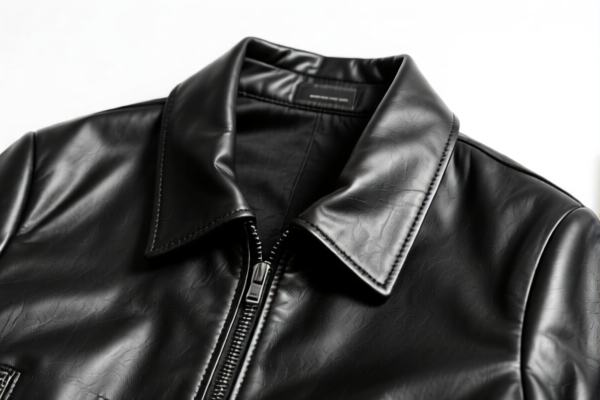
AI Analysis
🧥 Leather & Faux Leather Garments: HS Code Classification & Tariff Breakdown (2026 Update)
🌐 HS Code Reference & Customs Clearance Guide | Latest 2026 Tariff Analysis | Professional Clearance Strategy
📌 I. Product Definition & Classification: Do You Really Understand "Leather Garments"?
Leather and faux leather garments are critical apparel items in global trade, covering a wide range of outerwear, jackets, suits, and accessories. In international trade, they are strictly divided based on material composition (genuine leather vs. synthetic/faux leather) and manufacturing method (woven/knitted vs. assembled from cut pieces).
Genuine Leather Garments: Made from real animal hide (cow, sheep, goat, etc.), processed into finished clothing items. Synthetic/Faux Leather Garments: Made from polyurethane (PU), polyvinyl chloride (PVC), or other synthetic materials mimicking leather texture and appearance.
⚠️ Key Distinction Point:
- If the garment is made from genuine leather pieces assembled → Classified under 4203.10.40.85
- If the garment is made from synthetic/faux leather pieces assembled → Classified under 4203.10.40.95
- If the garment is knitted or crocheted using leather-based fabrics (non-woven/leather-like knit) → Classified under 6113.00.90.86
📦 II. HS Code Classification Details (2026 Latest Tariff Authority Cross-Reference)
| HS Code | Product Description | Applicable Scenario | Material Type |
|---|---|---|---|
4203.10.40.85 |
Garments of genuine leather | Jackets, coats, suits made from real leather | ✅ Genuine Leather |
4203.10.40.95 |
Garments of synthetic leather | Jackets, coats made from PU/PVC faux leather | ✅ Faux/Synthetic Leather |
6113.00.90.86 |
Other knitted/crocheted garments, non-cotton | Leather-like knitted fabrics, specialized apparel | ✅ Knitted Leather/Faux Leather |
🔍 Key Reminder:
- All assembled leather garments (jackets, coats) must be classified under 4203.10.40.85 (genuine) or 4203.10.40.95 (synthetic), not under textile chapters; - If the product is a knitted leather fabric garment, it falls under 6113.00.90.86, which has a lower total tax burden.
💰 III. 2026 Latest Tariff Rate Breakdown (Including Additional Taxes & Policy Surcharges)
✅ Applicable Country: United States (US)
✅ Origin: China (CN)
✅ Effective Date: Ongoing under current trade policies (Section 301 & IEEPA)
🎯 1. 4203.10.40.85 —— Genuine Leather Garments
| Item | Content |
|---|---|
| Base Rate | 6.0% |
| Section 301 Additional Tariff | +25.0% |
| IEEPA Tariff (122 Clause) | +10.0% |
| Total Effective Rate | 41.0% |
| Tax Calculation | CIF Value × 41.0% |
| De Minimis Exemption Available? | ❌ No (High-value apparel excluded) |
| Legal Basis Path | IEEPA:9903.01.25 → USITC:4203.10.40.85 → FOOTNOTE:301 Apparel |
📌 Explanation:
- "Base Tariff 6.0%" is the standard MFN rate for leather garments; - "Section 301 Additional Tariff 25%" is imposed under U.S. Trade Law Section 301 against Chinese imports; - "IEEPA 10%" is an additional surcharge under the International Emergency Economic Powers Act targeting specific Chinese goods; - Total 41% is a very high tariff rate, requiring advance planning!
🎯 2. 4203.10.40.95 —— Synthetic (Faux) Leather Garments
| Item | Content |
|---|---|
| Base Rate | 6.0% |
| Section 301 Additional Tariff | +25.0% |
| IEEPA Tariff (122 Clause) | +10.0% |
| Total Effective Rate | 41.0% |
| Tax Calculation | CIF Value × 41.0% |
| De Minimis Exemption Available? | ❌ No |
| Legal Basis Path | IEEPA:9903.01.25 → USITC:4203.10.40.95 → FOOTNOTE:301 Apparel |
📌 Note:
- Same rate as genuine leather garments; - Whether PU, PVC, or microfiber faux leather, if assembled as garments, 41% applies; - No distinction between material types for tariff purposes in this category.
🎯 3. 6113.00.90.86 —— Knitted/Crocheted Leather-like Garments
| Item | Content |
|---|---|
| Base Rate | 7.1% |
| Section 301 Additional Tariff | +7.5% |
| IEEPA Tariff (122 Clause) | +10.0% |
| Total Effective Rate | 24.6% |
| Tax Calculation | CIF Value × 24.6% |
| De Minimis Exemption Available? | ❌ No (Apparel generally excluded) |
| Legal Basis Path | IEEPA:9901.25 → USITC:6113.00.90.86 → FOOTNOTE:301 Textiles |
📌 Important:
- Significantly lower total rate (24.6%) compared to assembled leather garments (41.0%); - Applies only to knitted or crocheted garments using leather-based fabrics; - Common in sportswear, fashion apparel using leather-print knitted fabrics; - Strategic advantage: If product allows, consider knitted leather fabrics to reduce tax burden.
🛠️ IV. Customs Clearance Practical Advice (Battle-Tested Pitfall Avoidance Guide)
✅ 1. Required Documentation Checklist (Missing Items = Delays)
| Document | Mandatory? | Explanation |
|---|---|---|
| ✅ Product Specification Sheet | ✔️ | Material composition (leather type, lining, lining material), size, style |
| ✅ Material Certificate | ✔️ | Proof of genuine vs. synthetic leather (chemical analysis if disputed) |
| ✅ Product Photos (Clear Label) | ✔️ | Show label, brand, model, care instructions |
| ✅ Commercial Invoice | ✔️ | Clearly state "Leather Garment" or "Faux Leather Garment" |
| ✅ Packing List | ✔️ | Detail contents, quantities, weights |
| ✅ Certificate of Origin (CO) | ✔️ | If from non-China origin, may qualify for preferential rates |
| ✅ Third-Party Test Report | ✔️ | OEKO-TEX, REACH, Prop 65 (if applicable) |
✅ 2. Declaration Tips (Key Mantra)
🔥 "Material Defines Code, Knitted vs. Assembled, Name Precise, Tax Saves!"
| Scenario | Correct Declaration | Wrong Practice |
|---|---|---|
| Genuine leather jacket (assembled) | 4203.10.40.85 |
Misdeclare as textile → 41% |
| Faux leather coat (assembled) | 4203.10.40.95 |
Misdeclare as knit → 24.6% |
| Knitted leather-print top | 6113.00.90.86 |
Misdeclare as woven leather → 41% |
| Leather pants (knitted) | 6113.00.90.86 |
Misdeclare as woven → 41% |
✅ 3. Special Case Handling
| Scenario | Handling Advice |
|---|---|
| OEM Custom Leather Garments | Provide client order + design drawings to avoid "non-standard" classification |
| Garments with Mixed Materials | Declare main material (leather/fabric ratio), ensure accuracy to avoid reclassification |
| Knitted Leather Garments | Provide fabric composition report to prove knitted structure, not assembled leather |
| Used/Vintage Leather Garments | May require additional sanitation certificates, subject to stricter inspection |
🌍 V. Global Market Clearance Comparison (2026 Latest)
| Country/Region | Recommended HS Code | Tariff (China Origin) | Certification Requirements | Notes |
|---|---|---|---|---|
| 🇺🇸 USA | 4203.10.40.85/95 |
41.0% (Assembled) | OEKO-TEX, Prop 65 | High tariff due to Section 301 |
| 🇨🇳 China | 4203.10.40.85 |
6.0% | CCC (if applicable) | No additional surcharges |
| 🇪🇺 EU | 4203.10.10 |
0-12% | REACH, CE | Lower tariffs if non-China origin |
| 🇬🇧 UK | 4203.10.10 |
0-12% | UKCA | Post-Brexit rules apply |
| 🇦🇺 Australia | 4203.10.10 |
5% | ACCC | No major surcharges |
📌 Conclusion:
- USA imposes the highest tariff (41%) on Chinese leather garments; - Knitted leather garments (6113.00.90.86) offer a 16.4% tax saving in the US market; - Consider supply chain diversification (Vietnam, Bangladesh, Turkey) to avoid Section 301 tariffs if feasible.
📌 VI. Common Mistakes & Pitfall Avoidance (Lessons Learned)
❌ Mistake 1: Declaring knitted leather garments as assembled leather garments
👉 Consequence: Tax jumps from 24.6% to 41.0% → Loss of competitiveness!
❌ Mistake 2: Declaring faux leather as genuine leather
👉 Consequence: Same rate, but legal risk if discovered → Fines + Reputational Damage
❌ Mistake 3: Not providing material certificates
👉 Consequence: Customs cannot verify material → Hold for testing + Delays
❌ Mistake 4: Using vague terms like "Leather-like Jacket" without specifying knitted vs. assembled
👉 Consequence: Customs may classify as worst-case (41%) → Unnecessary Cost
✅ Correct Practice:
"Knitted Faux Leather Jacket, 100% PU Knitted Fabric, Lining 100% Polyester, Model XYZ, OEKO-TEX Certified"
🎯 VII. Conclusion: Precise Classification, Cost Savings, Risk Reduction
🎯 Remember the Mantra:
🔹 "Knitted vs. Assembled, Code Determines Cost, 24.6% vs 41.0%, Don't Guess, Verify!"
🔹 "HS Code is Life, Tax Difference is Profit, Accurate Declaration is Key!"
📌 Pro Tip:
- If your leather garments are knitted, always use 6113.00.90.86 for significant tax savings in the US;
- Apply for Advance Ruling if product classification is ambiguous;
- Maintain Material Certificates for all shipments to avoid disputes.
📣 Immediate Action Required:
📞 Consult Professional Customs Broker + Provide Product Samples + Apply for HS Code Advance Ruling
🚀 Ensure Smooth Clearance, Maximize Profit, Minimize Risk!
✨ Professional Clearance Starts with Precise Classification!
💼 Every Cent Saved is Profit Earned!
Customer Reviews
About HS Code Classification
The Harmonized System (HS) is an internationally standardized nomenclature developed by the World Customs Organization (WCO) to classify traded products. Over 200 countries use the HS system as the basis for customs tariffs, trade statistics, and import/export regulations.
Each HS code follows a hierarchical structure:
- Chapter (2 digits) — Broad category of goods (e.g., Chapter 84: Machinery and Mechanical Appliances)
- Heading (4 digits) — More specific grouping within the chapter
- Subheading (6 digits) — Internationally standardized breakdown, used by all WCO member countries
- National subdivisions (8-10 digits) — Country-specific extensions for further classification, such as US HTSUS 10-digit codes
Correct HS code classification is essential for smooth customs clearance, accurate duty payment, and compliance with trade regulations. Misclassification can lead to customs delays, overpayment of duties, or penalties.
When importing from CN to US, the applicable tariff rates may include:
- Most-Favored-Nation (MFN) rate — The standard duty rate applied to WTO members
- General rate — Applied to countries without trade agreements
- Trade remedy duties — Additional tariffs such as Section 301 (anti-dumping), Section 232 (national security), or countervailing duties
The information provided on this page is for reference purposes only. For official classification, please consult with your local customs authority or a licensed customs broker.