Lightweight Cotton Handbag
CN → US| HS编码 | 关税税率 | 原产国 | 目的国 | 文档 |
|---|---|---|---|---|
| 6305200000 | 23.7% | CN | US | 官方文档 |
| 4202224020 | 42.4% | CN | US | 官方文档 |
| 6305900000 | 23.7% | CN | US | 官方文档 |
| 4202228930 | 52.6% | CN | US | 官方文档 |
| 4202920805 | 42.0% | CN | US | 官方文档 |
商品图片
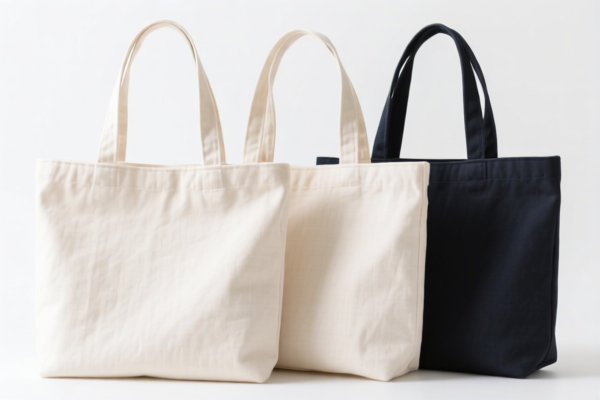
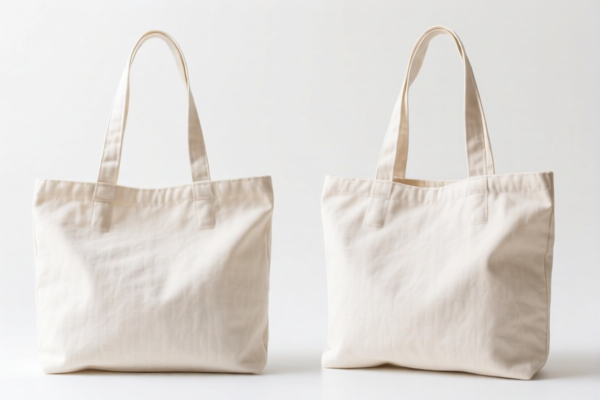
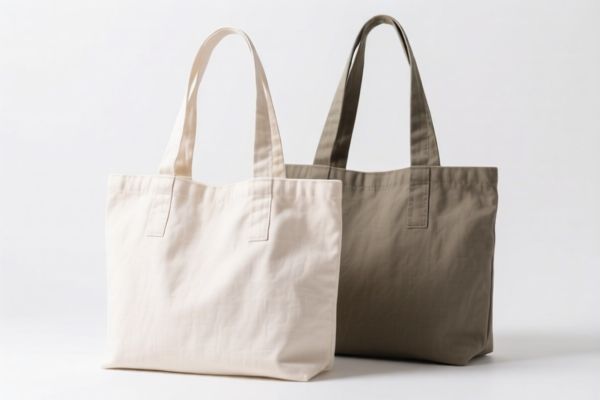
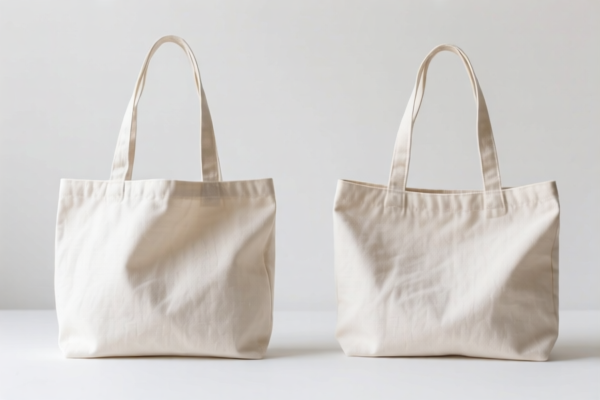
AI分析
👜 Lightweight Cotton Handbag (Pure Cotton Tote & Bag)
🌐 HS Code Reference & Customs Clearance Guide | 2026 Latest Tariff Analysis | Professional Clearance Strategy
📌 I. Product Definition & Classification: Do You Really Understand "Cotton Handbags"?
Lightweight cotton handbags, including totes, shopping bags, and daily carry-alls, are essential fashion accessories and functional items. In international trade, they are primarily classified based on material composition and specific sub-category definitions within the Harmonized System (HS).
Textile Bags (Chapter 63): Bags made of textile materials, not specifically designed as "handbags" with outer surfaces of leather/plastic sheeting, often categorized under "sacks and bags" for packaging or generic use. Handbags & Similar Containers (Chapter 42): Bags with an outer surface of textile materials (other than leather/plastic sheeting), specifically designed as handbags, shopping bags, or tote bags.
⚠️ Key Distinction Point:
- If the item is described as a generic "bag" or "sack" made of cotton, it may fall under Chapter 63.
- If the item is explicitly a "handbag," "tote," or "purse" with an outer textile surface, it typically falls under Chapter 42.
- Misclassification Risk: Classifying a fashion handbag as a generic textile bag can lead to significant tariff differences due to US trade policy additions.
📦 II. HS Code Classification Details (2026 Latest Tariff Authority对照)
| HS Code | Product Description | Application Scenario | Total Tax Rate | Tax Breakdown (CN Origin to US) |
|---|---|---|---|---|
6305.20.00.00 |
Cotton sacks and bags | Generic cotton bags, shopping sacks, bulk packaging | 23.7% | Base: 6.2%, Sec 301: 7.5%, Section 122: 10% |
4202.22.40.20 |
Handbags with outer surface of textile materials (cotton) | Fashion cotton handbags, structured totes | 42.4% | Base: 7.4%, Sec 301: 25.0%, Section 122: 10% |
6305.90.00.00 |
Other textile bags | Mixed textile bags, non-cotton specific sub-categories | 23.7% | Base: 6.2%, Sec 301: 7.5%, Section 122: 10% |
4202.22.89.30 |
Handbags with outer surface of textile materials (pure cotton) | Specific pure cotton handbags, high-fashion items | 52.6% | Base: 17.6%, Sec 301: 25.0%, Section 122: 10% |
4202.92.08.05 |
Cotton休闲托特包 (Cotton Casual Tote Bags) | Casual cotton totes, leisure wear bags | 42.0% | Base: 7.0%, Sec 301: 25.0%, Section 122: 10% |
🔍 Key Reminder:
- Chapter 42 codes (4202.xx) generally carry higher tariffs (42%-52.6%) due to the "Handbag" classification attracting full Section 301 duties (25%).
- Chapter 63 codes (6305.xx) offer lower tariffs (23.7%) but require the product to be classified strictly as a "sack/bag" rather than a "handbag."
- Section 122 (10%) is consistently applied across all categories for this product type, significantly impacting the total cost.
💰 III. 2026 Latest Tariff Rate Details (Including Additional Duties & Policy Add-ons)
✅ Applicable Country: United States (US)
✅ Country of Origin: China (CN)
✅ Effective Time: Current trade policies (Section 301 & Section 122)
🎯 1. 6305.20.00.00 & 6305.90.00.00 —— Textile Sacks and Bags (Low Tariff Strategy)
| Item | Content |
|---|---|
| Base Tariff | 6.2% (Ad valorem) |
| USITC Supplementary Duty (Sec 301) | +7.5% |
| Section 122 Duty | +10% |
| Total Rate | 23.7% |
| Tax Calculation | CIF Value × 23.7% |
| De Minimis Eligibility | ❌ No (Deny De Minimis) |
| Legal Basis Path | USITC:6305.20.00.00 → FOOTNOTE:Sec301_7.5 → Section122:10 |
📌 Explanation:
- This classification treats the item as a generic "textile bag" or "sack."
- The Section 301 rate is 7.5%, significantly lower than the 25% applied to handbags.
- Crucial Note: This lower rate is ONLY applicable if the product is NOT considered a "handbag" under Chapter 42. Use this only if the product design fits the legal definition of a sack/bag (e.g., simple drawstring, unstructured shopping bag).
🎯 2. 4202.22.40.20 & 4202.92.08.05 —— Handbags (High Tariff Risk)
| Item | Content |
|---|---|
| Base Tariff | 7.4% - 17.6% (Varies by sub-category) |
| USITC Supplementary Duty (Sec 301) | +25.0% |
| Section 122 Duty | +10% |
| Total Rate | 42.4% - 52.6% |
| Tax Calculation | CIF Value × (42.4% to 52.6%) |
| De Minimis Eligibility | ❌ No (Deny De Minimis) |
| Legal Basis Path | USITC:4202.xx → FOOTNOTE:Sec301_25 → Section122:10 |
📌 Explanation:
- These codes apply to items clearly identified as handbags, purses, or tote bags.
- The Section 301 rate is the maximum 25%.
-4202.22.89.30has the highest base tariff (17.6%), leading to a total of 52.6%.
- Risk: Misclassifying a handbag as a textile sack to avoid the 25% duty is a high-risk customs violation.
🎯 3. 4202.22.89.30 & 4202.92.08.05 —— Specific Handbag Sub-Categories
| Item | Content |
|---|---|
| Base Tariff | 7.0% - 17.6% |
| USITC Supplementary Duty (Sec 301) | +25.0% |
| Section 122 Duty | +10% |
| Total Rate | 42.0% - 52.6% |
| Tax Calculation | CIF Value × Rate |
| De Minimis Eligibility | ❌ No |
📌 Note:
-4202.92.08.05(Cotton Casual Tote) has a slightly lower base (7.0%) than4202.22.89.30(17.6%), resulting in a 42.0% total vs 52.6%.
- Both are subject to the same high Section 301 and Section 122 duties.
🛠️ IV. Customs Clearance Practical Advice (Pitfall Avoidance Guide)
✅ 1. Documentation Checklist (Essential Items)
| Document | Must Provide | Description |
|---|---|---|
| ✅ Product Specifications | ✔️ | Material composition (100% Cotton), dimensions, weight, design type. |
| ✅ Product Photos | ✔️ | Clear images showing the bag's structure, handles, lining, and any branding. |
| ✅ Commercial Invoice | ✔️ | Accurate description: "Cotton Handbag" or "Textile Bag" – must match HS code intent. |
| ✅ Packing List | ✔️ | Item count, gross weight, net weight. |
| ✅ Origin Certificate | ✔️ | Proof of Origin (China) to confirm tariff applicability. |
| ✅ Labeling | ✔️ | Fiber content label (e.g., "100% Cotton") inside the bag. |
✅ 2. Declaration Strategy (Key Mantras)
🔥 "Define by Function, Not Just Material. Handbag = High Tax. Sack = Lower Tax (but risky if misdescribed)."
| Scenario | Correct Declaration | Incorrect Action |
|---|---|---|
| Fashion Tote/Handbag | 4202.22.40.20 or 4202.92.08.05 |
Misdeclare as 6305.20.00.00 → Penalty & Back Taxes! |
| Simple Shopping Sack | 6305.20.00.00 |
Declare as Handbag → Overpay Tariff |
| Mixed Material Bag | Verify outer surface material | Assume 100% Cotton if lining is different |
| Casual Canvas Tote | 4202.92.08.05 |
Use generic 6305 code |
📌 Important:
- If the bag has handles, structure, and is designed for personal carrying, it is almost certainly a Handbag (Ch 42).
- Using6305.20.00.00for a structured handbag is considered misdeclaration. CBP may reassess at the higher rate plus penalties.
✅ 3. Special Case Handling
| Scenario | Handling Advice |
|---|---|
| OEM Private Label Bags | Ensure invoices match the agreed HS code. Provide design sketches if audited. |
| Bag with Non-Cotton Trim | If outer surface is >50% cotton, 4202.22 or 6305.20 may still apply. Verify material dominance. |
| Promotional Free Bags | Still subject to duties. Declare value accurately (even if $0 invoice, use fair market value). |
| Bulk vs. Retail | Bulk packaging does not change HS code if the item itself is a handbag. |
🌍 V. Global Market Comparison (2026 Latest)
| Country/Region | Recommended HS Code | Estimated Tariff (CN Origin) | Notes |
|---|---|---|---|
| 🇺🇸 USA | 4202.22.40.20 |
42.4% | High due to Sec 301 + Sec 122. |
| 🇪🇺 EU | 4202.32.90 |
~4.5% | No Section 301 equivalent. Lower base rate. |
| 🇨🇳 China | 4202.22.40.20 |
~10-15% | Import duty on cotton bags. |
| 🇬🇧 UK | 4202.32.90 |
~6.5% | Post-Brexit tariff structure. |
📌 Conclusion:
- USA is the most expensive market for cotton handbags due to layered tariffs.
- EU and UK have much lower tariffs, making them more attractive for high-volume cotton bag exports.
📌 VI. Common Mistakes & Pitfall Guide (Lessons Learned)
❌ Mistake 1: Declaring a handbag as a "Cotton Sack" (6305.20.00.00) to save 18-28% in taxes.
👉 Consequence: CBP audit → Back taxes + Interest + Penalties. Risk of shipment detention.
❌ Mistake 2: Ignoring Section 122 (10%).
👉 Consequence: Many forget this 10% is applied on top of base and Sec 301 duties. Always calculate total tax inclusive of all layers.
❌ Mistake 3: Incorrectly identifying the "Outer Surface" material.
👉 Consequence: If the outer surface is leather (even if mostly cotton), it goes to a different chapter with different rates. Always check the primary visible material.
❌ Mistake 4: Using "Handbag" and "Tote" interchangeably in documentation without specifying sub-category.
👉 Consequence: Confusion in customs database → Delays. Be specific: "Cotton Tote Bag, Outer Surface: Textile."
✅ Correct Practice:
"Cotton Handbag, Model XYZ, Outer Surface: 100% Cotton Textile, Lining: Polyester. Intended Use: Personal Carry."
→ Declare under4202.22.40.20or4202.92.08.05based on specific design.
🎯 VII. Conclusion: Precise Classification Saves Money!
🎯 Remember the Mantra:
🔹 "Handbag = Chapter 42 = High Tax (42-52%)".
🔹 "Sack/Bulk Bag = Chapter 63 = Lower Tax (23.7%)".
🔹 "Misclassification = Audit + Penalty + Delay".
📌 Pro Tip:
If your product is a simple, unstructured cotton pouch without rigid handles or compartments, you might qualify for 6305.20.00.00 (23.7%). However, if it has any handbag characteristics (handles, structured shape, fashion design), you must use Chapter 42.
🚀 Action: Consult with a customs broker to review product photos before shipping. Request a Binding Tariff Information (BTI) or Ruling from CBP if the classification is borderline.
📣 Immediate Action:
📞 Contact a Licensed Customs Broker + Provide High-Res Photos + Verify Outer Material
🚀 Ensure Accurate HS Code Declaration to Avoid Surprise Costs!
✨ Professional Clearance Starts with Accurate Classification!
💼 Every Percentage Point of Tariff Impacts Your Bottom Line!
用户评价
关于 HS 编码归类
协调制度(HS)是由世界海关组织(WCO)制定的国际贸易商品分类标准。全球 200 多个国家采用 HS 系统作为海关关税、贸易统计和进出口监管的基础。
每个 HS 编码遵循以下层级结构:
- 章(2 位)——商品大类(例如:第 84 章:机器和机械设备)
- 品目(4 位)——章内的更具体分类
- 子目(6 位)——国际通用细分,所有 WCO 成员国统一使用
- 本国细分(8-10 位)——各国自行扩展的细分编码,如美国 HTSUS 10 位编码
正确的 HS 编码归类对于顺利通关、准确缴纳关税和遵守贸易法规至关重要。错误归类可能导致海关延误、多缴关税或罚款。
从CN进口到US时,适用的关税税率可能包括:
- 最惠国(MFN)税率——适用于 WTO 成员国的标准关税税率
- 普通税率——适用于无贸易协定国家
- 贸易救济关税——附加关税,如 301 条款(反倾销)、232 条款(国家安全)或反补贴税
本页内容仅供参考。如需正式归类,请咨询当地海关或持牌报关代理。