Lightweight Cotton Handbag
CN → US| HS Code | Tariff Rate | Origin | Destination | Doc |
|---|---|---|---|---|
| 6305200000 | 23.7% | CN | US | Official Doc |
| 4202224020 | 42.4% | CN | US | Official Doc |
| 6305900000 | 23.7% | CN | US | Official Doc |
| 4202228930 | 52.6% | CN | US | Official Doc |
| 4202920805 | 42.0% | CN | US | Official Doc |
Product Images
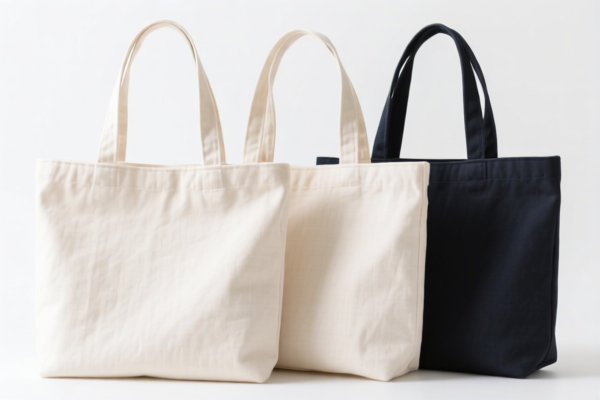
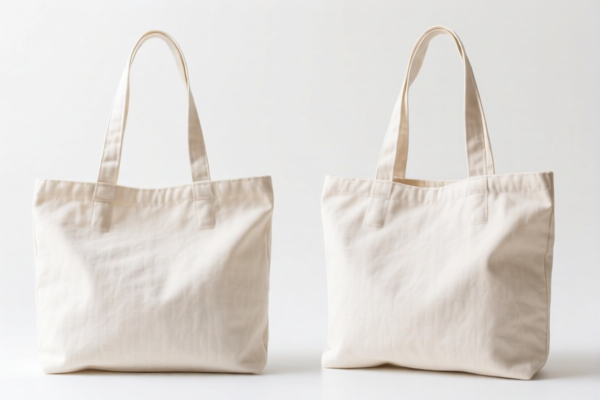
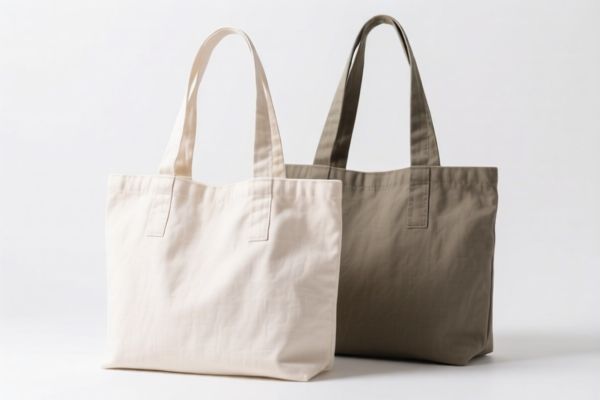
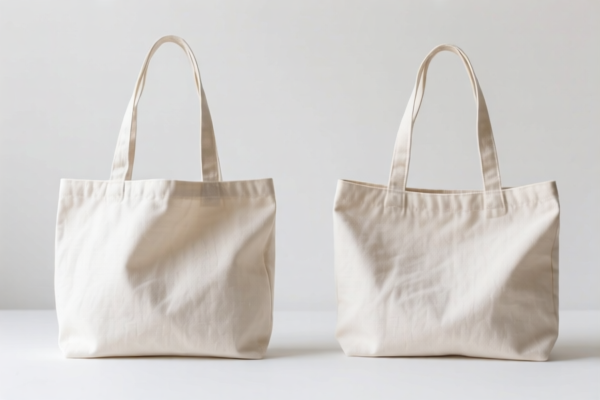
AI Analysis
👜 Lightweight Cotton Handbag (Pure Cotton Tote & Bag)
🌐 HS Code Reference & Customs Clearance Guide | 2026 Latest Tariff Analysis | Professional Clearance Strategy
📌 I. Product Definition & Classification: Do You Really Understand "Cotton Handbags"?
Lightweight cotton handbags, including totes, shopping bags, and daily carry-alls, are essential fashion accessories and functional items. In international trade, they are primarily classified based on material composition and specific sub-category definitions within the Harmonized System (HS).
Textile Bags (Chapter 63): Bags made of textile materials, not specifically designed as "handbags" with outer surfaces of leather/plastic sheeting, often categorized under "sacks and bags" for packaging or generic use. Handbags & Similar Containers (Chapter 42): Bags with an outer surface of textile materials (other than leather/plastic sheeting), specifically designed as handbags, shopping bags, or tote bags.
⚠️ Key Distinction Point:
- If the item is described as a generic "bag" or "sack" made of cotton, it may fall under Chapter 63.
- If the item is explicitly a "handbag," "tote," or "purse" with an outer textile surface, it typically falls under Chapter 42.
- Misclassification Risk: Classifying a fashion handbag as a generic textile bag can lead to significant tariff differences due to US trade policy additions.
📦 II. HS Code Classification Details (2026 Latest Tariff Authority对照)
| HS Code | Product Description | Application Scenario | Total Tax Rate | Tax Breakdown (CN Origin to US) |
|---|---|---|---|---|
6305.20.00.00 |
Cotton sacks and bags | Generic cotton bags, shopping sacks, bulk packaging | 23.7% | Base: 6.2%, Sec 301: 7.5%, Section 122: 10% |
4202.22.40.20 |
Handbags with outer surface of textile materials (cotton) | Fashion cotton handbags, structured totes | 42.4% | Base: 7.4%, Sec 301: 25.0%, Section 122: 10% |
6305.90.00.00 |
Other textile bags | Mixed textile bags, non-cotton specific sub-categories | 23.7% | Base: 6.2%, Sec 301: 7.5%, Section 122: 10% |
4202.22.89.30 |
Handbags with outer surface of textile materials (pure cotton) | Specific pure cotton handbags, high-fashion items | 52.6% | Base: 17.6%, Sec 301: 25.0%, Section 122: 10% |
4202.92.08.05 |
Cotton休闲托特包 (Cotton Casual Tote Bags) | Casual cotton totes, leisure wear bags | 42.0% | Base: 7.0%, Sec 301: 25.0%, Section 122: 10% |
🔍 Key Reminder:
- Chapter 42 codes (4202.xx) generally carry higher tariffs (42%-52.6%) due to the "Handbag" classification attracting full Section 301 duties (25%).
- Chapter 63 codes (6305.xx) offer lower tariffs (23.7%) but require the product to be classified strictly as a "sack/bag" rather than a "handbag."
- Section 122 (10%) is consistently applied across all categories for this product type, significantly impacting the total cost.
💰 III. 2026 Latest Tariff Rate Details (Including Additional Duties & Policy Add-ons)
✅ Applicable Country: United States (US)
✅ Country of Origin: China (CN)
✅ Effective Time: Current trade policies (Section 301 & Section 122)
🎯 1. 6305.20.00.00 & 6305.90.00.00 —— Textile Sacks and Bags (Low Tariff Strategy)
| Item | Content |
|---|---|
| Base Tariff | 6.2% (Ad valorem) |
| USITC Supplementary Duty (Sec 301) | +7.5% |
| Section 122 Duty | +10% |
| Total Rate | 23.7% |
| Tax Calculation | CIF Value × 23.7% |
| De Minimis Eligibility | ❌ No (Deny De Minimis) |
| Legal Basis Path | USITC:6305.20.00.00 → FOOTNOTE:Sec301_7.5 → Section122:10 |
📌 Explanation:
- This classification treats the item as a generic "textile bag" or "sack."
- The Section 301 rate is 7.5%, significantly lower than the 25% applied to handbags.
- Crucial Note: This lower rate is ONLY applicable if the product is NOT considered a "handbag" under Chapter 42. Use this only if the product design fits the legal definition of a sack/bag (e.g., simple drawstring, unstructured shopping bag).
🎯 2. 4202.22.40.20 & 4202.92.08.05 —— Handbags (High Tariff Risk)
| Item | Content |
|---|---|
| Base Tariff | 7.4% - 17.6% (Varies by sub-category) |
| USITC Supplementary Duty (Sec 301) | +25.0% |
| Section 122 Duty | +10% |
| Total Rate | 42.4% - 52.6% |
| Tax Calculation | CIF Value × (42.4% to 52.6%) |
| De Minimis Eligibility | ❌ No (Deny De Minimis) |
| Legal Basis Path | USITC:4202.xx → FOOTNOTE:Sec301_25 → Section122:10 |
📌 Explanation:
- These codes apply to items clearly identified as handbags, purses, or tote bags.
- The Section 301 rate is the maximum 25%.
-4202.22.89.30has the highest base tariff (17.6%), leading to a total of 52.6%.
- Risk: Misclassifying a handbag as a textile sack to avoid the 25% duty is a high-risk customs violation.
🎯 3. 4202.22.89.30 & 4202.92.08.05 —— Specific Handbag Sub-Categories
| Item | Content |
|---|---|
| Base Tariff | 7.0% - 17.6% |
| USITC Supplementary Duty (Sec 301) | +25.0% |
| Section 122 Duty | +10% |
| Total Rate | 42.0% - 52.6% |
| Tax Calculation | CIF Value × Rate |
| De Minimis Eligibility | ❌ No |
📌 Note:
-4202.92.08.05(Cotton Casual Tote) has a slightly lower base (7.0%) than4202.22.89.30(17.6%), resulting in a 42.0% total vs 52.6%.
- Both are subject to the same high Section 301 and Section 122 duties.
🛠️ IV. Customs Clearance Practical Advice (Pitfall Avoidance Guide)
✅ 1. Documentation Checklist (Essential Items)
| Document | Must Provide | Description |
|---|---|---|
| ✅ Product Specifications | ✔️ | Material composition (100% Cotton), dimensions, weight, design type. |
| ✅ Product Photos | ✔️ | Clear images showing the bag's structure, handles, lining, and any branding. |
| ✅ Commercial Invoice | ✔️ | Accurate description: "Cotton Handbag" or "Textile Bag" – must match HS code intent. |
| ✅ Packing List | ✔️ | Item count, gross weight, net weight. |
| ✅ Origin Certificate | ✔️ | Proof of Origin (China) to confirm tariff applicability. |
| ✅ Labeling | ✔️ | Fiber content label (e.g., "100% Cotton") inside the bag. |
✅ 2. Declaration Strategy (Key Mantras)
🔥 "Define by Function, Not Just Material. Handbag = High Tax. Sack = Lower Tax (but risky if misdescribed)."
| Scenario | Correct Declaration | Incorrect Action |
|---|---|---|
| Fashion Tote/Handbag | 4202.22.40.20 or 4202.92.08.05 |
Misdeclare as 6305.20.00.00 → Penalty & Back Taxes! |
| Simple Shopping Sack | 6305.20.00.00 |
Declare as Handbag → Overpay Tariff |
| Mixed Material Bag | Verify outer surface material | Assume 100% Cotton if lining is different |
| Casual Canvas Tote | 4202.92.08.05 |
Use generic 6305 code |
📌 Important:
- If the bag has handles, structure, and is designed for personal carrying, it is almost certainly a Handbag (Ch 42).
- Using6305.20.00.00for a structured handbag is considered misdeclaration. CBP may reassess at the higher rate plus penalties.
✅ 3. Special Case Handling
| Scenario | Handling Advice |
|---|---|
| OEM Private Label Bags | Ensure invoices match the agreed HS code. Provide design sketches if audited. |
| Bag with Non-Cotton Trim | If outer surface is >50% cotton, 4202.22 or 6305.20 may still apply. Verify material dominance. |
| Promotional Free Bags | Still subject to duties. Declare value accurately (even if $0 invoice, use fair market value). |
| Bulk vs. Retail | Bulk packaging does not change HS code if the item itself is a handbag. |
🌍 V. Global Market Comparison (2026 Latest)
| Country/Region | Recommended HS Code | Estimated Tariff (CN Origin) | Notes |
|---|---|---|---|
| 🇺🇸 USA | 4202.22.40.20 |
42.4% | High due to Sec 301 + Sec 122. |
| 🇪🇺 EU | 4202.32.90 |
~4.5% | No Section 301 equivalent. Lower base rate. |
| 🇨🇳 China | 4202.22.40.20 |
~10-15% | Import duty on cotton bags. |
| 🇬🇧 UK | 4202.32.90 |
~6.5% | Post-Brexit tariff structure. |
📌 Conclusion:
- USA is the most expensive market for cotton handbags due to layered tariffs.
- EU and UK have much lower tariffs, making them more attractive for high-volume cotton bag exports.
📌 VI. Common Mistakes & Pitfall Guide (Lessons Learned)
❌ Mistake 1: Declaring a handbag as a "Cotton Sack" (6305.20.00.00) to save 18-28% in taxes.
👉 Consequence: CBP audit → Back taxes + Interest + Penalties. Risk of shipment detention.
❌ Mistake 2: Ignoring Section 122 (10%).
👉 Consequence: Many forget this 10% is applied on top of base and Sec 301 duties. Always calculate total tax inclusive of all layers.
❌ Mistake 3: Incorrectly identifying the "Outer Surface" material.
👉 Consequence: If the outer surface is leather (even if mostly cotton), it goes to a different chapter with different rates. Always check the primary visible material.
❌ Mistake 4: Using "Handbag" and "Tote" interchangeably in documentation without specifying sub-category.
👉 Consequence: Confusion in customs database → Delays. Be specific: "Cotton Tote Bag, Outer Surface: Textile."
✅ Correct Practice:
"Cotton Handbag, Model XYZ, Outer Surface: 100% Cotton Textile, Lining: Polyester. Intended Use: Personal Carry."
→ Declare under4202.22.40.20or4202.92.08.05based on specific design.
🎯 VII. Conclusion: Precise Classification Saves Money!
🎯 Remember the Mantra:
🔹 "Handbag = Chapter 42 = High Tax (42-52%)".
🔹 "Sack/Bulk Bag = Chapter 63 = Lower Tax (23.7%)".
🔹 "Misclassification = Audit + Penalty + Delay".
📌 Pro Tip:
If your product is a simple, unstructured cotton pouch without rigid handles or compartments, you might qualify for 6305.20.00.00 (23.7%). However, if it has any handbag characteristics (handles, structured shape, fashion design), you must use Chapter 42.
🚀 Action: Consult with a customs broker to review product photos before shipping. Request a Binding Tariff Information (BTI) or Ruling from CBP if the classification is borderline.
📣 Immediate Action:
📞 Contact a Licensed Customs Broker + Provide High-Res Photos + Verify Outer Material
🚀 Ensure Accurate HS Code Declaration to Avoid Surprise Costs!
✨ Professional Clearance Starts with Accurate Classification!
💼 Every Percentage Point of Tariff Impacts Your Bottom Line!
Customer Reviews
About HS Code Classification
The Harmonized System (HS) is an internationally standardized nomenclature developed by the World Customs Organization (WCO) to classify traded products. Over 200 countries use the HS system as the basis for customs tariffs, trade statistics, and import/export regulations.
Each HS code follows a hierarchical structure:
- Chapter (2 digits) — Broad category of goods (e.g., Chapter 84: Machinery and Mechanical Appliances)
- Heading (4 digits) — More specific grouping within the chapter
- Subheading (6 digits) — Internationally standardized breakdown, used by all WCO member countries
- National subdivisions (8-10 digits) — Country-specific extensions for further classification, such as US HTSUS 10-digit codes
Correct HS code classification is essential for smooth customs clearance, accurate duty payment, and compliance with trade regulations. Misclassification can lead to customs delays, overpayment of duties, or penalties.
When importing from CN to US, the applicable tariff rates may include:
- Most-Favored-Nation (MFN) rate — The standard duty rate applied to WTO members
- General rate — Applied to countries without trade agreements
- Trade remedy duties — Additional tariffs such as Section 301 (anti-dumping), Section 232 (national security), or countervailing duties
The information provided on this page is for reference purposes only. For official classification, please consult with your local customs authority or a licensed customs broker.