Lightweight Scarf Made of Fine Animal Hair
CN → US| HS编码 | 关税税率 | 原产国 | 目的国 | 文档 |
|---|---|---|---|---|
| 6214200000 | 24.2% | CN | US | 官方文档 |
| 6117102010 | 21.3% | CN | US | 官方文档 |
| 6117101000 | 27.1% | CN | US | 官方文档 |
| 6214900090 | 28.8% | CN | US | 官方文档 |
| 5111117030 | 60.0% | CN | US | 官方文档 |
商品图片
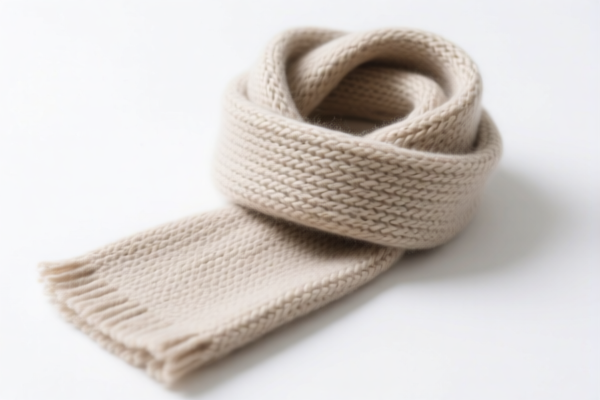
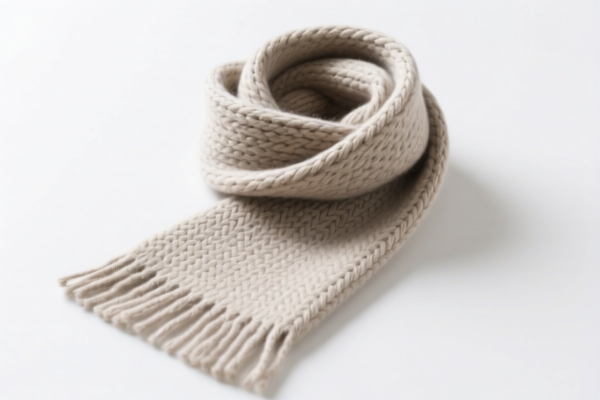
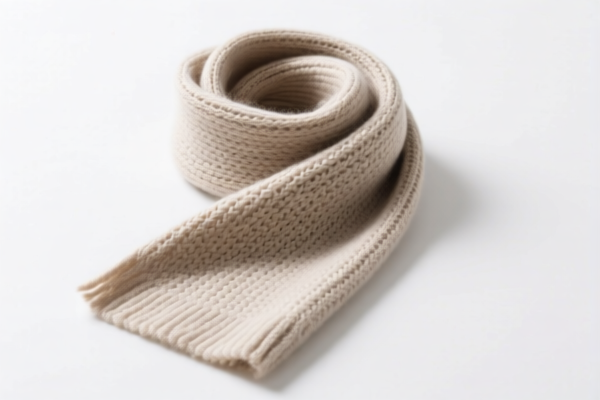

AI分析
🧣 Lightweight Scarf Made of Fine Animal Hair (Wool & Cashmere)
🌐 HS Code Reference & Customs Clearance Guide | 2026 Updated Tariff Analysis | Professional Entry Strategy
📌 I. Product Definition & Classification: Do You Really Understand "Fine Animal Hair Scarves"?
A "Lightweight Scarf Made of Fine Animal Hair" is a versatile fashion accessory primarily composed of high-quality fibers such as wool, cashmere, alpaca, or mohair. In international trade, the classification depends on:
- Material Composition: Whether it contains ≥50% fine animal hair (wool/cashmere) or is a blend.
- Form/Construction: Knitted (e.g.,
6117) vs. Woven/Textile (e.g.,6214). - Application: Pure scarves vs. other textile articles (e.g., shawls).
⚠️ Key Differentiators: - Knitted Scarves (soft, stretchy, looped fabric) → Chapter 61 (e.g.,
6117.10) - Woven/Textile Scarves (rigid, non-knitted, woven fabric) → Chapter 62 (e.g.,6214.20or6214.90) - Material Threshold: If >50% fine animal hair, it qualifies for specific subheadings under 5111 (raw/processed fiber) or 61/62 (finished articles).
📦 II. HS Code Classification Details (2026 Tariff Authority对照)
| HS Code | Product Description | Applicable Scenario | Material Requirement |
|---|---|---|---|
6214.20.00.00 |
Wool Scarves (Woven) | Woven scarves made primarily of wool | ≥50% wool, woven structure |
6117.10.20.10 |
Scarves Containing Wool (Knitted) | Knitted scarves with wool/fine hair content | Weight ≥50% fine animal hair or wool |
6117.10.10.00 |
Wool Shawls/Scarves (Knitted) | Knitted wool shawls or scarves, fully compliant | ≥50% wool, knitted, finished product |
6214.90.00.90 |
Other Textile Scarves (Non-Cotton) | Scarves made of non-cotton textile fibers (wool blends) | Wool as non-cotton textile material |
5111.11.70.30 |
Woven Fabric of Fine Animal Hair | Raw or semi-processed wool fabric (not finished scarf) | Used for scarf manufacturing (raw material) |
🔍 Critical Reminders: - "Knitted" vs. "Woven": Knitted scarves (
6117) are typically softer and stretchier; woven scarves (6214) are more structured. - Material Threshold: If the scarf contains <50% wool but is still classified as "wool-based," it may fall under6117.10.20.10or6214.90.00.90. - Raw Material vs. Finished Product:5111.11.70.30applies to fabric (not finished scarves); finished scarves must use61or62.
💰 III. 2026 Tariff Rate Breakdown (Including Additional Taxes & Policy Fees)
✅ Applicable Country: United States (US)
✅ Origin: China (CN)
✅ Effective Date: November 10, 2025 (with subsequent imports)
🎯 1. 6214.20.00.00 — Woven Wool Scarves
| Item | Content |
|---|---|
| Base Tariff | 6.7% (ad valorem) |
| Section 301 Additional Duty | +7.5% |
| Section 122 Duty | +10% |
| Total Tariff | 24.2% |
| Tax Calculation | CIF Value × 24.2% |
| De Minimis Exemption | ❌ No (denied) |
| Legal Pathway | 301:6214.20.00.00 → 122:Section 122 |
📌 Explanation:
- Section 301 (7.5%): US "301 Investigation" penalties on Chinese textiles. - Section 122 (10%): Additional "122" duty for wool products from China. - Total 24.2%: High tariff, must be factored into pricing.
🎯 2. 6117.10.20.10 — Knitted Scarves with Wool Content
| Item | Content |
|---|---|
| Base Tariff | 11.3% |
| Section 301 Additional Duty | 0.0% |
| Section 122 Duty | +10% |
| Total Tariff | 21.3% |
| Tax Calculation | CIF Value × 21.3% |
| De Minimis Exemption | ❌ No |
| Legal Pathway | 301:6117.10.20.10 → 122:Section 122 |
📌 Note:
- No Section 301 penalty (0%) due to specific textile exemptions; only122applies. - Total 21.3%: Slightly lower than woven scarves but still significant.
🎯 3. 6117.10.10.00 — Knitted Wool Shawls/Scarves
| Item | Content |
|---|---|
| Base Tariff | 9.6% |
| Section 301 Additional Duty | +7.5% |
| Section 122 Duty | +10% |
| Total Tariff | 27.1% |
| Tax Calculation | CIF Value × 27.1% |
| De Minimis Exemption | ❌ No |
| Legal Pathway | 301:6117.10.10.00 → 122:Section 122 |
📌 Warning:
- "Shawls" vs. "Scarves": Even if called "scarves," if the product is large and shawl-like, it may fall under6117.10.10.00. - Total 27.1%: Highest among knitted wool items; verify product dimensions.
🎯 4. 6214.90.00.90 — Other Textile Scarves (Non-Cotton)
| Item | Content |
|---|---|
| Base Tariff | 11.3% |
| Section 301 Additional Duty | +7.5% |
| Section 122 Duty | +10% |
| Total Tariff | 28.8% |
| Tax Calculation | CIF Value × 28.8% |
| De Minimis Exemption | ❌ No |
| Legal Pathway | 301:6214.90.00.90 → 122:Section 122 |
📌 Clarification:
- Non-Cotton Wools: If the scarf is a blend (e.g., wool + silk, wool + acrylic), it may fall here. - Total 28.8%: Highest rate for blended scarves; consider material optimization.
🎯 5. 5111.11.70.30 — Woven Fabric of Fine Animal Hair (Raw Material)
| Item | Content |
|---|---|
| Base Tariff | 25.0% |
| Section 301 Additional Duty | +25.0% |
| Section 122 Duty | +10% |
| Total Tariff | 60.0% |
| Tax Calculation | CIF Value × 60.0% |
| De Minimis Exemption | ❌ No |
| Legal Pathway | 301:5111.11.70.30 → 122:Section 122 |
📌 Critical Warning:
- Raw Fabric Only: This HS Code applies only to fabric, not finished scarves! - Total 60.0%: Extremely high; do not use for finished scarves (misclassification risk). - Risk: If declared as "scarf" but classified as "fabric," customs may reject shipment.
🛠️ IV. Customs Clearance Practical Advice (Avoid Pitfalls)
✅ 1. Document Checklist (Non-negotiable)
| Document | Required | Purpose |
|---|---|---|
| ✅ Product Specification Sheet | ✔️ | Detail material %, fiber type, knitting/woven method |
| ✅ Material Test Report | ✔️ | Certify wool/fine animal hair content (≥50%) |
| ✅ Product Photos (Labeled) | ✔️ | Show dimensions, texture, label (e.g., "100% Cashmere") |
| ✅ Third-Party Certificates | ✔️ | Oeko-Tex, Woolmark, ISO 9001 (if applicable) |
| ✅ Commercial Invoice | ✔️ | State "Knitted/Woven Scarf," HS Code, Origin (CN) |
| ✅ Packing List | ✔️ | Ensure no split declarations for scarf + accessories |
✅ 2. Declaration Tips (Golden Rules)
🔥 "Know Your Fabric, Declare Right, Avoid 60% Tax!"
| Scenario | Correct Declaration | Wrong Practice |
|---|---|---|
| Finished Knitted Scarf (Wool) | 6117.10.20.10 or 6117.10.10.00 |
❌ Declare as 5111 (fabric) → 60% |
| Finished Woven Scarf (Wool) | 6214.20.00.00 |
❌ Declare as 6117 (knitted) → 24.2% |
| Blended Scarf (Wool + Silk) | 6214.90.00.90 |
❌ Declare as 6214.20.00.00 → 28.8% |
| Raw Wool Fabric | 5111.11.70.30 |
❌ Declare as "scarf" → 24.2% vs 60% |
✅ 3. Special Cases Handling
| Situation | Recommendation |
|---|---|
| OEM Custom Scarves | Provide design specs + customer PO to avoid "non-standard" penalties |
| Scarf + Accessory Bundle | Declare as one unit (e.g., scarf + case); do not split |
| Scarf for Medical Use | If used in healthcare, apply for "non-commercial" exemption (rare, requires proof) |
| Scarf for Military/Space | Request "special purpose" classification (may reduce tariffs, requires prior approval) |
🌍 V. Global Market Comparison (2026 Tariff Snapshot)
| Country/Region | Recommended HS Code | Tariff | Certification | Notes |
|---|---|---|---|---|
| 🇺🇸 USA | 6117.10.20.10 / 6214.20.00.00 |
21.3%–28.8% (CN origin) | Woolmark + Oeko-Tex | 60% for raw fabric |
| 🇨🇳 China | Same as above | 0%–5% | CCC + Textile Label | No Section 301/122 |
| 🇪🇺 EU | Same as above | 0%–6% | CE + REACH | No additional duties |
| 🇦🇺 Australia | Same as above | 5% | RCM + Textile Label | No Section 301 |
| 🇯🇵 Japan | Same as above | 0%–5% | PSE + Textile Label | No additional duties |
📌 Conclusion:
- USA is the only market with high additional duties (301 + 122);
- China-origin scarves face 21.3%–60% tariffs; consider offshore sourcing (Vietnam, Bangladesh) to reduce costs.
📌 VI. Common Mistakes & Pitfalls (Lessons Learned)
❌ Mistake 1: Declaring a finished scarf as raw fabric (5111)
👉 Consequence: 60% tariff + penalty → Total cost +150%!
❌ Mistake 2: Confusing knitted vs. woven scarves
👉 Consequence: Wrong HS Code → 24.2% vs. 28.8% → Unexpected tax difference!
❌ Mistake 3: Omitting material test reports
👉 Consequence: Customs delays → Shipments held for 14 days
❌ Mistake 4: Using generic terms like "Scarf" without HS Code
👉 Consequence: Manual review → Risk of misclassification + fines
✅ Best Practice:
"Knitted Scarf, 100% Cashmere, Lightweight, 150cm × 30cm, Model XYZ, Oeko-Tex & Woolmark Certified, Origin: China"
🎯 VII. Conclusion: Precision Classification = Cost Savings!
🎯 Remember the Rules:
🔹 "Knitted = 61, Woven = 62, Raw Fabric = 51"
🔹 "Wool ≥50%? Yes → 21.3%–28.8%, No → 60% (fabric)!"
🔹 "USA = High Tax, EU/Asia = Low Tax"
📌 Pro Tip:
If your scarves are sourced from Vietnam, Bangladesh, or Turkey, you may qualify for Section 301 Exemptions, reducing tariffs to 0%–5%.
Recommendation: Apply for Advance Rulings (HS Code Pre-classification) 3 months before shipment.
📣 Take Action Now:
📞 Contact a licensed customs broker + provide product specs + request HS Code pre-ruling
🚀 Ensure smooth clearance, lower costs, and faster delivery!
✨ Professional Customs: Start with Accurate Classification!
💼 Every Dollar Saved is Profit Earned!
用户评价
关于 HS 编码归类
协调制度(HS)是由世界海关组织(WCO)制定的国际贸易商品分类标准。全球 200 多个国家采用 HS 系统作为海关关税、贸易统计和进出口监管的基础。
每个 HS 编码遵循以下层级结构:
- 章(2 位)——商品大类(例如:第 84 章:机器和机械设备)
- 品目(4 位)——章内的更具体分类
- 子目(6 位)——国际通用细分,所有 WCO 成员国统一使用
- 本国细分(8-10 位)——各国自行扩展的细分编码,如美国 HTSUS 10 位编码
正确的 HS 编码归类对于顺利通关、准确缴纳关税和遵守贸易法规至关重要。错误归类可能导致海关延误、多缴关税或罚款。
从CN进口到US时,适用的关税税率可能包括:
- 最惠国(MFN)税率——适用于 WTO 成员国的标准关税税率
- 普通税率——适用于无贸易协定国家
- 贸易救济关税——附加关税,如 301 条款(反倾销)、232 条款(国家安全)或反补贴税
本页内容仅供参考。如需正式归类,请咨询当地海关或持牌报关代理。