Lightweight Scarf Made of Fine Animal Hair
CN → US| HS Code | Tariff Rate | Origin | Destination | Doc |
|---|---|---|---|---|
| 6214200000 | 24.2% | CN | US | Official Doc |
| 6117102010 | 21.3% | CN | US | Official Doc |
| 6117101000 | 27.1% | CN | US | Official Doc |
| 6214900090 | 28.8% | CN | US | Official Doc |
| 5111117030 | 60.0% | CN | US | Official Doc |
Product Images
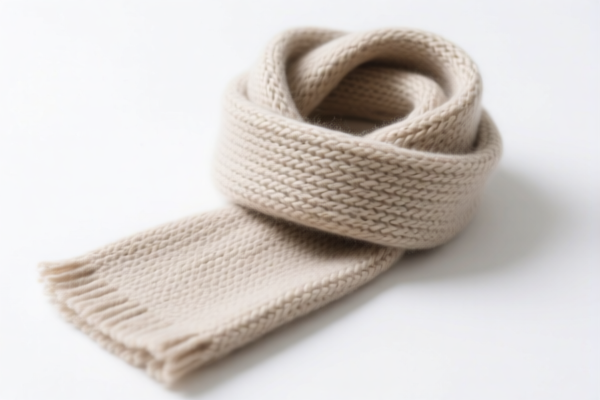
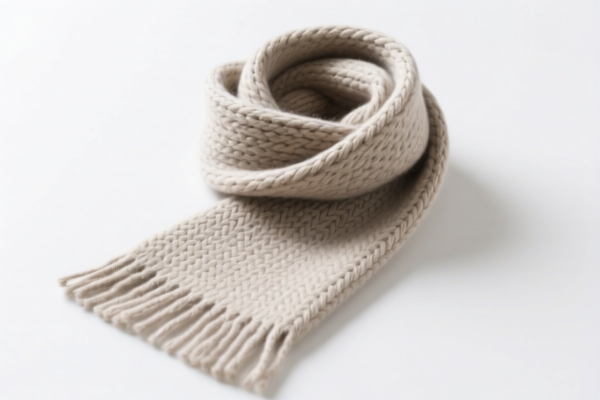
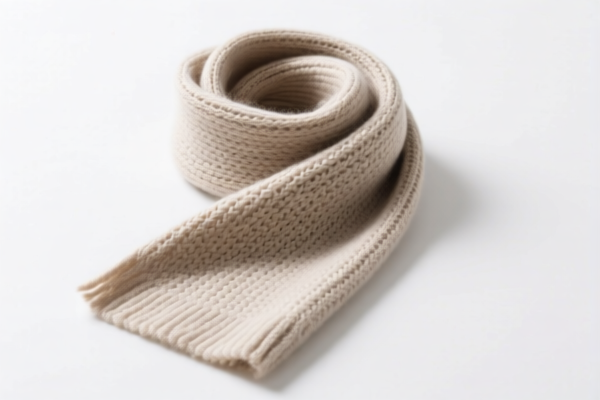

AI Analysis
🧣 Lightweight Scarf Made of Fine Animal Hair (Wool & Cashmere)
🌐 HS Code Reference & Customs Clearance Guide | 2026 Updated Tariff Analysis | Professional Entry Strategy
📌 I. Product Definition & Classification: Do You Really Understand "Fine Animal Hair Scarves"?
A "Lightweight Scarf Made of Fine Animal Hair" is a versatile fashion accessory primarily composed of high-quality fibers such as wool, cashmere, alpaca, or mohair. In international trade, the classification depends on:
- Material Composition: Whether it contains ≥50% fine animal hair (wool/cashmere) or is a blend.
- Form/Construction: Knitted (e.g.,
6117) vs. Woven/Textile (e.g.,6214). - Application: Pure scarves vs. other textile articles (e.g., shawls).
⚠️ Key Differentiators: - Knitted Scarves (soft, stretchy, looped fabric) → Chapter 61 (e.g.,
6117.10) - Woven/Textile Scarves (rigid, non-knitted, woven fabric) → Chapter 62 (e.g.,6214.20or6214.90) - Material Threshold: If >50% fine animal hair, it qualifies for specific subheadings under 5111 (raw/processed fiber) or 61/62 (finished articles).
📦 II. HS Code Classification Details (2026 Tariff Authority对照)
| HS Code | Product Description | Applicable Scenario | Material Requirement |
|---|---|---|---|
6214.20.00.00 |
Wool Scarves (Woven) | Woven scarves made primarily of wool | ≥50% wool, woven structure |
6117.10.20.10 |
Scarves Containing Wool (Knitted) | Knitted scarves with wool/fine hair content | Weight ≥50% fine animal hair or wool |
6117.10.10.00 |
Wool Shawls/Scarves (Knitted) | Knitted wool shawls or scarves, fully compliant | ≥50% wool, knitted, finished product |
6214.90.00.90 |
Other Textile Scarves (Non-Cotton) | Scarves made of non-cotton textile fibers (wool blends) | Wool as non-cotton textile material |
5111.11.70.30 |
Woven Fabric of Fine Animal Hair | Raw or semi-processed wool fabric (not finished scarf) | Used for scarf manufacturing (raw material) |
🔍 Critical Reminders: - "Knitted" vs. "Woven": Knitted scarves (
6117) are typically softer and stretchier; woven scarves (6214) are more structured. - Material Threshold: If the scarf contains <50% wool but is still classified as "wool-based," it may fall under6117.10.20.10or6214.90.00.90. - Raw Material vs. Finished Product:5111.11.70.30applies to fabric (not finished scarves); finished scarves must use61or62.
💰 III. 2026 Tariff Rate Breakdown (Including Additional Taxes & Policy Fees)
✅ Applicable Country: United States (US)
✅ Origin: China (CN)
✅ Effective Date: November 10, 2025 (with subsequent imports)
🎯 1. 6214.20.00.00 — Woven Wool Scarves
| Item | Content |
|---|---|
| Base Tariff | 6.7% (ad valorem) |
| Section 301 Additional Duty | +7.5% |
| Section 122 Duty | +10% |
| Total Tariff | 24.2% |
| Tax Calculation | CIF Value × 24.2% |
| De Minimis Exemption | ❌ No (denied) |
| Legal Pathway | 301:6214.20.00.00 → 122:Section 122 |
📌 Explanation:
- Section 301 (7.5%): US "301 Investigation" penalties on Chinese textiles. - Section 122 (10%): Additional "122" duty for wool products from China. - Total 24.2%: High tariff, must be factored into pricing.
🎯 2. 6117.10.20.10 — Knitted Scarves with Wool Content
| Item | Content |
|---|---|
| Base Tariff | 11.3% |
| Section 301 Additional Duty | 0.0% |
| Section 122 Duty | +10% |
| Total Tariff | 21.3% |
| Tax Calculation | CIF Value × 21.3% |
| De Minimis Exemption | ❌ No |
| Legal Pathway | 301:6117.10.20.10 → 122:Section 122 |
📌 Note:
- No Section 301 penalty (0%) due to specific textile exemptions; only122applies. - Total 21.3%: Slightly lower than woven scarves but still significant.
🎯 3. 6117.10.10.00 — Knitted Wool Shawls/Scarves
| Item | Content |
|---|---|
| Base Tariff | 9.6% |
| Section 301 Additional Duty | +7.5% |
| Section 122 Duty | +10% |
| Total Tariff | 27.1% |
| Tax Calculation | CIF Value × 27.1% |
| De Minimis Exemption | ❌ No |
| Legal Pathway | 301:6117.10.10.00 → 122:Section 122 |
📌 Warning:
- "Shawls" vs. "Scarves": Even if called "scarves," if the product is large and shawl-like, it may fall under6117.10.10.00. - Total 27.1%: Highest among knitted wool items; verify product dimensions.
🎯 4. 6214.90.00.90 — Other Textile Scarves (Non-Cotton)
| Item | Content |
|---|---|
| Base Tariff | 11.3% |
| Section 301 Additional Duty | +7.5% |
| Section 122 Duty | +10% |
| Total Tariff | 28.8% |
| Tax Calculation | CIF Value × 28.8% |
| De Minimis Exemption | ❌ No |
| Legal Pathway | 301:6214.90.00.90 → 122:Section 122 |
📌 Clarification:
- Non-Cotton Wools: If the scarf is a blend (e.g., wool + silk, wool + acrylic), it may fall here. - Total 28.8%: Highest rate for blended scarves; consider material optimization.
🎯 5. 5111.11.70.30 — Woven Fabric of Fine Animal Hair (Raw Material)
| Item | Content |
|---|---|
| Base Tariff | 25.0% |
| Section 301 Additional Duty | +25.0% |
| Section 122 Duty | +10% |
| Total Tariff | 60.0% |
| Tax Calculation | CIF Value × 60.0% |
| De Minimis Exemption | ❌ No |
| Legal Pathway | 301:5111.11.70.30 → 122:Section 122 |
📌 Critical Warning:
- Raw Fabric Only: This HS Code applies only to fabric, not finished scarves! - Total 60.0%: Extremely high; do not use for finished scarves (misclassification risk). - Risk: If declared as "scarf" but classified as "fabric," customs may reject shipment.
🛠️ IV. Customs Clearance Practical Advice (Avoid Pitfalls)
✅ 1. Document Checklist (Non-negotiable)
| Document | Required | Purpose |
|---|---|---|
| ✅ Product Specification Sheet | ✔️ | Detail material %, fiber type, knitting/woven method |
| ✅ Material Test Report | ✔️ | Certify wool/fine animal hair content (≥50%) |
| ✅ Product Photos (Labeled) | ✔️ | Show dimensions, texture, label (e.g., "100% Cashmere") |
| ✅ Third-Party Certificates | ✔️ | Oeko-Tex, Woolmark, ISO 9001 (if applicable) |
| ✅ Commercial Invoice | ✔️ | State "Knitted/Woven Scarf," HS Code, Origin (CN) |
| ✅ Packing List | ✔️ | Ensure no split declarations for scarf + accessories |
✅ 2. Declaration Tips (Golden Rules)
🔥 "Know Your Fabric, Declare Right, Avoid 60% Tax!"
| Scenario | Correct Declaration | Wrong Practice |
|---|---|---|
| Finished Knitted Scarf (Wool) | 6117.10.20.10 or 6117.10.10.00 |
❌ Declare as 5111 (fabric) → 60% |
| Finished Woven Scarf (Wool) | 6214.20.00.00 |
❌ Declare as 6117 (knitted) → 24.2% |
| Blended Scarf (Wool + Silk) | 6214.90.00.90 |
❌ Declare as 6214.20.00.00 → 28.8% |
| Raw Wool Fabric | 5111.11.70.30 |
❌ Declare as "scarf" → 24.2% vs 60% |
✅ 3. Special Cases Handling
| Situation | Recommendation |
|---|---|
| OEM Custom Scarves | Provide design specs + customer PO to avoid "non-standard" penalties |
| Scarf + Accessory Bundle | Declare as one unit (e.g., scarf + case); do not split |
| Scarf for Medical Use | If used in healthcare, apply for "non-commercial" exemption (rare, requires proof) |
| Scarf for Military/Space | Request "special purpose" classification (may reduce tariffs, requires prior approval) |
🌍 V. Global Market Comparison (2026 Tariff Snapshot)
| Country/Region | Recommended HS Code | Tariff | Certification | Notes |
|---|---|---|---|---|
| 🇺🇸 USA | 6117.10.20.10 / 6214.20.00.00 |
21.3%–28.8% (CN origin) | Woolmark + Oeko-Tex | 60% for raw fabric |
| 🇨🇳 China | Same as above | 0%–5% | CCC + Textile Label | No Section 301/122 |
| 🇪🇺 EU | Same as above | 0%–6% | CE + REACH | No additional duties |
| 🇦🇺 Australia | Same as above | 5% | RCM + Textile Label | No Section 301 |
| 🇯🇵 Japan | Same as above | 0%–5% | PSE + Textile Label | No additional duties |
📌 Conclusion:
- USA is the only market with high additional duties (301 + 122);
- China-origin scarves face 21.3%–60% tariffs; consider offshore sourcing (Vietnam, Bangladesh) to reduce costs.
📌 VI. Common Mistakes & Pitfalls (Lessons Learned)
❌ Mistake 1: Declaring a finished scarf as raw fabric (5111)
👉 Consequence: 60% tariff + penalty → Total cost +150%!
❌ Mistake 2: Confusing knitted vs. woven scarves
👉 Consequence: Wrong HS Code → 24.2% vs. 28.8% → Unexpected tax difference!
❌ Mistake 3: Omitting material test reports
👉 Consequence: Customs delays → Shipments held for 14 days
❌ Mistake 4: Using generic terms like "Scarf" without HS Code
👉 Consequence: Manual review → Risk of misclassification + fines
✅ Best Practice:
"Knitted Scarf, 100% Cashmere, Lightweight, 150cm × 30cm, Model XYZ, Oeko-Tex & Woolmark Certified, Origin: China"
🎯 VII. Conclusion: Precision Classification = Cost Savings!
🎯 Remember the Rules:
🔹 "Knitted = 61, Woven = 62, Raw Fabric = 51"
🔹 "Wool ≥50%? Yes → 21.3%–28.8%, No → 60% (fabric)!"
🔹 "USA = High Tax, EU/Asia = Low Tax"
📌 Pro Tip:
If your scarves are sourced from Vietnam, Bangladesh, or Turkey, you may qualify for Section 301 Exemptions, reducing tariffs to 0%–5%.
Recommendation: Apply for Advance Rulings (HS Code Pre-classification) 3 months before shipment.
📣 Take Action Now:
📞 Contact a licensed customs broker + provide product specs + request HS Code pre-ruling
🚀 Ensure smooth clearance, lower costs, and faster delivery!
✨ Professional Customs: Start with Accurate Classification!
💼 Every Dollar Saved is Profit Earned!
Customer Reviews
About HS Code Classification
The Harmonized System (HS) is an internationally standardized nomenclature developed by the World Customs Organization (WCO) to classify traded products. Over 200 countries use the HS system as the basis for customs tariffs, trade statistics, and import/export regulations.
Each HS code follows a hierarchical structure:
- Chapter (2 digits) — Broad category of goods (e.g., Chapter 84: Machinery and Mechanical Appliances)
- Heading (4 digits) — More specific grouping within the chapter
- Subheading (6 digits) — Internationally standardized breakdown, used by all WCO member countries
- National subdivisions (8-10 digits) — Country-specific extensions for further classification, such as US HTSUS 10-digit codes
Correct HS code classification is essential for smooth customs clearance, accurate duty payment, and compliance with trade regulations. Misclassification can lead to customs delays, overpayment of duties, or penalties.
When importing from CN to US, the applicable tariff rates may include:
- Most-Favored-Nation (MFN) rate — The standard duty rate applied to WTO members
- General rate — Applied to countries without trade agreements
- Trade remedy duties — Additional tariffs such as Section 301 (anti-dumping), Section 232 (national security), or countervailing duties
The information provided on this page is for reference purposes only. For official classification, please consult with your local customs authority or a licensed customs broker.