Lingerie
CN → US| HS编码 | 关税税率 | 原产国 | 目的国 | 文档 |
|---|---|---|---|---|
| 6108910015 | 18.5% | CN | US | 官方文档 |
| 6107110010 | 17.4% | CN | US | 官方文档 |
| 6108920015 | 33.5% | CN | US | 官方文档 |
商品图片
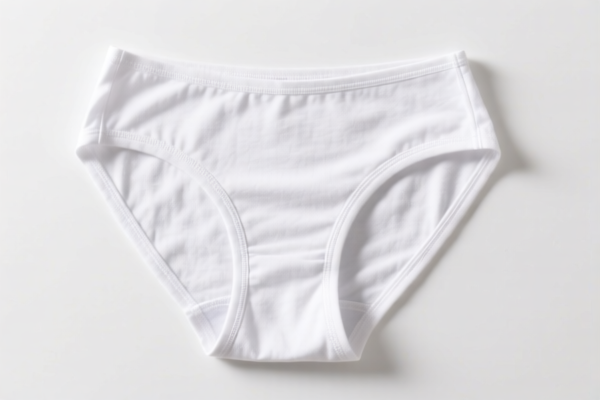
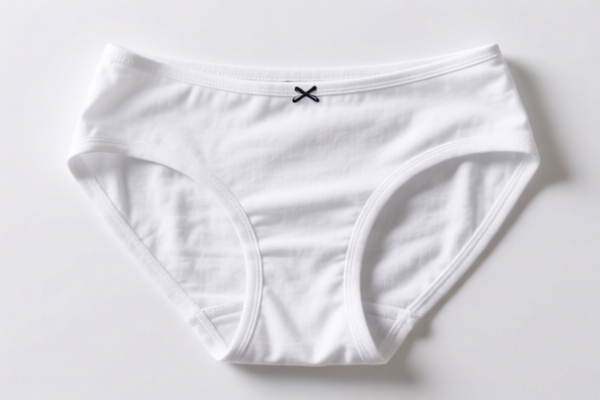
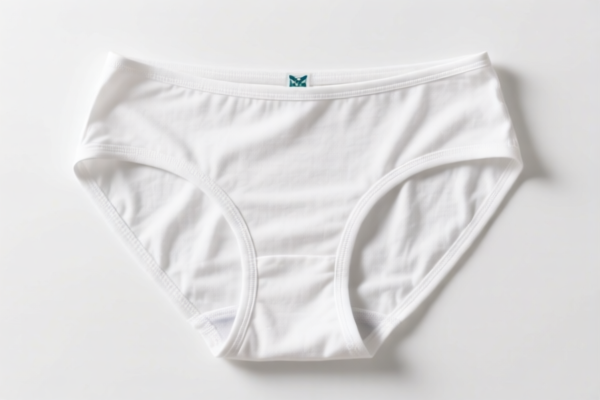
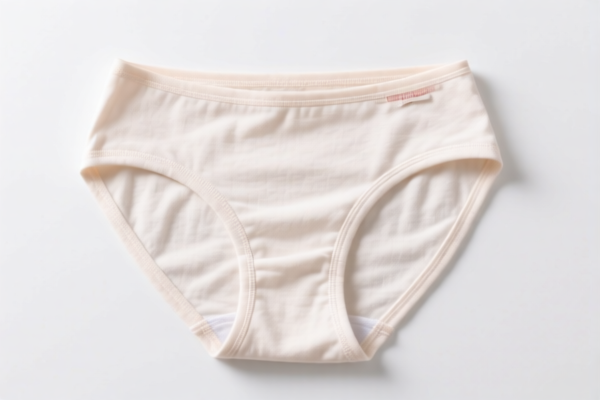
AI分析
👙 Lingerie (Undergarments & Intimates)
🌐 HS Code Reference & Customs Clearance Guide | 2026 Latest Tariff Analysis | Strategic Duty Optimization
📌 I. Product Definition & Classification: Are You Declaring "Lingerie" Correctly?
In international trade, "Lingerie" is not a single HS Code but a category spanning knitted/crocheted vs. non-knitted/crocheted items, further divided by material (natural fiber vs. synthetic). The data provided identifies three primary classifications based on manufacturing method and inferred material.
⚠️ Critical Distinction Point:
- Knitted/Crocheted (Chapter 61): Typically includes bras, panties, and slip-ons made from stretchy fabrics (e.g., cotton, sp blends). These fall under codes starting with6107or6108.
- Non-Knitted (Chapter 62): Typically includes structured items (e.g., corsets, non-stretch slips). Note: The provided data focuses exclusively on Chapter 61 (Knitted) items.
- Material Impact: Even within knitted categories, the duty rate jumps significantly if the material is inferred as Artificial/Synthetic Fibers vs. Natural Fibers (like cotton).
📦 II. HS Code Classification Details (Based on Provided Data)
| HS Code | Product Description | Application Scenario | Inferred Material | Conflict Status |
|---|---|---|---|---|
6108.91.00.15 |
Other Knitted/Crocheted Underwear (Non-Specific) | General lingerie, slips, nightwear where material is not explicitly defined | ⚪ Unclear/Default | ✅ Low Risk: Summary states "Purpose matches, material unclear, default preliminary judgment: Likely compliant." |
6107.11.00.10 |
Knitted/Panty/Thong/Shorts | Men’s/Women’s briefs, boxers, thongs,紧身内裤 (tight-fitting shorts) | ⚪ Unclear | ✅ Low Risk: Summary states "Knitted lingerie, falls under panties/tight shorts, no material conflict." |
6108.92.00.15 |
Other Knitted/Crocheted Underwear (Synthetic) | Similar to above but inferred as artificial/synthetic fiber due to fabric characteristics | 🔴 Artificial Fiber | ✅ No Conflict: Summary states "Inferred as artificial fiber material, no obvious conflict." |
🔍 Key Insight from Data:
- All three codes belong to Chapter 61 (Articles of Apparel and Clothing Accessories, Knitted or Crocheted).
- The primary differentiator is sub-heading specificity and inferred material.
-6108.92carries a significantly higher duty due to the synthetic material inference.
💰 III. 2026 Tariff Rate Breakdown (Detailed Tax Clauses)
✅ Applicable Region: United States (US)
✅ Origin: China (CN) (Implied by "122 Clause" and typical 10%+ rates)
✅ Effective Time: Current Trade Policy (Including Section 301 & Section 232/122 adjustments)
🎯 1. 6108.91.00.15 — Knitted Underwear (Material Unspecified/Natural)
| Item | Content |
|---|---|
| Base Tariff | 8.5% |
| Section 301 / 122 Clause Tariff | +10.0% |
| Total Effective Rate | 18.5% |
| Tax Detail | Base: 8.5%, Additional: 0.0%, Clause 122: 10% |
| De Minimis Eligibility | ❌ Likely Denied (For China-origin goods under $800, Section 301/122 duties usually apply) |
📌 Explanation:
- This code assumes a neutral or natural fiber status (e.g., cotton) unless proven otherwise.
- The 10% "Clause 122" (often referring to specific USITC rulings or Section 301 exclusions) adds a significant layer.
- Strategic Note: If the item is actually synthetic, declaring it here risks misclassification penalties (see Code 3 below).
🎯 2. 6107.11.00.10 — Knitted Panties/Tight Shorts
| Item | Content |
|---|---|
| Base Tariff | 7.4% |
| Section 301 / 122 Clause Tariff | +10.0% |
| Total Effective Rate | 17.4% |
| Tax Detail | Base: 7.4%, Additional: 0.0%, Clause 122: 10% |
| De Minimis Eligibility | ❌ Likely Denied |
📌 Explanation:
- This is the most specific code for basic underwear (panties, briefs).
- It has the lowest base duty (7.4%) among the three options.
- The summary confirms no material conflict, implying that even if material is unspecified, the function (panties) dominates the classification.
- Best for: Standard cotton/spandex blend underwear.
🎯 3. 6108.92.00.15 — Knitted Underwear (Inferred Synthetic)
| Item | Content |
|---|---|
| Base Tariff | 16.0% |
| Section 301 / 122 Clause Tariff | +10.0% |
| Additional Surcharge | +7.5% (Implied by "Add'l Tariff: 7.5%") |
| Total Effective Rate | 33.5% |
| Tax Detail | Base: 16.0%, Add'l: 7.5%, Clause 122: 10% |
| De Minimis Eligibility | ❌ Denied |
📌 Explanation:
- This code is triggered when the product is inferred or declared as Artificial/Synthetic Fiber (e.g., Nylon, Polyester, Rayon).
- The base duty jumps from 7.4%/8.5% to 16.0% due to trade policies favoring natural fibers or penalizing synthetics in certain categories.
- Warning: If you declare6108.91(18.5%) for a synthetic item, you risk back-duties if audited. Always match material.
🛠️ IV. Customs Clearance Practical Advice (Avoiding Pitfalls)
✅ 1. Essential Documentation Checklist
| Document | Required? | Purpose |
|---|---|---|
| ✅ Product Composition Label | ✔️ Mandatory | Must state material % (e.g., 95% Cotton, 5% Spandex). Critical for distinguishing 6108.91 vs 6108.92. |
| ✅ Technical Specification Sheet | ✔️ | Describes weave type (knitted/crocheted), fit (tight/loose), and intended use (underwear). |
| ✅ Commercial Invoice | ✔️ | Must clearly state "Knitted Underwear" and HS Code. |
| ✅ Packing List | ✔️ | Matches invoice; shows unit price clearly. |
| ✅ Material Test Report (Optional but Recommended) | ✔️ | If customs disputes "Artificial" vs "Natural," lab tests confirm fiber content. |
✅ 2. Declaration Strategy & Optimization
🔥 "Material is Key, Function is King!"
| Scenario | Recommended HS Code | Duty Rate | Strategy |
|---|---|---|---|
| Cotton/Blended Panties | 6107.11.00.10 |
17.4% | Best Choice. Most specific for basic underwear. Low risk if material is natural or unclear. |
| Slip/Nightwear (Natural/Unspecified) | 6108.91.00.15 |
18.5% | Use when item is not a standard panty but still knitted. Safe if material is not synthetic. |
| Nylon/Polyester Lingerie | 6108.92.00.15 |
33.5% | High Cost. Only declare if material is truly synthetic. Do not under-declare material to save 15%. |
| Non-Knitted Lingerie (e.g., Corsets) | Not in Data | Unknown | Ensure item is Knitted/Crocheted. If woven, it falls under Chapter 62 (different duties). |
📌 Critical Warning:
- Do NOT declare synthetic items as6108.91to save 15%. US Customs (CBP) uses NISN (Non-Import Specific Numbers) and material testing. Misclassification leads to penalties + interest.
- 122 Clause: The 10% additional duty applies to all three codes in this dataset. This is likely a Section 301 or specific trade remedy duty. It is non-negotiable for China-origin goods.
✅ 3. Special Cases & Edge Scenarios
| Case | Handling Advice |
|---|---|
| Mixed Material (e.g., 50% Cotton, 50% Polyester) | Check Chapter 61 Note 2. Usually, the material conferring the essential character or the majority weight determines the code. If synthetic is major → Use 6108.92 (33.5%). |
| Set (Bra + Panty) | If sold together, classify as a set. Typically, the bras (6212 or 6108) may dominate, or they are classified by the most significant item. Consult specific binding rulings. |
| Sample vs. Commercial | Samples under $800 may still be subject to duties if from China. Do not assume De Minimis exemption. |
| Origin Marking | Ensure "Made in China" is clearly marked on product and packaging. Mislabeling origin triggers Section 232 or higher penalties. |
🌍 V. Global Market Comparison (2026 Context)
| Region | Preferred HS Code | Estimated Duty (China Origin) | Notes |
|---|---|---|---|
| 🇺🇸 USA | 6107.11.00.10 / 6108.91/92 |
17.4% – 33.5% | High due to Section 301/122 clauses. Material accuracy is critical. |
| 🇪🇺 EU | 6108.92 / 6107.11 | ~4-8% | No additional "122 Clause" tariffs. Lower base duties. |
| 🇨🇳 China | 6108.92 / 6107.11 | ~8-14% | Import duties for China on Chinese goods (N/A for export). Focus on Export Rebate rates. |
| 🇨🇦 Canada | 6108.92 / 6107.11 | ~12-18% | Generally lower than US, but similar structure. |
📌 Conclusion:
- US Market is the most expensive due to punitive tariffs.
- Material Declaration is the #1 Risk Factor.
- Optimization Strategy: If possible, increase natural fiber content (e.g., Cotton/Lycra blends) to qualify for6107.11or6108.91(lower base duty), avoiding the 33.5% synthetic rate.
📌 VI. Common Mistakes & Pitfalls (Blood & Tears Lessons)
❌ Mistake 1: Declaring synthetic lingerie as "Knitted Underwear" without specifying material, hoping for 6108.91.
👉 Consequence: Customs flags mismatch → Audit + 33.5% Retroactive Duty + Penalty.
❌ Mistake 2: Using 6108.91 for a Woven (non-knitted) slip.
👉 Consequence: Wrong Chapter (61 vs 62) → Seizure or Heavy Fine.
❌ Mistake 3: Ignoring the 10% Clause 122 in cost calculation.
👉 Consequence: Profit margin erased. 18.5% vs 33.5% can make or break your margin.
✅ Correct Approach:
"Declare Knitted. Specify Material. Match Function. Calculate 122 Clause."
Example: "Women's Knitted Cotton/Spandex Briefs, HS 6107.11.00.10, Origin China."
🎯 VII. Conclusion: Strategic Sourcing & Compliance
🎯 Remember:
🔹 "Knitted is King in Chapter 61."
🔹 "Synthetic Costs Double: 18.5% vs 33.5%."
🔹 "Clause 122 Applies to All: +10% Minimum."
📌 Pro Tip:
If your supplier can switch from Polyester to Cotton Blends, you can save 15% in duty (from 33.5% to 17.4-18.5%). For high-volume shipments, this is a direct profit booster.
📣 Immediate Action:
📞 Verify Material Composition with your supplier today.
📦 Update Commercial Invoices to reflect precise material %.
🚀 Consult a Customs Broker for pre-classification if material blends are complex.
✨ Precision in Classification, Profit in Clearance!
💼 Your Lingerie, Your Duty Strategy, Your Competitive Edge!
用户评价
关于 HS 编码归类
协调制度(HS)是由世界海关组织(WCO)制定的国际贸易商品分类标准。全球 200 多个国家采用 HS 系统作为海关关税、贸易统计和进出口监管的基础。
每个 HS 编码遵循以下层级结构:
- 章(2 位)——商品大类(例如:第 84 章:机器和机械设备)
- 品目(4 位)——章内的更具体分类
- 子目(6 位)——国际通用细分,所有 WCO 成员国统一使用
- 本国细分(8-10 位)——各国自行扩展的细分编码,如美国 HTSUS 10 位编码
正确的 HS 编码归类对于顺利通关、准确缴纳关税和遵守贸易法规至关重要。错误归类可能导致海关延误、多缴关税或罚款。
从CN进口到US时,适用的关税税率可能包括:
- 最惠国(MFN)税率——适用于 WTO 成员国的标准关税税率
- 普通税率——适用于无贸易协定国家
- 贸易救济关税——附加关税,如 301 条款(反倾销)、232 条款(国家安全)或反补贴税
本页内容仅供参考。如需正式归类,请咨询当地海关或持牌报关代理。