Lingerie
CN → US| HS Code | Tariff Rate | Origin | Destination | Doc |
|---|---|---|---|---|
| 6108910015 | 18.5% | CN | US | Official Doc |
| 6107110010 | 17.4% | CN | US | Official Doc |
| 6108920015 | 33.5% | CN | US | Official Doc |
Product Images
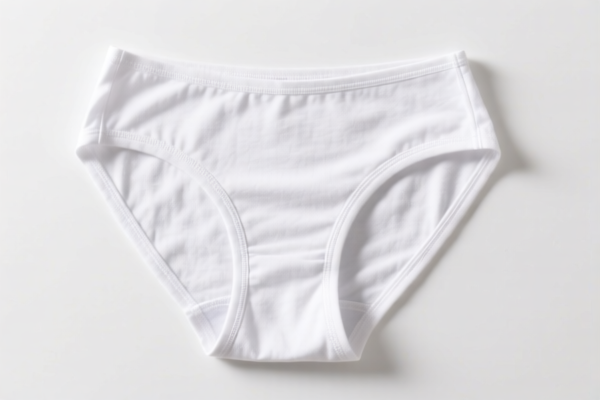
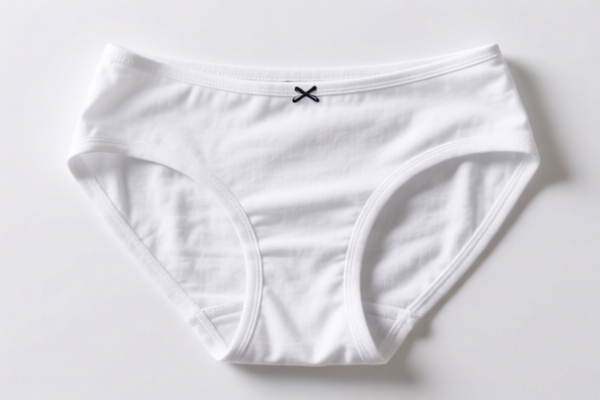
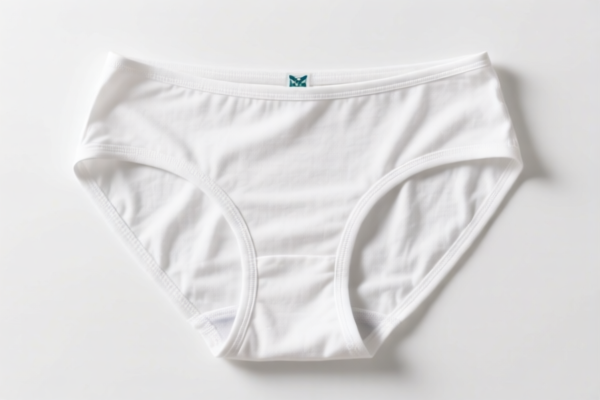
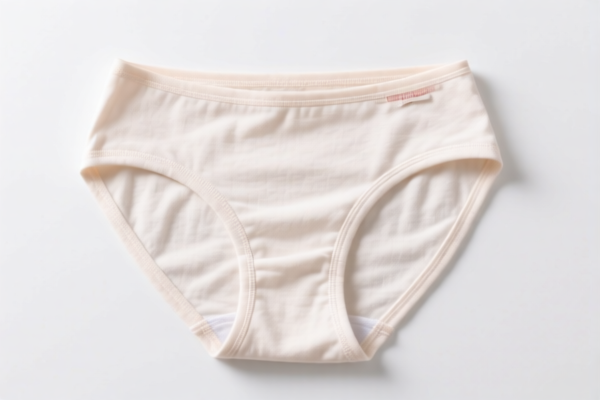
AI Analysis
👙 Lingerie (Undergarments & Intimates)
🌐 HS Code Reference & Customs Clearance Guide | 2026 Latest Tariff Analysis | Strategic Duty Optimization
📌 I. Product Definition & Classification: Are You Declaring "Lingerie" Correctly?
In international trade, "Lingerie" is not a single HS Code but a category spanning knitted/crocheted vs. non-knitted/crocheted items, further divided by material (natural fiber vs. synthetic). The data provided identifies three primary classifications based on manufacturing method and inferred material.
⚠️ Critical Distinction Point:
- Knitted/Crocheted (Chapter 61): Typically includes bras, panties, and slip-ons made from stretchy fabrics (e.g., cotton, sp blends). These fall under codes starting with6107or6108.
- Non-Knitted (Chapter 62): Typically includes structured items (e.g., corsets, non-stretch slips). Note: The provided data focuses exclusively on Chapter 61 (Knitted) items.
- Material Impact: Even within knitted categories, the duty rate jumps significantly if the material is inferred as Artificial/Synthetic Fibers vs. Natural Fibers (like cotton).
📦 II. HS Code Classification Details (Based on Provided Data)
| HS Code | Product Description | Application Scenario | Inferred Material | Conflict Status |
|---|---|---|---|---|
6108.91.00.15 |
Other Knitted/Crocheted Underwear (Non-Specific) | General lingerie, slips, nightwear where material is not explicitly defined | ⚪ Unclear/Default | ✅ Low Risk: Summary states "Purpose matches, material unclear, default preliminary judgment: Likely compliant." |
6107.11.00.10 |
Knitted/Panty/Thong/Shorts | Men’s/Women’s briefs, boxers, thongs,紧身内裤 (tight-fitting shorts) | ⚪ Unclear | ✅ Low Risk: Summary states "Knitted lingerie, falls under panties/tight shorts, no material conflict." |
6108.92.00.15 |
Other Knitted/Crocheted Underwear (Synthetic) | Similar to above but inferred as artificial/synthetic fiber due to fabric characteristics | 🔴 Artificial Fiber | ✅ No Conflict: Summary states "Inferred as artificial fiber material, no obvious conflict." |
🔍 Key Insight from Data:
- All three codes belong to Chapter 61 (Articles of Apparel and Clothing Accessories, Knitted or Crocheted).
- The primary differentiator is sub-heading specificity and inferred material.
-6108.92carries a significantly higher duty due to the synthetic material inference.
💰 III. 2026 Tariff Rate Breakdown (Detailed Tax Clauses)
✅ Applicable Region: United States (US)
✅ Origin: China (CN) (Implied by "122 Clause" and typical 10%+ rates)
✅ Effective Time: Current Trade Policy (Including Section 301 & Section 232/122 adjustments)
🎯 1. 6108.91.00.15 — Knitted Underwear (Material Unspecified/Natural)
| Item | Content |
|---|---|
| Base Tariff | 8.5% |
| Section 301 / 122 Clause Tariff | +10.0% |
| Total Effective Rate | 18.5% |
| Tax Detail | Base: 8.5%, Additional: 0.0%, Clause 122: 10% |
| De Minimis Eligibility | ❌ Likely Denied (For China-origin goods under $800, Section 301/122 duties usually apply) |
📌 Explanation:
- This code assumes a neutral or natural fiber status (e.g., cotton) unless proven otherwise.
- The 10% "Clause 122" (often referring to specific USITC rulings or Section 301 exclusions) adds a significant layer.
- Strategic Note: If the item is actually synthetic, declaring it here risks misclassification penalties (see Code 3 below).
🎯 2. 6107.11.00.10 — Knitted Panties/Tight Shorts
| Item | Content |
|---|---|
| Base Tariff | 7.4% |
| Section 301 / 122 Clause Tariff | +10.0% |
| Total Effective Rate | 17.4% |
| Tax Detail | Base: 7.4%, Additional: 0.0%, Clause 122: 10% |
| De Minimis Eligibility | ❌ Likely Denied |
📌 Explanation:
- This is the most specific code for basic underwear (panties, briefs).
- It has the lowest base duty (7.4%) among the three options.
- The summary confirms no material conflict, implying that even if material is unspecified, the function (panties) dominates the classification.
- Best for: Standard cotton/spandex blend underwear.
🎯 3. 6108.92.00.15 — Knitted Underwear (Inferred Synthetic)
| Item | Content |
|---|---|
| Base Tariff | 16.0% |
| Section 301 / 122 Clause Tariff | +10.0% |
| Additional Surcharge | +7.5% (Implied by "Add'l Tariff: 7.5%") |
| Total Effective Rate | 33.5% |
| Tax Detail | Base: 16.0%, Add'l: 7.5%, Clause 122: 10% |
| De Minimis Eligibility | ❌ Denied |
📌 Explanation:
- This code is triggered when the product is inferred or declared as Artificial/Synthetic Fiber (e.g., Nylon, Polyester, Rayon).
- The base duty jumps from 7.4%/8.5% to 16.0% due to trade policies favoring natural fibers or penalizing synthetics in certain categories.
- Warning: If you declare6108.91(18.5%) for a synthetic item, you risk back-duties if audited. Always match material.
🛠️ IV. Customs Clearance Practical Advice (Avoiding Pitfalls)
✅ 1. Essential Documentation Checklist
| Document | Required? | Purpose |
|---|---|---|
| ✅ Product Composition Label | ✔️ Mandatory | Must state material % (e.g., 95% Cotton, 5% Spandex). Critical for distinguishing 6108.91 vs 6108.92. |
| ✅ Technical Specification Sheet | ✔️ | Describes weave type (knitted/crocheted), fit (tight/loose), and intended use (underwear). |
| ✅ Commercial Invoice | ✔️ | Must clearly state "Knitted Underwear" and HS Code. |
| ✅ Packing List | ✔️ | Matches invoice; shows unit price clearly. |
| ✅ Material Test Report (Optional but Recommended) | ✔️ | If customs disputes "Artificial" vs "Natural," lab tests confirm fiber content. |
✅ 2. Declaration Strategy & Optimization
🔥 "Material is Key, Function is King!"
| Scenario | Recommended HS Code | Duty Rate | Strategy |
|---|---|---|---|
| Cotton/Blended Panties | 6107.11.00.10 |
17.4% | Best Choice. Most specific for basic underwear. Low risk if material is natural or unclear. |
| Slip/Nightwear (Natural/Unspecified) | 6108.91.00.15 |
18.5% | Use when item is not a standard panty but still knitted. Safe if material is not synthetic. |
| Nylon/Polyester Lingerie | 6108.92.00.15 |
33.5% | High Cost. Only declare if material is truly synthetic. Do not under-declare material to save 15%. |
| Non-Knitted Lingerie (e.g., Corsets) | Not in Data | Unknown | Ensure item is Knitted/Crocheted. If woven, it falls under Chapter 62 (different duties). |
📌 Critical Warning:
- Do NOT declare synthetic items as6108.91to save 15%. US Customs (CBP) uses NISN (Non-Import Specific Numbers) and material testing. Misclassification leads to penalties + interest.
- 122 Clause: The 10% additional duty applies to all three codes in this dataset. This is likely a Section 301 or specific trade remedy duty. It is non-negotiable for China-origin goods.
✅ 3. Special Cases & Edge Scenarios
| Case | Handling Advice |
|---|---|
| Mixed Material (e.g., 50% Cotton, 50% Polyester) | Check Chapter 61 Note 2. Usually, the material conferring the essential character or the majority weight determines the code. If synthetic is major → Use 6108.92 (33.5%). |
| Set (Bra + Panty) | If sold together, classify as a set. Typically, the bras (6212 or 6108) may dominate, or they are classified by the most significant item. Consult specific binding rulings. |
| Sample vs. Commercial | Samples under $800 may still be subject to duties if from China. Do not assume De Minimis exemption. |
| Origin Marking | Ensure "Made in China" is clearly marked on product and packaging. Mislabeling origin triggers Section 232 or higher penalties. |
🌍 V. Global Market Comparison (2026 Context)
| Region | Preferred HS Code | Estimated Duty (China Origin) | Notes |
|---|---|---|---|
| 🇺🇸 USA | 6107.11.00.10 / 6108.91/92 |
17.4% – 33.5% | High due to Section 301/122 clauses. Material accuracy is critical. |
| 🇪🇺 EU | 6108.92 / 6107.11 | ~4-8% | No additional "122 Clause" tariffs. Lower base duties. |
| 🇨🇳 China | 6108.92 / 6107.11 | ~8-14% | Import duties for China on Chinese goods (N/A for export). Focus on Export Rebate rates. |
| 🇨🇦 Canada | 6108.92 / 6107.11 | ~12-18% | Generally lower than US, but similar structure. |
📌 Conclusion:
- US Market is the most expensive due to punitive tariffs.
- Material Declaration is the #1 Risk Factor.
- Optimization Strategy: If possible, increase natural fiber content (e.g., Cotton/Lycra blends) to qualify for6107.11or6108.91(lower base duty), avoiding the 33.5% synthetic rate.
📌 VI. Common Mistakes & Pitfalls (Blood & Tears Lessons)
❌ Mistake 1: Declaring synthetic lingerie as "Knitted Underwear" without specifying material, hoping for 6108.91.
👉 Consequence: Customs flags mismatch → Audit + 33.5% Retroactive Duty + Penalty.
❌ Mistake 2: Using 6108.91 for a Woven (non-knitted) slip.
👉 Consequence: Wrong Chapter (61 vs 62) → Seizure or Heavy Fine.
❌ Mistake 3: Ignoring the 10% Clause 122 in cost calculation.
👉 Consequence: Profit margin erased. 18.5% vs 33.5% can make or break your margin.
✅ Correct Approach:
"Declare Knitted. Specify Material. Match Function. Calculate 122 Clause."
Example: "Women's Knitted Cotton/Spandex Briefs, HS 6107.11.00.10, Origin China."
🎯 VII. Conclusion: Strategic Sourcing & Compliance
🎯 Remember:
🔹 "Knitted is King in Chapter 61."
🔹 "Synthetic Costs Double: 18.5% vs 33.5%."
🔹 "Clause 122 Applies to All: +10% Minimum."
📌 Pro Tip:
If your supplier can switch from Polyester to Cotton Blends, you can save 15% in duty (from 33.5% to 17.4-18.5%). For high-volume shipments, this is a direct profit booster.
📣 Immediate Action:
📞 Verify Material Composition with your supplier today.
📦 Update Commercial Invoices to reflect precise material %.
🚀 Consult a Customs Broker for pre-classification if material blends are complex.
✨ Precision in Classification, Profit in Clearance!
💼 Your Lingerie, Your Duty Strategy, Your Competitive Edge!
Customer Reviews
About HS Code Classification
The Harmonized System (HS) is an internationally standardized nomenclature developed by the World Customs Organization (WCO) to classify traded products. Over 200 countries use the HS system as the basis for customs tariffs, trade statistics, and import/export regulations.
Each HS code follows a hierarchical structure:
- Chapter (2 digits) — Broad category of goods (e.g., Chapter 84: Machinery and Mechanical Appliances)
- Heading (4 digits) — More specific grouping within the chapter
- Subheading (6 digits) — Internationally standardized breakdown, used by all WCO member countries
- National subdivisions (8-10 digits) — Country-specific extensions for further classification, such as US HTSUS 10-digit codes
Correct HS code classification is essential for smooth customs clearance, accurate duty payment, and compliance with trade regulations. Misclassification can lead to customs delays, overpayment of duties, or penalties.
When importing from CN to US, the applicable tariff rates may include:
- Most-Favored-Nation (MFN) rate — The standard duty rate applied to WTO members
- General rate — Applied to countries without trade agreements
- Trade remedy duties — Additional tariffs such as Section 301 (anti-dumping), Section 232 (national security), or countervailing duties
The information provided on this page is for reference purposes only. For official classification, please consult with your local customs authority or a licensed customs broker.