Lockable Safety Door
CN → US| HS编码 | 关税税率 | 原产国 | 目的国 | 文档 |
|---|---|---|---|---|
| 7308305025 | 85.0% | CN | US | 官方文档 |
| 7308305015 | 85.0% | CN | US | 官方文档 |
| 9403704003 | 35.0% | CN | US | 官方文档 |
| 8302416080 | 88.9% | CN | US | 官方文档 |
| 9403999015 | 85.0% | CN | US | 官方文档 |
商品图片
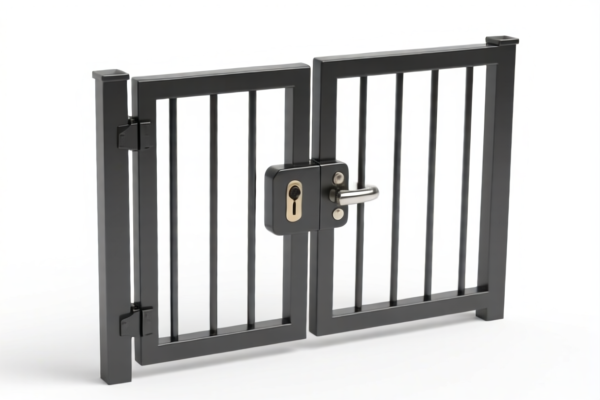
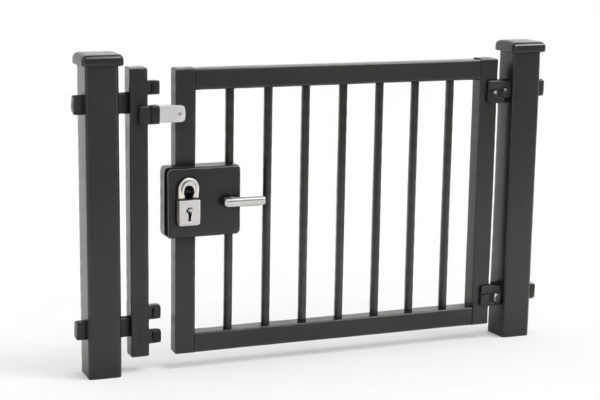
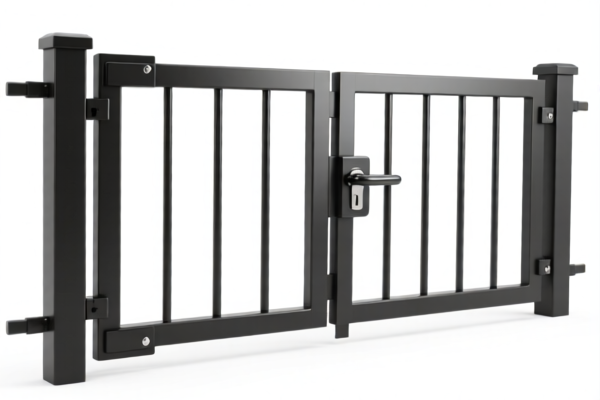
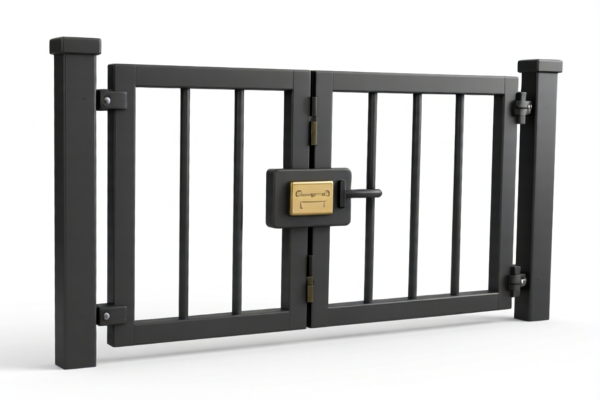
AI分析
🔒 Lockable Safety Door (Industrial & Commercial Security Barriers)
🌐 HS Code Reference & Customs Clearance Guide | 2026 Latest Tariff Analysis | Professional Transit Strategy
📌 I. Product Definition & Classification: What Exactly Is a "Lockable Safety Door"?
A Lockable Safety Door is not a single unified product. Its classification depends entirely on its material composition, structural function, and intended use. In international trade, these products are fragmented into three distinct categories:
1. Steel/Structure-Integrated Doors: Metal door frames, thresholds, and structural components embedded in or attached to building structures. 2. Finished Metal Gates/Barriers: Complete metal door units or restrictive fencing systems designed for security or confinement. 3. Plastic/Composite Safety Gates: Gates made primarily of plastic or containing plastic components, often used for child safety or specific industrial isolation.
⚠️ Key Distinction Point:
- If the product is a structural part of a wall or building frame → Group 7308 (Steel Structures)
- If the product is a complete finished metal gate/barrier → Group 9403 (Furniture/Fixtures)
- If the product is predominantly plastic (or plastic-composite) → Group 9403 or 8302
📦 II. HS Code Classification Matrix (2026 Latest Tariff Authority Comparison)
Based on the provided <DATA>, here is the precise mapping for Lockable Safety Doors:
| HS Code | Product Description | Material/Structure | Primary Application |
|---|---|---|---|
7308.30.50.25 |
Structural parts of iron/steel, including door frames & thresholds | Iron/Steel Structure | Building construction, structural integration |
7308.30.50.15 |
Metal door products, categorized under iron/steel structural components | Iron/Steel Finished/semi-finished | Metal doors fitting structural categories |
9403.70.40.03 |
Children's fences / protective range safety gates | Plastic / Plastic Components | Child safety, residential protection |
8302.41.60.80 |
Base metal mountings & fittings for buildings | Base Metal Fittings | Hardware, hinges, locks, installation kits |
9403.99.90.15 |
Finished safety doors or restrictive activity fences | Metal or Plastic (Finished) | General safety barriers, complete units |
🔍 Critical Clarification:
- "Safety Door" as a structural element (frames, thresholds) falls under 7308.30.50.xx (Steel Structures).
- "Safety Door" as a standalone product (a complete gate or fence) often falls under 9403.99.90.15 (Finished Metal/Plastic Goods).
- "Child Safety Gate" is explicitly defined as 9403.70.40.03 if plastic-heavy.
- "Locking Hardware" (if sold separately) falls under 8302.41.60.80.
💰 III. 2026 Latest Tariff Rate Breakdown (Including Surcharges & Policy Add-ons)
✅ Applicable Country: United States (US)
✅ Origin: China (CN)
✅ Effective Date: 2025/2026 (Current Trade Era)
🎯 1. 7308.30.50.25 & 7308.30.50.15 —— Steel/Iron Structural Parts & Doors
These HS codes target the steel infrastructure aspect of safety doors.
| Item | Detail |
|---|---|
| Base Tariff | 0.0% (ad valorem) |
| Section 301 Surcharge | +25.0% (USITC Footnote) |
| Section 122 Tariff | +10.0% (Specific steel/aluminum/copper surcharge) |
| Additional Steel Surcharge | +50.0% (Under Section 232/122 clauses for steel products) |
| Total Effective Rate | 85.0% |
| Tax Calculation | CIF Value × 85% |
| De Minimis Eligibility | ❌ None (High tariff barrier) |
| Legal Path | Section 301: 25% + Section 122: 10% + Steel Surcharge: 50% |
📌 Explanation:
- The 85% total tax is extremely high. This applies to iron/steel doors and structural components.
- The breakdown is: Base (0%) + 301 (25%) + 122 (10%) + Steel Surcharge (50%) = 85%.
- Note: The "50% steel surcharge" is a critical component here, specific to steel products under current US trade policy.
🎯 2. 8302.41.60.80 —— Base Metal Mountings & Fittings (Door Hardware)
If the "Lockable Safety Door" is declared as accessories (hinges, locks, frames sold separately):
| Item | Detail |
|---|---|
| Base Tariff | 3.9% |
| Section 301 Surcharge | +25.0% |
| Section 122 Tariff | +10.0% |
| Additional Steel Surcharge | +50.0% |
| Total Effective Rate | 88.9% |
| Tax Calculation | CIF Value × 88.9% |
| De Minimis Eligibility | ❌ None |
| Legal Path | Base: 3.9% + 301: 25% + 122: 10% + Steel: 50% |
📌 Warning:
- This is the highest tax rate in the dataset (88.9%).
- Only apply if importing hardware/fittings, not the door itself. Do not misclassify complete doors as "fittings" to avoid audit penalties.
🎯 3. 9403.70.40.03 —— Plastic/Plastic-Component Safety Gates (Child Fences)
| Item | Detail |
|---|---|
| Base Tariff | 0.0% |
| Section 301 Surcharge | +25.0% |
| Section 122 Tariff | +10.0% |
| Total Effective Rate | 35.0% |
| Tax Calculation | CIF Value × 35% |
| De Minimis Eligibility | ❌ None (Typically denied for Chinese origin) |
| Legal Path | 301: 25% + 122: 10% |
📌 Key Advantage:
- 35% is significantly lower than steel options.
- This applies only if the product is a child safety gate or protective fence made of plastic or plastic-composite.
- Do not use this code for adult-sized steel security doors.
🎯 4. 9403.99.90.15 —— Finished Safety Doors (Metal or Plastic)
| Item | Detail |
|---|---|
| Base Tariff | 0.0% |
| Section 301 Surcharge | +25.0% |
| Section 122 Tariff | +10.0% |
| Additional Steel Surcharge | +50.0% |
| Total Effective Rate | 85.0% |
| Tax Calculation | CIF Value × 85% |
| De Minimis Eligibility | ❌ None |
| Legal Path | 301: 25% + 122: 10% + Steel Surcharge: 50% |
📌 Critical Note:
- Even if it is a "finished door," if it is metal/steel, it attracts the 50% steel surcharge under current rules, bringing the total to 85%.
- If it were non-steel (e.g., aluminum or composite without steel content), the 50% surcharge might not apply, but the dataset lists this code with the 50% surcharge, implying steel-heavy or general steel-related classification.
- Clarification from Data: The tax detail explicitly lists "Steel, Aluminum, Copper Products Surcharge: 50%". Thus, metal safety doors = 85%.
🛠️ IV. Customs Clearance Practical Advice (Battle-Tested Pitfall Guide)
✅ 1. Documentation Checklist (Non-Negotiable)
| Document | Required | Explanation |
|---|---|---|
| ✅ Product Specification Sheet | ✔️ | Must specify material (Steel vs. Plastic), dimensions, and locking mechanism type. |
| ✅ Material Composition Statement | ✔️ | Critical for distinguishing between 7308 (Steel) and 9403 (Plastic/Other). |
| ✅ Product Photos (With Lock) | ✔️ | Show the lock mechanism, hinges, and overall structure. |
| ✅ Commercial Invoice | ✔️ | Clearly state "Lockable Safety Door" + HS Code + Material. |
| ✅ Packing List | ✔️ | Include weights and dimensions for CIF calculation. |
| ✅ Country of Origin Certificate | ✔️ | Essential for determining tariff applicability. |
✅ 2. Declaration Strategy (Key Mnemonic)
🔥 "Material Dictates Code, Steel Costs 85%, Plastic is 35%!"
| Scenario | Correct HS Code | Risk of Misclassification |
|---|---|---|
| Steel Door Frame/Structure | 7308.30.50.25 |
High if declared as "Finished Door" → 85% vs potential lower if structured differently, but data shows 85% for both. |
| Complete Steel Safety Gate | 9403.99.90.15 |
High. If declared as "Structure" (7308), tax is still 85%. But if misdeclared as "Hardware" (8302), tax is 88.9%! |
| Plastic Child Safety Gate | 9403.70.40.03 |
Lowest Risk & Cost. Ensure it is primarily plastic. If steel-reinforced, customs may reclassify to steel code (85%). |
| Door Locks/Hinges (Sold Separately) | 8302.41.60.80 |
Very High Tax (88.9%). Only use for accessories, not complete doors. |
✅ 3. Special Handling Tips
| Situation | Recommendation |
|---|---|
| Mixed Material Doors (e.g., Steel frame + Plastic panels) | Declare based on essential character. If steel frame dominates, likely 7308 or 9403 (Steel). Risk of 85% tax. |
| Child Safety Gates with Steel Bars | If >50% weight is steel, customs may reject 9403.70.40.03 and apply steel surcharge. Check local precedents. |
| Importing "Doors" as "Parts" | Dangerous. Customs will inspect and likely reclassify to 9403.99.90.15 (85%) or 8302 (88.9%). Declare accurately. |
| Avoiding the 50% Steel Surcharge | Currently, difficult. The dataset shows this surcharge applies to most metal codes. Consider plastic/composite alternatives (9403.70.40.03) for 35% tax. |
🌍 V. Market Comparison & Strategic Insight (2026)
| Market | Recommended HS Code for Steel Doors | Estimated Total Tax (China Origin) | Note |
|---|---|---|---|
| 🇺🇸 USA | 7308.30.50.25 / 9403.99.90.15 |
85.0% | High due to Section 301 + Steel Surcharge. |
| 🇨🇳 China | 7308.30.50.25 / 9403.99.90.15 |
Varies (Import Duty) | Domestic production avoids US tariffs. |
| 🇪🇺 EU | 7308.30.50.25 / 9403.99.90.15 |
~2-5% | No Section 301 or IEEPA surcharges. |
| 🇲🇽 Mexico | 7308.30.50.25 / 9403.99.90.15 |
~5% | Under USMCA, may be duty-free if originating. |
📌 Conclusion:
- USA is the most expensive market for steel safety doors due to 85% total tax.
- Plastic safety gates (9403.70.40.03) offer a 50% tax saving (35% vs 85%) in the US.
- If you are exporting to the US, consider material substitution (Plastic/Composite) if functionality allows.
📌 VI. Common Errors & Pitfalls (Blood & Tears Lesson)
❌ Error 1: Declaring a Steel Safety Gate as 8302.41.60.80 (Hardware)
👉 Consequence: Tax jumps to 88.9% + Customs Penalty for misclassification.
Fix: Use 9403.99.90.15 for complete doors.
❌ Error 2: Declaring a Steel-Plastic Composite Gate as 9403.70.40.03 (Plastic Child Gate)
👉 Consequence: Customs reclassifies to steel code → 85% tax + Delay + Fine.
Fix: Ensure the product is genuinely a "Child Safety Gate" and primarily plastic.
❌ Error 3: Ignoring the 50% Steel Surcharge in cost calculations
👉 Consequence: Profit margin erased.
Fix: Always include 25% (301) + 10% (122) + 50% (Steel) = 85% in FOB/CIF calculations for steel products.
🎯 VII. Final Advice: Professional Classification for Cost Savings
🎯 Remember the Golden Rule:
🔹 "Steel is 85%, Plastic is 35%, Hardware is 89%!"
🔹 "If it's a door, don't hide it as a part. If it's steel, expect the surcharge."📌 Pro Tip:
- If your safety door is not strictly steel (e.g., aluminum, PVC, or composite), re-evaluate the HS Code.
- For US imports, the 35% tax on plastic gates (9403.70.40.03) is the most cost-effective option for safety barriers.
- Always apply for an Advance Ruling from US CBP if the material composition is mixed, to avoid post-entry audits.
📣 Immediate Action:
📞 Consult your customs broker with material specifications.
📝 Request HS Code Pre-classification for your specific model.
🚀 Optimize material choice to shift from Steel (85%) to Plastic/Composite (35%) where possible.
✨ Precision in Classification Saves Up to 50% in Tariffs!
💼 Don't let 85% taxes lock your profits!
用户评价
关于 HS 编码归类
协调制度(HS)是由世界海关组织(WCO)制定的国际贸易商品分类标准。全球 200 多个国家采用 HS 系统作为海关关税、贸易统计和进出口监管的基础。
每个 HS 编码遵循以下层级结构:
- 章(2 位)——商品大类(例如:第 84 章:机器和机械设备)
- 品目(4 位)——章内的更具体分类
- 子目(6 位)——国际通用细分,所有 WCO 成员国统一使用
- 本国细分(8-10 位)——各国自行扩展的细分编码,如美国 HTSUS 10 位编码
正确的 HS 编码归类对于顺利通关、准确缴纳关税和遵守贸易法规至关重要。错误归类可能导致海关延误、多缴关税或罚款。
从CN进口到US时,适用的关税税率可能包括:
- 最惠国(MFN)税率——适用于 WTO 成员国的标准关税税率
- 普通税率——适用于无贸易协定国家
- 贸易救济关税——附加关税,如 301 条款(反倾销)、232 条款(国家安全)或反补贴税
本页内容仅供参考。如需正式归类,请咨询当地海关或持牌报关代理。