Lockable Safety Door
CN → US| HS Code | Tariff Rate | Origin | Destination | Doc |
|---|---|---|---|---|
| 7308305025 | 85.0% | CN | US | Official Doc |
| 7308305015 | 85.0% | CN | US | Official Doc |
| 9403704003 | 35.0% | CN | US | Official Doc |
| 8302416080 | 88.9% | CN | US | Official Doc |
| 9403999015 | 85.0% | CN | US | Official Doc |
Product Images
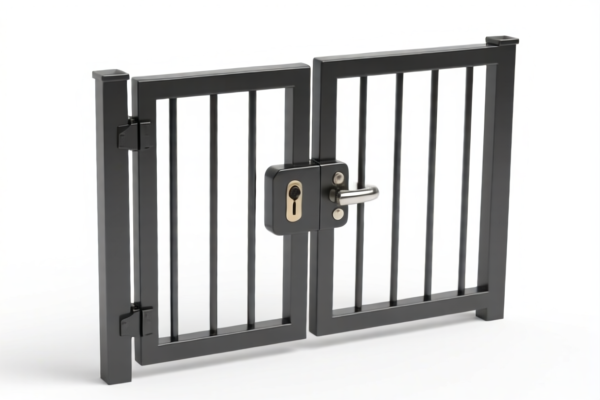
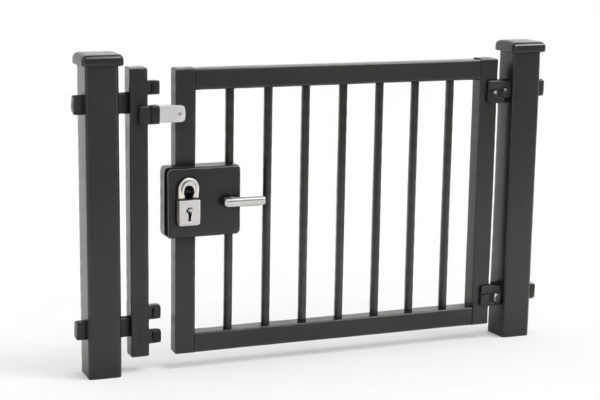
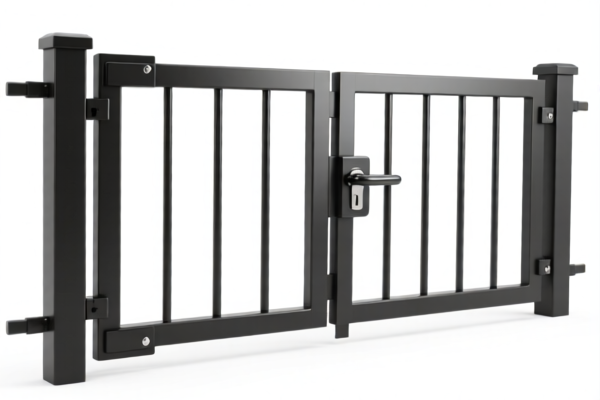
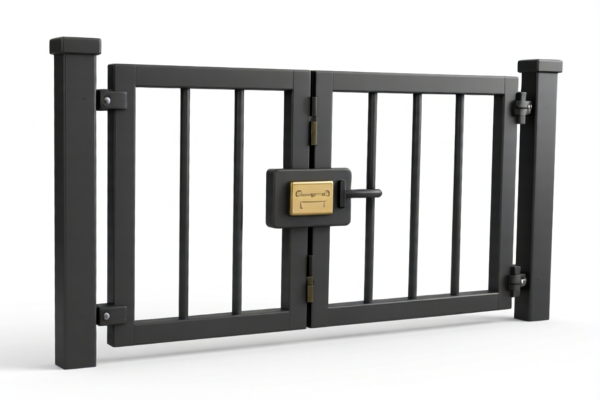
AI Analysis
🔒 Lockable Safety Door (Industrial & Commercial Security Barriers)
🌐 HS Code Reference & Customs Clearance Guide | 2026 Latest Tariff Analysis | Professional Transit Strategy
📌 I. Product Definition & Classification: What Exactly Is a "Lockable Safety Door"?
A Lockable Safety Door is not a single unified product. Its classification depends entirely on its material composition, structural function, and intended use. In international trade, these products are fragmented into three distinct categories:
1. Steel/Structure-Integrated Doors: Metal door frames, thresholds, and structural components embedded in or attached to building structures. 2. Finished Metal Gates/Barriers: Complete metal door units or restrictive fencing systems designed for security or confinement. 3. Plastic/Composite Safety Gates: Gates made primarily of plastic or containing plastic components, often used for child safety or specific industrial isolation.
⚠️ Key Distinction Point:
- If the product is a structural part of a wall or building frame → Group 7308 (Steel Structures)
- If the product is a complete finished metal gate/barrier → Group 9403 (Furniture/Fixtures)
- If the product is predominantly plastic (or plastic-composite) → Group 9403 or 8302
📦 II. HS Code Classification Matrix (2026 Latest Tariff Authority Comparison)
Based on the provided <DATA>, here is the precise mapping for Lockable Safety Doors:
| HS Code | Product Description | Material/Structure | Primary Application |
|---|---|---|---|
7308.30.50.25 |
Structural parts of iron/steel, including door frames & thresholds | Iron/Steel Structure | Building construction, structural integration |
7308.30.50.15 |
Metal door products, categorized under iron/steel structural components | Iron/Steel Finished/semi-finished | Metal doors fitting structural categories |
9403.70.40.03 |
Children's fences / protective range safety gates | Plastic / Plastic Components | Child safety, residential protection |
8302.41.60.80 |
Base metal mountings & fittings for buildings | Base Metal Fittings | Hardware, hinges, locks, installation kits |
9403.99.90.15 |
Finished safety doors or restrictive activity fences | Metal or Plastic (Finished) | General safety barriers, complete units |
🔍 Critical Clarification:
- "Safety Door" as a structural element (frames, thresholds) falls under 7308.30.50.xx (Steel Structures).
- "Safety Door" as a standalone product (a complete gate or fence) often falls under 9403.99.90.15 (Finished Metal/Plastic Goods).
- "Child Safety Gate" is explicitly defined as 9403.70.40.03 if plastic-heavy.
- "Locking Hardware" (if sold separately) falls under 8302.41.60.80.
💰 III. 2026 Latest Tariff Rate Breakdown (Including Surcharges & Policy Add-ons)
✅ Applicable Country: United States (US)
✅ Origin: China (CN)
✅ Effective Date: 2025/2026 (Current Trade Era)
🎯 1. 7308.30.50.25 & 7308.30.50.15 —— Steel/Iron Structural Parts & Doors
These HS codes target the steel infrastructure aspect of safety doors.
| Item | Detail |
|---|---|
| Base Tariff | 0.0% (ad valorem) |
| Section 301 Surcharge | +25.0% (USITC Footnote) |
| Section 122 Tariff | +10.0% (Specific steel/aluminum/copper surcharge) |
| Additional Steel Surcharge | +50.0% (Under Section 232/122 clauses for steel products) |
| Total Effective Rate | 85.0% |
| Tax Calculation | CIF Value × 85% |
| De Minimis Eligibility | ❌ None (High tariff barrier) |
| Legal Path | Section 301: 25% + Section 122: 10% + Steel Surcharge: 50% |
📌 Explanation:
- The 85% total tax is extremely high. This applies to iron/steel doors and structural components.
- The breakdown is: Base (0%) + 301 (25%) + 122 (10%) + Steel Surcharge (50%) = 85%.
- Note: The "50% steel surcharge" is a critical component here, specific to steel products under current US trade policy.
🎯 2. 8302.41.60.80 —— Base Metal Mountings & Fittings (Door Hardware)
If the "Lockable Safety Door" is declared as accessories (hinges, locks, frames sold separately):
| Item | Detail |
|---|---|
| Base Tariff | 3.9% |
| Section 301 Surcharge | +25.0% |
| Section 122 Tariff | +10.0% |
| Additional Steel Surcharge | +50.0% |
| Total Effective Rate | 88.9% |
| Tax Calculation | CIF Value × 88.9% |
| De Minimis Eligibility | ❌ None |
| Legal Path | Base: 3.9% + 301: 25% + 122: 10% + Steel: 50% |
📌 Warning:
- This is the highest tax rate in the dataset (88.9%).
- Only apply if importing hardware/fittings, not the door itself. Do not misclassify complete doors as "fittings" to avoid audit penalties.
🎯 3. 9403.70.40.03 —— Plastic/Plastic-Component Safety Gates (Child Fences)
| Item | Detail |
|---|---|
| Base Tariff | 0.0% |
| Section 301 Surcharge | +25.0% |
| Section 122 Tariff | +10.0% |
| Total Effective Rate | 35.0% |
| Tax Calculation | CIF Value × 35% |
| De Minimis Eligibility | ❌ None (Typically denied for Chinese origin) |
| Legal Path | 301: 25% + 122: 10% |
📌 Key Advantage:
- 35% is significantly lower than steel options.
- This applies only if the product is a child safety gate or protective fence made of plastic or plastic-composite.
- Do not use this code for adult-sized steel security doors.
🎯 4. 9403.99.90.15 —— Finished Safety Doors (Metal or Plastic)
| Item | Detail |
|---|---|
| Base Tariff | 0.0% |
| Section 301 Surcharge | +25.0% |
| Section 122 Tariff | +10.0% |
| Additional Steel Surcharge | +50.0% |
| Total Effective Rate | 85.0% |
| Tax Calculation | CIF Value × 85% |
| De Minimis Eligibility | ❌ None |
| Legal Path | 301: 25% + 122: 10% + Steel Surcharge: 50% |
📌 Critical Note:
- Even if it is a "finished door," if it is metal/steel, it attracts the 50% steel surcharge under current rules, bringing the total to 85%.
- If it were non-steel (e.g., aluminum or composite without steel content), the 50% surcharge might not apply, but the dataset lists this code with the 50% surcharge, implying steel-heavy or general steel-related classification.
- Clarification from Data: The tax detail explicitly lists "Steel, Aluminum, Copper Products Surcharge: 50%". Thus, metal safety doors = 85%.
🛠️ IV. Customs Clearance Practical Advice (Battle-Tested Pitfall Guide)
✅ 1. Documentation Checklist (Non-Negotiable)
| Document | Required | Explanation |
|---|---|---|
| ✅ Product Specification Sheet | ✔️ | Must specify material (Steel vs. Plastic), dimensions, and locking mechanism type. |
| ✅ Material Composition Statement | ✔️ | Critical for distinguishing between 7308 (Steel) and 9403 (Plastic/Other). |
| ✅ Product Photos (With Lock) | ✔️ | Show the lock mechanism, hinges, and overall structure. |
| ✅ Commercial Invoice | ✔️ | Clearly state "Lockable Safety Door" + HS Code + Material. |
| ✅ Packing List | ✔️ | Include weights and dimensions for CIF calculation. |
| ✅ Country of Origin Certificate | ✔️ | Essential for determining tariff applicability. |
✅ 2. Declaration Strategy (Key Mnemonic)
🔥 "Material Dictates Code, Steel Costs 85%, Plastic is 35%!"
| Scenario | Correct HS Code | Risk of Misclassification |
|---|---|---|
| Steel Door Frame/Structure | 7308.30.50.25 |
High if declared as "Finished Door" → 85% vs potential lower if structured differently, but data shows 85% for both. |
| Complete Steel Safety Gate | 9403.99.90.15 |
High. If declared as "Structure" (7308), tax is still 85%. But if misdeclared as "Hardware" (8302), tax is 88.9%! |
| Plastic Child Safety Gate | 9403.70.40.03 |
Lowest Risk & Cost. Ensure it is primarily plastic. If steel-reinforced, customs may reclassify to steel code (85%). |
| Door Locks/Hinges (Sold Separately) | 8302.41.60.80 |
Very High Tax (88.9%). Only use for accessories, not complete doors. |
✅ 3. Special Handling Tips
| Situation | Recommendation |
|---|---|
| Mixed Material Doors (e.g., Steel frame + Plastic panels) | Declare based on essential character. If steel frame dominates, likely 7308 or 9403 (Steel). Risk of 85% tax. |
| Child Safety Gates with Steel Bars | If >50% weight is steel, customs may reject 9403.70.40.03 and apply steel surcharge. Check local precedents. |
| Importing "Doors" as "Parts" | Dangerous. Customs will inspect and likely reclassify to 9403.99.90.15 (85%) or 8302 (88.9%). Declare accurately. |
| Avoiding the 50% Steel Surcharge | Currently, difficult. The dataset shows this surcharge applies to most metal codes. Consider plastic/composite alternatives (9403.70.40.03) for 35% tax. |
🌍 V. Market Comparison & Strategic Insight (2026)
| Market | Recommended HS Code for Steel Doors | Estimated Total Tax (China Origin) | Note |
|---|---|---|---|
| 🇺🇸 USA | 7308.30.50.25 / 9403.99.90.15 |
85.0% | High due to Section 301 + Steel Surcharge. |
| 🇨🇳 China | 7308.30.50.25 / 9403.99.90.15 |
Varies (Import Duty) | Domestic production avoids US tariffs. |
| 🇪🇺 EU | 7308.30.50.25 / 9403.99.90.15 |
~2-5% | No Section 301 or IEEPA surcharges. |
| 🇲🇽 Mexico | 7308.30.50.25 / 9403.99.90.15 |
~5% | Under USMCA, may be duty-free if originating. |
📌 Conclusion:
- USA is the most expensive market for steel safety doors due to 85% total tax.
- Plastic safety gates (9403.70.40.03) offer a 50% tax saving (35% vs 85%) in the US.
- If you are exporting to the US, consider material substitution (Plastic/Composite) if functionality allows.
📌 VI. Common Errors & Pitfalls (Blood & Tears Lesson)
❌ Error 1: Declaring a Steel Safety Gate as 8302.41.60.80 (Hardware)
👉 Consequence: Tax jumps to 88.9% + Customs Penalty for misclassification.
Fix: Use 9403.99.90.15 for complete doors.
❌ Error 2: Declaring a Steel-Plastic Composite Gate as 9403.70.40.03 (Plastic Child Gate)
👉 Consequence: Customs reclassifies to steel code → 85% tax + Delay + Fine.
Fix: Ensure the product is genuinely a "Child Safety Gate" and primarily plastic.
❌ Error 3: Ignoring the 50% Steel Surcharge in cost calculations
👉 Consequence: Profit margin erased.
Fix: Always include 25% (301) + 10% (122) + 50% (Steel) = 85% in FOB/CIF calculations for steel products.
🎯 VII. Final Advice: Professional Classification for Cost Savings
🎯 Remember the Golden Rule:
🔹 "Steel is 85%, Plastic is 35%, Hardware is 89%!"
🔹 "If it's a door, don't hide it as a part. If it's steel, expect the surcharge."📌 Pro Tip:
- If your safety door is not strictly steel (e.g., aluminum, PVC, or composite), re-evaluate the HS Code.
- For US imports, the 35% tax on plastic gates (9403.70.40.03) is the most cost-effective option for safety barriers.
- Always apply for an Advance Ruling from US CBP if the material composition is mixed, to avoid post-entry audits.
📣 Immediate Action:
📞 Consult your customs broker with material specifications.
📝 Request HS Code Pre-classification for your specific model.
🚀 Optimize material choice to shift from Steel (85%) to Plastic/Composite (35%) where possible.
✨ Precision in Classification Saves Up to 50% in Tariffs!
💼 Don't let 85% taxes lock your profits!
Customer Reviews
About HS Code Classification
The Harmonized System (HS) is an internationally standardized nomenclature developed by the World Customs Organization (WCO) to classify traded products. Over 200 countries use the HS system as the basis for customs tariffs, trade statistics, and import/export regulations.
Each HS code follows a hierarchical structure:
- Chapter (2 digits) — Broad category of goods (e.g., Chapter 84: Machinery and Mechanical Appliances)
- Heading (4 digits) — More specific grouping within the chapter
- Subheading (6 digits) — Internationally standardized breakdown, used by all WCO member countries
- National subdivisions (8-10 digits) — Country-specific extensions for further classification, such as US HTSUS 10-digit codes
Correct HS code classification is essential for smooth customs clearance, accurate duty payment, and compliance with trade regulations. Misclassification can lead to customs delays, overpayment of duties, or penalties.
When importing from CN to US, the applicable tariff rates may include:
- Most-Favored-Nation (MFN) rate — The standard duty rate applied to WTO members
- General rate — Applied to countries without trade agreements
- Trade remedy duties — Additional tariffs such as Section 301 (anti-dumping), Section 232 (national security), or countervailing duties
The information provided on this page is for reference purposes only. For official classification, please consult with your local customs authority or a licensed customs broker.