Long Cotton Fibers for Spinning
CN → US| HS编码 | 关税税率 | 原产国 | 目的国 | 文档 |
|---|---|---|---|---|
| 5205210020 | 40.8% | CN | US | 官方文档 |
| 5205220020 | 42.3% | CN | US | 官方文档 |
| 5203000500 | 40.0% | CN | US | 官方文档 |
| 5201008000 | 0.0% | CN | US | 官方文档 |
| 5201006000 | 0.0% | CN | US | 官方文档 |
商品图片
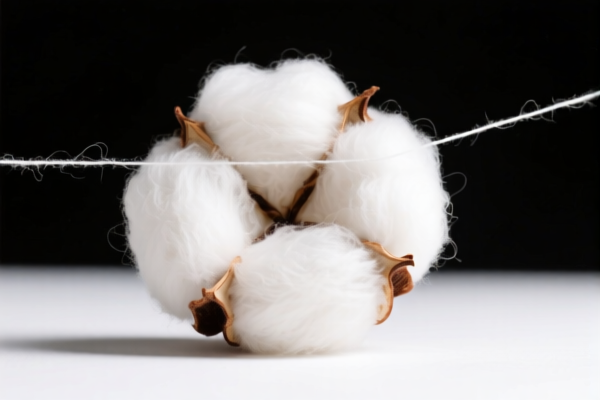
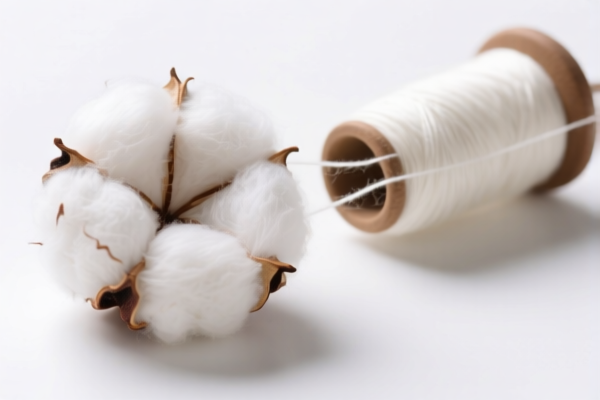
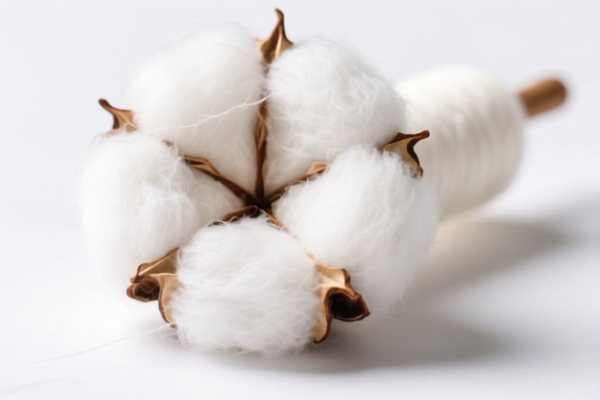
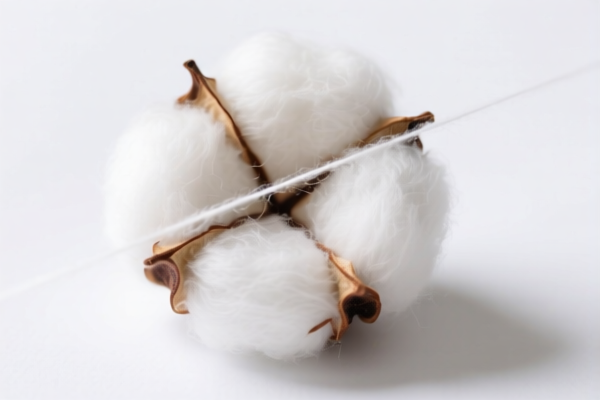
AI分析
🧵 Long Staple Cotton Fibers for Spinning
🌐 HS Code Reference & Customs Clearance Guide | 2026 Latest Tariff Analysis | Professional Compliance Strategy
📌 Part 1: Product Definition and Classification: Do You Really Understand "Long Cotton Fibers"?
"Long Cotton Fibers" (often referred to as Extra-Long Staple Cotton) are premium raw materials used in high-end textile manufacturing. In international trade, they are classified based on their processing state and physical form. They are not just "cotton"; they are specific stages of cotton processing:
Raw/Boll Cotton: Untreated, uncarded, uncombed raw material (often classified under 5201).
Yarn: Spun fiber, ready for weaving/knitting (classified under 5205).
Pre-spun Processing: Carded or combed but not yet spun into yarn (classified under 5203 or specific subheadings of 5205/5201 depending on detail).
⚠️ Key Distinction Point:
- If it is spun into yarn → Goes to 5205 series.
- If it is carded/combed but not spun → Goes to 5203 or specific 5201 subheadings.
- The fiber length (>34.925mm for long staple) and content (≥85% cotton) are critical classification drivers.
📦 Part 2: HS Code Classification Details (2026 Latest Tariff Authority Match)
Based on the provided data, here is the precise mapping for "Long Cotton Fibers for Spinning":
| HS Code | Product Description | Applicable State | Key Classification Criteria |
|---|---|---|---|
5205.21.00.20 |
Cotton Yarn (Long Staple) | Spun Yarn | Cotton content ≥85%; classified as Yarn. |
5205.22.00.20 |
Cotton Yarn (Long Staple) | Spun Yarn (Alternative) | Cotton content ≥85%; classified as Yarn. |
5203.00.05.00 |
Carded/Combed Cotton Fiber | Pre-Spun/Primary | Processed but not spun; classified as Fiber. |
5201.00.80.00 |
Long Staple Cotton Fiber | Raw/Unprocessed | Fiber length ≥34.925mm; Uncarded/Uncombed. |
5201.00.60.00 |
Cotton Fiber (Long Staple) | Raw/Unprocessed | Uncarded/Uncombed; Primary Form. |
🔍 Important Note:
- Yarn vs. Fiber: The biggest risk is misclassifying Yarn (5205) as Fiber (5201/5203) or vice versa.
- Raw Fiber: If the cotton is simply baled and shipped without any spinning, it falls under5201.
- Pre-Spun: If it has been carded or combed for spinning purposes, it may fall under5203or specific5205subheadings depending on exact processing.
💰 Part 3: 2026 Latest Tariff Rate Details (Including Additional Taxes & Policy Surcharges)
✅ Applicable Country: USA (US)
✅ Origin: China (CN)
✅ Effective Time: Current rates apply (Base + Section 301 + 122 Clause)
🎯 1. 5205.21.00.20 & 5205.22.00.20 —— Cotton Yarn (Long Staple)
These codes apply if the long cotton fibers have already been spun into yarn.
| Item | Content |
|---|---|
| Base Tariff | 5.8% (5205.21) or 7.3% (5205.22) |
| Section 301 Surcharge | +25.0% (USITC Footnote 9903.88.01 equivalent for textiles) |
| 122-Clause Tariff | +10.0% (Specific trade remedy clause) |
| Total Tax Rate | 40.8% (for 5205.21) or 42.3% (for 5205.22) |
| Calculation Basis | Ad Valorem (Percentage of CIF Value) |
| De Minimis Exemption | ❌ Not Eligible (Section 301 tariffs apply to low-value shipments if flagged) |
📌 Explanation:
- Yarn is considered a "processed textile."
- The 40.8% - 42.3% rate is very high.
- Critical: If you ship yarn, expect this tariff burden.
🎯 2. 5203.00.05.00 —— Carded/Combed Cotton Fiber (Pre-Spun)
This code applies if the cotton is processed (carded/combed) but NOT yet spun into yarn.
| Item | Content |
|---|---|
| Base Tariff | 5.0% |
| Section 301 Surcharge | +25.0% |
| 122-Clause Tariff | +10.0% |
| Total Tax Rate | 40.0% |
| Calculation Basis | Ad Valorem (Percentage of CIF Value) |
📌 Explanation:
- Pre-spun fibers are slightly cheaper to classify than yarn, but still incur heavy tariffs.
- Ensure documentation states "Not Yet Spun" to justify this code over5205.
🎯 3. 5201.00.80.00 & 5201.00.60.00 —— Raw Long Staple Cotton Fiber
These codes apply to raw, unspun, uncarded/uncombed cotton with specific fiber length characteristics.
| HS Code | Base Tariff | Additional Tariffs | Total Tax Rate |
|---|---|---|---|
5201.00.80.00 |
31.4¢/kg + 25.0% | +10% (122-Clause) | 31.4¢/kg + 35.0% (Ad Valorem + Specific) |
5201.00.60.00 |
1.5¢/kg + 25.0% | +10% (122-Clause) | 1.5¢/kg + 35.0% (Ad Valorem + Specific) |
📌 Explanation:
- Specific Duty (¢/kg): This is a mixed tariff (Specific + Ad Valorem).
-5201.00.60.00is significantly cheaper if the weight is high and value is moderate, due to the low base specific duty (1.5¢/kg).
-5201.00.80.00has a higher base specific duty (31.4¢/kg), making it costlier for heavy shipments.
- Key Condition: These codes are ONLY for raw fibers. If carded or spun, this classification is invalid and will lead to penalties.
🛠️ Part 4: Customs Clearance Practical Advice (Battle-Tested Pitfall Guide)
✅ 1. Documentation Checklist (Must-Have)
| Document | Required | Purpose |
|---|---|---|
| ✅ Product Specification Sheet | ✔️ | Must clearly state: Fiber Length (mm), Cotton Content (%), Processing State (Raw/Carded/Spun). |
| ✅ Fiber Test Report | ✔️ | Third-party lab report confirming "Long Staple" (>34.925mm) or "Extra-Long Staple". |
| ✅ Commercial Invoice | ✔️ | Must describe goods as "Raw Cotton Fiber" or "Cotton Yarn", NOT generic "Textiles". |
| ✅ Packing List | ✔️ | Weight breakdown is critical for Specific Duty codes (5201.00.60/80). |
| ✅ Origin Certificate | ✔️ | To confirm Chinese origin for Section 301 applicability. |
✅ 2. Declaration Strategy (Key Mnemonic)
🔥 "Raw is Specific, Yarn is Ad Valorem; Carded is Middle Ground; Don't Mix Them Up!"
| Scenario | Correct HS Code | Wrong Code | Consequence |
|---|---|---|---|
| Raw Baled Cotton (Uncarded, Unspun) | 5201.00.60.00 or 5201.00.80.00 |
5205.21.00.20 (Yarn) |
Tax Discrepancy: Raw has specific duty; Yarn has %. Misclassification leads to audits. |
| Spun Yarn | 5205.21.00.20 / 5205.22.00.20 |
5201.00.60.00 (Raw) |
High Risk: Raw duty is specific; Yarn duty is %. If you ship yarn but declare raw, you may underpay/overpay. |
| Carded Fiber (Pre-spun) | 5203.00.05.00 |
5201.00.60.00 (Raw) |
Audit Trigger: Carding is a significant processing step. Declaring as raw is fraud. |
✅ 3. Special Situations & Handling
| Situation | Handling Advice |
|---|---|
| Mixed Bales (Some raw, some spun) | Must separate. Do not mix raw and yarn in one HS Code. Separate shipments or accurate breakdown required. |
| Fiber Length Dispute | If fiber length is <34.925mm, it may not qualify for "Long Staple" codes (5201.00.80). It may fall into general cotton categories with different rates. |
| Cotton Content <85% | If cotton content is <85%, it is NOT classified under 5205 (Cotton Yarn). It may be classified under Woven Fabric or Blended Yarn codes (e.g., 5509 or 5407), which have different tariff structures. |
| Small Sample Shipments | Even for samples, if the nature is "Yarn," Section 301 tariffs apply. De Minimis ($800) may not exempt Section 301 duties for certain textile items depending on CBP enforcement. |
🌍 Part 5: Global Market Comparison (2026 Latest)
| Country/Region | Recommended HS Code | Est. Tariff (China Origin) | Certification/Note |
|---|---|---|---|
| 🇺🇸 USA | 5201.00.60.00 (Raw) or 5205.21.00.20 (Yarn) |
1.5¢/kg+35% or 40.8% | Section 301 + 122-Clause applies. High Barrier. |
| 🇨🇳 China | 5201.00.60.00 |
Low (Export Tax Rebate) | Focus on Quality Standards (GB). |
| 🇪🇺 EU | 5201.00 or 5205 |
0% - 4.5% (MFN) | No Section 301. Much Lower Cost for Exporters. |
| 🇬🇧 UK | 5201.00 |
0% - 4.5% (MFN) | Post-Brexit rules may apply. Check UK Tariff. |
| 🇯🇵 Japan | 5201.00 |
0% - 3.2% | Low tariffs. Focus on GSP if applicable (though limited for China now). |
📌 Conclusion:
- USA is the most expensive market due to Section 301 (25%) + 122-Clause (10%).
- EU/UK/Japan are significantly cheaper for cotton exports from China.
- Strategy: If targeting USA, consider supply chain diversification (e.g., spinning in Vietnam/India) to change Origin and avoid US tariffs.
📌 Part 6: Common Errors & Pitfall Guide (Lessons Learned)
❌ Error 1: Declaring Spun Yarn as Raw Cotton Fiber (5201).
👉 Consequence: Customs will inspect fiber structure. If spun, they will reclassify and charge higher ad valorem rates + penalties.
✅ Fix: Always submit fiber microscopy images or yarn twist analysis if unsure.
❌ Error 2: Ignoring Cotton Content.
👉 Consequence: If cotton is 80% and polyester is 20%, it is NOT "Cotton Yarn" (5205). It is a Blended Yarn (5509 or 5407).
✅ Fix: Ensure composition is ≥85% Cotton to use 5205 codes.
❌ Error 3: Confusing Specific Duty (¢/kg) with Ad Valorem (%).
👉 Consequence: For 5201.00.60.00, the cost depends on weight, not value. For high-value long-staple cotton, Ad Valorem might be lower than Specific duty if weight is low.
✅ Fix: Calculate both scenarios. Use a tariff calculator for CIF value vs. Weight ratio.
❌ Error 4: Failing to specify Fiber Length.
👉 Consequence: If "Long Staple" is not declared, customs may classify as General Cotton (5201.10), which may have different duty structures or quota restrictions.
✅ Fix: Clearly state "Extra-Long Staple (ELS), Length >34.925mm" on invoice.
🎯 Part 7: Conclusion: Precise Classification, Cost Optimization!
🎯 Remember the Mantra:
🔹 "Raw = Specific + 35% (Base + Sec301 + 122)"
🔹 "Yarn = Ad Valorem + 35% (Base + Sec301 + 122)"
🔹 "Pre-Spun = Ad Valorem + 35%"
🔹 "Blend? Not Cotton Code! Go to Blended Yarn!"
📌 Pro Tip:
If your long cotton fibers are spun in Vietnam, India, or Pakistan, you can apply for a Certificate of Origin (CO) from those countries.
👉 Result: You may avoid US Section 301 tariffs entirely, reducing tax from ~40% to 0-5%.
👉 Action: Consider offshore spinning for USA-bound goods to maximize profit margins.
📣 Immediate Action:
📞 Pre-Ruling: Submit an Advance Ruling Request to US CBP with fiber samples.
📦 Labeling: Ensure each bale/cone is labeled with Fiber Length, Content, and Processing State.
🚀 Optimize: Choose5201.00.60.00for raw shipments to minimize specific duty if weight is high.
✨ Professional Clearance Starts with Accurate Classification!
💼 Your Margins Depend on the Right HS Code!
用户评价
关于 HS 编码归类
协调制度(HS)是由世界海关组织(WCO)制定的国际贸易商品分类标准。全球 200 多个国家采用 HS 系统作为海关关税、贸易统计和进出口监管的基础。
每个 HS 编码遵循以下层级结构:
- 章(2 位)——商品大类(例如:第 84 章:机器和机械设备)
- 品目(4 位)——章内的更具体分类
- 子目(6 位)——国际通用细分,所有 WCO 成员国统一使用
- 本国细分(8-10 位)——各国自行扩展的细分编码,如美国 HTSUS 10 位编码
正确的 HS 编码归类对于顺利通关、准确缴纳关税和遵守贸易法规至关重要。错误归类可能导致海关延误、多缴关税或罚款。
从CN进口到US时,适用的关税税率可能包括:
- 最惠国(MFN)税率——适用于 WTO 成员国的标准关税税率
- 普通税率——适用于无贸易协定国家
- 贸易救济关税——附加关税,如 301 条款(反倾销)、232 条款(国家安全)或反补贴税
本页内容仅供参考。如需正式归类,请咨询当地海关或持牌报关代理。