Long Cotton Fibers for Spinning
CN → US| HS Code | Tariff Rate | Origin | Destination | Doc |
|---|---|---|---|---|
| 5205210020 | 40.8% | CN | US | Official Doc |
| 5205220020 | 42.3% | CN | US | Official Doc |
| 5203000500 | 40.0% | CN | US | Official Doc |
| 5201008000 | 0.0% | CN | US | Official Doc |
| 5201006000 | 0.0% | CN | US | Official Doc |
Product Images
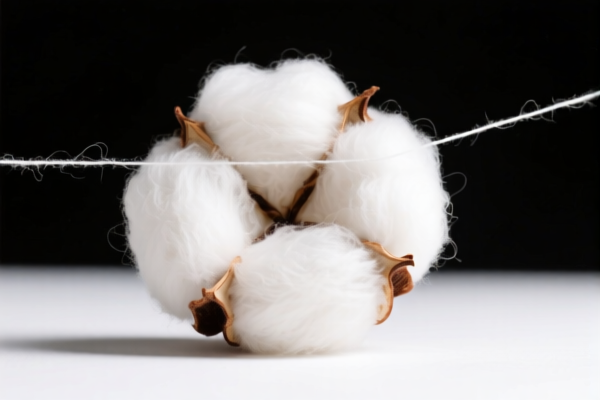
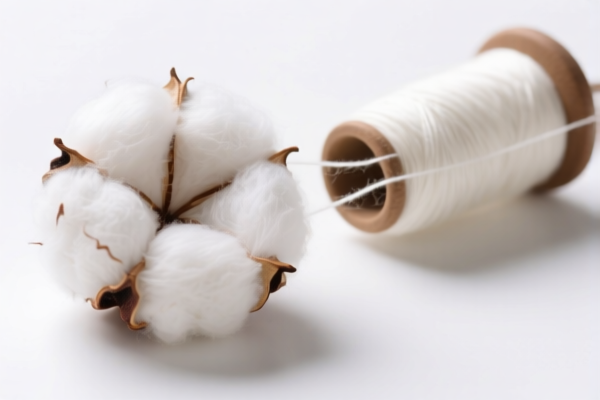
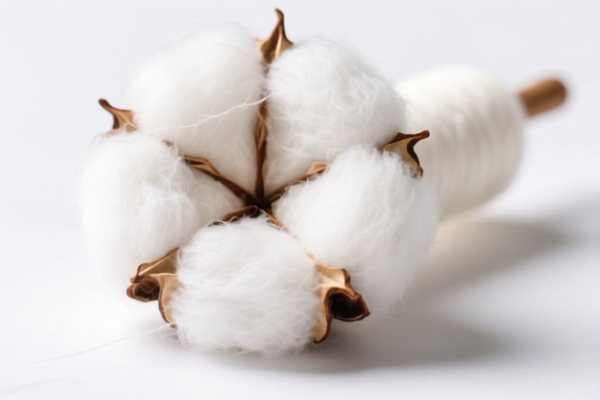
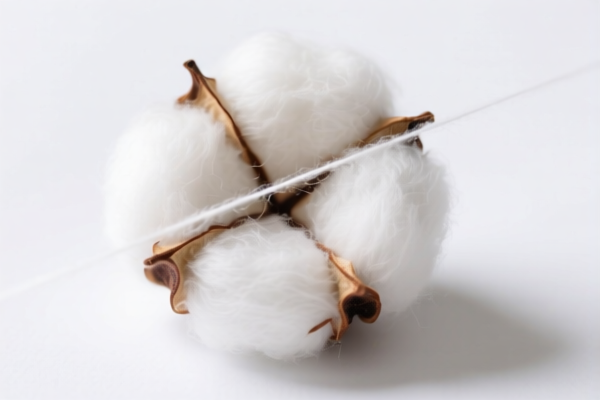
AI Analysis
🧵 Long Staple Cotton Fibers for Spinning
🌐 HS Code Reference & Customs Clearance Guide | 2026 Latest Tariff Analysis | Professional Compliance Strategy
📌 Part 1: Product Definition and Classification: Do You Really Understand "Long Cotton Fibers"?
"Long Cotton Fibers" (often referred to as Extra-Long Staple Cotton) are premium raw materials used in high-end textile manufacturing. In international trade, they are classified based on their processing state and physical form. They are not just "cotton"; they are specific stages of cotton processing:
Raw/Boll Cotton: Untreated, uncarded, uncombed raw material (often classified under 5201).
Yarn: Spun fiber, ready for weaving/knitting (classified under 5205).
Pre-spun Processing: Carded or combed but not yet spun into yarn (classified under 5203 or specific subheadings of 5205/5201 depending on detail).
⚠️ Key Distinction Point:
- If it is spun into yarn → Goes to 5205 series.
- If it is carded/combed but not spun → Goes to 5203 or specific 5201 subheadings.
- The fiber length (>34.925mm for long staple) and content (≥85% cotton) are critical classification drivers.
📦 Part 2: HS Code Classification Details (2026 Latest Tariff Authority Match)
Based on the provided data, here is the precise mapping for "Long Cotton Fibers for Spinning":
| HS Code | Product Description | Applicable State | Key Classification Criteria |
|---|---|---|---|
5205.21.00.20 |
Cotton Yarn (Long Staple) | Spun Yarn | Cotton content ≥85%; classified as Yarn. |
5205.22.00.20 |
Cotton Yarn (Long Staple) | Spun Yarn (Alternative) | Cotton content ≥85%; classified as Yarn. |
5203.00.05.00 |
Carded/Combed Cotton Fiber | Pre-Spun/Primary | Processed but not spun; classified as Fiber. |
5201.00.80.00 |
Long Staple Cotton Fiber | Raw/Unprocessed | Fiber length ≥34.925mm; Uncarded/Uncombed. |
5201.00.60.00 |
Cotton Fiber (Long Staple) | Raw/Unprocessed | Uncarded/Uncombed; Primary Form. |
🔍 Important Note:
- Yarn vs. Fiber: The biggest risk is misclassifying Yarn (5205) as Fiber (5201/5203) or vice versa.
- Raw Fiber: If the cotton is simply baled and shipped without any spinning, it falls under5201.
- Pre-Spun: If it has been carded or combed for spinning purposes, it may fall under5203or specific5205subheadings depending on exact processing.
💰 Part 3: 2026 Latest Tariff Rate Details (Including Additional Taxes & Policy Surcharges)
✅ Applicable Country: USA (US)
✅ Origin: China (CN)
✅ Effective Time: Current rates apply (Base + Section 301 + 122 Clause)
🎯 1. 5205.21.00.20 & 5205.22.00.20 —— Cotton Yarn (Long Staple)
These codes apply if the long cotton fibers have already been spun into yarn.
| Item | Content |
|---|---|
| Base Tariff | 5.8% (5205.21) or 7.3% (5205.22) |
| Section 301 Surcharge | +25.0% (USITC Footnote 9903.88.01 equivalent for textiles) |
| 122-Clause Tariff | +10.0% (Specific trade remedy clause) |
| Total Tax Rate | 40.8% (for 5205.21) or 42.3% (for 5205.22) |
| Calculation Basis | Ad Valorem (Percentage of CIF Value) |
| De Minimis Exemption | ❌ Not Eligible (Section 301 tariffs apply to low-value shipments if flagged) |
📌 Explanation:
- Yarn is considered a "processed textile."
- The 40.8% - 42.3% rate is very high.
- Critical: If you ship yarn, expect this tariff burden.
🎯 2. 5203.00.05.00 —— Carded/Combed Cotton Fiber (Pre-Spun)
This code applies if the cotton is processed (carded/combed) but NOT yet spun into yarn.
| Item | Content |
|---|---|
| Base Tariff | 5.0% |
| Section 301 Surcharge | +25.0% |
| 122-Clause Tariff | +10.0% |
| Total Tax Rate | 40.0% |
| Calculation Basis | Ad Valorem (Percentage of CIF Value) |
📌 Explanation:
- Pre-spun fibers are slightly cheaper to classify than yarn, but still incur heavy tariffs.
- Ensure documentation states "Not Yet Spun" to justify this code over5205.
🎯 3. 5201.00.80.00 & 5201.00.60.00 —— Raw Long Staple Cotton Fiber
These codes apply to raw, unspun, uncarded/uncombed cotton with specific fiber length characteristics.
| HS Code | Base Tariff | Additional Tariffs | Total Tax Rate |
|---|---|---|---|
5201.00.80.00 |
31.4¢/kg + 25.0% | +10% (122-Clause) | 31.4¢/kg + 35.0% (Ad Valorem + Specific) |
5201.00.60.00 |
1.5¢/kg + 25.0% | +10% (122-Clause) | 1.5¢/kg + 35.0% (Ad Valorem + Specific) |
📌 Explanation:
- Specific Duty (¢/kg): This is a mixed tariff (Specific + Ad Valorem).
-5201.00.60.00is significantly cheaper if the weight is high and value is moderate, due to the low base specific duty (1.5¢/kg).
-5201.00.80.00has a higher base specific duty (31.4¢/kg), making it costlier for heavy shipments.
- Key Condition: These codes are ONLY for raw fibers. If carded or spun, this classification is invalid and will lead to penalties.
🛠️ Part 4: Customs Clearance Practical Advice (Battle-Tested Pitfall Guide)
✅ 1. Documentation Checklist (Must-Have)
| Document | Required | Purpose |
|---|---|---|
| ✅ Product Specification Sheet | ✔️ | Must clearly state: Fiber Length (mm), Cotton Content (%), Processing State (Raw/Carded/Spun). |
| ✅ Fiber Test Report | ✔️ | Third-party lab report confirming "Long Staple" (>34.925mm) or "Extra-Long Staple". |
| ✅ Commercial Invoice | ✔️ | Must describe goods as "Raw Cotton Fiber" or "Cotton Yarn", NOT generic "Textiles". |
| ✅ Packing List | ✔️ | Weight breakdown is critical for Specific Duty codes (5201.00.60/80). |
| ✅ Origin Certificate | ✔️ | To confirm Chinese origin for Section 301 applicability. |
✅ 2. Declaration Strategy (Key Mnemonic)
🔥 "Raw is Specific, Yarn is Ad Valorem; Carded is Middle Ground; Don't Mix Them Up!"
| Scenario | Correct HS Code | Wrong Code | Consequence |
|---|---|---|---|
| Raw Baled Cotton (Uncarded, Unspun) | 5201.00.60.00 or 5201.00.80.00 |
5205.21.00.20 (Yarn) |
Tax Discrepancy: Raw has specific duty; Yarn has %. Misclassification leads to audits. |
| Spun Yarn | 5205.21.00.20 / 5205.22.00.20 |
5201.00.60.00 (Raw) |
High Risk: Raw duty is specific; Yarn duty is %. If you ship yarn but declare raw, you may underpay/overpay. |
| Carded Fiber (Pre-spun) | 5203.00.05.00 |
5201.00.60.00 (Raw) |
Audit Trigger: Carding is a significant processing step. Declaring as raw is fraud. |
✅ 3. Special Situations & Handling
| Situation | Handling Advice |
|---|---|
| Mixed Bales (Some raw, some spun) | Must separate. Do not mix raw and yarn in one HS Code. Separate shipments or accurate breakdown required. |
| Fiber Length Dispute | If fiber length is <34.925mm, it may not qualify for "Long Staple" codes (5201.00.80). It may fall into general cotton categories with different rates. |
| Cotton Content <85% | If cotton content is <85%, it is NOT classified under 5205 (Cotton Yarn). It may be classified under Woven Fabric or Blended Yarn codes (e.g., 5509 or 5407), which have different tariff structures. |
| Small Sample Shipments | Even for samples, if the nature is "Yarn," Section 301 tariffs apply. De Minimis ($800) may not exempt Section 301 duties for certain textile items depending on CBP enforcement. |
🌍 Part 5: Global Market Comparison (2026 Latest)
| Country/Region | Recommended HS Code | Est. Tariff (China Origin) | Certification/Note |
|---|---|---|---|
| 🇺🇸 USA | 5201.00.60.00 (Raw) or 5205.21.00.20 (Yarn) |
1.5¢/kg+35% or 40.8% | Section 301 + 122-Clause applies. High Barrier. |
| 🇨🇳 China | 5201.00.60.00 |
Low (Export Tax Rebate) | Focus on Quality Standards (GB). |
| 🇪🇺 EU | 5201.00 or 5205 |
0% - 4.5% (MFN) | No Section 301. Much Lower Cost for Exporters. |
| 🇬🇧 UK | 5201.00 |
0% - 4.5% (MFN) | Post-Brexit rules may apply. Check UK Tariff. |
| 🇯🇵 Japan | 5201.00 |
0% - 3.2% | Low tariffs. Focus on GSP if applicable (though limited for China now). |
📌 Conclusion:
- USA is the most expensive market due to Section 301 (25%) + 122-Clause (10%).
- EU/UK/Japan are significantly cheaper for cotton exports from China.
- Strategy: If targeting USA, consider supply chain diversification (e.g., spinning in Vietnam/India) to change Origin and avoid US tariffs.
📌 Part 6: Common Errors & Pitfall Guide (Lessons Learned)
❌ Error 1: Declaring Spun Yarn as Raw Cotton Fiber (5201).
👉 Consequence: Customs will inspect fiber structure. If spun, they will reclassify and charge higher ad valorem rates + penalties.
✅ Fix: Always submit fiber microscopy images or yarn twist analysis if unsure.
❌ Error 2: Ignoring Cotton Content.
👉 Consequence: If cotton is 80% and polyester is 20%, it is NOT "Cotton Yarn" (5205). It is a Blended Yarn (5509 or 5407).
✅ Fix: Ensure composition is ≥85% Cotton to use 5205 codes.
❌ Error 3: Confusing Specific Duty (¢/kg) with Ad Valorem (%).
👉 Consequence: For 5201.00.60.00, the cost depends on weight, not value. For high-value long-staple cotton, Ad Valorem might be lower than Specific duty if weight is low.
✅ Fix: Calculate both scenarios. Use a tariff calculator for CIF value vs. Weight ratio.
❌ Error 4: Failing to specify Fiber Length.
👉 Consequence: If "Long Staple" is not declared, customs may classify as General Cotton (5201.10), which may have different duty structures or quota restrictions.
✅ Fix: Clearly state "Extra-Long Staple (ELS), Length >34.925mm" on invoice.
🎯 Part 7: Conclusion: Precise Classification, Cost Optimization!
🎯 Remember the Mantra:
🔹 "Raw = Specific + 35% (Base + Sec301 + 122)"
🔹 "Yarn = Ad Valorem + 35% (Base + Sec301 + 122)"
🔹 "Pre-Spun = Ad Valorem + 35%"
🔹 "Blend? Not Cotton Code! Go to Blended Yarn!"
📌 Pro Tip:
If your long cotton fibers are spun in Vietnam, India, or Pakistan, you can apply for a Certificate of Origin (CO) from those countries.
👉 Result: You may avoid US Section 301 tariffs entirely, reducing tax from ~40% to 0-5%.
👉 Action: Consider offshore spinning for USA-bound goods to maximize profit margins.
📣 Immediate Action:
📞 Pre-Ruling: Submit an Advance Ruling Request to US CBP with fiber samples.
📦 Labeling: Ensure each bale/cone is labeled with Fiber Length, Content, and Processing State.
🚀 Optimize: Choose5201.00.60.00for raw shipments to minimize specific duty if weight is high.
✨ Professional Clearance Starts with Accurate Classification!
💼 Your Margins Depend on the Right HS Code!
Customer Reviews
About HS Code Classification
The Harmonized System (HS) is an internationally standardized nomenclature developed by the World Customs Organization (WCO) to classify traded products. Over 200 countries use the HS system as the basis for customs tariffs, trade statistics, and import/export regulations.
Each HS code follows a hierarchical structure:
- Chapter (2 digits) — Broad category of goods (e.g., Chapter 84: Machinery and Mechanical Appliances)
- Heading (4 digits) — More specific grouping within the chapter
- Subheading (6 digits) — Internationally standardized breakdown, used by all WCO member countries
- National subdivisions (8-10 digits) — Country-specific extensions for further classification, such as US HTSUS 10-digit codes
Correct HS code classification is essential for smooth customs clearance, accurate duty payment, and compliance with trade regulations. Misclassification can lead to customs delays, overpayment of duties, or penalties.
When importing from CN to US, the applicable tariff rates may include:
- Most-Favored-Nation (MFN) rate — The standard duty rate applied to WTO members
- General rate — Applied to countries without trade agreements
- Trade remedy duties — Additional tariffs such as Section 301 (anti-dumping), Section 232 (national security), or countervailing duties
The information provided on this page is for reference purposes only. For official classification, please consult with your local customs authority or a licensed customs broker.