Long Staple Cotton
CN → US| HS编码 | 关税税率 | 原产国 | 目的国 | 文档 |
|---|---|---|---|---|
| 5201006000 | 0.0% | CN | US | 官方文档 |
| 5201008000 | 0.0% | CN | US | 官方文档 |
| 5203000500 | 40.0% | CN | US | 官方文档 |
| 5203001000 | 40.0% | CN | US | 官方文档 |
| 5205210020 | 40.8% | CN | US | 官方文档 |
| 5205220020 | 42.3% | CN | US | 官方文档 |
| 5202100000 | 35.0% | CN | US | 官方文档 |
商品图片
AI分析
🧶 Long Staple Cotton: The "Cashmere of the Fiber World" | 2026 Tariff & Customs Clearance Guide
🌐 HS Code Reference & Customs Clearance Strategy | 2026 Latest Tariff Analysis | High-Value Textile Compliance
📌 I. Product Definition & Classification: Why "Long Staple" Matters?
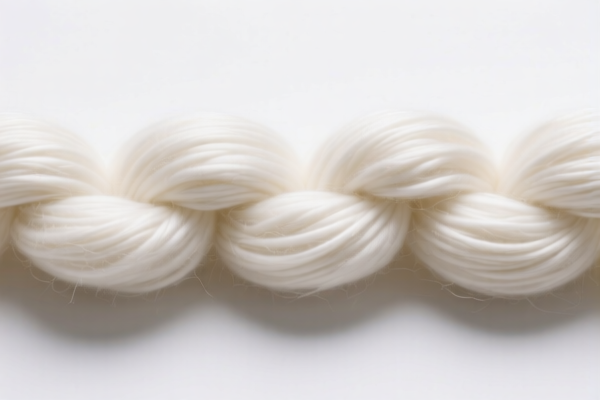
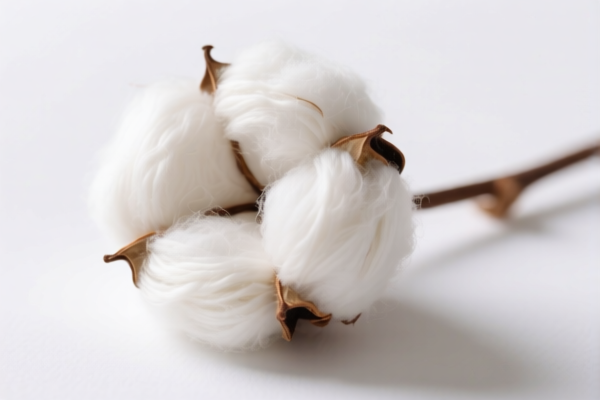
Long Staple Cotton is not just cotton; it is the premium tier of raw materials used in luxury textiles, high-count yarns, and sensitive medical applications. Unlike upland cotton, long staple fibers (typically ≥34.9mm) offer superior strength, softness, and luster.
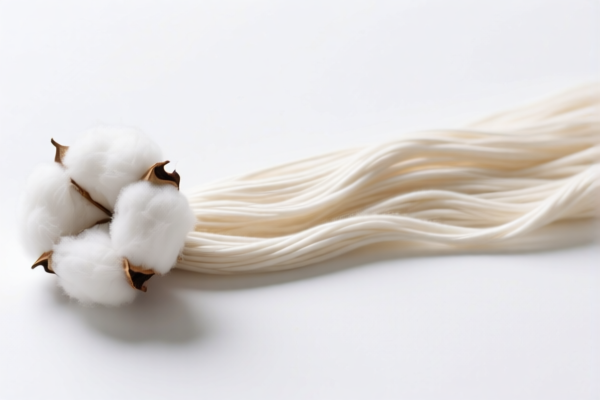
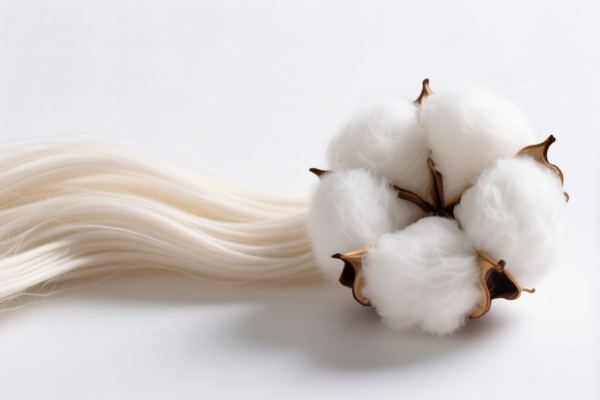
In international trade, it is classified based on its processing stage: 1. Raw/Unprocessed: Bolls, ginned but uncarded/uncombed. 2. Prepared: Carded or combed, but not yet spun into yarn. 3. Waste: Slivers, noils, or other waste from processing.
⚠️ Critical Distinction:
- If it is raw/unprocessed → Section 52: Raw Cotton (HS 5201/5202)
- If it is carded/combed → Section 52: Processed Fiber (HS 5203)
- If it is spun → Section 55: Yarn (HS 5205/5206)
- If it is waste → Section 52: Waste (HS 5202)
📦 II. HS Code Classification Matrix (2026 Latest Tariff Data)
Based on the provided data, here is the precise breakdown for Long Staple Cotton imports into the US (China Origin).
| HS Code | Product Description | Processing State | Key Characteristic |
|---|---|---|---|
5201.00.60.00 |
Cotton, not carded or combed | Raw / Unprocessed | Ginned cotton; no fiber alignment yet. |
5201.00.80.00 |
Cotton, not carded or combed | Raw / Unprocessed | Specifically defined by length ≥ 34.925 mm. |
5203.00.05.00 |
Cotton, carded or combed | Processed Fiber | Processed but not spun into yarn. |
5203.00.10.00 |
Cotton, carded or combed | Processed Fiber | Specifically for Long Staple processed fiber. |
5205.21.00.20 |
Cotton yarn (≥85% cotton) | Spun Yarn | Single yarn, not mixed with other fibers (≥85%). |
5205.22.00.20 |
Cotton yarn (≥85% cotton) | Spun Yarn | Single yarn, high count, ≥85% cotton content. |
5202.10.00.00 |
Cotton waste | Waste/Scraps | Noils, slivers, and other waste from spinning. |
🔍 Key Insight:
- The difference between5201.00.60.00and5201.00.80.00lies in the fiber length specification.
- The jump from5201(Raw) to5203(Processed) significantly increases the Base Tariff from ~1.5¢/kg to 5.0% because the product has added value through processing.
💰 III. 2026 Tariff Structure Detailed Analysis (US Market - China Origin)
✅ Origin: China (CN)
✅ Destination: United States (US)
✅ Effective Date: Current (2025-2026)
⚠️ Warning: All rates include Section 301 (25%) and Section 122 (10%) additional tariffs.
🎯 1. Raw Cotton (Unprocessed)
A. 5201.00.60.00 – General Raw Cotton
| Component | Rate | Source |
|---|---|---|
| Base Tariff | 1.5¢/kg | Specific Duty |
| Section 301 | +25.0% | Ad Valorem (on CIF value) |
| Section 122 | +10.0% | Ad Valorem (on CIF value) |
| Total Effective Tax | 1.5¢/kg + 35.0% | Combined Specific + Ad Valorem |
📌 Explanation:
- This is the lowest base duty category.
- The 35% ad valorem is applied to the total value, PLUS a specific fee of 1.5 cents per kg.
- High Volume Impact: For bulk shipments, the 1.5¢/kg adds up significantly.
B. 5201.00.80.00 – Premium Long Staple Raw Cotton
| Component | Rate | Source |
|---|---|---|
| Base Tariff | 31.4¢/kg | Specific Duty |
| Section 301 | +25.0% | Ad Valorem |
| Section 122 | +10.0% | Ad Valorem |
| Total Effective Tax | 31.4¢/kg + 35.0% | Combined Specific + Ad Valorem |
⚠️ Critical Alert:
- The Specific Duty (31.4¢/kg) is 20x higher than general raw cotton.
- This reflects the premium nature and strict length verification (≥34.925mm).
- Cost Driver: Even a small drop in cotton price is offset by this high per-kg fee.
🎯 2. Processed Cotton (Carded/Combed, Not Spun)
C. 5203.00.05.00 & 5203.00.10.00
| Component | Rate | Source |
|---|---|---|
| Base Tariff | 5.0% | Ad Valorem |
| Section 301 | +25.0% | Ad Valorem |
| Section 122 | +10.0% | Ad Valorem |
| Total Effective Tax | 40.0% | Pure Ad Valorem |
📌 Explanation:
- No specific duty (¢/kg). It is purely percentage-based.
- 40% Total is significantly higher than the raw cotton ad valorem portion (35%) because the Base Tariff itself is 5%.
- Use Case: Imported for further manufacturing (e.g., making thread) inside the US.
🎯 3. Spun Cotton Yarn
D. 5205.21.00.20 & 5205.22.00.20
| Component | Rate | Source |
|---|---|---|
| Base Tariff | 5.8% / 7.3% | Ad Valorem |
| Section 301 | +25.0% | Ad Valorem |
| Section 122 | +10.0% | Ad Valorem |
| Total Effective Tax | 40.8% / 42.3% | Pure Ad Valorem |
📌 Explanation:
- Yarn is the most taxed category due to higher base tariffs (5.8%-7.3%).
- 40.8% - 42.3% is a heavy burden on manufacturers.
- Differentiation:5205.22(higher count yarn) has a slightly higher base (7.3%) than5205.21(5.8%).
🎯 4. Cotton Waste
E. 5202.10.00.00 – Cotton Waste
| Component | Rate | Source |
|---|---|---|
| Base Tariff | 0.0% | Ad Valorem |
| Section 301 | +25.0% | Ad Valorem |
| Section 122 | +10.0% | Ad Valorem |
| Total Effective Tax | 35.0% | Pure Ad Valorem |
📌 Explanation:
- Zero Base Tariff makes this the most competitive for recycling or low-end manufacturing.
- However, the 35% Additional Tax still applies.
- Use Case: Importing waste for reuse in non-apparel products or blended yarns.
🛠️ IV. Customs Clearance & Operational Advice
✅ 1. Documentation Checklist (Must-Have)
| Document | Requirement | Why It Matters |
|---|---|---|
| Commercial Invoice | Must specify "Long Staple" and Fiber Length (mm) | Customs will verify if HS 5201.00.80.00 is justified. If length < 34.925mm, it may be downgraded to 5201.00.60.00, causing discrepancies. |
| Certificate of Origin | Form A or Generic CO | Required for Section 301/122 assessment. |
| Lab Test Report | Fiber length & strength analysis | Critical for 5201.00.80.00. If the test shows length < 34.925mm, you face reclassification penalties. |
| Packing List | Net/Gross Weight in Kilograms | Specific duties (1.5¢ or 31.4¢) are calculated per KG. Inaccurate weight = incorrect tax payment. |
| Bill of Lading | Clear description of goods | Avoid vague terms like "Cotton." Use "Long Staple Cotton, Ginned, Uncombed." |
✅ 2. Classification Strategy: How to Avoid Misclassification
| Scenario | Correct HS Code | Incorrect HS Code | Risk |
|---|---|---|---|
| Raw Cotton, Length ≥34.925mm | 5201.00.80.00 |
5201.00.60.00 |
Underpayment: Customs will assess the higher 31.4¢/kg specific duty + penalties. |
| Raw Cotton, Length <34.925mm | 5201.00.60.00 |
5201.00.80.00 |
Overpayment: You paid for premium classification but got standard. |
| Carded/Combed Fiber | 5203.00.x0 |
5201.00.x0 |
Reclassification: If found carded, base duty jumps from 1.5¢/kg to 5%. |
| Yarn | 5205.xx |
5203.xx |
Heavy Penalty: Yarn has higher base tariffs (5.8-7.3%) than processed fiber (5%). |
✅ 3. Cost Optimization Tips
-
Verify Fiber Length Rigorously:
- If your cotton is 34.920mm, it does NOT qualify for
5201.00.80.00. It falls under5201.00.60.00. - Save Money: The specific duty drops from 31.4¢/kg to 1.5¢/kg. This is a $0.299/kg savings, which is massive for container loads.
- If your cotton is 34.920mm, it does NOT qualify for
-
Check "122 Clause" Eligibility:
- Ensure your goods are not on any exclusions list that might mitigate Section 122 tariffs (though currently, most cotton faces 10%).
- Note: Section 122 tariffs are often renewed annually. Monitor trade news.
-
Waste vs. Product:
- If you are buying noils (waste), ensure you are importing
5202.10.00.00. Do not misclassify as raw cotton to avoid the 35% ad valorem on a higher base value.
- If you are buying noils (waste), ensure you are importing
🌍 V. Global Market Context (2026)
| Market | HS Code (Similar) | Tariff Trend | Notes |
|---|---|---|---|
| 🇺🇸 USA | 5201.00.80.00 |
High (35%+Spec) | Heavy Section 301/122 impact. |
| 🇪🇺 EU | 5201 00 80 |
Low (4-6%) | No Section 301. Base duty is low. |
| 🇨🇳 China | 5201.00.80.00 |
Low (5-6%) | Import duty is lower; VAT 9% applies. |
| 🇮🇳 India | 5201.00.80 |
Moderate | Additional duties may apply. |
📌 Strategic Insight:
- If your end-market is non-US, consider routing through Vietnam, Mexico, or Turkey for processing to avoid US Section 301/122 tariffs.
- For US Domestic Use, calculate if the 1.5¢ vs 31.4¢ specific duty difference justifies sourcing slightly shorter (but still high-quality) cotton.
📌 VI. Common Mistakes & Pitfalls
❌ Mistake 1: Assuming all "Long Staple" cotton has the same tax.
👉 Reality: Only fiber ≥34.925mm gets the higher specific duty. Below that, it’s cheaper but taxed differently.
❌ Mistake 2: Ignoring the Specific Duty component.
👉 Reality: 31.4¢/kg is not a percentage. It is a flat fee per kg. For a 20-ton container, that’s $628 in just specific duty.
❌ Mistake 3: Mislabeling "Carded" cotton as "Raw."
👉 Reality: If you import carded cotton (5203) but label it raw (5201), CBP will reclassify it, assess the 5% base tariff (vs 1.5¢/kg), and issue a penalty.
✅ Best Practice:
"Measure Length, Specify Process, Declare Weight in KG."
Always include a Lab Certificate with the packing list for HS5201.00.80.00.
🎯 VII. Conclusion: Smart Sourcing for Long Staple Cotton
🎯 Key Takeaway:
- Raw Cotton (≥34.925mm): High specific duty (31.4¢/kg) + 35% ad valorem.
- Raw Cotton (<34.925mm): Low specific duty (1.5¢/kg) + 35% ad valorem.
- Processed/Yarn: Pure ad valorem (40-42.3%).
🚀 Action Plan:
1. Get Lab Tests: Confirm fiber length before shipping.
2. Choose Correct HS: Avoid misclassification penalties.
3. Calculate Total Landed Cost: Include 31.4¢/kg (if applicable) + 35% taxes.
4. Consider Supply Chain Diversification: If US tariffs are too high, evaluate non-US origins.
✨ Precision in Classification, Profit in Clearance!
💼 Don’t let a 30¢/kg difference erase your margin. Classify Correctly.
用户评价
关于 HS 编码归类
协调制度(HS)是由世界海关组织(WCO)制定的国际贸易商品分类标准。全球 200 多个国家采用 HS 系统作为海关关税、贸易统计和进出口监管的基础。
每个 HS 编码遵循以下层级结构:
- 章(2 位)——商品大类(例如:第 84 章:机器和机械设备)
- 品目(4 位)——章内的更具体分类
- 子目(6 位)——国际通用细分,所有 WCO 成员国统一使用
- 本国细分(8-10 位)——各国自行扩展的细分编码,如美国 HTSUS 10 位编码
正确的 HS 编码归类对于顺利通关、准确缴纳关税和遵守贸易法规至关重要。错误归类可能导致海关延误、多缴关税或罚款。
从CN进口到US时,适用的关税税率可能包括:
- 最惠国(MFN)税率——适用于 WTO 成员国的标准关税税率
- 普通税率——适用于无贸易协定国家
- 贸易救济关税——附加关税,如 301 条款(反倾销)、232 条款(国家安全)或反补贴税
本页内容仅供参考。如需正式归类,请咨询当地海关或持牌报关代理。