Long Staple Cotton
CN → US| HS Code | Tariff Rate | Origin | Destination | Doc |
|---|---|---|---|---|
| 5201006000 | 0.0% | CN | US | Official Doc |
| 5201008000 | 0.0% | CN | US | Official Doc |
| 5203000500 | 40.0% | CN | US | Official Doc |
| 5203001000 | 40.0% | CN | US | Official Doc |
| 5205210020 | 40.8% | CN | US | Official Doc |
| 5205220020 | 42.3% | CN | US | Official Doc |
| 5202100000 | 35.0% | CN | US | Official Doc |
Product Images
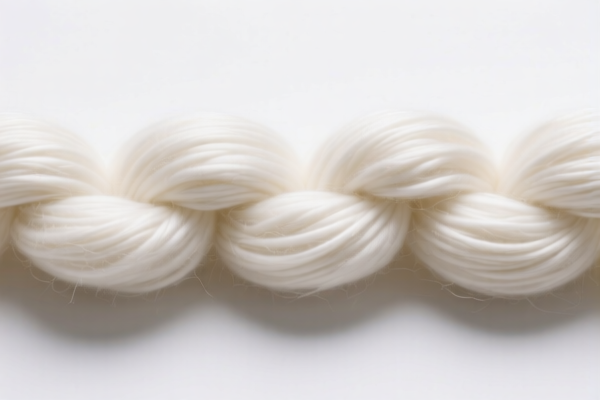
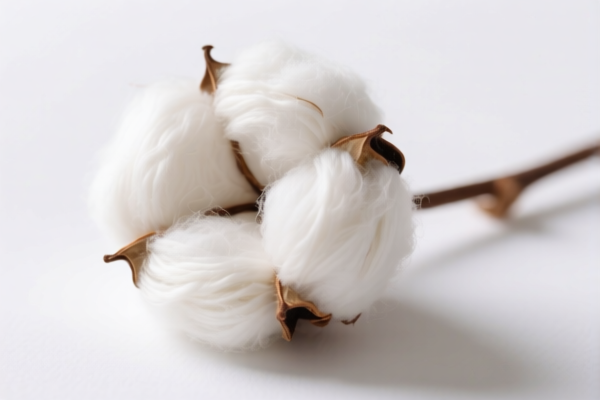
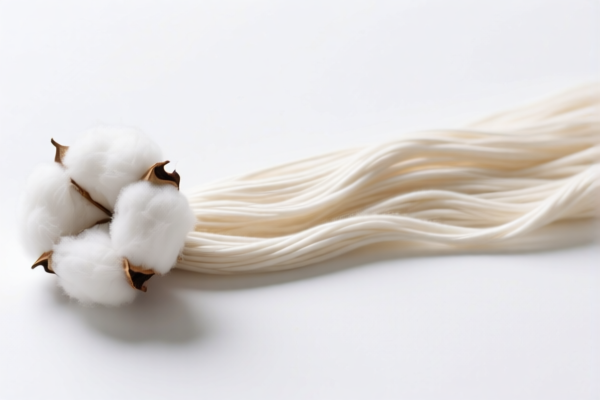
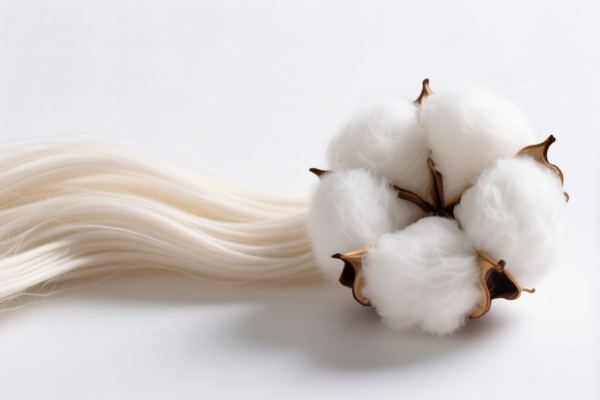
AI Analysis
🧶 Long Staple Cotton: The "Cashmere of the Fiber World" | 2026 Tariff & Customs Clearance Guide
🌐 HS Code Reference & Customs Clearance Strategy | 2026 Latest Tariff Analysis | High-Value Textile Compliance
📌 I. Product Definition & Classification: Why "Long Staple" Matters?
Long Staple Cotton is not just cotton; it is the premium tier of raw materials used in luxury textiles, high-count yarns, and sensitive medical applications. Unlike upland cotton, long staple fibers (typically ≥34.9mm) offer superior strength, softness, and luster.
In international trade, it is classified based on its processing stage: 1. Raw/Unprocessed: Bolls, ginned but uncarded/uncombed. 2. Prepared: Carded or combed, but not yet spun into yarn. 3. Waste: Slivers, noils, or other waste from processing.
⚠️ Critical Distinction:
- If it is raw/unprocessed → Section 52: Raw Cotton (HS 5201/5202)
- If it is carded/combed → Section 52: Processed Fiber (HS 5203)
- If it is spun → Section 55: Yarn (HS 5205/5206)
- If it is waste → Section 52: Waste (HS 5202)
📦 II. HS Code Classification Matrix (2026 Latest Tariff Data)
Based on the provided data, here is the precise breakdown for Long Staple Cotton imports into the US (China Origin).
| HS Code | Product Description | Processing State | Key Characteristic |
|---|---|---|---|
5201.00.60.00 |
Cotton, not carded or combed | Raw / Unprocessed | Ginned cotton; no fiber alignment yet. |
5201.00.80.00 |
Cotton, not carded or combed | Raw / Unprocessed | Specifically defined by length ≥ 34.925 mm. |
5203.00.05.00 |
Cotton, carded or combed | Processed Fiber | Processed but not spun into yarn. |
5203.00.10.00 |
Cotton, carded or combed | Processed Fiber | Specifically for Long Staple processed fiber. |
5205.21.00.20 |
Cotton yarn (≥85% cotton) | Spun Yarn | Single yarn, not mixed with other fibers (≥85%). |
5205.22.00.20 |
Cotton yarn (≥85% cotton) | Spun Yarn | Single yarn, high count, ≥85% cotton content. |
5202.10.00.00 |
Cotton waste | Waste/Scraps | Noils, slivers, and other waste from spinning. |
🔍 Key Insight:
- The difference between5201.00.60.00and5201.00.80.00lies in the fiber length specification.
- The jump from5201(Raw) to5203(Processed) significantly increases the Base Tariff from ~1.5¢/kg to 5.0% because the product has added value through processing.
💰 III. 2026 Tariff Structure Detailed Analysis (US Market - China Origin)
✅ Origin: China (CN)
✅ Destination: United States (US)
✅ Effective Date: Current (2025-2026)
⚠️ Warning: All rates include Section 301 (25%) and Section 122 (10%) additional tariffs.
🎯 1. Raw Cotton (Unprocessed)
A. 5201.00.60.00 – General Raw Cotton
| Component | Rate | Source |
|---|---|---|
| Base Tariff | 1.5¢/kg | Specific Duty |
| Section 301 | +25.0% | Ad Valorem (on CIF value) |
| Section 122 | +10.0% | Ad Valorem (on CIF value) |
| Total Effective Tax | 1.5¢/kg + 35.0% | Combined Specific + Ad Valorem |
📌 Explanation:
- This is the lowest base duty category.
- The 35% ad valorem is applied to the total value, PLUS a specific fee of 1.5 cents per kg.
- High Volume Impact: For bulk shipments, the 1.5¢/kg adds up significantly.
B. 5201.00.80.00 – Premium Long Staple Raw Cotton
| Component | Rate | Source |
|---|---|---|
| Base Tariff | 31.4¢/kg | Specific Duty |
| Section 301 | +25.0% | Ad Valorem |
| Section 122 | +10.0% | Ad Valorem |
| Total Effective Tax | 31.4¢/kg + 35.0% | Combined Specific + Ad Valorem |
⚠️ Critical Alert:
- The Specific Duty (31.4¢/kg) is 20x higher than general raw cotton.
- This reflects the premium nature and strict length verification (≥34.925mm).
- Cost Driver: Even a small drop in cotton price is offset by this high per-kg fee.
🎯 2. Processed Cotton (Carded/Combed, Not Spun)
C. 5203.00.05.00 & 5203.00.10.00
| Component | Rate | Source |
|---|---|---|
| Base Tariff | 5.0% | Ad Valorem |
| Section 301 | +25.0% | Ad Valorem |
| Section 122 | +10.0% | Ad Valorem |
| Total Effective Tax | 40.0% | Pure Ad Valorem |
📌 Explanation:
- No specific duty (¢/kg). It is purely percentage-based.
- 40% Total is significantly higher than the raw cotton ad valorem portion (35%) because the Base Tariff itself is 5%.
- Use Case: Imported for further manufacturing (e.g., making thread) inside the US.
🎯 3. Spun Cotton Yarn
D. 5205.21.00.20 & 5205.22.00.20
| Component | Rate | Source |
|---|---|---|
| Base Tariff | 5.8% / 7.3% | Ad Valorem |
| Section 301 | +25.0% | Ad Valorem |
| Section 122 | +10.0% | Ad Valorem |
| Total Effective Tax | 40.8% / 42.3% | Pure Ad Valorem |
📌 Explanation:
- Yarn is the most taxed category due to higher base tariffs (5.8%-7.3%).
- 40.8% - 42.3% is a heavy burden on manufacturers.
- Differentiation:5205.22(higher count yarn) has a slightly higher base (7.3%) than5205.21(5.8%).
🎯 4. Cotton Waste
E. 5202.10.00.00 – Cotton Waste
| Component | Rate | Source |
|---|---|---|
| Base Tariff | 0.0% | Ad Valorem |
| Section 301 | +25.0% | Ad Valorem |
| Section 122 | +10.0% | Ad Valorem |
| Total Effective Tax | 35.0% | Pure Ad Valorem |
📌 Explanation:
- Zero Base Tariff makes this the most competitive for recycling or low-end manufacturing.
- However, the 35% Additional Tax still applies.
- Use Case: Importing waste for reuse in non-apparel products or blended yarns.
🛠️ IV. Customs Clearance & Operational Advice
✅ 1. Documentation Checklist (Must-Have)
| Document | Requirement | Why It Matters |
|---|---|---|
| Commercial Invoice | Must specify "Long Staple" and Fiber Length (mm) | Customs will verify if HS 5201.00.80.00 is justified. If length < 34.925mm, it may be downgraded to 5201.00.60.00, causing discrepancies. |
| Certificate of Origin | Form A or Generic CO | Required for Section 301/122 assessment. |
| Lab Test Report | Fiber length & strength analysis | Critical for 5201.00.80.00. If the test shows length < 34.925mm, you face reclassification penalties. |
| Packing List | Net/Gross Weight in Kilograms | Specific duties (1.5¢ or 31.4¢) are calculated per KG. Inaccurate weight = incorrect tax payment. |
| Bill of Lading | Clear description of goods | Avoid vague terms like "Cotton." Use "Long Staple Cotton, Ginned, Uncombed." |
✅ 2. Classification Strategy: How to Avoid Misclassification
| Scenario | Correct HS Code | Incorrect HS Code | Risk |
|---|---|---|---|
| Raw Cotton, Length ≥34.925mm | 5201.00.80.00 |
5201.00.60.00 |
Underpayment: Customs will assess the higher 31.4¢/kg specific duty + penalties. |
| Raw Cotton, Length <34.925mm | 5201.00.60.00 |
5201.00.80.00 |
Overpayment: You paid for premium classification but got standard. |
| Carded/Combed Fiber | 5203.00.x0 |
5201.00.x0 |
Reclassification: If found carded, base duty jumps from 1.5¢/kg to 5%. |
| Yarn | 5205.xx |
5203.xx |
Heavy Penalty: Yarn has higher base tariffs (5.8-7.3%) than processed fiber (5%). |
✅ 3. Cost Optimization Tips
-
Verify Fiber Length Rigorously:
- If your cotton is 34.920mm, it does NOT qualify for
5201.00.80.00. It falls under5201.00.60.00. - Save Money: The specific duty drops from 31.4¢/kg to 1.5¢/kg. This is a $0.299/kg savings, which is massive for container loads.
- If your cotton is 34.920mm, it does NOT qualify for
-
Check "122 Clause" Eligibility:
- Ensure your goods are not on any exclusions list that might mitigate Section 122 tariffs (though currently, most cotton faces 10%).
- Note: Section 122 tariffs are often renewed annually. Monitor trade news.
-
Waste vs. Product:
- If you are buying noils (waste), ensure you are importing
5202.10.00.00. Do not misclassify as raw cotton to avoid the 35% ad valorem on a higher base value.
- If you are buying noils (waste), ensure you are importing
🌍 V. Global Market Context (2026)
| Market | HS Code (Similar) | Tariff Trend | Notes |
|---|---|---|---|
| 🇺🇸 USA | 5201.00.80.00 |
High (35%+Spec) | Heavy Section 301/122 impact. |
| 🇪🇺 EU | 5201 00 80 |
Low (4-6%) | No Section 301. Base duty is low. |
| 🇨🇳 China | 5201.00.80.00 |
Low (5-6%) | Import duty is lower; VAT 9% applies. |
| 🇮🇳 India | 5201.00.80 |
Moderate | Additional duties may apply. |
📌 Strategic Insight:
- If your end-market is non-US, consider routing through Vietnam, Mexico, or Turkey for processing to avoid US Section 301/122 tariffs.
- For US Domestic Use, calculate if the 1.5¢ vs 31.4¢ specific duty difference justifies sourcing slightly shorter (but still high-quality) cotton.
📌 VI. Common Mistakes & Pitfalls
❌ Mistake 1: Assuming all "Long Staple" cotton has the same tax.
👉 Reality: Only fiber ≥34.925mm gets the higher specific duty. Below that, it’s cheaper but taxed differently.
❌ Mistake 2: Ignoring the Specific Duty component.
👉 Reality: 31.4¢/kg is not a percentage. It is a flat fee per kg. For a 20-ton container, that’s $628 in just specific duty.
❌ Mistake 3: Mislabeling "Carded" cotton as "Raw."
👉 Reality: If you import carded cotton (5203) but label it raw (5201), CBP will reclassify it, assess the 5% base tariff (vs 1.5¢/kg), and issue a penalty.
✅ Best Practice:
"Measure Length, Specify Process, Declare Weight in KG."
Always include a Lab Certificate with the packing list for HS5201.00.80.00.
🎯 VII. Conclusion: Smart Sourcing for Long Staple Cotton
🎯 Key Takeaway:
- Raw Cotton (≥34.925mm): High specific duty (31.4¢/kg) + 35% ad valorem.
- Raw Cotton (<34.925mm): Low specific duty (1.5¢/kg) + 35% ad valorem.
- Processed/Yarn: Pure ad valorem (40-42.3%).
🚀 Action Plan:
1. Get Lab Tests: Confirm fiber length before shipping.
2. Choose Correct HS: Avoid misclassification penalties.
3. Calculate Total Landed Cost: Include 31.4¢/kg (if applicable) + 35% taxes.
4. Consider Supply Chain Diversification: If US tariffs are too high, evaluate non-US origins.
✨ Precision in Classification, Profit in Clearance!
💼 Don’t let a 30¢/kg difference erase your margin. Classify Correctly.
Customer Reviews
About HS Code Classification
The Harmonized System (HS) is an internationally standardized nomenclature developed by the World Customs Organization (WCO) to classify traded products. Over 200 countries use the HS system as the basis for customs tariffs, trade statistics, and import/export regulations.
Each HS code follows a hierarchical structure:
- Chapter (2 digits) — Broad category of goods (e.g., Chapter 84: Machinery and Mechanical Appliances)
- Heading (4 digits) — More specific grouping within the chapter
- Subheading (6 digits) — Internationally standardized breakdown, used by all WCO member countries
- National subdivisions (8-10 digits) — Country-specific extensions for further classification, such as US HTSUS 10-digit codes
Correct HS code classification is essential for smooth customs clearance, accurate duty payment, and compliance with trade regulations. Misclassification can lead to customs delays, overpayment of duties, or penalties.
When importing from CN to US, the applicable tariff rates may include:
- Most-Favored-Nation (MFN) rate — The standard duty rate applied to WTO members
- General rate — Applied to countries without trade agreements
- Trade remedy duties — Additional tariffs such as Section 301 (anti-dumping), Section 232 (national security), or countervailing duties
The information provided on this page is for reference purposes only. For official classification, please consult with your local customs authority or a licensed customs broker.