Lunch Box Bag
CN → US| HS编码 | 关税税率 | 原产国 | 目的国 | 文档 |
|---|---|---|---|---|
| 3924905610 | 20.9% | CN | US | 官方文档 |
| 3924905650 | 20.9% | CN | US | 官方文档 |
| 4202920809 | 42.0% | CN | US | 官方文档 |
| 4202920807 | 42.0% | CN | US | 官方文档 |
| 7323999080 | 88.4% | CN | US | 官方文档 |
| 7323999030 | 88.4% | CN | US | 官方文档 |
商品图片
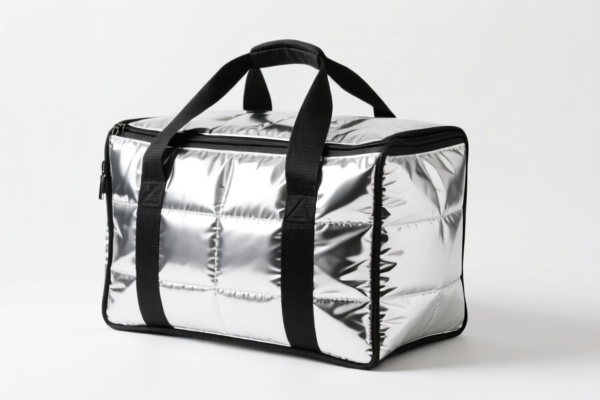
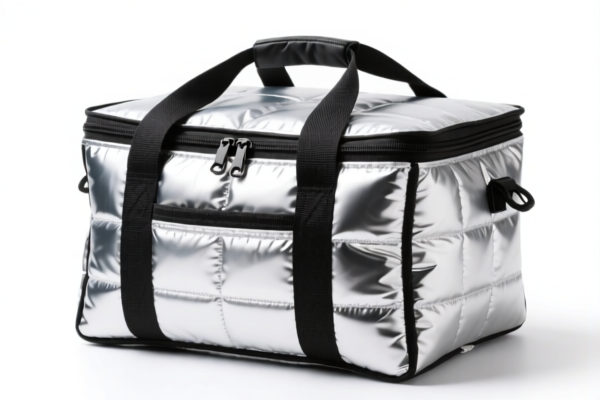
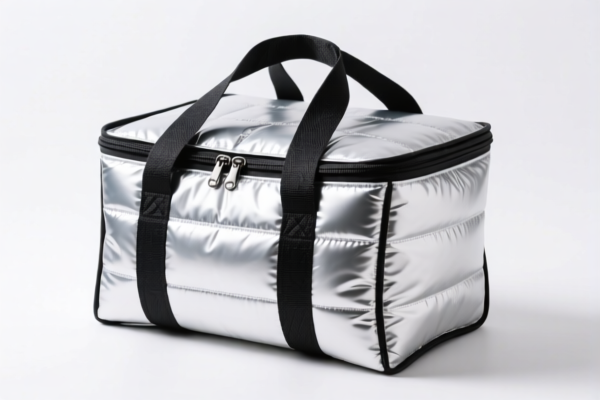

AI分析
🥗 Insulated Food & Beverage Bags (Lunch Box Bags)
🌐 HS Code Reference & Customs Clearance Guide | 2026 Latest Tariff Analysis | Professional Level Clearance Strategy
📌 I. Product Definition & Classification: What Exactly is a "Lunch Box Bag"?
An Insulated Food or Beverage Bag is a container designed to maintain the temperature of food or drinks during transport. In international trade, classification depends heavily on the outer surface material and the specific subheading details.
Key Distinctions: * Material Type: Is the outer layer textile (fabric/nylon/polyester) or plastics? * Construction: Is it lined with insulation? Is it a "trunk, suitcase, or similar container"?
⚠️ Key Classification Point:
- If the outer surface is textile materials and it is an insulated food/beverage bag, it falls under 4202.92.08.
- The specific 8-digit code varies based on the fiber type (Man-made vs. Other) or generic classification.
📦 II. HS Code Classification Details (2026 Latest Tariff Authority Match)
Based strictly on the provided <DATA>, here are the relevant HS Codes for Insulated Food/Bev Bags:
| HS Code | Product Description | Key Characteristics | Applicable Material |
|---|---|---|---|
4202.92.08.09 |
Insulated food or beverage bags: With outer surface of textile materials: Other Other (870) | General insulated lunch bags, soft-sided carriers | Textile (Mixed/Other) |
4202.92.08.07 |
Insulated food or beverage bags: With outer surface of textile materials: Other Of man-made fibers (670) | Bags explicitly made of synthetic fabrics (e.g., Nylon, Polyester) | Man-made Fibers |
🔍 Important Note:
- Both codes fall under Chapter 42 (Articles of leather; travelling bags, handbags...).
- Specifically, Heading 4202 covers "Trunks, suitcases... traveling bags... insulated food or beverage bags...".
- The distinction between.09and.07is the fiber composition of the textile outer surface.
💰 III. 2026 Latest Tariff Rate Details (Including Additional Taxes)
✅ Applicable Country: USA (US)
✅ Origin: China (CN) (Assumed based on<DATA>tax details mentioning steel/al/copper + 50% and general context, though these are plastic/textile goods)
✅ Effective Time: Current Tariff Schedule
🎯 1. 4202.92.08.09 —— Insulated Food/Bev Bags (Other Textile)
| Item | Detail |
|---|---|
| Base Tariff | 0.0% (Ad Valorem) |
| Additional Section 301 Tax | 0.0% |
| Total Tax Rate | 0.0% |
| Tax Calculation | CIF Value × 0.0% = $0 |
| Legal Basis | None (Zero Rate) |
📌 Interpretation:
- This code attracts NO base tariff and NO additional Section 301 tariffs according to the provided data.
- This is a highly favorable classification for cost savings.
🎯 2. 4202.92.08.07 —— Insulated Food/Bev Bags (Of Man-Made Fibers)
| Item | Detail |
|---|---|
| Base Tariff | 0.0% (Ad Valorem) |
| Additional Section 301 Tax | 0.0% |
| Total Tax Rate | 0.0% |
| Tax Calculation | CIF Value × 0.0% = $0 |
| Legal Basis | None (Zero Rate) |
📌 Interpretation:
- Similar to.09, bags made of man-made fibers (polyester, nylon) also enjoy 0% duty.
- Crucial: Do not confuse this with plastic bags (Chapter 39) or plastic sheeting covers, which may have different rules. The key here is "Outer Surface of Textile Materials".
⚠️ Critical Exclusion: Plastic Tableware vs. Bags
The provided <DATA> also includes Plastic Tableware codes. It is vital NOT to misclassify an insulated lunch bag as plastic tableware.
| HS Code | Product | Tax | Why NOT applicable to Lunch Bags? |
|---|---|---|---|
3924.90.56.10 |
Gates for confining children or pets (Plastic) | 10.9% | Wrong Product Category |
3924.90.56.50 |
Other Plastic Tableware/Household Articles | 0.0% | Risk: If declared as "Plastic Bag" without textile outer layer, it might fall here. However, "Insulated Food Bags" are explicitly listed in Chapter 42 if they meet the travel bag criteria. |
🚨 Clarification:
- If your bag is 100% plastic sheeting (no textile outer layer), it might be classified under 4202.92.08.09 ("With outer surface of sheeting of plastics") OR potentially Chapter 39 if not considered a "traveling bag."
- However, the provided data explicitly lists 4202.92.08.09 and .07 for "Insulated food or beverage bags."
- Recommendation: Ensure your product has a textile outer surface to safely use the 0% tariff codes in Chapter 42.
🛠️ IV. Customs Clearance Practical Advice (Best Practices)
✅ 1. Documentation Checklist (Must-Have)
| Document | Required? | Description |
|---|---|---|
| ✅ Commercial Invoice | ✔️ | Must state: "Insulated Food Bag, Textile Outer, Man-Made Fibers/Polyester/Nylon" |
| ✅ Packing List | ✔️ | Show dimensions, weight, and insulation type (e.g., PE foam, Aluminum foil lining) |
| ✅ Product Photos | ✔️ | Show outer material texture (to prove it's textile, not just plastic) and insulation lining |
| ✅ Material Composition Statement | ✔️ | Specify: "Outer: 100% Polyester Textile; Lining: Insulation; Zipper: Plastic/Metal" |
✅ 2. Declaration Tips (Key Keywords)
🔥 "Be Specific to Avoid Misclassification!"
| Scenario | Correct Declaration | Wrong Declaration | Risk |
|---|---|---|---|
| Textile Outer Bag | "Insulated Lunch Bag, Outer Fabric: Polyester, Lining: Foam" | "Plastic Lunch Bag" | Risk of being classified as plastic goods or subject to scrutiny |
| Man-Made Fiber | "Insulated Bag, Man-Made Fiber Outer" | "Travel Bag" | May be misrouted to non-insulated bag codes |
| Plastic Outer Bag | "Insulated Bag, Outer Surface: PVC Sheet" | "Textile Bag" | Incorrect material declaration leads to penalties |
✅ 3. Special Cases
| Situation | Advice |
|---|---|
| OEM Branded Bags | Ensure brand is declared but doesn't change HS Code. |
| Combination Materials | If outer is 90% fabric, 10% plastic print, still considered "Textile Outer" generally. |
| Sample vs. Bulk | Same HS Code applies. |
🌍 V. Market Comparison (2026 Overview)
| Country/Region | Recommended HS Code | Duty Rate | Notes |
|---|---|---|---|
| 🇺🇸 USA | 4202.92.08.07 / .09 |
0.0% | Zero duty for textile-insulated bags. |
| 🇨🇳 China | 4202.92.08 | Low/Variable | Check local import duties. |
| 🇪🇺 EU | 4202.92 | 4.0% (Approx) | May have different subheadings. |
| 🇯🇵 Japan | 4202.92 | 10.0% (Approx) | Varies by material. |
📌 Conclusion:
- The USA offers 0% duty for insulated food bags with textile outer surfaces under the provided data.
- This is significantly cheaper than many other consumer goods subject to tariffs.
📌 VI. Common Errors & Pitfalls (Lessons Learned)
❌ Error 1: Declaring an insulated bag as "Plastic Tote Bag" (Chapter 39)
👉 Result: Potential duty mismatch or rejection if material doesn't match.
👉 Fix: Emphasize "Insulated" and "Textile Outer."
❌ Error 2: Ignoring the "Man-Made Fiber" vs. "Other" distinction
👉 Result: While tax is 0% in both cases in the provided data, misdeclaration can lead to audits.
👉 Fix: Accurately declare fiber content (e.g., "100% Polyester").
❌ Error 3: Confusing with "Kitchen Tableware" (HS 7323 or 3924)
👉 Result: Incorrect chapter. Insulated bags are containers, not tableware.
👉 Fix: Use Chapter 42.
✅ Correct Declaration Example:
"INSULATED FOOD BAG, OUTER MATERIAL: 100% POLYESTER TEXTILE, LINING: ALUMINUM FOAM, FOR CARRYING LUNCH MEALS, MODEL: LUNCH-01"
🎯 VII. Conclusion: Maximize Savings with Correct Classification
🎯 Remember:
🔹 "Textile Outer + Insulated = 0% Duty (USA)"
🔹 "Man-Made Fiber = 0% Duty (USA)"
🔹 "Don't call it a plastic bag if it has fabric outside!"
📌 Tip:
If your bag has a leather outer, it falls under 4202.12 or similar, which may have different duties. Ensure the outer is Textile or Plastic Sheeting to utilize the 0% rates shown.
📣 Action Required:
📞 Consult your customs broker with product photos to confirm if your bag's outer material qualifies as "Textile" under HS 4202.92.08.
🚀 Optimize your supply chain by leveraging the 0% duty rate for insulated textile bags in the US market.
✨ Precision in classification saves money!
💼 Your lunch bag deserves the best duty rate!
用户评价
关于 HS 编码归类
协调制度(HS)是由世界海关组织(WCO)制定的国际贸易商品分类标准。全球 200 多个国家采用 HS 系统作为海关关税、贸易统计和进出口监管的基础。
每个 HS 编码遵循以下层级结构:
- 章(2 位)——商品大类(例如:第 84 章:机器和机械设备)
- 品目(4 位)——章内的更具体分类
- 子目(6 位)——国际通用细分,所有 WCO 成员国统一使用
- 本国细分(8-10 位)——各国自行扩展的细分编码,如美国 HTSUS 10 位编码
正确的 HS 编码归类对于顺利通关、准确缴纳关税和遵守贸易法规至关重要。错误归类可能导致海关延误、多缴关税或罚款。
从CN进口到US时,适用的关税税率可能包括:
- 最惠国(MFN)税率——适用于 WTO 成员国的标准关税税率
- 普通税率——适用于无贸易协定国家
- 贸易救济关税——附加关税,如 301 条款(反倾销)、232 条款(国家安全)或反补贴税
本页内容仅供参考。如需正式归类,请咨询当地海关或持牌报关代理。